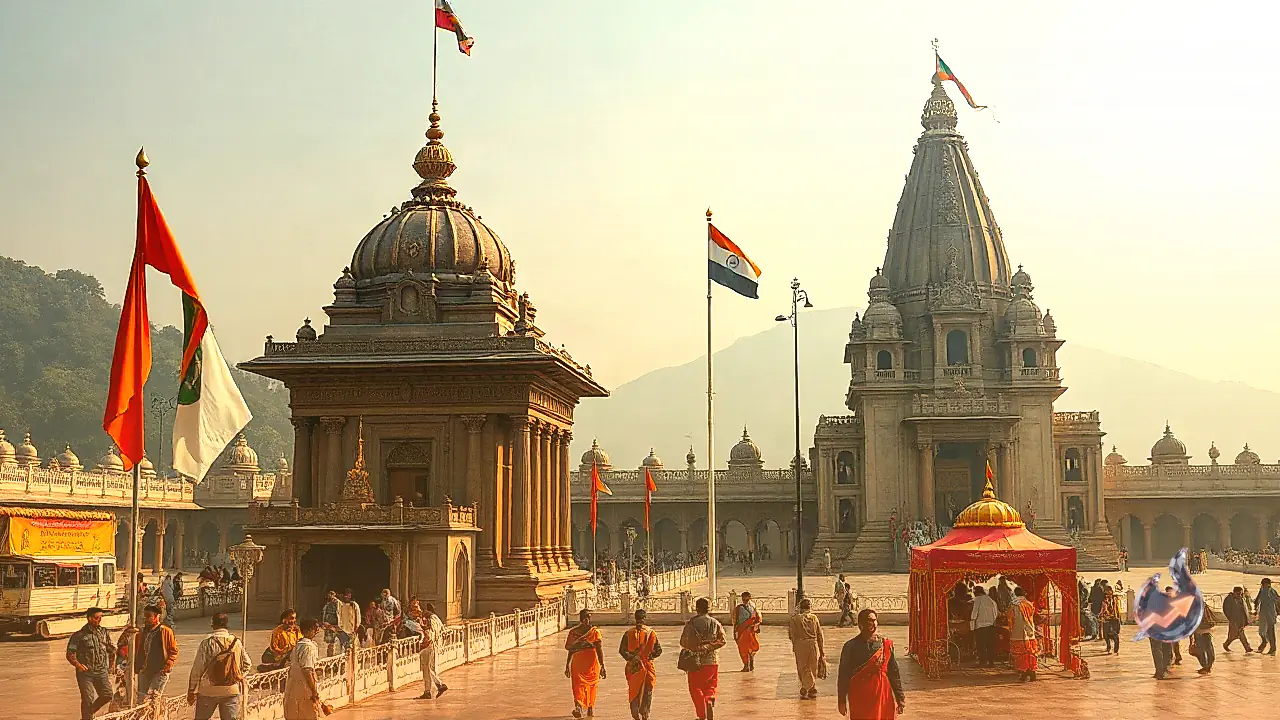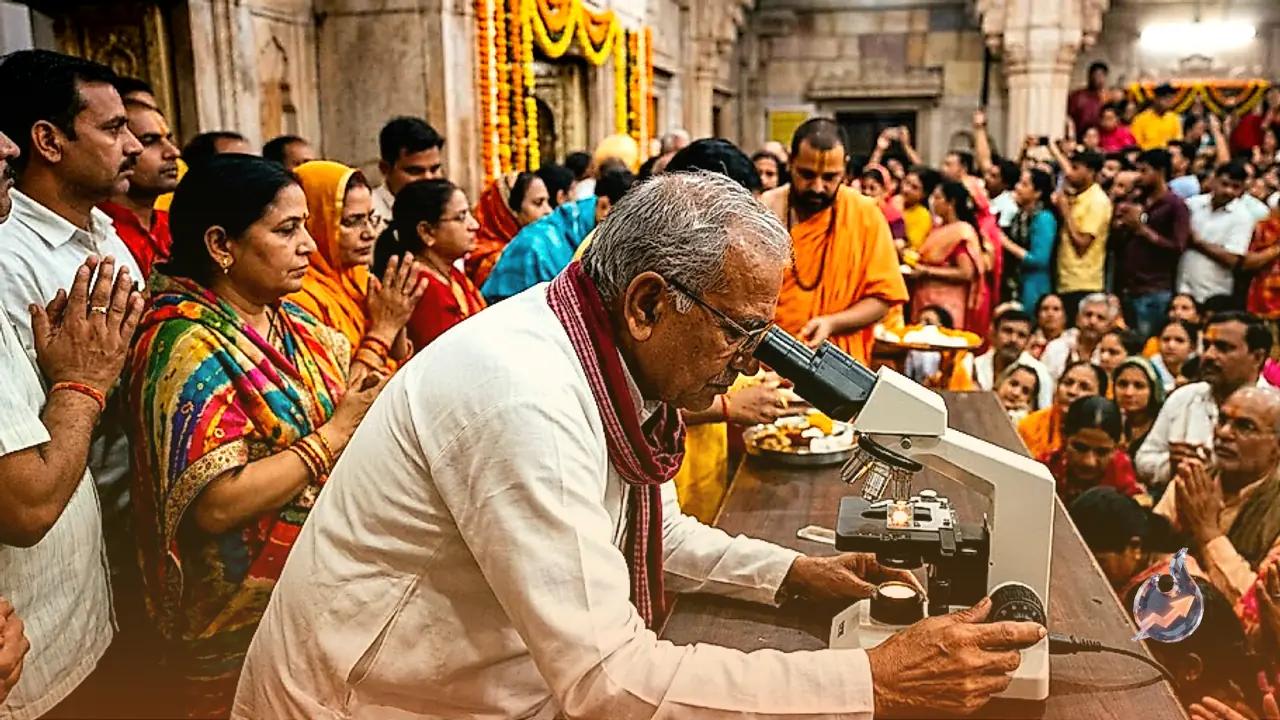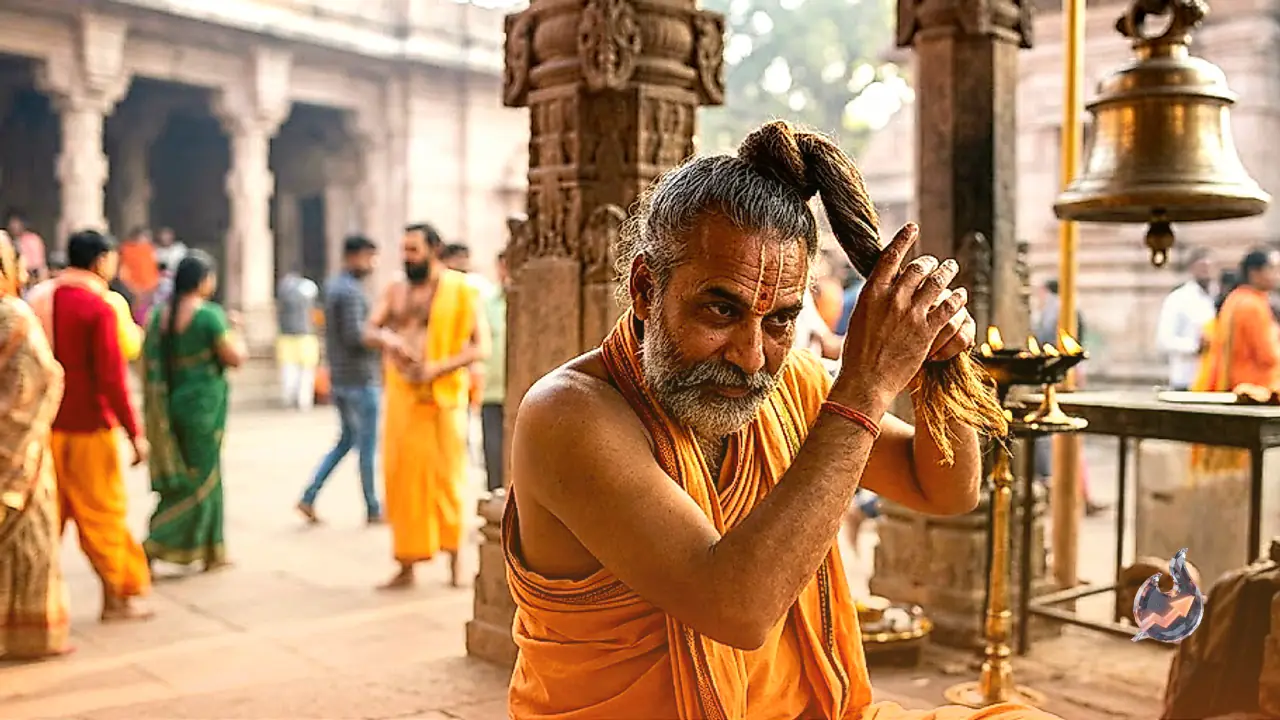

















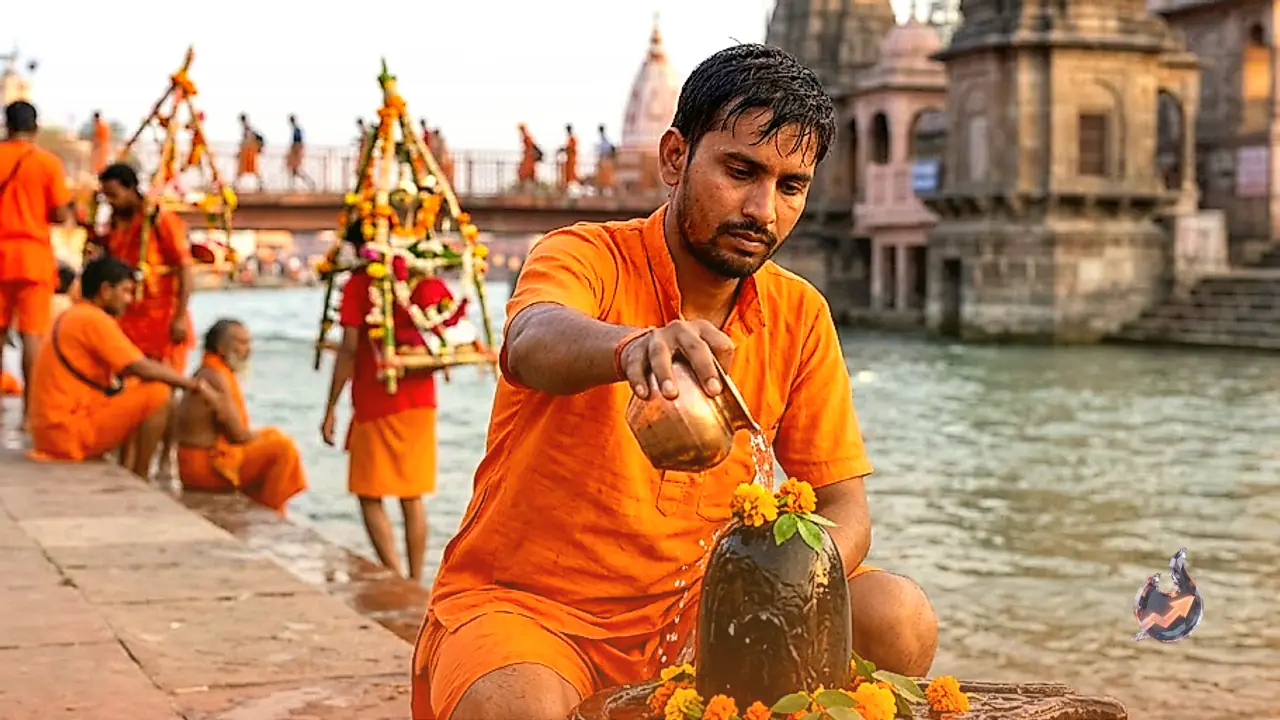

The auspicious month of Sawan brings a profound atmosphere of spiritual devotion across temples, where the chants of Har Har Mahadev and Bol Bam resonate from early morning hours. Devotees gather in vast numbers to perform sacred rituals, observe fasts, and offer holy water to Lord Shiva. Among all the days in this holy month, Sawan Shivratri holds an exceptional position of reverence. It is widely believed that performing Jalabhishekar with Ganga Jal and observing a dedicated fast on this day pleases Lord Shiva, who grants the sincere wishes of his worshippers. While many people often confuse Sawan Shivratri with Maha Shivratri, religious scholars emphasize that both occasions carry distinct spiritual significance and mythological backgrounds.
Distinction Between Maha Shivratri and Sawan Shivratri
Explaining the fundamental difference between these two sacred observances, Mahant Kameshwanand Vedantacharya of Ballabhgarh highlights that the Shivratri celebrated in the month of Phalgun is known as Maha Shivratri. The prefix Maha signifies that it is the greatest among all Shivratris falling throughout the year. According to ancient traditions, Maha Shivratri marks the divine manifestation of the Shivling, and it is also revered as the anniversary of the sacred marriage of Lord Shiva and Goddess Parvati. On the other hand, although a Shivratri occurs in every lunar month of the Hindu calendar, the Shivratri that falls during the month of Sawan is specifically called Sawan Shivratri and carries its own unique spiritual weight and devotional customs.
The Mythological Story Behind Offering Ganga Jal
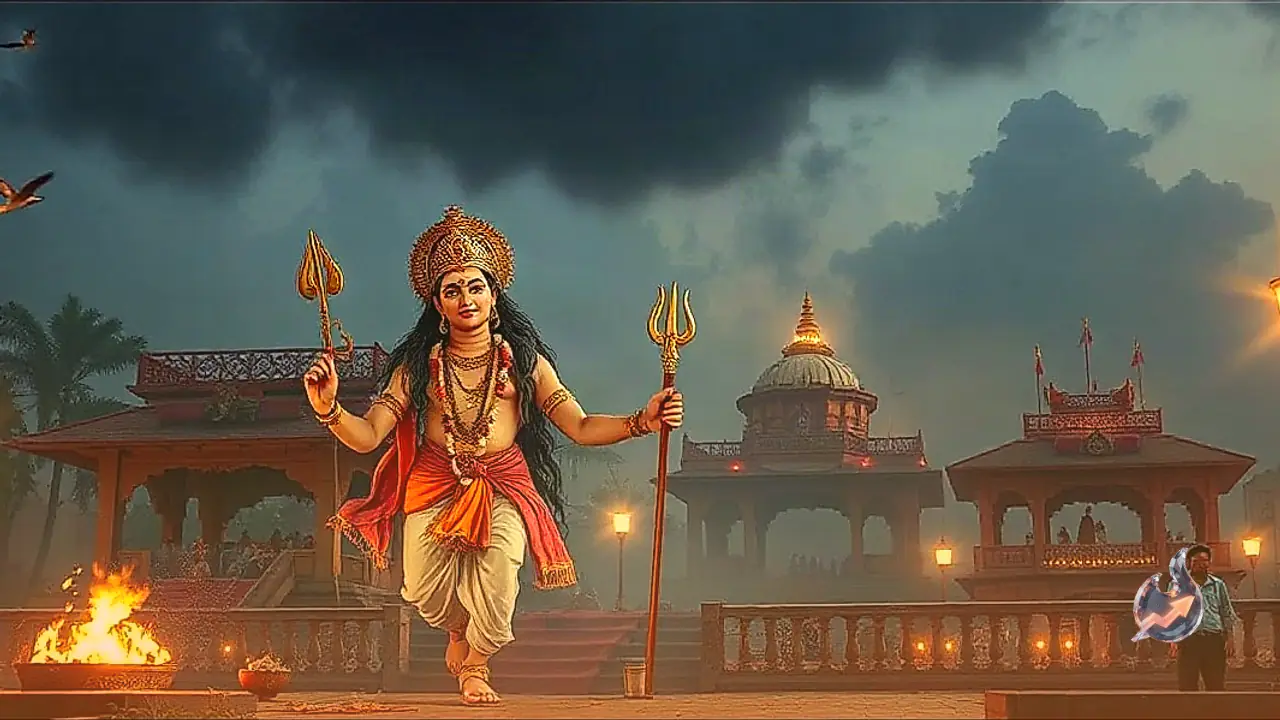
The sacred practice of Jalabhishekar and offering Ganga Jal to Lord Shiva is deeply rooted in the legendary event of Samudra Manthan, the churning of the cosmic ocean. Mythological texts describe how a deadly poison named Halahal emerged during the churning, posing an immediate threat of destruction to the entire universe. To safeguard creation, Lord Shiva willingly consumed the venom. However, instead of swallowing it, he retained the potent poison in his throat. This act caused his neck to turn blue, earning him the revered name of Neelkanth.
The overwhelming heat generated by the intense poison caused Lord Shiva's body temperature to rise rapidly, inflicting extreme burning sensations. Deeply concerned for his well-being, all the gods, goddesses, and revered sages gathered holy water from the sacred river Ganga and poured it over Lord Shiva's head. The soothing touch of the Ganga Jal cooled his body and relieved his distress. Pleased by their selfless devotion, Lord Shiva bestowed desired boons upon everyone present. Ever since that momentous event, offering water and performing Jalabhishekar with Ganga Jal during the month of Sawan became a timeless tradition aimed at expressing gratitude and seeking divine blessings.
Origin of the Sacred Bol Bam Chant
The widespread tradition of chanting Bol Bam while carrying Ganga Jal during Sawan is also connected to a fascinating legend involving Daksha Prajapati. Following a conflict, the attendants of Lord Shiva severed the head of Daksha Prajapati. Later, when reconciliation was sought, the head of a goat was attached to his body to restore his life. When Daksha Prajapati realized his past errors and wished to seek forgiveness from Lord Shiva, he attempted to speak. However, due to the goat's head, the only sound that emerged repeatedly from his mouth was the rhythmic noise of Bam-Bam.
Upon hearing Daksha Prajapati's unique manner of seeking pardon, Lord Shiva was immensely pleased and granted him forgiveness. This divine event established the practice among Shiva devotees, particularly Kanwar pilgrims, of chanting Bol Bam as they carry sacred Ganga Jal over long distances to offer it reverently upon the Shivling.
Spiritual Benefits of Fasting and Temple Worship
Observing a fast on Sawan Shivratri with strict discipline and sincere devotion is considered extraordinarily rewarding. Religious scholar Mahant Kameshwanand Vedantacharya notes that devotees who visit Shiva temples on this day to perform Jalabhishekar, present holy Ganga Jal, and offer prayers with an unshakeable faith receive special divine grace. The rituals performed during Sawan Shivratri are believed to eliminate obstacles, bring prosperity, and grant desired success in life. Devotees are encouraged to visit local temples, participate in the Abhishek ceremonies, and engage in heartfelt worship to experience spiritual fulfillment.