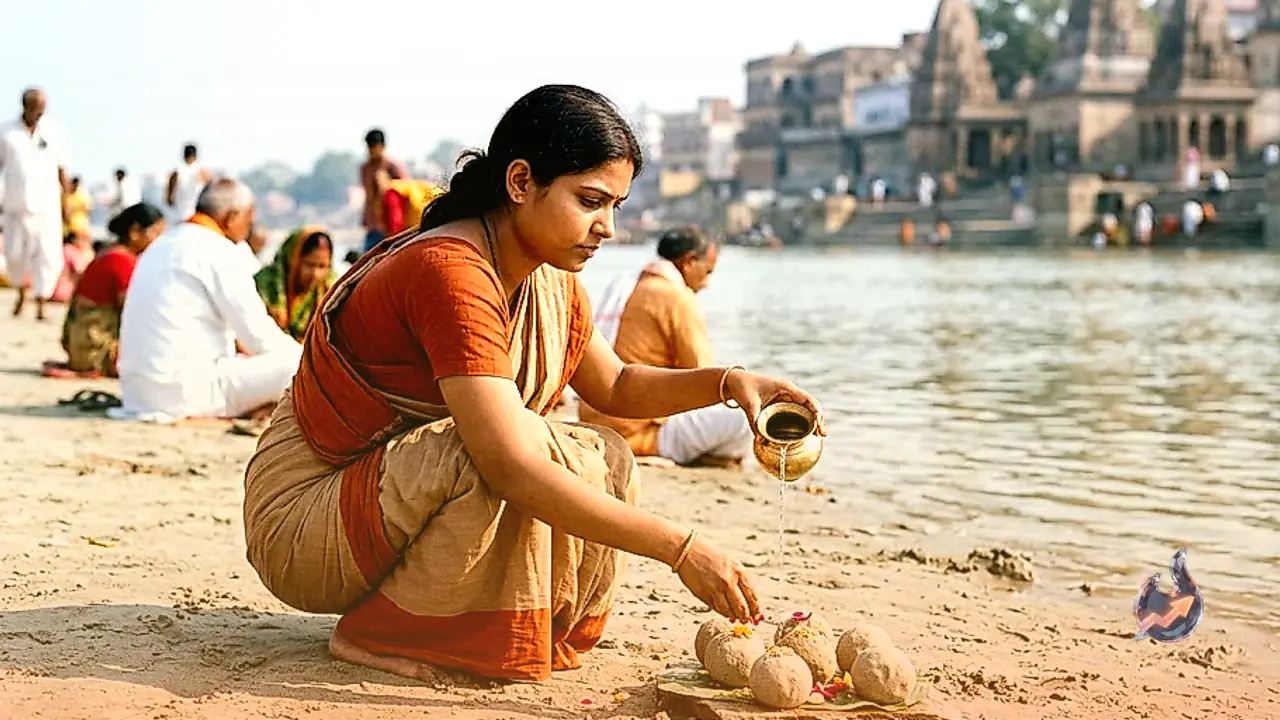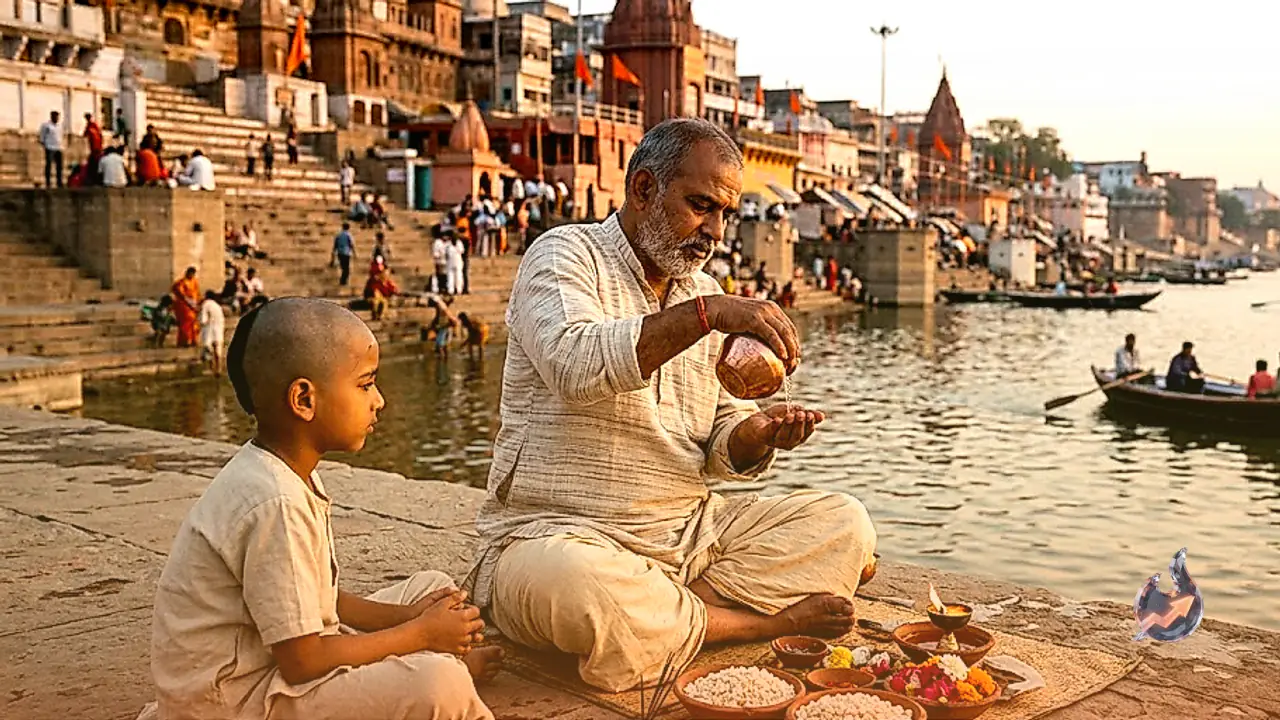























During the observance of Pitru Paksha, millions of devout followers travel across India to renowned pilgrimage destinations like Gaya, Prayagraj, and Haridwar to honor their departed ancestors. Among these revered sites, the sacred heritage of Kashi holds a unique position, earning recognition as the foremost threshold for ancestor deliverance. Scriptural customs mandate that when someone experiences an untimely or unnatural demise, performing ancestral rites in Varanasi is an essential prerequisite before traveling to Gaya. For the year 2026, the Pratipada cycle of Pitru Paksha commences on Saturday, September 26, whereas the inaugural memorial rites take place on Sunday, September 27, marking the beginning of nationwide tarpan and pinda daan ceremonies across sacred water bodies.
The Scriptural Reason Requiring Varanasi Prior to Gaya
Popular memory immediately associates the performance of shradh with Gaya, where offering pinda daan is traditionally believed to grant ancestors direct liberation. However, Vedic scholars based in Varanasi emphasize that specific circumstances necessitate an initial halt in Kashi. Whenever an individual loses their life due to vehicular accidents, suicide, violent homicide, or any other unnatural calamity, their soul faces the risk of lingering in a distressed spiritual plane known as the pret yoni. Scriptural tenets state that spirits caught in this unfulfilled state cannot directly reap the spiritual merits of rituals conducted at Gaya.
Transitioning from Unsettled Spirit to Ancestral Realm
To address this spiritual impasse, designated rituals are conducted in Kashi to relieve the departed entity of afflictions associated with unnatural death. According to established local tradition, carrying out prescribed shradh ceremonies in Kashi enables the wandering soul to break free from the pret yoni and enter the elevated lineage realm of pitru yoni. Once the deceased successfully transitions into an ancestral status, any subsequent pinda daan presented at Gaya brings genuine satisfaction and guides the soul toward ultimate liberation. Consequently, families that have suffered the tragic loss of loved ones through untimely incidents prioritize visiting Varanasi to finish these foundational rites before proceeding onward to Gaya.
Significance of Pishachmochan Kund and Manikarnika Ghat
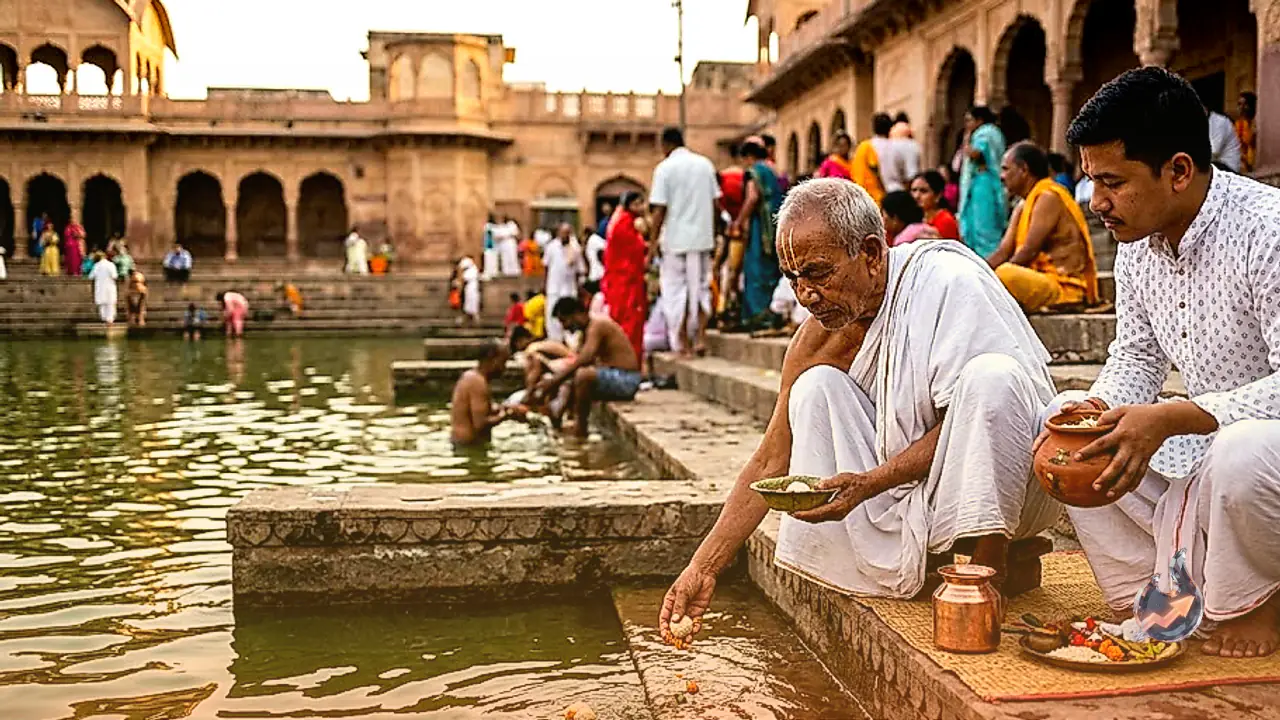
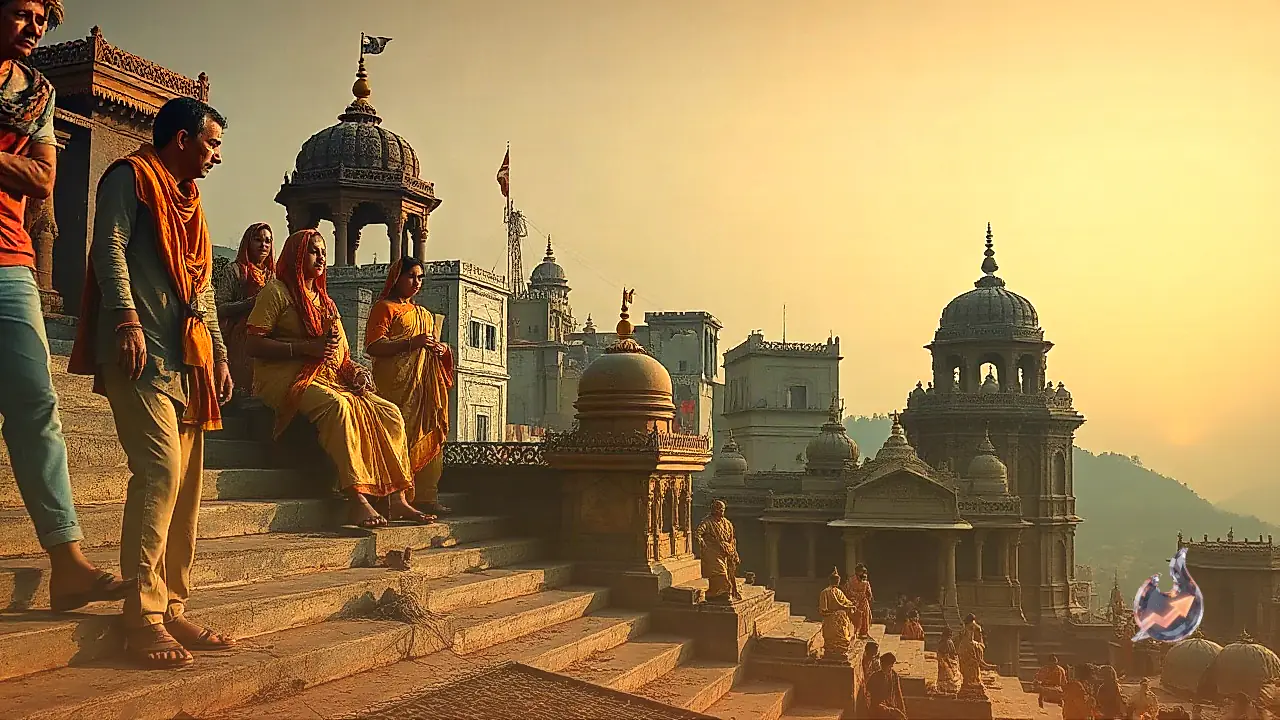
Two holy locations within Varanasi serve as the central stages for these specialized commemorative procedures, namely Pishachmochan Kund and Manikarnika Ghat. Pishachmochan Kund stands as the preeminent sanctuary for neutralizing the spiritual consequences of premature demise. At this sacred reservoir, priests administer complex Vedic ceremonies including Narayan Bali, Tripindi Shradh, and traditional pinda daan offerings. Devotees firmly hold that purifying oneself in the waters of the kund and offering oblations grants relief and contentment to unappeased souls.
Conversely, Manikarnika Ghat is intrinsically linked with the ultimate pursuit of spiritual liberation. Regarded across the holy city as the supreme cremation ground, tradition recounts that Lord Shiva personally imparts the sacred Taraka mantra to departed beings at this spot. Offering water oblations and tarpan along the banks of Manikarnika is revered as exceptionally fruitful for securing the elevated spiritual welfare of ancestors. The determination of which specific ritual occurs at either location depends upon the precise circumstances surrounding the individual's passing alongside the guidance of the family priest.
Comprehensive Schedule of Shradh Dates for Pitru Paksha 2026
For pilgrims planning their ancestral observances, the authoritative sequence of dates for the 2026 commemorative fortnight is arranged as follows
- Saturday, September 26: Purnima Shradh
- Sunday, September 27: Pratipada Shradh
- Monday, September 28: Dwitiya Shradh
- Tuesday, September 29: Tritiya Shradh and Maha Bharani
- Wednesday, September 30: Combined Chaturthi and Panchami Shradh
- Thursday, October 1: Shashthi Shradh
- Friday, October 2: Saptami Shradh
- Saturday, October 3: Ashtami Shradh
- Sunday, October 4: Navami Shradh
- Monday, October 5: Dashami Shradh
- Tuesday, October 6: Ekadashi Shradh
- Wednesday, October 7: Dwadashi and Magha Shradh
- Thursday, October 8: Trayodashi Shradh
- Friday, October 9: Chaturdashi Shradh
- Saturday, October 10: Sarva Pitru Amavasya concluding rites