





















India is home to a diverse array of religions and communities, each practicing its own distinct funeral customs and traditions. Among these, the final rites observed by the Parsi community stand out as markedly different from the rest. According to traditional Zoroastrian tenets, a deceased human body is neither cremated by fire nor buried underground. Instead, the mortal remains are placed atop a specially constructed high and open-air structure known as a Dakhma. Globally and in English terminology, this unique edifice is referred to as the Tower of Silence.
The Architecture and Function of a Dakhma
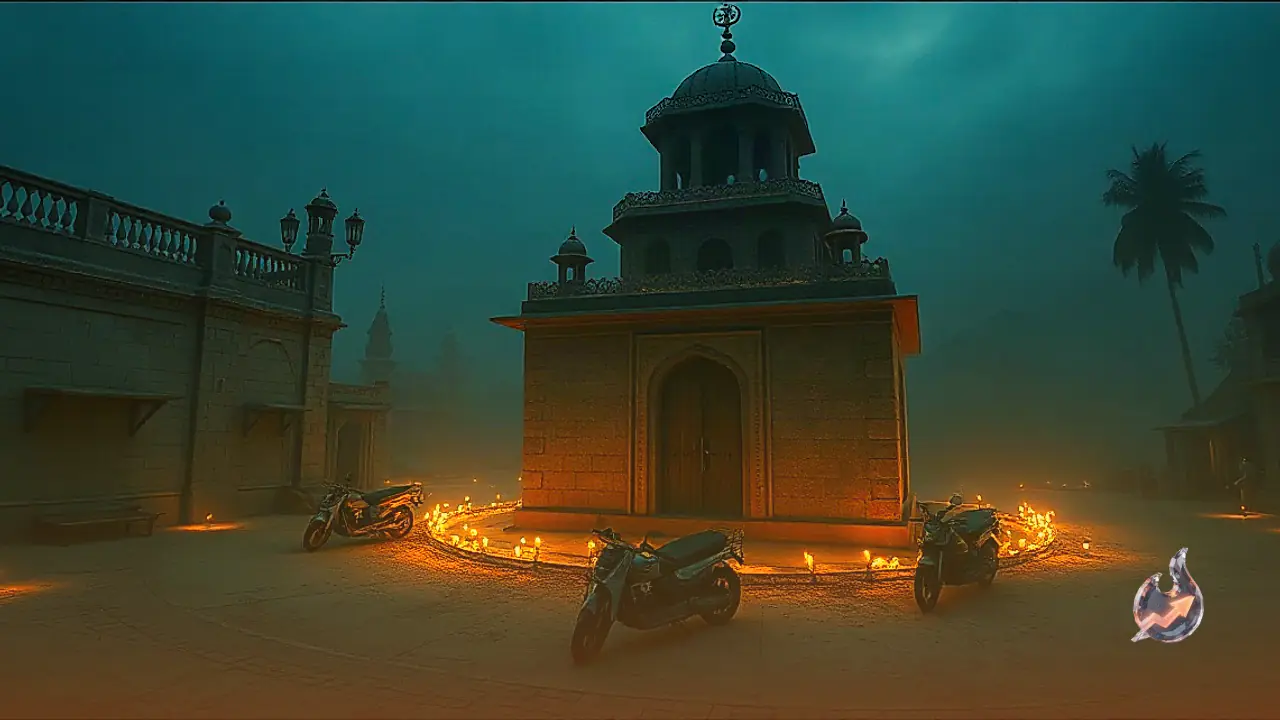
A Dakhma is typically constructed as a tall, circular structure with an open top. Under traditional arrangements, the dead body is laid out in the open here, where it remains exposed to the sun, wind, and surrounding natural elements. Historically, carnivorous birds such as vultures have also played an active role in this natural decomposition process. As time passes, the soft tissues of the body break down, leaving behind only skeletal remains. These bones are eventually gathered and placed into a central pit within the Dakhma, where they naturally disintegrate over time.
The Religious Rationale Behind Avoiding Burial and Cremation
Deep-seated religious doctrines of the Zoroastrian faith govern this distinct practice. Within this tradition, earth, water, and fire are regarded as profoundly sacred and pure elements. According to traditional belief, bringing a dead body into direct contact with these natural elements would defile their purity. Consequently, rather than opting for traditional burial or cremation, the community instituted a method that allows the body to decompose through natural exposure without contaminating the primary elements.
How the Funeral Procedure Is Carried Out
Following the completion of necessary religious rituals, prayers, and final respects, the body of the deceased is transported to the Dakhma. Under traditional protocols, the body is placed in its designated spot within the structure and left exposed to the natural elements. Historical descriptions of these sites indicate that the interior of a Dakhma historically featured separate designated sections for men, women, and children.
Modern Challenges Facing the Ancient Tradition
The contemporary reality of this ancient tradition differs significantly from its historical past. Particularly in India, a sharp and widespread decline in the vulture population has created logistical and environmental challenges regarding the timely natural decomposition of bodies inside certain Dakhmas. Due to these changing ecological conditions, modern practitioners and community managers have had to adapt various arrangements and methods across different locations.
The Significance of the Tradition in Parsi Culture
The Tower of Silence serves as much more than a mere disposal site for the dead; it represents a core pillar of Parsi religious philosophy and their respectful outlook toward nature. The primary objective of this practice is to prevent sacred natural elements like earth, water, and fire from being polluted during the final rites. Because of these enduring principles, this ancient funeral tradition, practiced for thousands of years, remains a vital and defining marker of Parsi identity and culture.