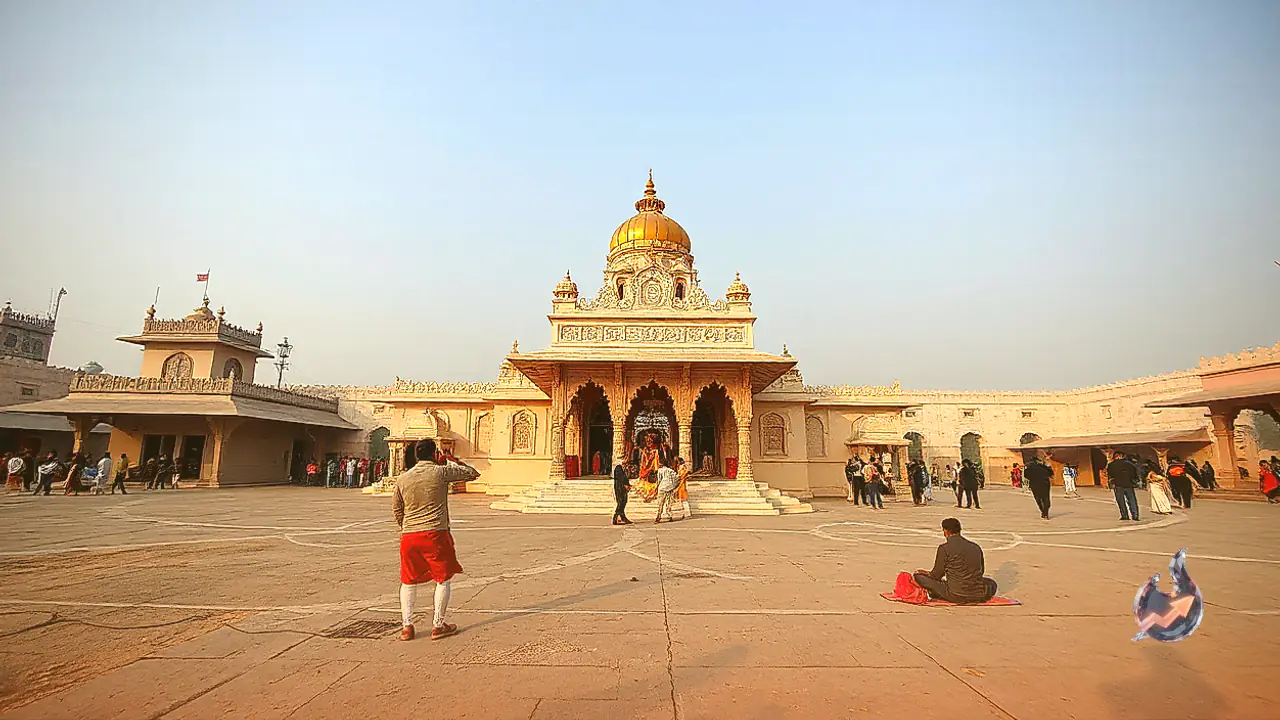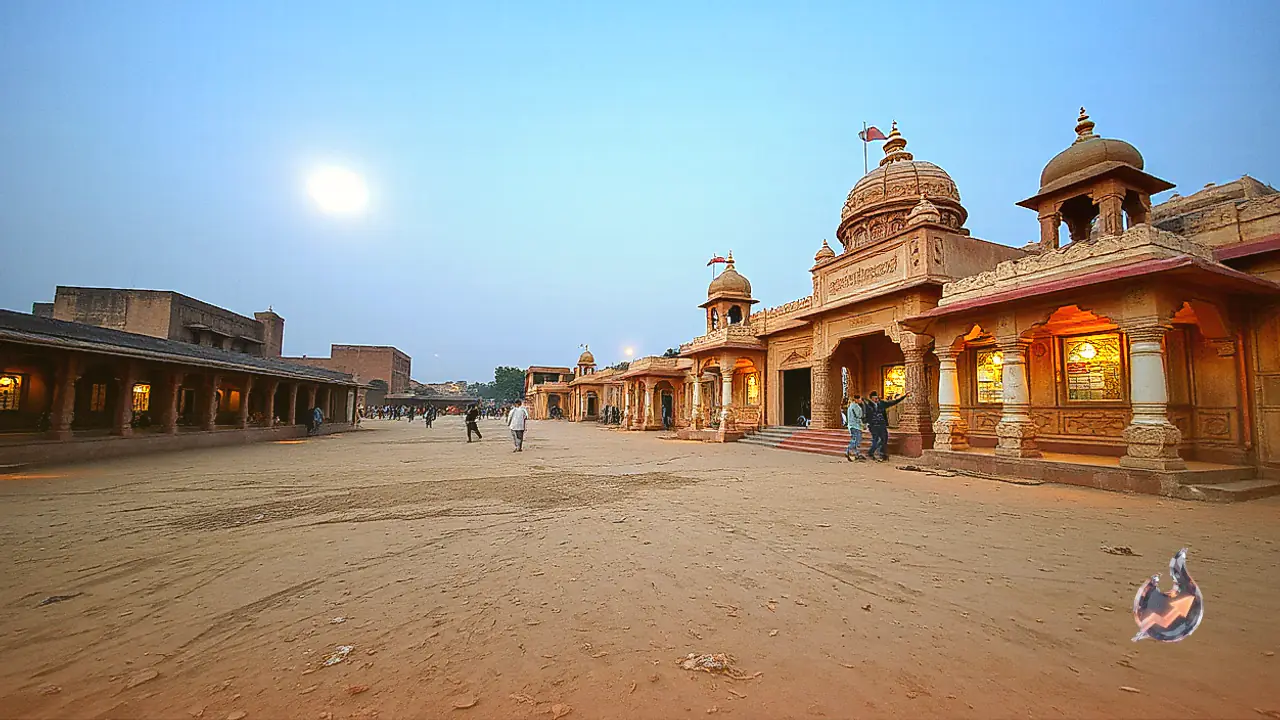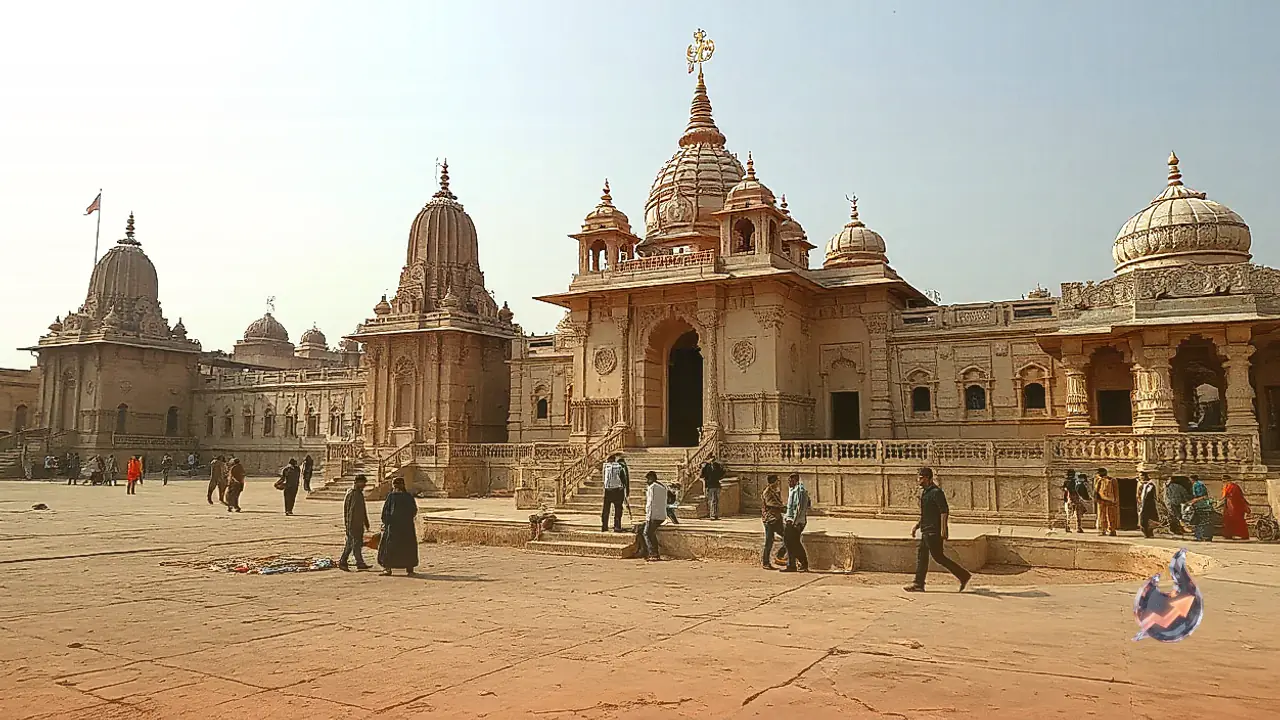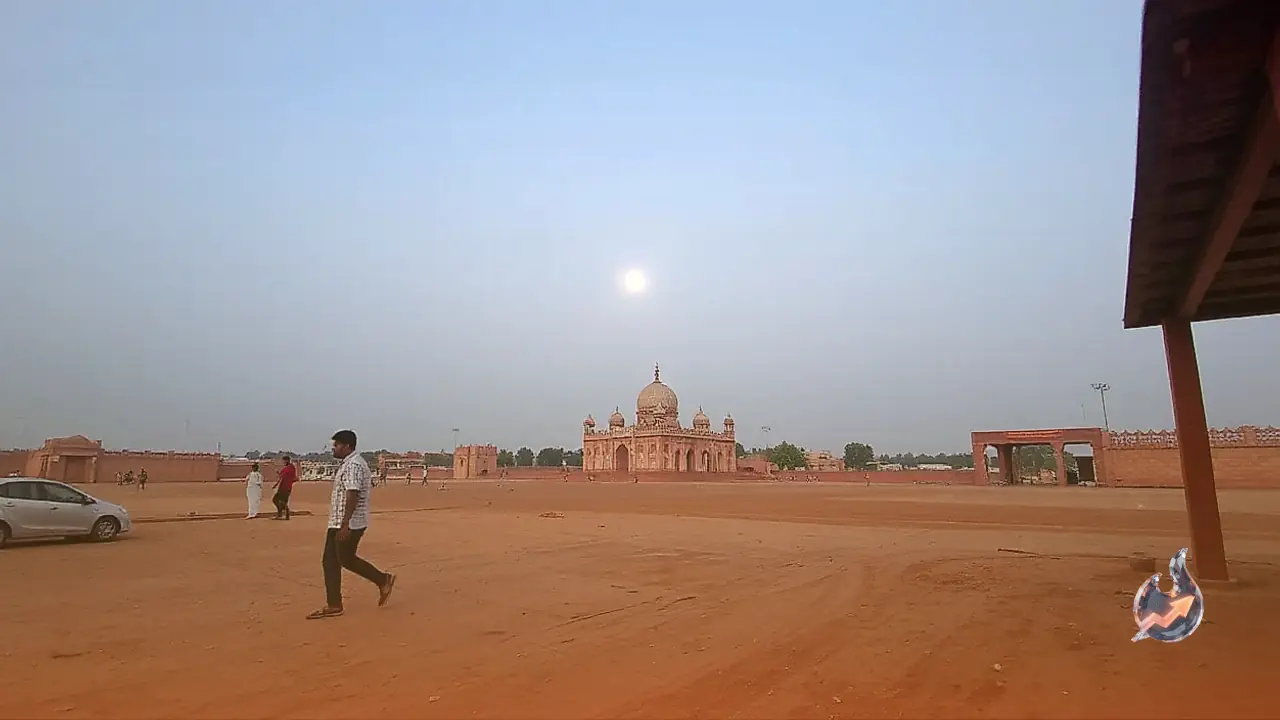


















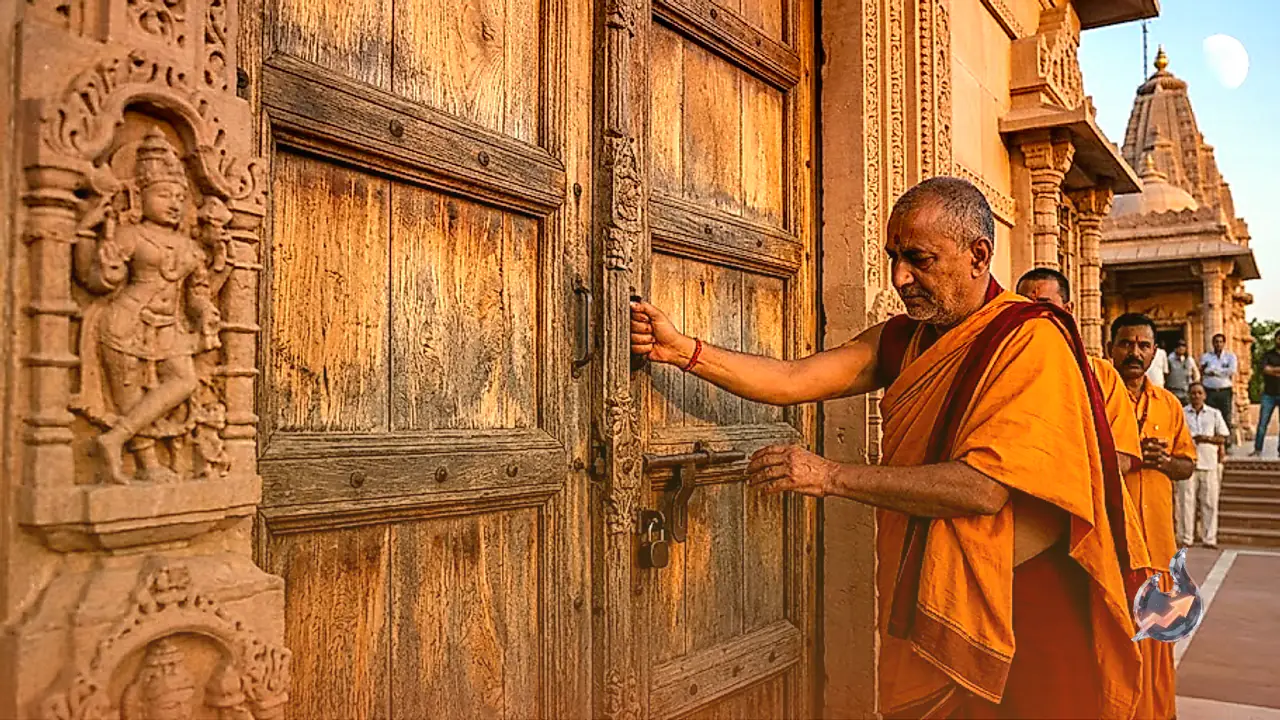

Whenever a lunar eclipse approaches, a wave of traditional preparations begins across households and places of worship. Families routinely cover cooked food items and drinking water, often inserting holy basil leaves to maintain spiritual purity. Concurrently, a prominent question often arises among devotees: why are temple gates locked and regular worship suspended as soon as Sutak Kaal commences? This custom is widely observed across various regions and remains deeply interconnected with ancient spiritual principles and cultural heritage.
The Concept of Sutak and Energy Shifting Beliefs
According to traditional Hindu belief systems, the duration of an eclipse is regarded as a distinct phase that differs significantly from routine daily hours. Hours before the actual celestial alignment occurs, the timeframe known as Sutak Kaal sets in. Canonical texts specify that Sutak is unsuitable for performing daily ritualistic offerings, consecrated ceremonies, or touching deity idols. The underlying spiritual tradition holds that environmental energy undergoes a surge in subtle negative influences during this period. To preserve the sanctity of the main altar and sanctum sanctorum, priests pause public darshan, suspend daily rituals, and draw the temple gates shut.
Regional Variations and Post-Eclipse Purification Ceremonies
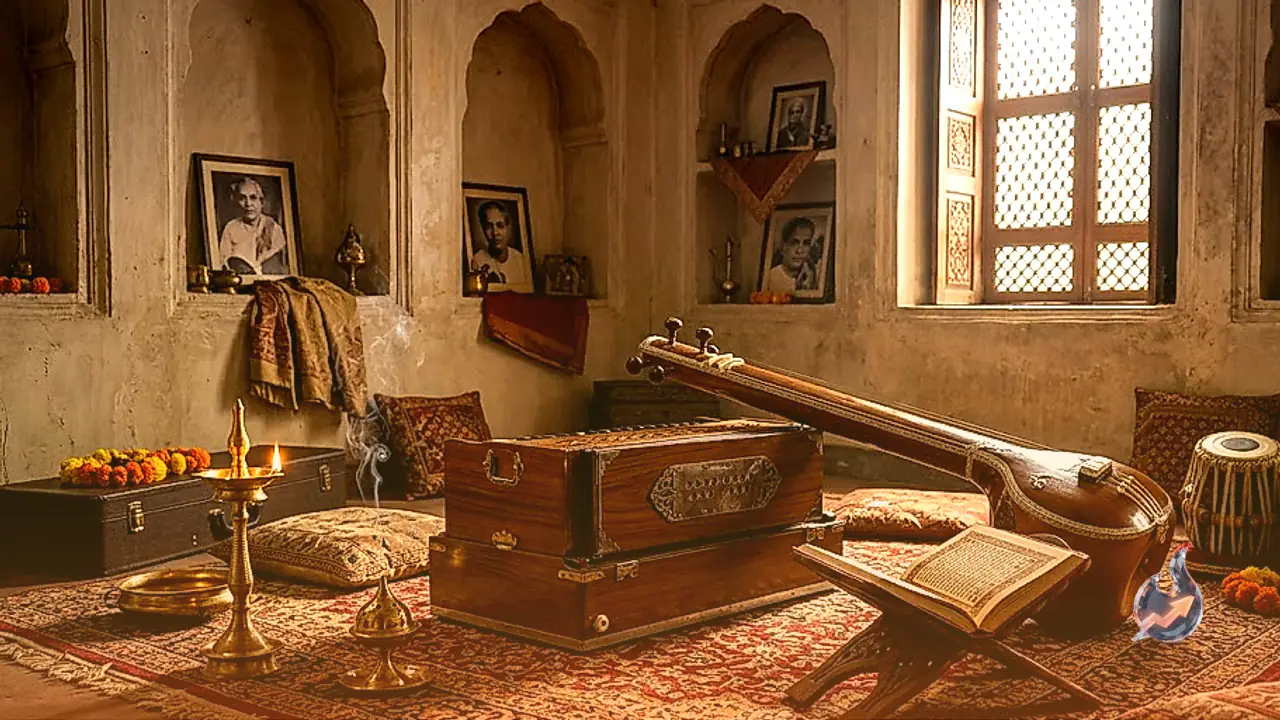
The exact protocols surrounding eclipse closures are not completely uniform across every shrine in the country. Distinct temples and sacred pilgrimage destinations adhere to guidelines governed by their respective traditional charters and local customs. While several prominent temples seal their doors precisely at the start of Sutak Kaal, others adjust their timings based on regional practices. Once the eclipse concludes, the temple premises undergo rigorous cleaning. Idols are given a ceremonial bath, purified with holy water, and re-adorned. Only after these elaborate purification rites are finished are special prayers offered and the shrine doors reopened to public visitors.
Focusing on Meditation and Internal Worship
Although formal congregational temple rituals are paused during an eclipse, traditional scholars emphasize that this period is exceptionally valuable for personal spiritual reflection. Rather than performing external physical rituals or idol worship, individuals are advised to engage in internal contemplation, silent meditation, and mantra recitation. Focusing inward during these hours is believed to yields mental clarity. Consequently, many households halt standard ritual activities and spend the eclipse hours reading scriptures or quietly chanting. Taking a purifying shower and thoroughly cleaning the living quarters after the eclipse ends remains a widespread domestic custom.
The Astronomical Reality versus Cultural Practices
From a modern scientific vantage point, a lunar eclipse is strictly a natural astronomical phenomenon. It occurs when Earth passes directly between the Sun and the Moon, casting a planetary shadow across the lunar surface. Physical science does not mandate the closure of buildings or the cessation of daily activities during an eclipse, nor does it recognize any atmospheric harmful rays specific to this event. Therefore, the practice of shuttering temple sanctums during Sutak Kaal is best understood as a cherished cultural tradition, anchored in centuries of faith, reverence, and communal heritage.