























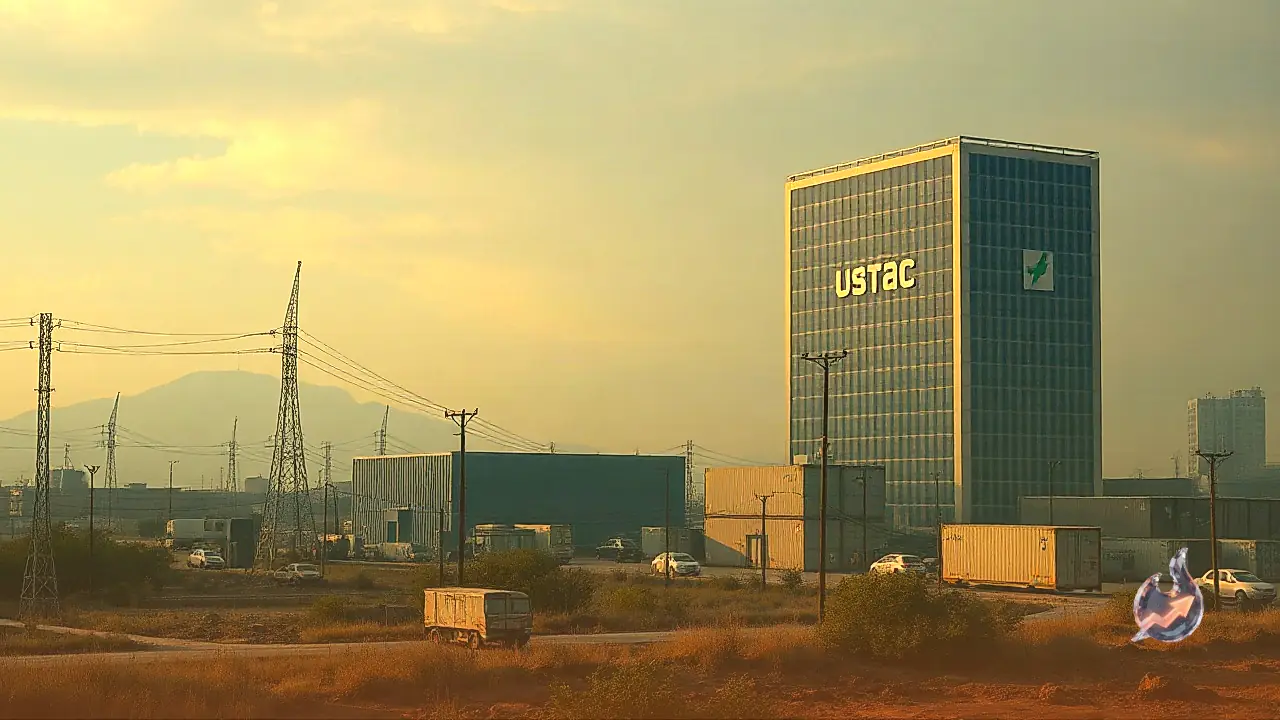

A sharp rise in public hostility toward data center development across the United States has left the tech industry and its political supporters grappling with unprecedented grassroots resistance. Recent public opinion surveys reveal that a staggering 75 percent of Americans now oppose the construction of new data centers in their local communities, representing a dramatic surge from the 42 percent opposition recorded just a year ago. This swelling tide of discontent is fundamentally altering the political landscape, compelling elected officials from both major parties to reconsider their previously enthusiastic endorsements of massive computing facilities. High-profile leaders, including Texas Governor Greg Abbott and Pennsylvania Governor Josh Shapiro, who once championed data center investments as engines of economic growth, have noticeably recalibrated their messaging as midterm elections draw near. Seeking to align themselves with increasingly vocal constituents, these governors are now attempting to project a stern, protective stance against the rapid expansion of hated industrial computing infrastructure.
The Emergence of the China Scapegoat Narrative
As state and local politicians back away from computing infrastructure projects to avoid voter retribution, some conservative figures and prominent technology proponents are doubling down on a very different explanation for the public backlash. Rather than attributing the widespread opposition to genuine community grievances regarding soaring electricity bills, massive water consumption, or noise pollution, industry defenders are pointing fingers at foreign adversaries, specifically the Chinese government. This narrative gained significant momentum following an announcement from social media platform X, which reported identifying approximately 200 accounts allegedly linked to China that were actively disseminating anti-data center propaganda across the platform.
The announcement triggered a flurry of sensationalized headlines and online commentary across right-wing media channels, framing the local resistance as a coordinated foreign disinformation campaign. Former President Donald Trump quickly amplified this view in a post on Truth Social, declaring that China could not be happier with the anti-data center movement while reiterating his passionate advocacy for expanding computing infrastructure under the banner of letting data reign. However, the idea that foreign actors are masterminding American opposition to data centers is not entirely new. Throughout the spring, several right-wing policy institutes published reports accusing the Chinese Communist Party of deliberately seeding hostility against technological development among the American public. Similarly, artificial intelligence developer OpenAI reported in June that it had banned a cluster of accounts associated with the Chinese government that were allegedly testing narratives aimed at undermining AI infrastructure development.
Thin Evidence and Disproportionate Bot Network Claims
Despite the high-profile claims from technology executives and political commentators, independent analysts and experts on Chinese cyber operations maintain that the evidence supporting claims of widespread foreign meddling is remarkably flimsy. Policy reports circulating within Washington DC rely heavily on unverified assumptions, speculative connections, and broad insinuations rather than tangible, hard evidence. A closer examination of the intelligence releases reveals a stark gap between the sensational claims and reality.
For instance, when OpenAI disclosed its account suspensions in June, the company acknowledged that the identified foreign accounts were not generating new anger from scratch, but were merely attempting to capitalize on already existing domestic discontent surrounding data centers. Furthermore, the 200 anti-data center accounts identified during the recent purge on X represented a minuscule fraction of a vastly larger bot farm operation comprising over 200,000 total accounts. The anti-infrastructure accounts amounted to just one-tenth of one percent of the overall bot network, suggesting that the topic was merely an incidental tag on a broad-based spam operation rather than a focused, strategic campaign targeting American infrastructure.
Intelligence specialists at social media analytics firm Graphika, which closely tracks digital sentiment around technology infrastructure, confirmed that the overwhelming majority of opposition to data centers remains entirely homegrown. While international actors occasionally monitor or amplify contentious domestic debates in the United States, there is virtually no evidence indicating that foreign intervention is driving or significantly influencing the massive public pushback seen across American towns and cities.
Contradictions and Industry Skepticism
The persistence of the foreign influence narrative has raised questions even among dedicated proponents of data center development. Andy Masley, an influential technology blogger whose research is supported by a grant from the effective altruist philanthropy group Coefficient Giving, has frequently voiced strong support for expanding digital infrastructure. However, Masley expresses deep skepticism toward attempts to blame China for the public's negative reaction. He noted that whenever he presses tech industry advocates for concrete evidence of Chinese interference, the conversation quickly stalls.
Masley suggests that the China narrative serves as a highly convenient excuse for industry boosters who find it difficult to accept that ordinary citizens genuinely dislike living near massive server farms. He pointed out that many figures within the technology sector previously adopted right-wing political talking points, believing that conservative audiences automatically respond to rhetoric targeting China. To test the validity of these claims, Masley issued a public call requesting any insider documentation or verified intelligence proving Chinese government intervention in local data center disputes, but reported receiving no substantive evidence.
Furthermore, analysts note a fundamental logical contradiction in the arguments put forward by right-wing commentators. Critics simultaneously claim that China is attempting to sabotage American data center construction while complaining that Chinese technology firms are actively stealing American artificial intelligence breakthroughs. Because advanced AI development relies entirely on the processing power supplied by data centers, it makes little strategic sense for an adversary to undermine the very infrastructure supporting the technologies it allegedly seeks to acquire.
The Externalization of Internal Domestic Grievances
Experts in international relations and political messaging suggest that the rush to blame foreign entities reflects a longstanding tendency within American political culture. Louise Matsakis, a business editor and specialist on Chinese policy, observes that intense public panics over Chinese interference often reveal more about domestic anxieties than about the actual activities of foreign states. The widespread adoption of the China scapegoat narrative illustrates a fundamental misunderstanding of how foreign intelligence and influence operations typically function.
Rather than addressing real structural challenges—such as the massive energy demands of modern computing, the strain placed on local water supplies, or the perceived lack of accountability among large tech corporations—politicized narratives provide a convenient external scapegoat. By framing local opposition as the product of foreign manipulation, industry leaders and policymakers avoid confronting the uncomfortable reality that American voters are reacting to the direct, tangible impacts of technology infrastructure on their daily lives and local environments.
Automation, Job Loss, and Escalating Legal Battles
Beyond environmental and energy concerns, growing public skepticism is driven by economic realities that contradict industry promises of local job creation. While data center developers frequently promise economic windfalls when securing local zoning permits and tax incentives, the long-term employment benefits are increasingly shrinking due to advanced automation. Major technology companies, including Meta, are aggressively pursuing plans to deploy robotic workforces inside their data centers. This automated vision extends beyond automated server maintenance to encompass facility operations, drastically reducing the need for human personnel.
The push toward full automation threatens not only high-tech engineering jobs but also essential support roles. Facilities that once employed local residents in cafeterias, maintenance teams, and janitorial services are seeking to automate these tasks to slash operational costs. This reality is particularly stark in states like Texas, which leads the nation in new data center construction yet simultaneously faces high unemployment rates among recent college graduates, highlighting a growing disconnect between massive corporate technology investments and meaningful local job creation.
At the same time, efforts by utility companies and tech giants to maintain secrecy around data center deals have fueled intense public anger and legal conflicts. In Arkansas, electric utility provider Entergy sought a court restraining order against the local newspaper Arkansas Democrat-Gazette after details of a confidential data center deal with Google were published. The newspaper had legally obtained the documents through a public records request submitted by a local resident. Entergy claimed that proprietary trade secrets had been inadvertently released and took legal action that dragged the local citizen who filed the records request into court proceedings, provoking widespread outrage over transparency and public oversight.
As these local conflicts intensify across the country, state legislatures are preparing for a major showdown. A massive wave of proposed state-level legislation targeting data center energy usage, water rights, tax incentives, and public disclosure requirements is heading into the 2026-2027 legislative sessions, signaling that the battle over the physical footprint of artificial intelligence is only just beginning.