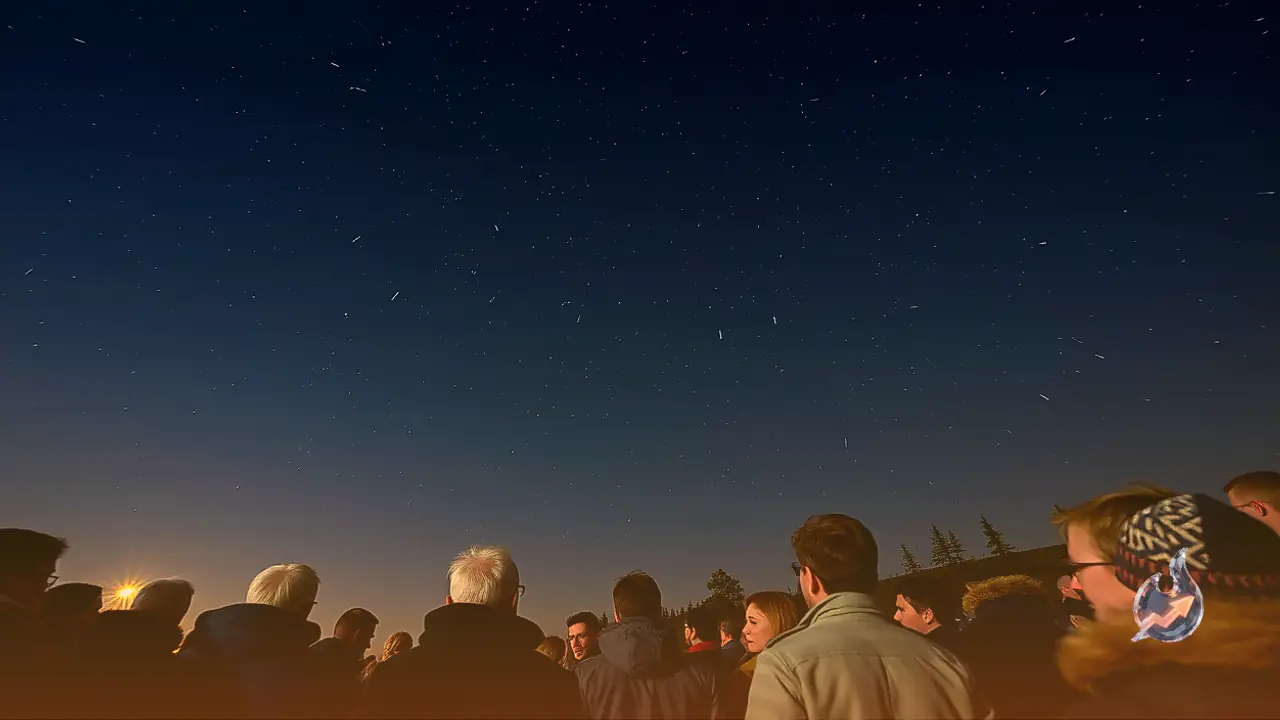





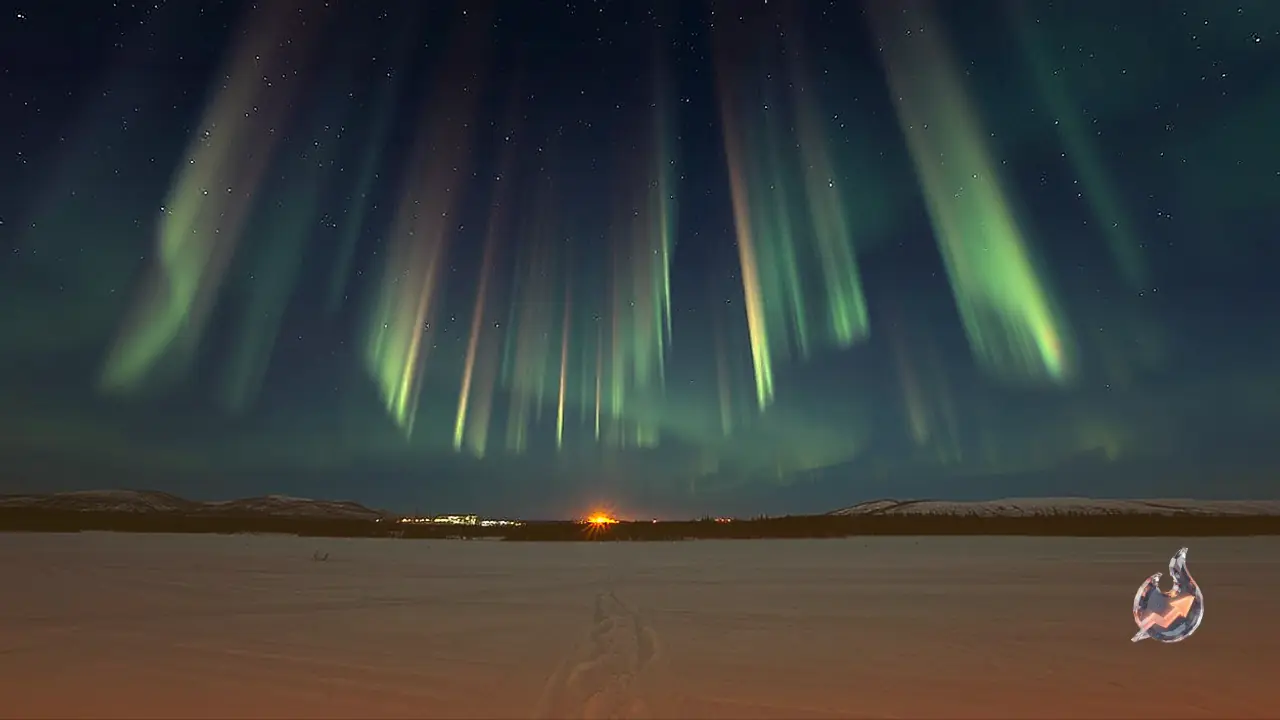
















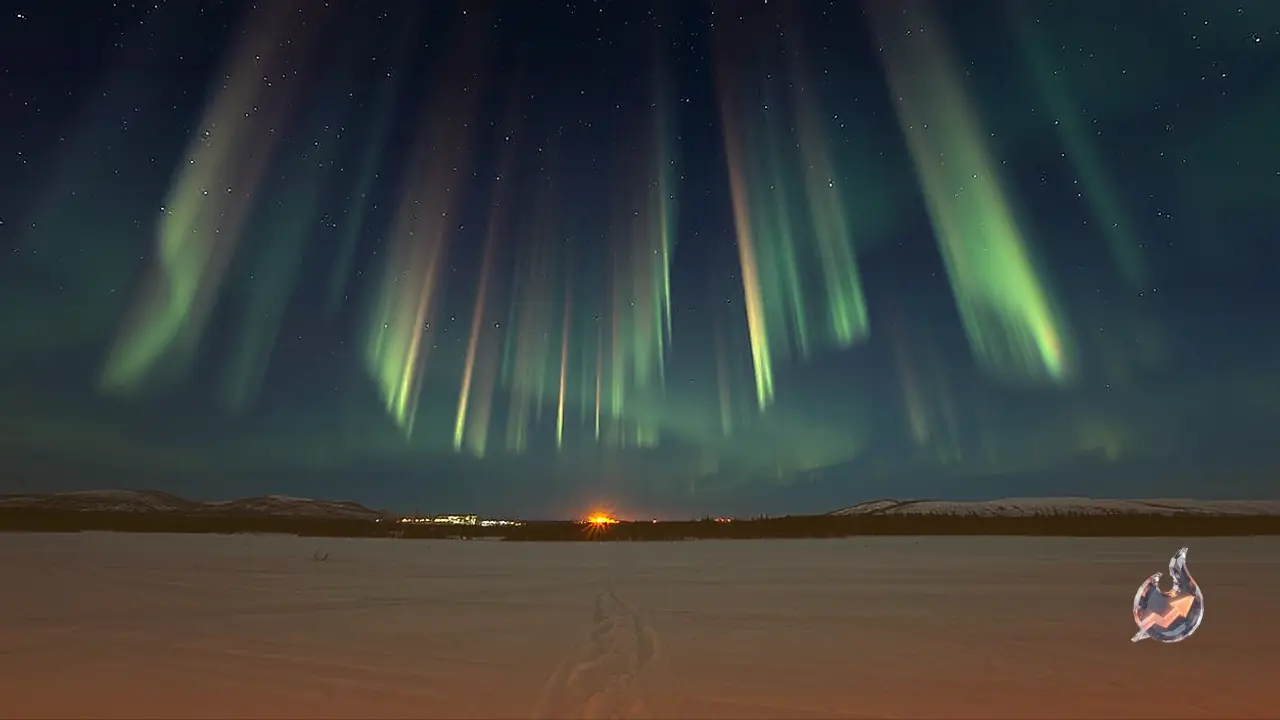

During freezing winter nights, seeing long and brilliant streaks of light stretching upward from street lamps straight into the sky feels almost like a magical illusion. It creates the striking impression that massive pillars of light have been erected across the heavens. However, this mesmerizing sight is not a miracle at all, but rather a fascinating natural phenomenon rooted entirely in science, widely known as light pillars.
Light pillars appear as long, straight, and luminous bands in the sky. They commonly emerge directly above street lamps, building illumination, or other sources of artificial light. Under certain specific conditions, sunlight and moonlight can also generate similar pillars of illumination. This breathtaking display is observed primarily in extremely cold regions where the air is filled with microscopic ice crystals floating around.
The creation of light pillars relies fundamentally on the interaction between ice crystals and light sources. This entire process can be broken down into three simple stages. In the first stage, during severe cold weather, extremely tiny ice crystals float freely in the air, often being so minute that they are difficult to spot with the naked eye. In the second stage, light emanating from street lamps or buildings strikes these crystals, whose flat surfaces act like tiny mirrors capable of reflecting the light. In the third and final stage, when a vast number of these crystals align favorably, the light reflected from them travels directly to our eyes. The combined illumination merges to form a long, glowing band in the sky. In reality, no physical pillar is ever constructed in the atmosphere; rather, it is purely an optical effect produced by light and ice crystals.
A common question that arises is whether light pillars can be witnessed on every single cold night. The answer is no. Merely having low temperatures is not enough. The air must contain ice crystals, their orientation must be favorable, and there must be sufficient surrounding light. Only when all of these specific conditions align simultaneously can this remarkable spectacle be observed.
The color of light pillars can also vary significantly depending on the light source. Pillars formed by yellow street lights can appear golden, while those generated by white lights look distinctly white. Additionally, pillars formed by ambient light around sunset may display vibrant shades of orange or red.
Are these glowing phenomena dangerous in any way? Light pillars are entirely harmless by nature. They represent a natural optical occurrence and do not serve as a warning sign for any impending disaster. Nevertheless, in regions where such occurrences are common, standard precautions related to bitter cold and snowy conditions remain essential.
The most intriguing aspect of these glowing pillars standing tall in the sky is that they are simply the result of light reflected off tiny ice crystals floating in the atmosphere. The right weather conditions, proper lighting, and favorable crystal alignment come together to create a view that at first glance looks straight out of a science fiction film.