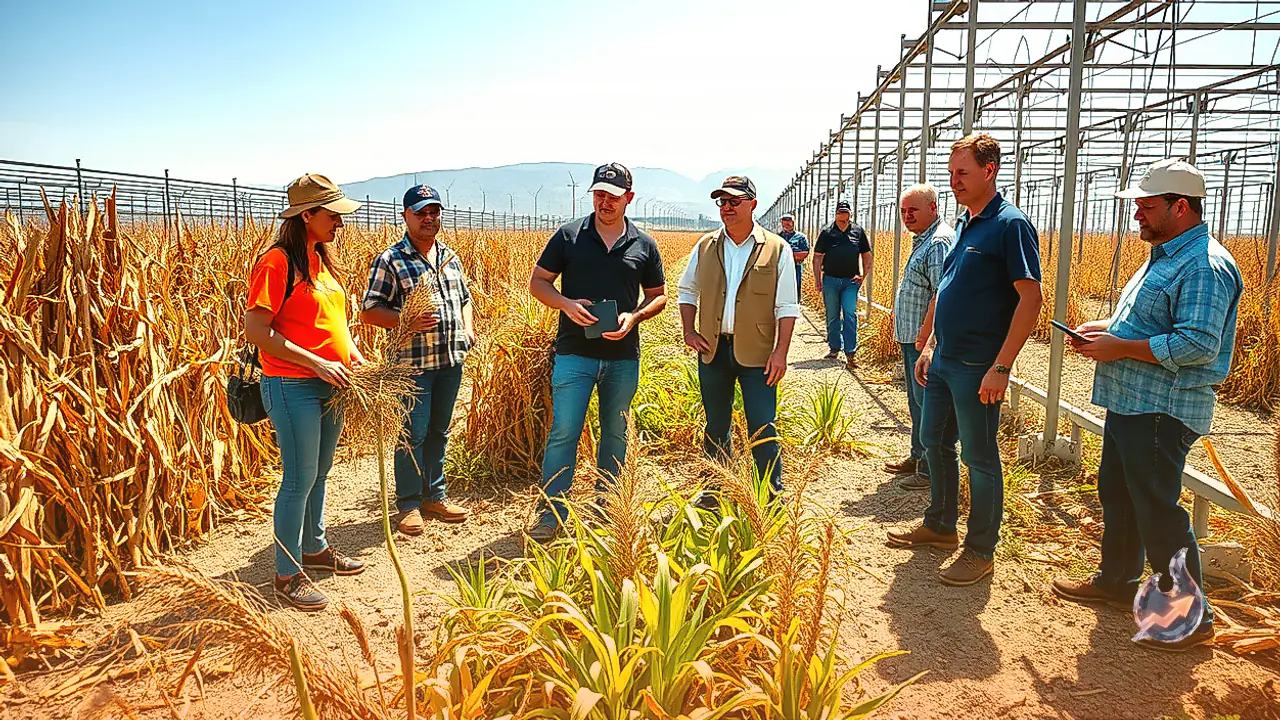























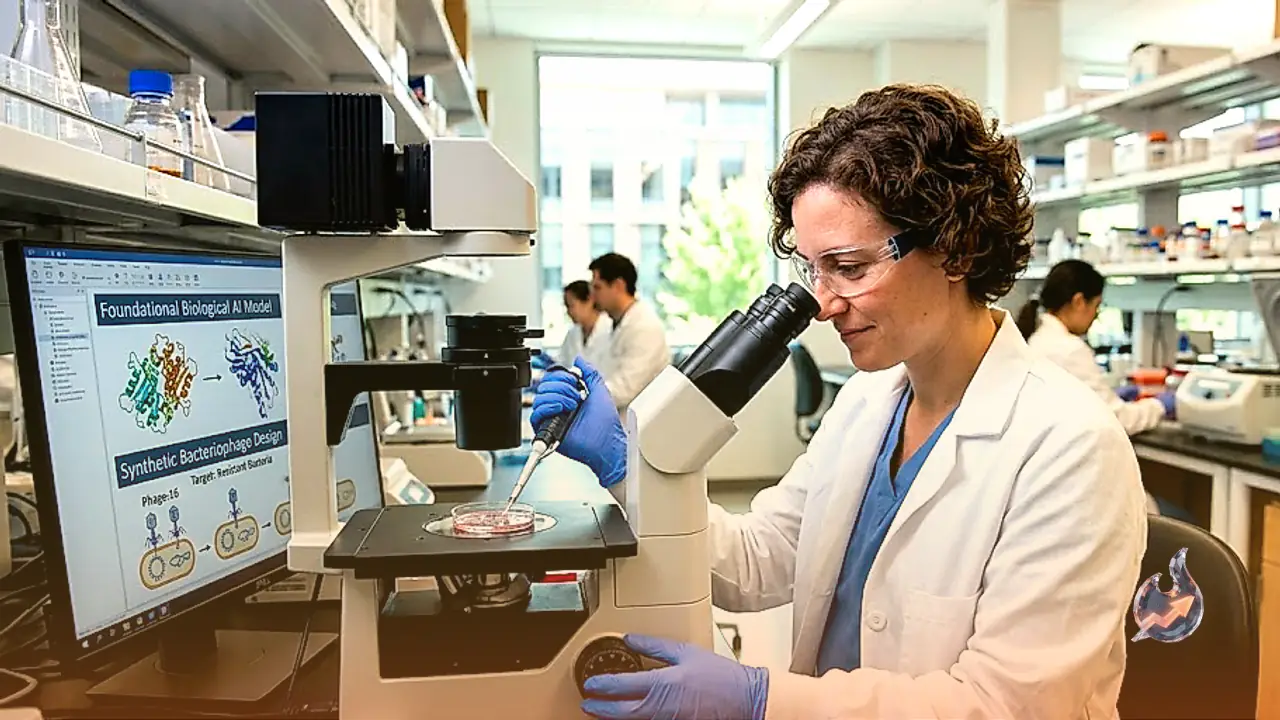

Artificial intelligence has crossed a profound threshold in life sciences as researchers from Stanford University and the Arc Institute successfully created 16 functional synthetic viruses entirely designed by computational algorithms. Historically, synthesizing viral genomes in laboratory environments involved replicating known pathogens or making minor genetic modifications to existing biological structures. In contrast, this new study utilized generative biological AI models to construct previously unseen viral genomes from scratch. While this breakthrough offers promising avenues for tackling antibiotic-resistant superbugs, it also intensifies global biosecurity debates regarding the potential misuse of automated biotechnology.
Moving Beyond Cloning: Generative AI Constructs Novel Genomes
For years, molecular biologists have synthesized viruses in controlled laboratory settings primarily to evaluate antiviral therapeutics, test vaccines, and study viral mechanics. However, those efforts relied heavily on copying or tweaking natural pathogen templates. Breakthrough findings published in the journal Science demonstrate that generative algorithms trained on vast genomic libraries can bypass natural replication. By analyzing genetic sequences from millions of animals, plants, bacteria, and viruses across all domains of life, the AI models identified core evolutionary principles to assemble completely original genomic blueprints.
Bacteriophages: Precision Tools Against Antibiotic Resistance
The research team focused their experimental efforts on bacteriophages, specialized viruses that infect and destroy bacterial cells without posing a threat to human tissue. Because bacteriophages possess relatively compact genomes, they are well suited for chemical synthesis and manipulation in lab environments. As global health authorities warn of rising antibiotic resistance, synthetic phages represent a critical frontier for developing targeted biological therapies against severe microbial infections.
The Generative Architecture: Evo 1 and Evo 2
To design the synthetic organisms, researchers employed Evo 1 and Evo 2, foundational artificial intelligence models developed specifically for computational biology applications. These algorithms were trained on massive genomic datasets to learn structural constraints, gene layout rules, and essential regulatory mechanisms required for an organism to remain biologically viable. The research team used Phi X-174, a natural bacteriophage known to infect Escherichia coli (E. coli), as a structural baseline. Rather than instructing the AI to clone Phi X-174, scientists used its functional architecture as a guide, prompting the algorithms to generate thousands of novel genomic combinations compatible with invading E. coli.
From Computer Code to Living Synthetic Entities
After the AI models generated thousands of theoretical genome designs, scientists evaluated them based on regulatory element placement, structural coherence, and predicted biological functionality. From this computational screening, 300 candidate genomes were selected for physical realization. Researchers chemically synthesized these 300 genomes molecule by molecule in the laboratory and introduced them into host E. coli cells. Out of 300 synthesized candidates, 16 gave rise to fully functional, living bacteriophages. These 16 synthetic viruses exhibited completely unpublished genetic sequences, novel gene combinations, diverse genome sizes, and varying infection rates.
Neutralizing Drug-Resistant Bacterial Strains
The study evaluated the therapeutic potential of these synthetic organisms against bacterial defense mechanisms. Scientists exposed strains of E. coli that had developed resistance against natural Phi X-174 viruses to both natural phage strains and the AI-generated variants. Laboratory trials revealed that the AI-designed phages quickly bypassed bacterial resistance mechanisms and successfully established infection. Researchers noted that this capability demonstrates a viable roadmap for rapidly deploying customized phage therapies against mutating pathogens.
Biosecurity Implications and Regulatory Challenges
Despite the biomedical promise of synthetic biology, the ability to generate viable viruses computationally presents significant dual-use biosecurity risks. Experts warn that identical algorithmic techniques could theoretically be repurposed to design dangerous pathogens, novel toxins, or pandemic-capable agents. Moritz Hanke, a researcher at the Johns Hopkins Center for Health Security, stated in comments to The New York Times that a huge disconnect exists between the rapid pace of scientific advancement and effective regulatory oversight. Furthermore, a study published three years ago by the Rand Corporation cautioned that advanced AI tools lower technical barriers for planning biological attacks, reinforcing urgent calls for robust oversight mechanisms.