




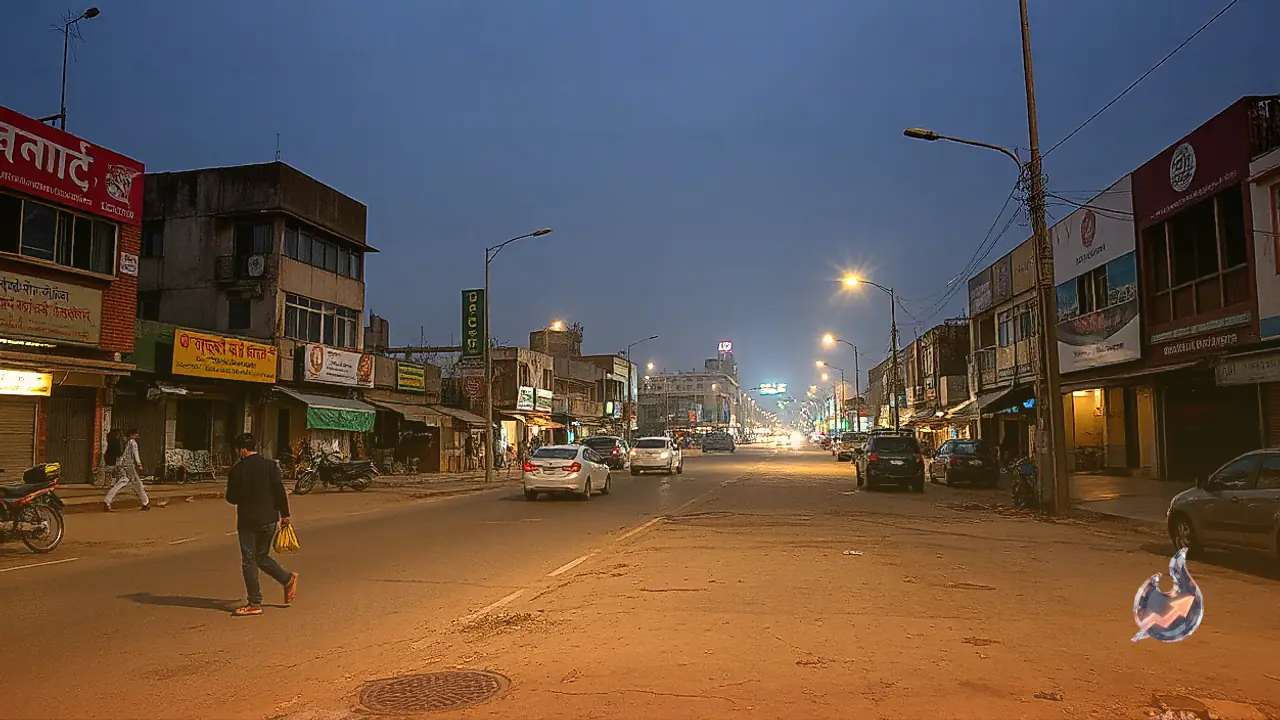


















Across India, farmers, traders and ordinary people are all staring at the sky right now. Clouds gather and darken, but they melt away before a single drop falls, leaving behind nothing but disappointment. The strangest part is that until June 14, everything was going to plan. Satellite images showed dense monsoon clouds blanketing a large part of India, and farmers were convinced that relief would arrive right on time this year.
Then, the very next day, on June 15, weather scientists opened fresh satellite data and were stunned. The same clouds that had looked ready to burst a day earlier had simply cleared out. The figures make the shock even sharper, between June 4 and 15 the area should normally have received 53.7 mm of rain, but in reality only 19.2 mm was recorded. That is a steep 64% drop. So why did the monsoon stall just as it was arriving?
Three home-grown reasons the clouds disappeared
There is no magic behind this game of hide and seek, only hard science. The first factor is the monsoon's break phase. To keep advancing, the monsoon needs a steady supply of moisture, but this time the air pressure over the Bay of Bengal and the Arabian Sea shifted in a way that slowed the monsoon down. In meteorology this is called the displacement of the monsoonal trough, and it abruptly halted the entire cloud-forming process.
The second factor is the El Nino hangover. El Nino may be weakening now, but the effect of the Pacific Ocean warming over the past months still lingers in the Indian atmosphere. As a result, the winds are not getting the moisture needed to hold clouds together. The third factor is an anti-cyclone. A high-pressure zone has formed over central and north-western India, and it stops air from rising. If air cannot rise and cool, how will clouds ever form? The clouds vanishing is the direct outcome.
Why and how the sandy whirlwinds form
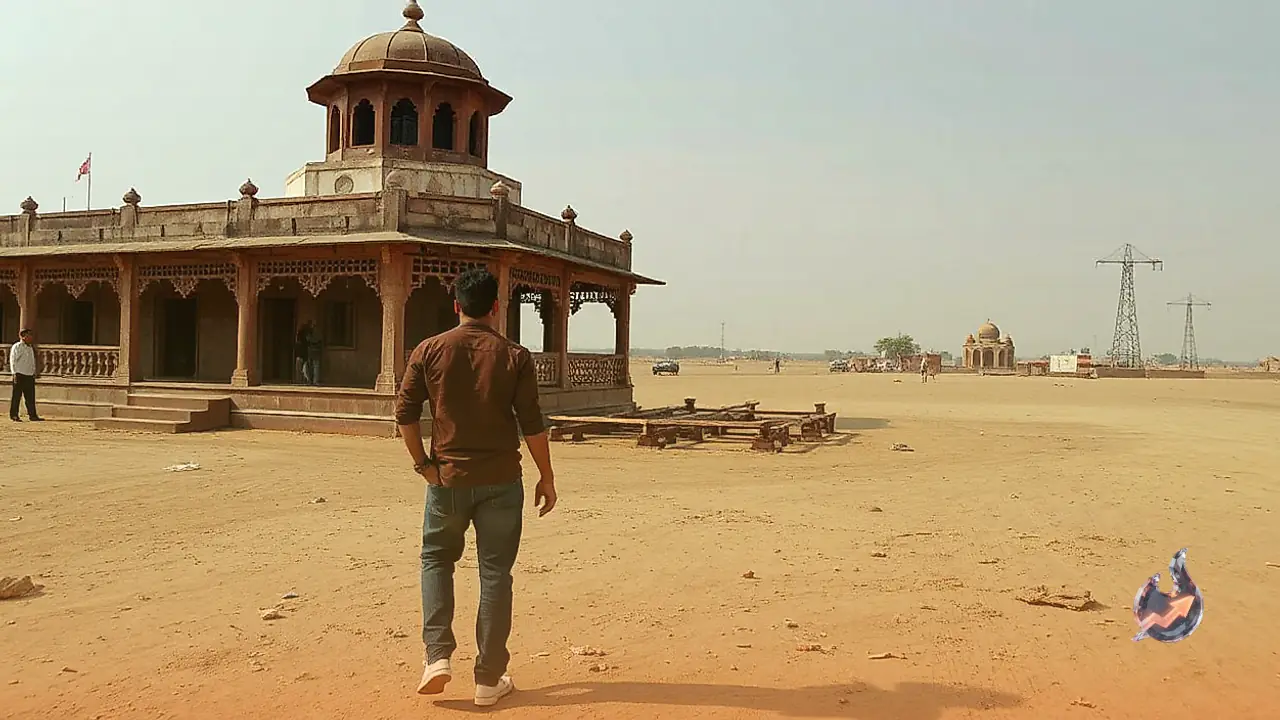
Around the same time, sandy whirlwinds keep springing up in many areas, turning the sky yellow as a column of dust shoots rapidly upward. The arithmetic is simple. With no rain, soil moisture vanished and the ground turned powder dry. When the afternoon sun bakes the land like a furnace, the air near the surface heats up and rushes upward very fast. To fill that empty space, the surrounding air spirals in like a cyclone and carries the dry soil high into the sky. That swirling spectacle is exactly what we see as a sandy whirlwind.
This is not just India's problem
If you think the vanishing monsoon and the whirlwinds are only a local Indian nuisance, you are mistaken. Some surprising facts sit behind it. First comes the role of the Madden-Julian Oscillation, or MJO, a cycle of clouds and winds that travels over the oceans and circles the entire globe. Right now this cycle has shifted away from the Indian Ocean toward the Pacific. Until the MJO returns near India, it keeps the monsoon suppressed, meaning the clouds simply cannot deliver heavy rain even when they want to.
The second reason is the jet stream behaving stubbornly. The fast-moving winds that flow about 10 to 12 kilometres above the earth are called the jet stream. They should usually have shifted north of India in June, but because of global warming they are parked right over India this time, pushing warm air downward and refusing to let clouds form. The third reason is the urban heat island. Why do these sandy whirlwinds appear more around cities like Delhi-NCR and Jaipur than in villages? Because the concrete jungle of buildings and roads soaks up the sun's heat, pushing city temperatures even higher than the surrounding rural areas. That intense heat acts as fuel for these dust whirlwinds.
Will this situation last forever
The reassuring part is that weather scientists view this as a temporary pause in the monsoon. As June draws to a close, the winds will change direction again. The moment moisture-laden winds from the Arabian Sea regain speed, these sandy whirlwinds will settle and the missing clouds will return with thunder and lightning.
But the real message is that nature is warning us. Just how difficult it has become to read the mood of the weather because of global warming is laid bare by clouds vanishing within 24 hours and dust running riot. This is only a trailer of the changing climate. Warmer air can absorb far more water, so clouds keep storing moisture for days without raining and then suddenly trigger cloudburst-like conditions in one spot, dumping three days of rain in three hours. That is why we see a 64% drought on one hand and a city flooded the very next week.
Earlier the monsoon used to reach Kerala on June 1 and gradually drench the whole country. Now its timing has changed, sometimes arriving early and sometimes getting stuck in one place for weeks. Clouds disappearing so abruptly is a result of this very imbalance. We are not merely facing one spell of bad weather, we humans have thrown the planet's thermostat so out of order that even nature is confused. Today the clouds have vanished from the sky, tomorrow the rivers might vanish too. The time to act is now, otherwise the balance of nature will keep slipping in the coming years and we will be left grappling with many new problems.