

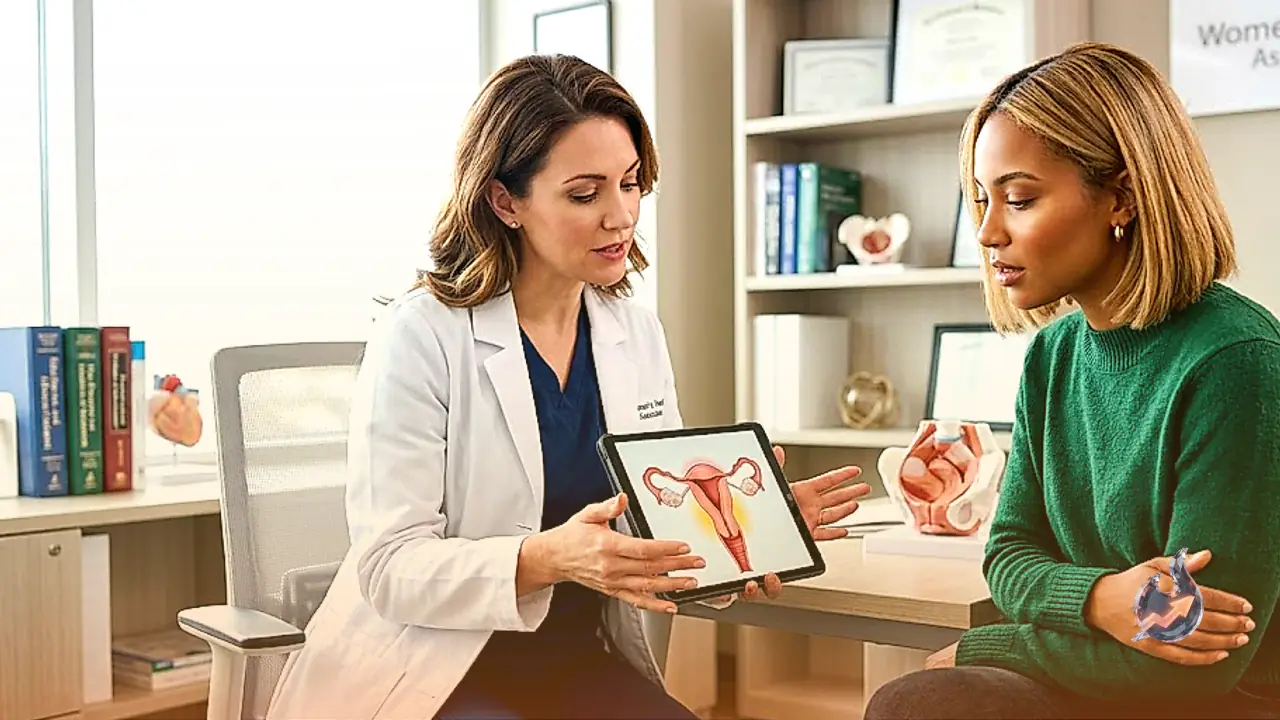





















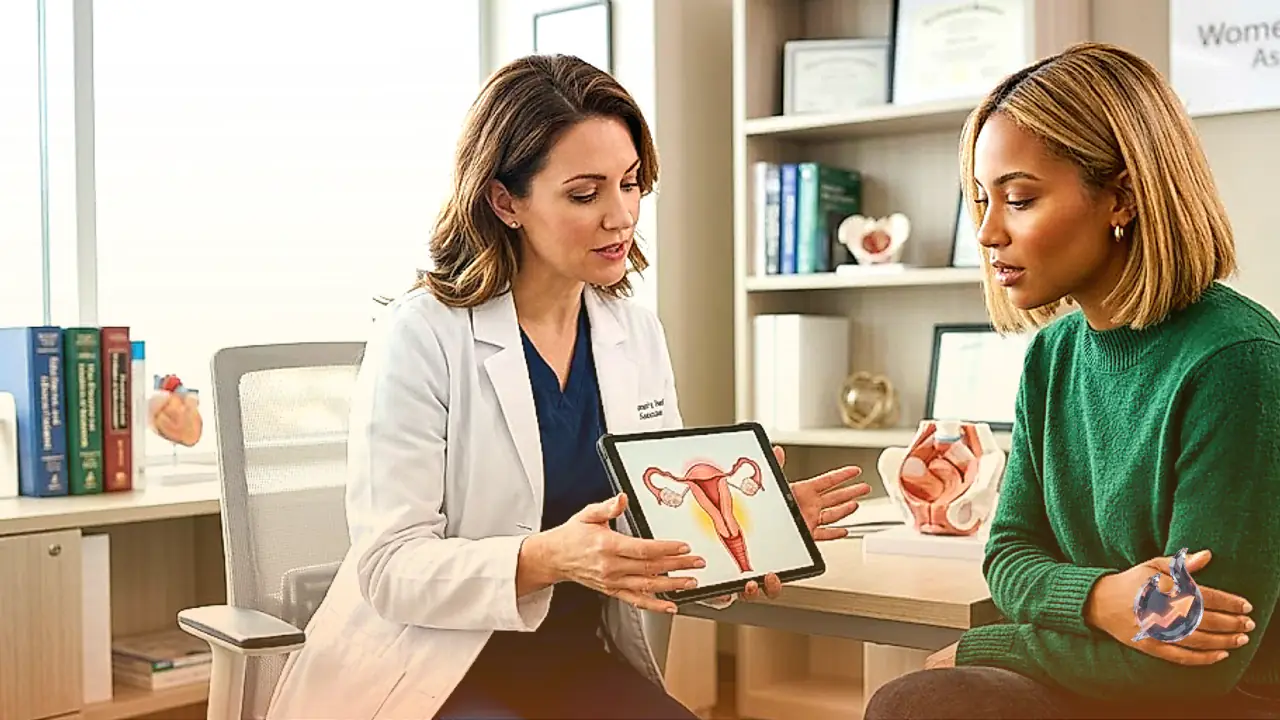

While intense sexual climax is commonly associated with benign reactions such as trembling limbs or heightened skin sensitivity, a less pleasant aftermath affects numerous individuals: sharp pelvic and lower abdominal cramps arriving directly after climaxing. Historically, people with vaginas connect this variety of cramping with menstrual cycles or the precise window when an ovary releases an egg. Yet, a passionate encounter in the bedroom can just as easily set off identical discomfort.
Personal Accounts of Post-Climax Cramping
Online discussions among women highlight how confusing and uncomfortable this post-intimacy reaction can be. Sharing personal experiences on a web community forum, one individual recounted that noticeable pelvic cramps began shortly after receiving an intrauterine device (IUD). According to her account, the cramps typically linger for roughly 10 to 15 minutes before subsiding entirely. She noted that these episodes occur more frequently and with greater intensity following climax achieved through solo masturbation compared to penetrative sex, describing the sensation as distinctly uncomfortable though not utterly unbearable.
Within that same discussion, another contributor described post-intercourse lower abdominal cramps that mimic the sensation of trapped air inside the body unable to escape. These shared stories reflect a broader pattern of physical distress that frequently goes unaddressed due to misconceptions about what constitutes ordinary intimacy-related sensations.
Assessing Whether Post-Orgasm Cramps Are Normal
Experiencing recurring pain around intimate activity is not considered typical, and it frequently serves as an indicator of underlying gynaecological conditions such as endometriosis. Findings from a 2017 study published in the International Journal of Obstetrics and Gynaecology revealed that nearly one in ten British women experience sex as painful, with individuals in their 50s and 60s facing the highest likelihood of being affected. Furthermore, statistics cited by the NHS in 2025 placed that proportion even higher, indicating around 15%.
The medical community uses the umbrella term dysorgasmia to describe discomfort that emerges during or following a climax. Dr Clair Grainger, a medical practitioner with Superdrug Online Doctor, explains that the term applies broadly to pain occurring either during or immediately after orgasm. She clarifies that this can present as cramping, dull aching, or sharper sensations concentrated in the pelvic area or lower abdomen. The biological mechanics behind climax involve rhythmic contractions of the pelvic floor musculature alongside contractions of the uterus itself, which explains why brief, mild cramping can naturally manifest in some individuals.
Identifying Underlying Conditions and Warning Signs
When post-orgasmic discomfort becomes a recurring event, it is frequently tied to an underlying health disorder. According to Dr Clair Grainger, potential causes include pelvic floor dysfunction, ovarian cysts, pelvic inflammatory disease, or endometriosis. For this reason, evaluating the full spectrum of accompanying bodily changes is essential for an accurate clinical diagnosis.
Factors like discomfort during intercourse, unusual vaginal bleeding or discharge, painful urination, and shifts in the monthly menstrual cycle provide vital clues for healthcare professionals. Furthermore, certain sexually transmitted infections trigger deep pelvic aching without displaying obvious visible signs. Anyone who has engaged in unprotected intercourse or started a sexual relationship with a new partner should consider undergoing STI screening. Because multiple reproductive conditions share overlapping symptoms, professional consultation is critical instead of attempting self-diagnosis. While brief cramping that fades away promptly is generally harmless, ongoing symptoms require medical review. Dr Grainger emphasizes that sudden or excruciating pelvic pain accompanied by high fever, severe blood loss, dizziness, or intense sickness warrants urgent emergency medical attention.
The Connection Between Contraception and Pelvic Cramping
A recurring anecdotal observation among women is that post-intercourse cramping intensifies or first appears only after getting a coil fitted. Nevertheless, Dr Clair Grainger highlights that robust scientific evidence supporting a direct causative link remains absent. The dynamic between contraceptive methods and pelvic discomfort is inherently complex, with certain hormonal birth control options actually functioning to relieve agonizing periods and mitigate complications linked to endometriosis.
Because every individual body metabolises and adapts to birth control differently, anyone noticing shifts in pelvic pain following the adoption of a new hormonal contraceptive should consult a physician. Stopping a prescribed method abruptly without professional guidance is discouraged, and discussing alternative pill formulations or devices with a qualified practitioner ensures effective management of both birth control and reproductive comfort.