





















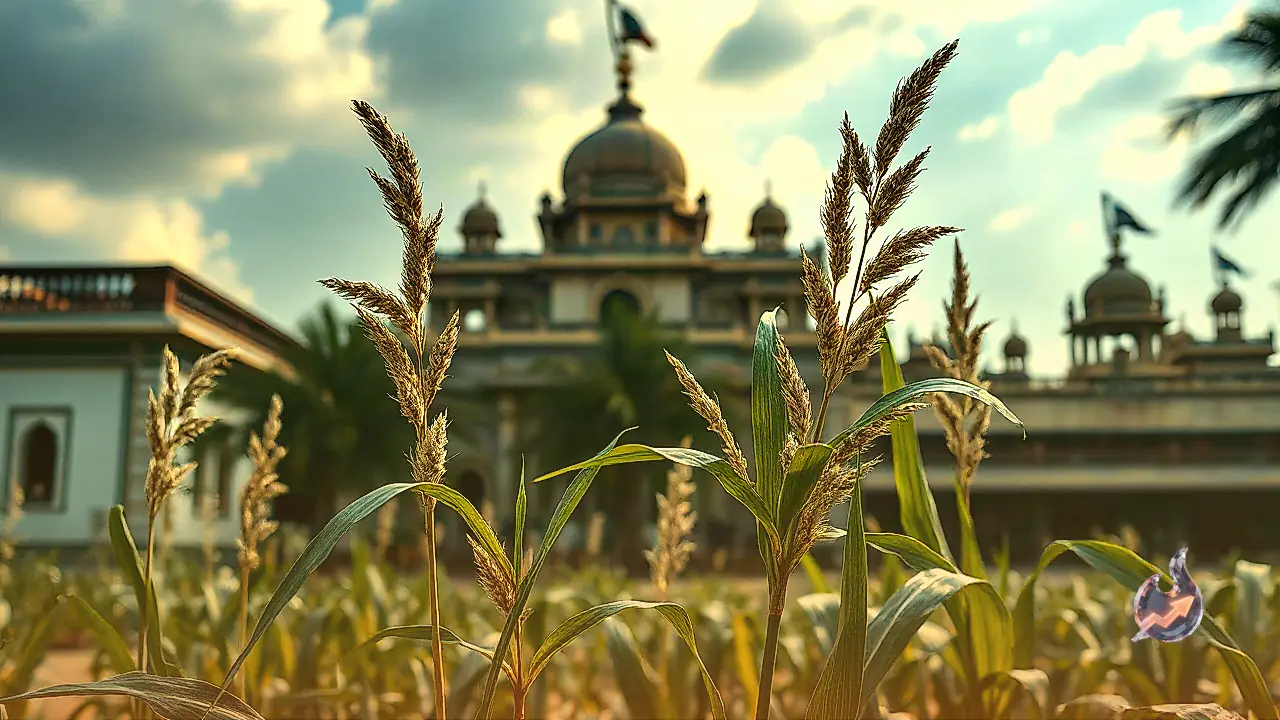

Common grass occupies a dual position in everyday life, acting as a persistent agricultural nuisance on one hand and revered as a sacred botanical offering in ritual worship on the other. While modern medicine and traditional Ayurveda acknowledge its therapeutic applications, religious traditions honor it under the name of durva. Rural elders, Vedic scholars, and scriptural teachers have long preserved oral traditions regarding its enduring vitality and its seemingly indestructible nature. Many spiritual accounts attribute its resilience to celestial nectar, explaining why this vegetation persistently regrows even after repeated efforts to eradicate it from the soil.
Agricultural Headaches and the Resilient Growth of Grass
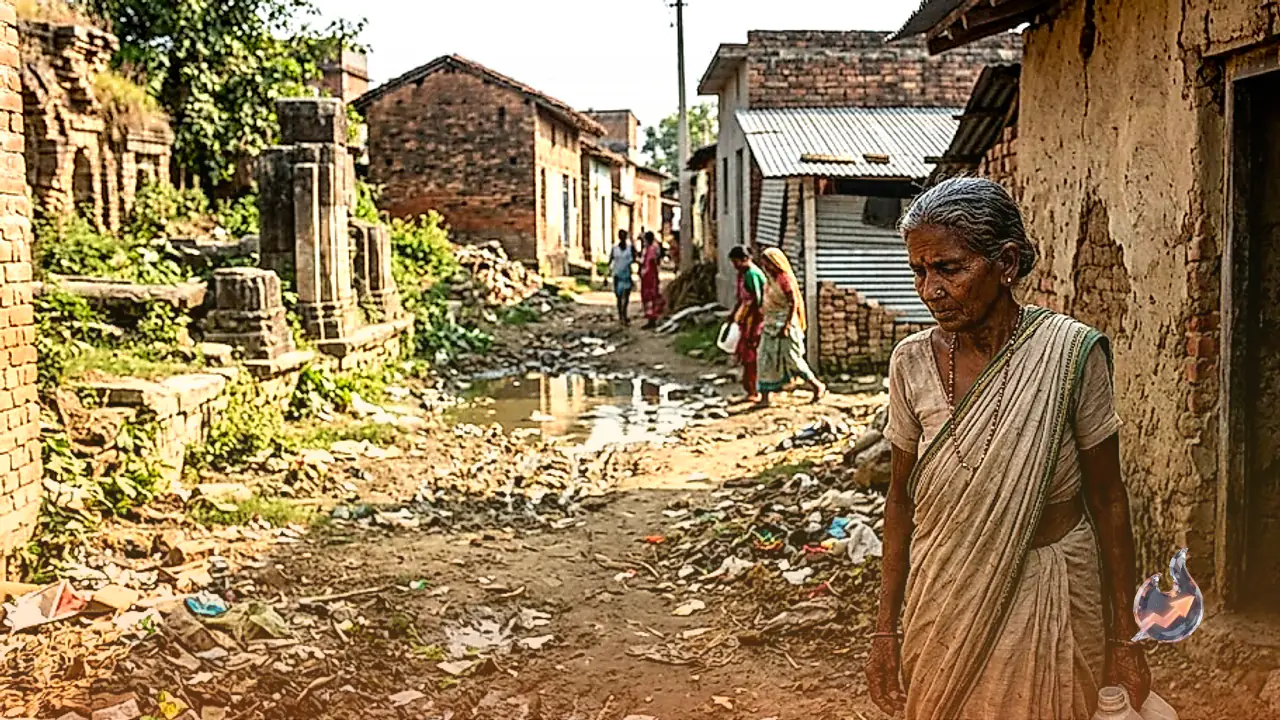
In agricultural fields, uncontrolled weed growth presents a major complication for cultivators. When wild grass takes root alongside food crops, it obstructs their development and competes for essential soil nutrients. Farmers routinely extract it by hand or resort to harsh agricultural chemicals to suppress its spread. However, chemical treatments frequently leave residues that contaminate and toxify the surrounding earth, yet the grass resurfaces in the very same patches after a brief interval. Durva grass requires neither intentional sowing of seeds nor systematic irrigation to thrive; any patch of soil allows it to propagate independently. An Acharya from Madhubani detailed the traditional scriptural explanations behind this extraordinary endurance.
The Cosmic Churning and the Gift of Immortality
Recounting traditional lore, the Acharya explained that during primordial times, a massive clash broke out between divine beings and demons known as the battle of the gods and demons. As both factions wrestled for possession of the vessel holding the divine nectar of immortality, drops spilled out and fell across different regions of the earth. Wherever those drops touched the soil, durva grass sprouted and multiplied. Because the essential quality of celestial nectar is to bestow everlasting life, the grass inherited that very immortality. Consequently, physical attempts to extinguish it remain futile, as its intrinsic nature enables it to revive endlessly across landscapes.
Prescribed Protocols for Offering Durva and Bael Leaves
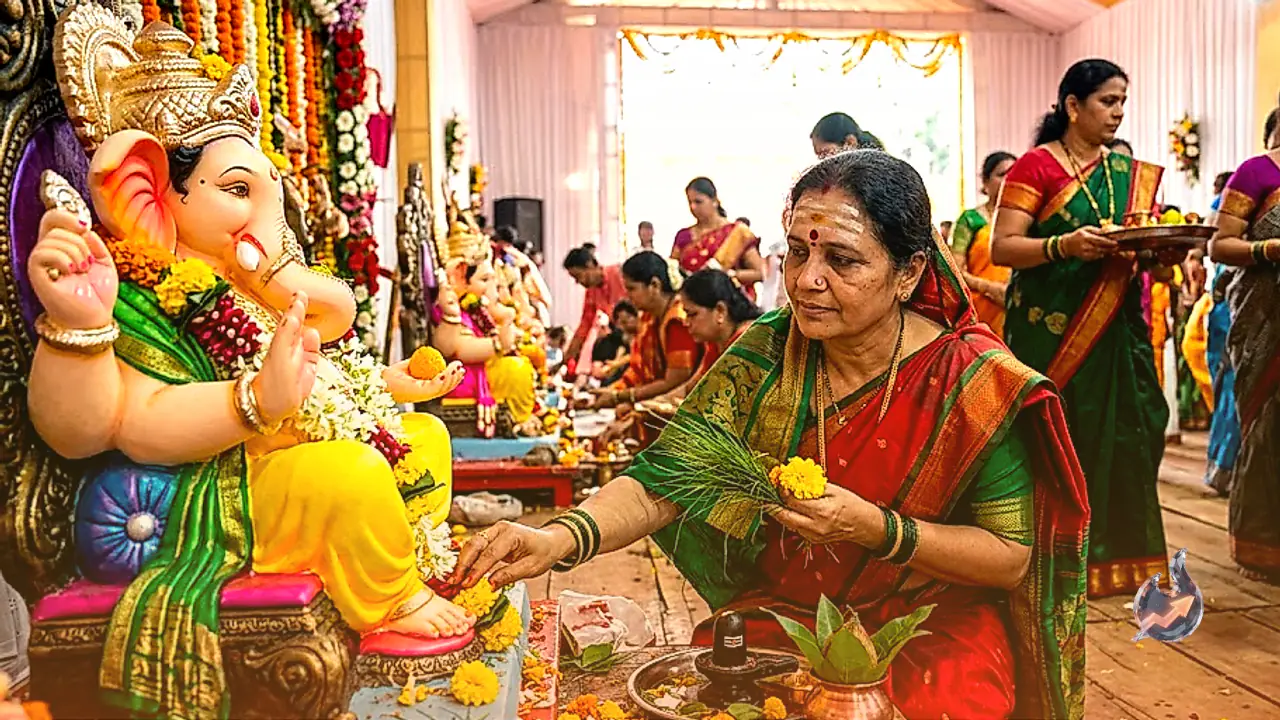
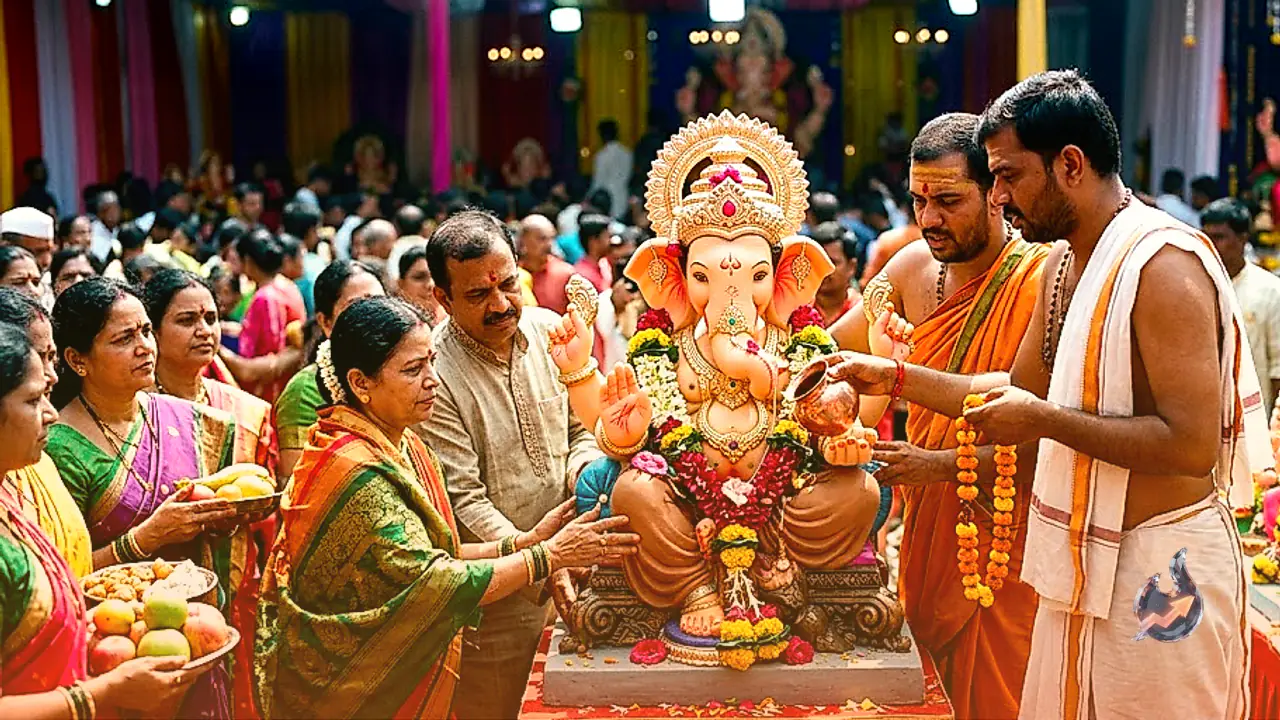
Durva remains an essential sacramental element across religious ceremonies, holding supreme importance in the devotional worship of Lord Ganesha. The Madhubani Acharya emphasized that sacred offerings must align with strict ritual procedures. When presenting durva to divine deities, the tip or forward portion of the grass blades must point inward toward the worshipper. Furthermore, traditional practice considers an offering spiritually potent and complete only when each sprig possesses five distinct leaves. The scholar also outlined the correct manner of offering bael leaves, noting that their forward tips must face downward in an inverted position, ensuring adherence to established scriptural norms.