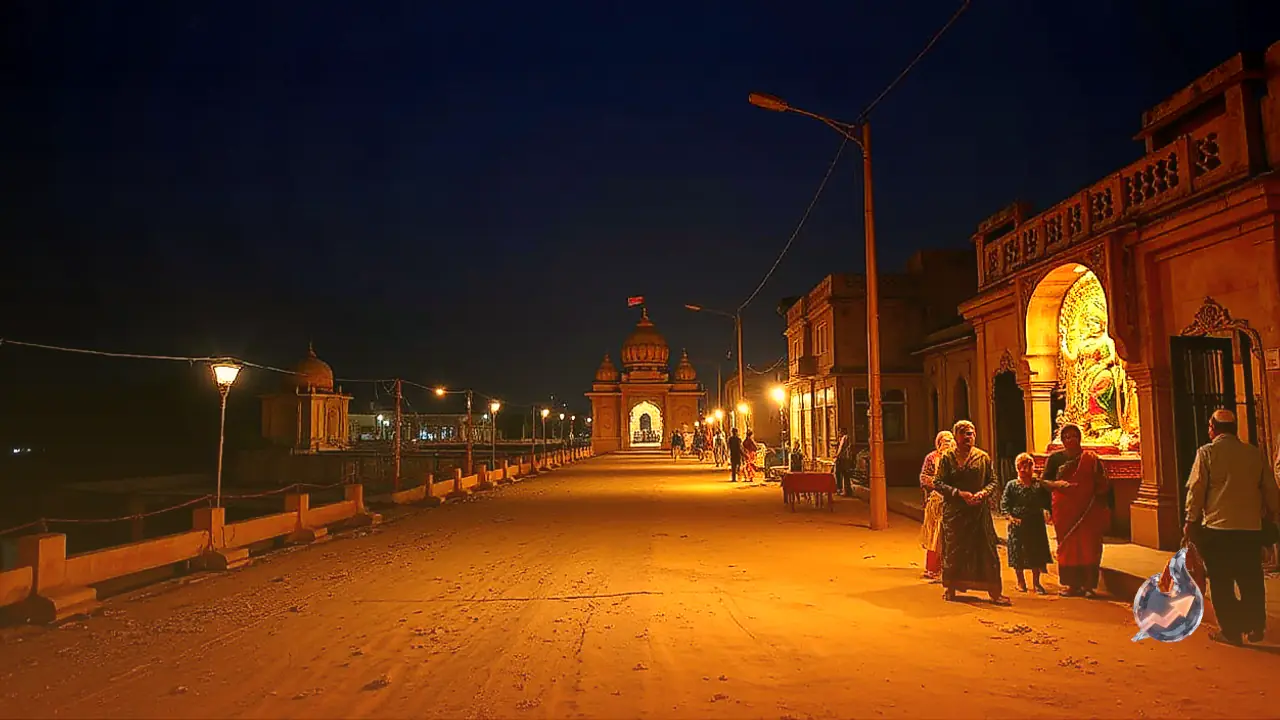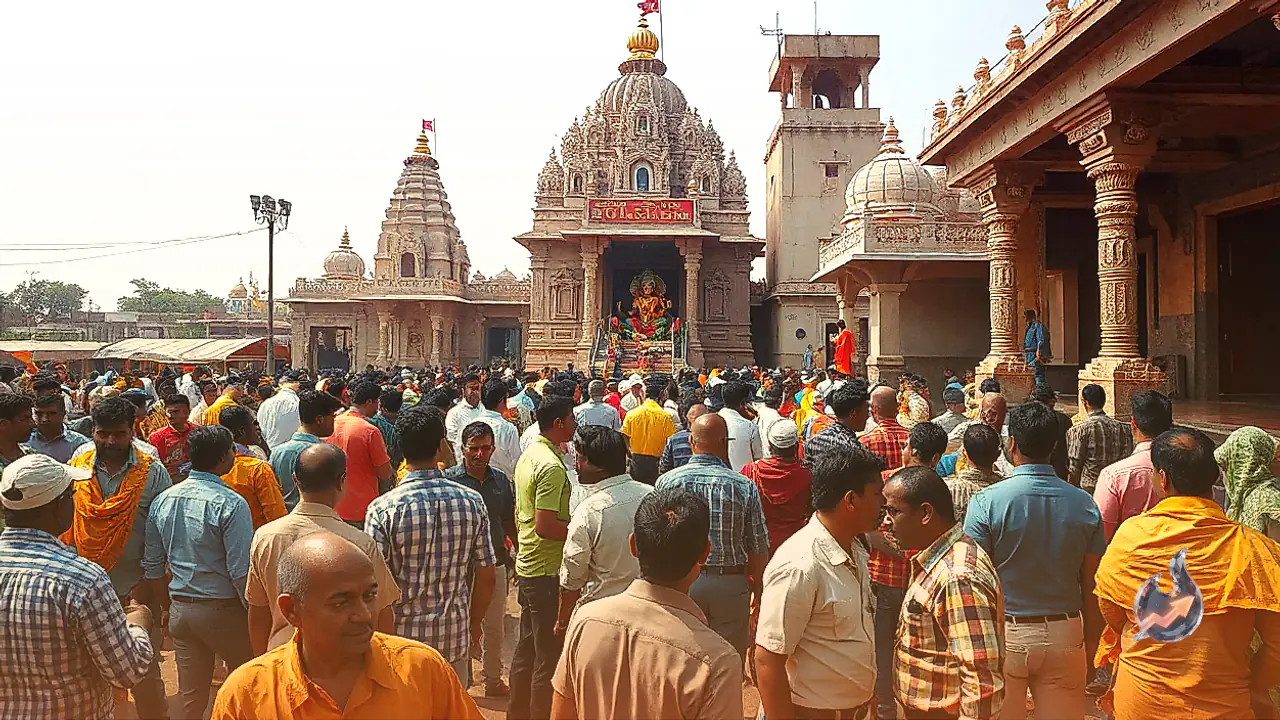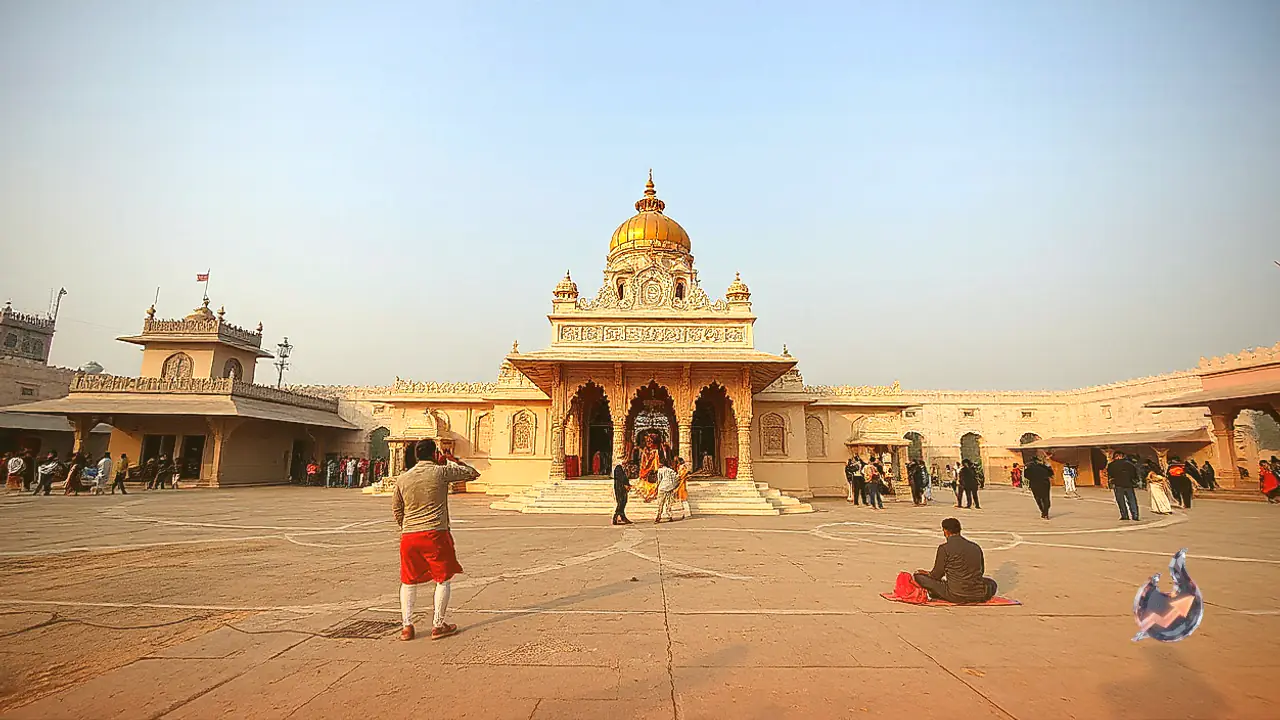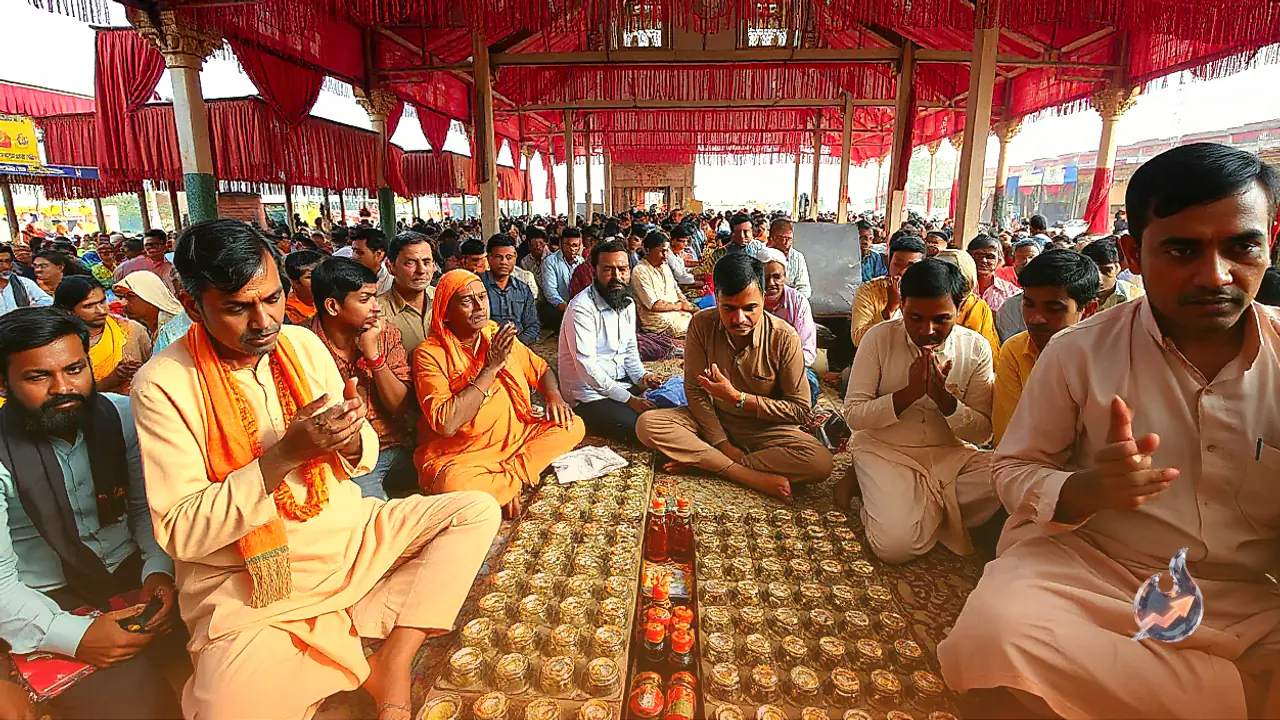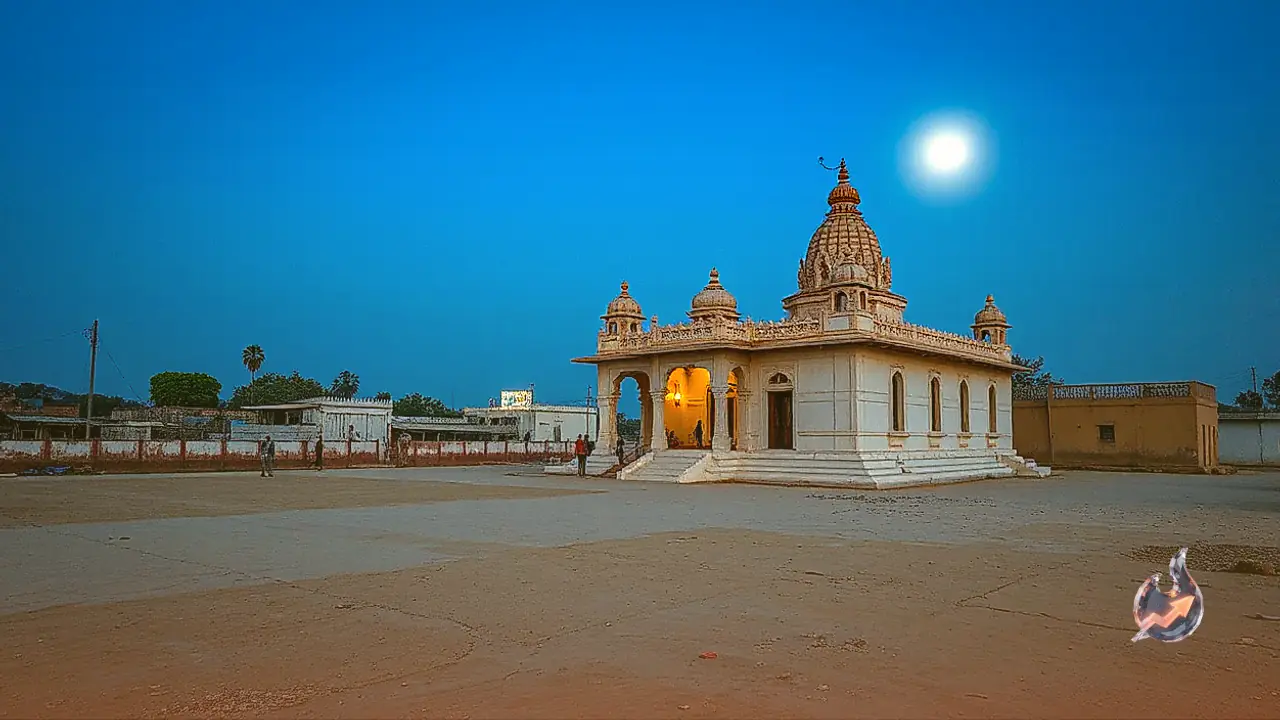



















Devotees across the country celebrate the auspicious occasion of Sharad Purnima on the full moon day of the Shukla Paksha in the month of Ashwin. Known also as Kojagiri Purnima and Raas Purnima, this festival turns the holy town of Vrindavan into a vibrant hub of devotional fervor. On this singular sacred night, Banke Bihari grants visitors a glimpse of his extremely rare divine appearance. Worshippers believe that witnessing this unique darshan bestows the combined blessings of Lakshmi and Narayana, washing away worldly sorrows and ushering in spiritual tranquility.
The Rare Once-a-Year Maharaas Adornment
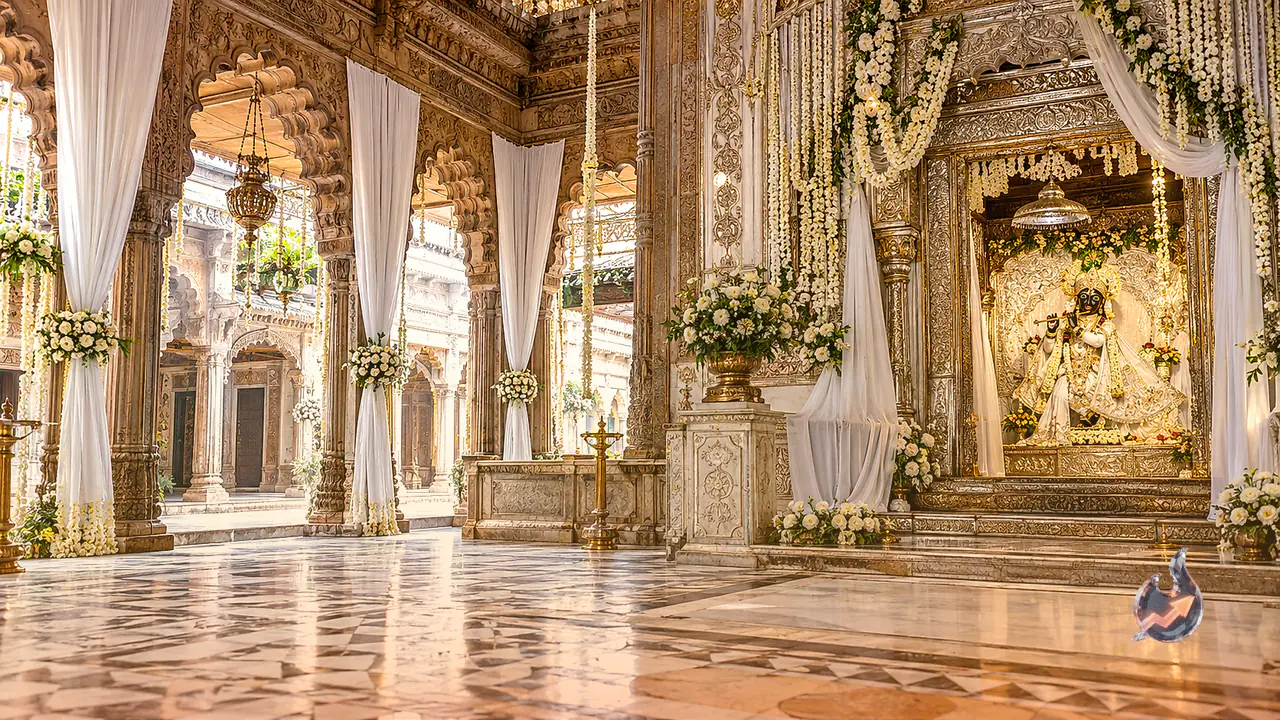
Unlike regular days of the year, Thakur Banke Bihari holds his divine flute in his hands on Sharad Purnima, appearing in the posture of the celestial Maharaas dance. The deity is adorned with sixteen traditional ornaments, known as solah shringar, along with his majestic peacock feather crown. Specially crafted white gem-studded garments are draped over Thakurji, who is seated upon a splendid silver throne and decorated with exquisite gold and silver ornaments. As radiant moonlight streams down from the night sky, illuminating the sanctum sanctorum, the sanctified form of the deity appears truly otherworldly. The entire shrine reverberates with thunderous chants hailing Banke Bihari, while priests offer traditional ceremonial bhog consisting of creamy kheer and chandrakala sweets.
The Spiritual Legacy of the Bhagavata Purana
The timeless spiritual foundation of this sacred festival is deeply rooted in the verses of the Bhagavata Purana. According to ancient scripture, Lord Krishna performed the celestial Maharaas dance alongside the Gopis along the serene banks of the river Yamuna on the cool Ashwin full moon night. This divine communion represents the sublime merger of individual souls with the Supreme. By holding his flute and assuming the Raas pose, Banke Bihari reenacts that timeless cosmic dance for his devotees once every twelve months, prompting pilgrims to wait patiently throughout the entire year just to catch a fleeting glimpse of this sacred posture.
White Splendor Across Vrindavan's Sapta Nidhi Shrines
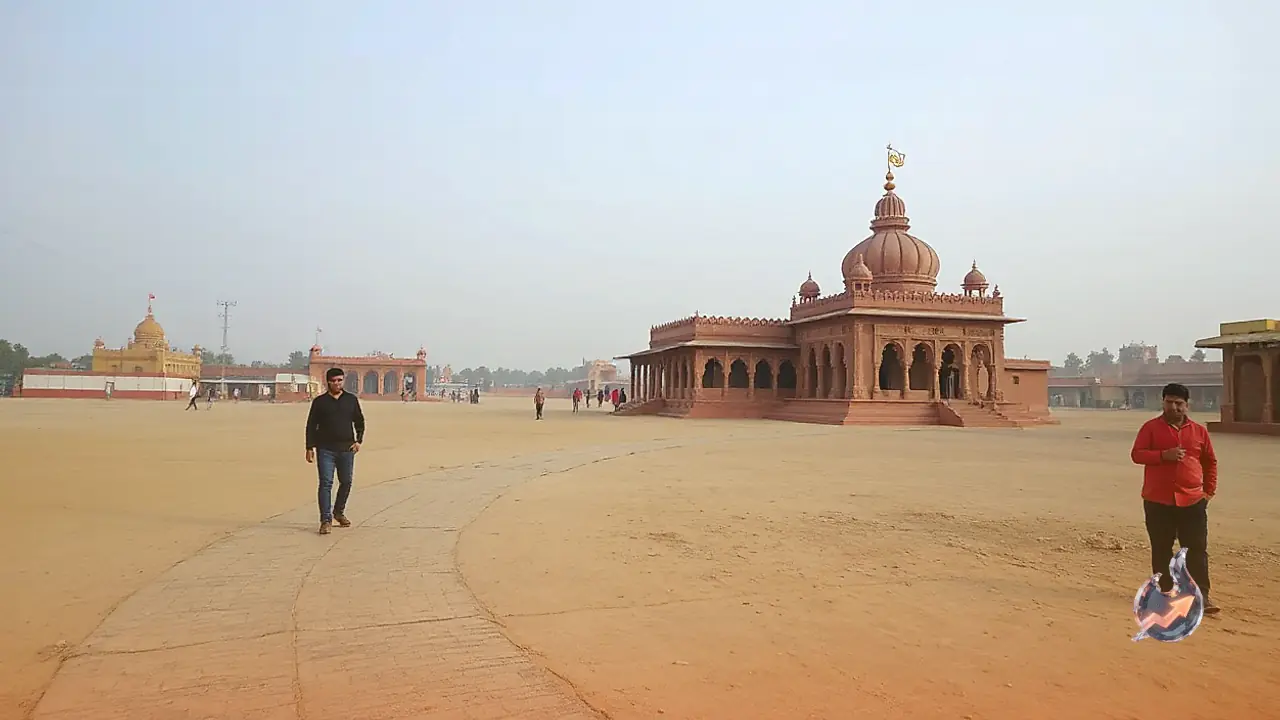
The celebrations extend far beyond the Banke Bihari temple, enlivening the sacred Sapta Nidhi temples of Vrindavan. These historically celebrated shrines comprise Shri Radha Madan Mohan Ji, Shri Govind Dev Ji, Shri Radha Gopinath Ji, Shri Radha Raman Lal Ji, Shri Radha Vallabh Lal Ji, Shri Radha Damodar Ji, and Shri Radha Shyamsundar Ji. In honour of the autumn full moon, the deities across each of these revered temples are similarly attired in pristine white vestments. Melodious devotional singing, traditional pad recitations, and special evening rituals bring alive the historic legacy of Braj, creating an uplifting spiritual experience for pilgrims gathered in the holy precinct.
Nectar-Infused Moonlight and the Sacred Tradition of Kheer
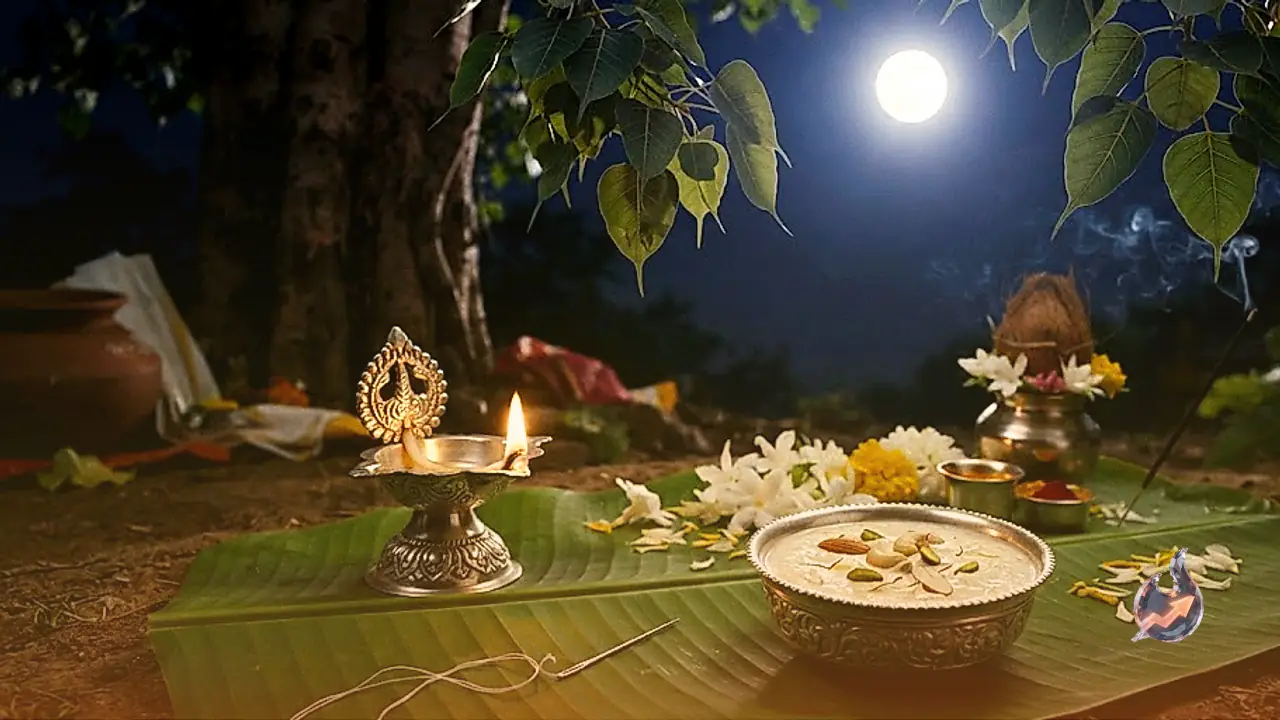
A central custom observed across households and shrines on Sharad Purnima is preparing rice kheer and leaving it outdoors under the open sky throughout the night. Both the Padma Purana and the Skanda Purana highlight this sacred practice, extolling kheer as a pure offering that attracts prosperity and well-being into households. The day also commemorates the manifestation of Goddess Lakshmi, who is believed to be particularly fond of kheer. Astrologically and spiritually, the moon is said to attain all sixteen celestial phases on this night, showering medicinal and life-affirming nectar through its cool beams. Leaving the sweet dish beneath the open sky allows it to absorb this divine cosmic energy, transforming it into health-giving prasad consumed by family members the following morning.