



















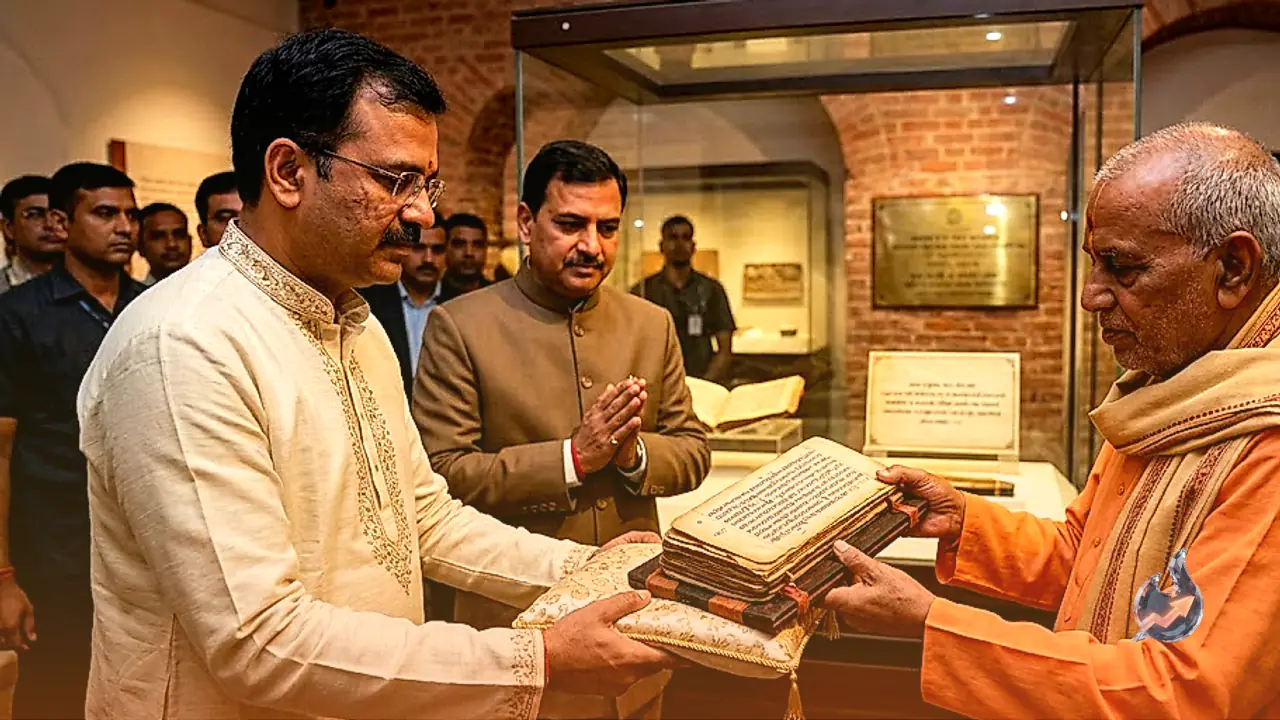

A remarkable milestone in the preservation of Indian heritage was marked as a rare 233-year-old Sanskrit manuscript of the Valmiki Ramayana was officially handed over to the International Ram Katha Museum located in Ayodhya. The handover was carried out by Professor Shrinivasa Varkhedi, Vice Chancellor of the Central Sanskrit University, who formally presented the manuscript to Nripendra Misra, Chairperson of the Executive Council of the Prime Ministers' Museum and Library. This historical text is distinguished by the inclusion of the revered Tattvadipika commentary alongside the core verses of the Valmiki Ramayana, making it an invaluable repository of classical literary and spiritual tradition.
Originating in 1792 with Classical Commentary
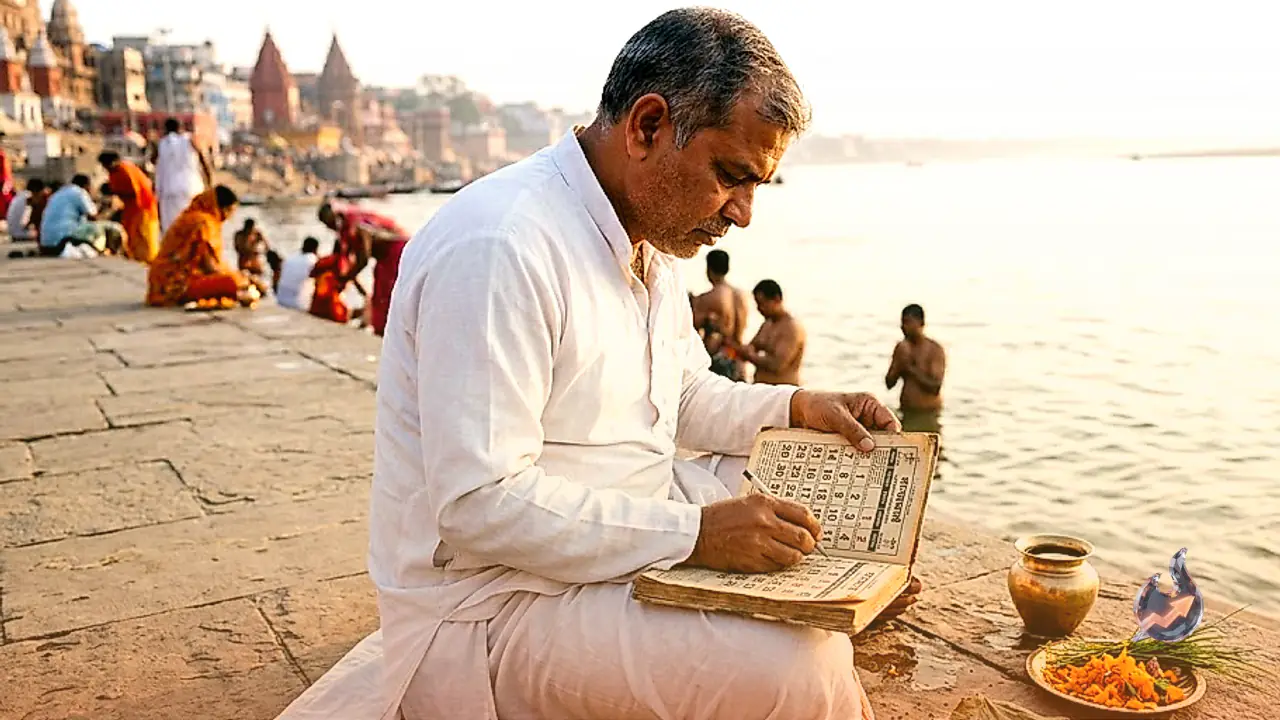
The manuscript dates back to Vikram Samvat 1849, corresponding to the year 1792 CE, and is inscribed in the Devanagari script in classical Sanskrit. Beyond the fundamental narrative composed by the Adi Kavi Sage Valmiki, this particular compilation includes the classical scholarly commentary authored by Maheshwara Tirtha. The preserved volume comprises five pivotal sections of the epic, specifically the Balakanda, Aranyakanda, Kishkindhakanda, Sundarakanda, and Yuddhakanda.
These five sections capture the emotional depth, philosophical nuance, and historical dimensions of the narrative. According to scholarly assessments, the manuscript embodies a well-preserved textual tradition that has grown exceptionally scarce in modern times, offering rare structural insights into how the classical epic was studied and interpreted centuries ago.
Journey from Rashtrapati Bhavan to Ayodhya
Prior to this permanent relocation, the precious volume had been housed temporarily under careful protective custody at Rashtrapati Bhavan in New Delhi. Under the new arrangement, the manuscript has been gifted on a permanent basis to the International Ram Katha Museum in Ayodhya, Uttar Pradesh, significantly enhancing the institution's standing on the international cultural map.
The relocation ensures that visiting scholars, academic researchers, and pilgrims will now have direct access to examine and appreciate this physical artifact. In addition to ensuring professional archival preservation, placing the document in Ayodhya is expected to facilitate wider academic engagement and broaden global appreciation for traditional Ramayana literature.
Significance for Heritage Scholars and Devotees
Reflecting on the importance of the transfer, Professor Shrinivasa Varkhedi remarked that this gift will immortalize the wisdom of the Valmiki Ramayana in the sacred city of Ayodhya. He emphasized that researchers, spiritual seekers, and international visitors will derive immense educational value from the presence of this ancient text.
Echoing these sentiments, Nripendra Misra described the occasion as an extraordinary historic moment for devotees and the cultural precinct of the Ayodhya temple complex. He noted that the centuries-old manuscript will serve as a lasting source of inspiration for future generations while deepening public connection to foundational civilizational roots.