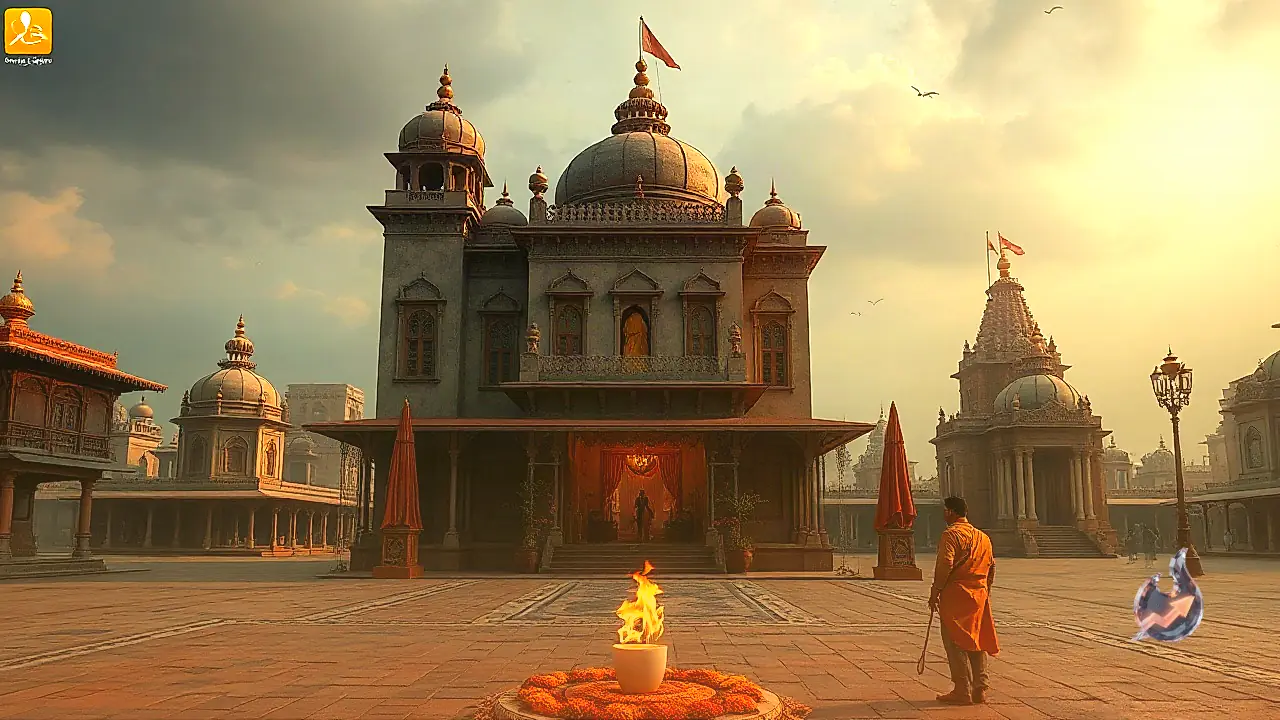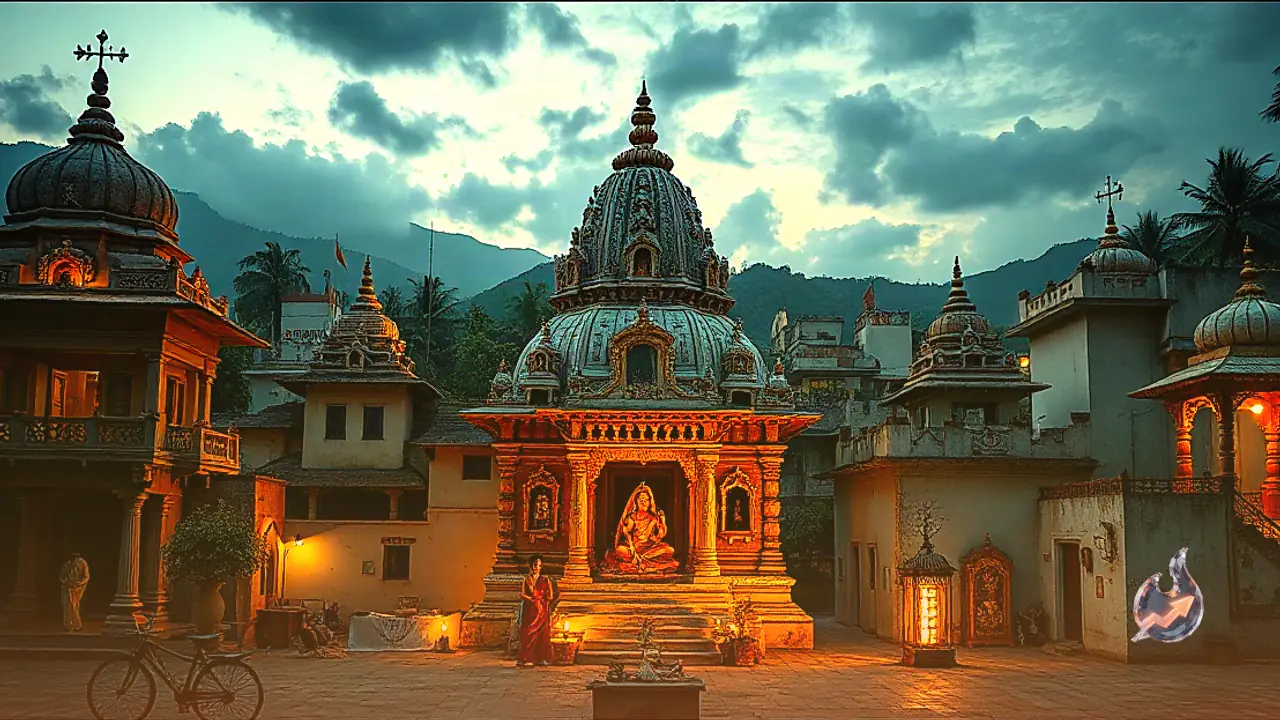


















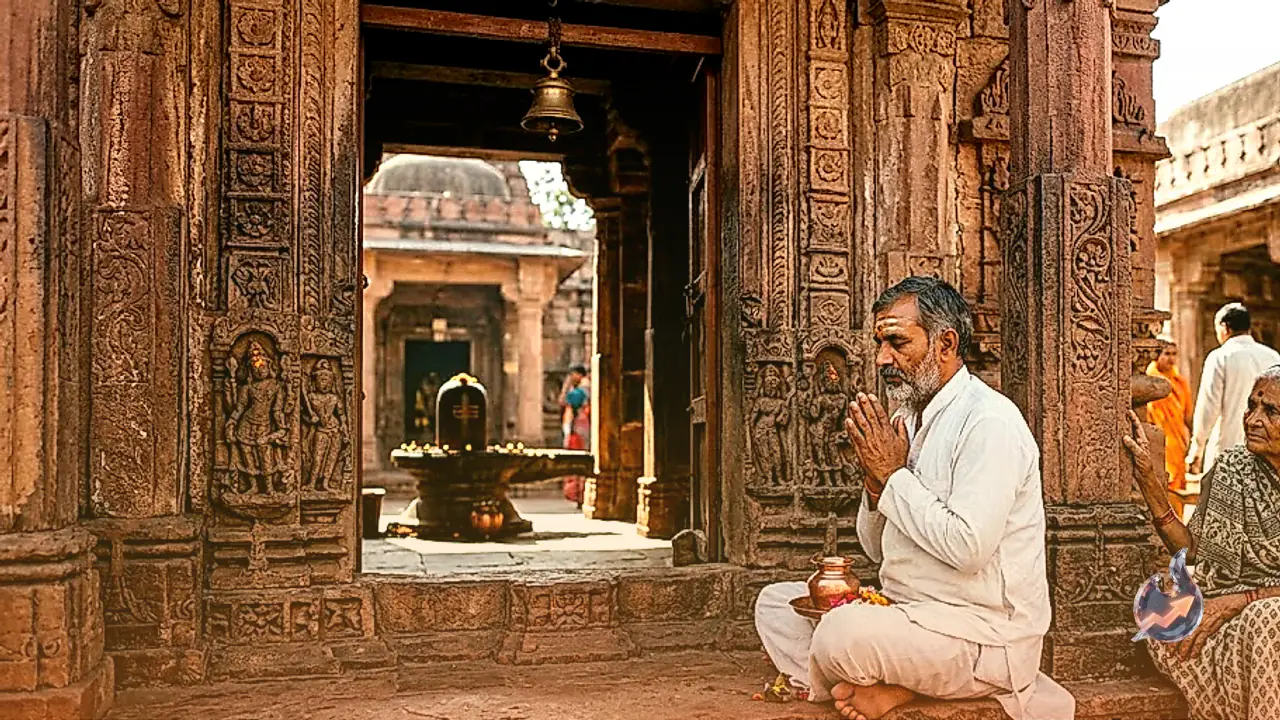

Bordered by the states of Uttar Pradesh and Madhya Pradesh, the Dholpur district houses numerous ancient temples built by the erstwhile rulers and monarchs of the Dholpur princely state. Among these sacred heritage sites is the Sataumpau Mahadev Temple, which is widely known as the Ram Rameshwar Temple. According to historian Arvind Sharma, this temple was commissioned by Rajdhar Kanhaiya Lal, the maternal uncle of Maharaj Bhagwant Singh of the Dholpur estate.
Architectural Brilliance and Design
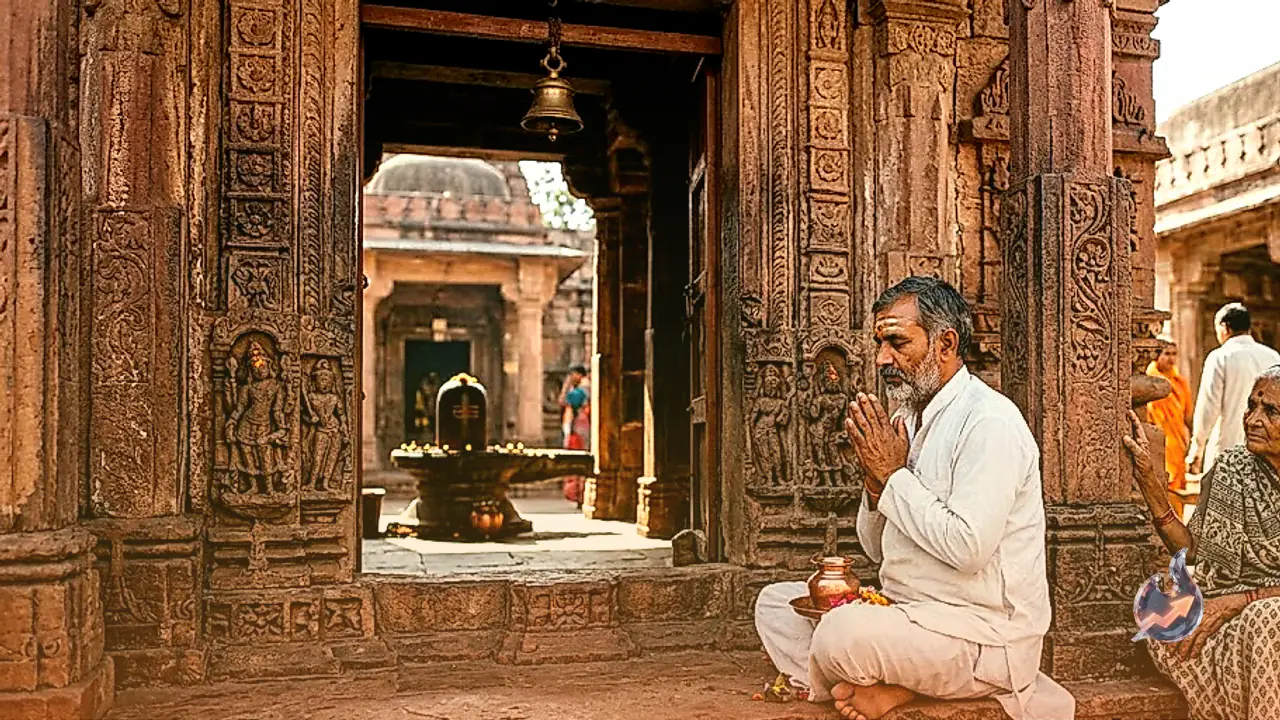
Rajdhar Kanhaiya Lal served as the Diwan of the Dholpur princely state during his lifetime. Situated around thirty kilometers away from the Dholpur district headquarters in the Sataumpau sub-division, this temple stands as an exceptional specimen of traditional architecture. The walls of the shrine feature intricate carvings depicting various animals and birds alongside beautifully sculpted divine figures. To reach the inner sanctum of the temple, devotees can use any of the four entry doors designed into the structure.
Connection to Treta Yuga and Lord Rama
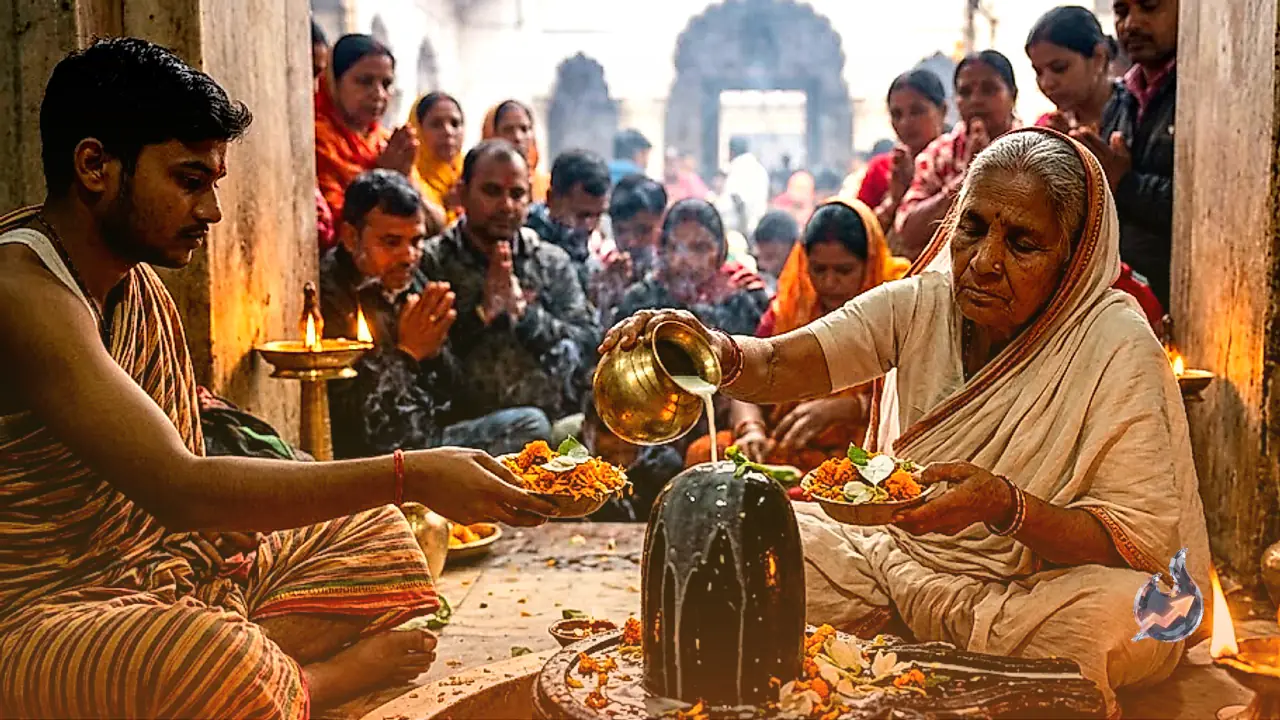
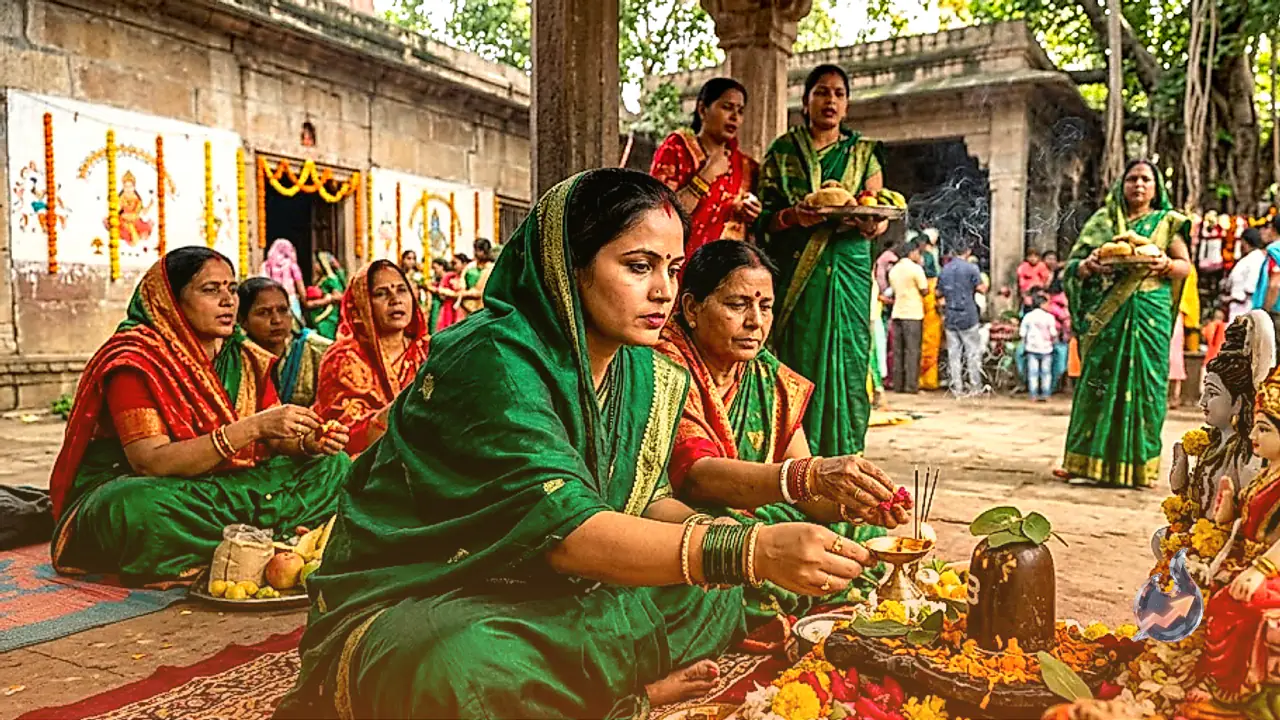
Temple priests state that the sacred Shivalinga housed here belongs to the era of Lord Rama, specifically the Treta Yuga. According to tradition, Lord Rama performed a ritual sacrifice at this very site alongside his guru Vishwamitra, consecrating and establishing the Shivalinga with full Vedic rites. Ever since, the shrine has also been referred to as the Ram Rameshwar Temple. The temple mahant notes that it was upon the instructions of guru Vishwamitra that Lord Rama vanquished Tadaka in this region. Furthermore, priests recount that in the year 1305, Saint Shyam Ratan Puri visited the location alongside his sister Leela Bai. Lord Shiva manifested in his dream to grant a vision of the Shivalinga, following which the temple also came to be known as Swayambhu Mahadev.
The Unsuccessful Attempt to Relocate the Shivalinga
Temple authorities share that when Maharaja Kirat Singh of Dholpur was childless, he was blessed with a son through the grace of Mahadev. Grateful for the blessing, Maharaja Kirat Singh desired to relocate the Shivalinga to the Chopra Temple located in Dholpur town. The ruler made extensive efforts to unearth the Shivalinga, and excavation work continued for several days. However, the base or lower end of the Shivalinga could never be located, halting the relocation attempt. Eventually, the construction of the present temple structure was carried out during the reign of Maharaja Kirat Singh's son, Bhagwant Singh.
Historic Well and Devotee Gatherings
The massive well located near the temple complex was constructed by Raja Bhagwant Singh of the Dholpur state. Another unique feature of the site is a distinctive tree where one branch bears flowers while another sprouts thorns, with locals identifying these two parts as male and female. Devotees visiting the Sataumpau Mahadev Temple believe that this Shivalinga is among the largest in Asia, and sincere prayers offered here fulfill all desires. During major festivals like Maha Shivratri, the holy month of Shravan, and every Monday throughout the week, large crowds of worshippers gather at the shrine to offer prayers and seek divine blessings.