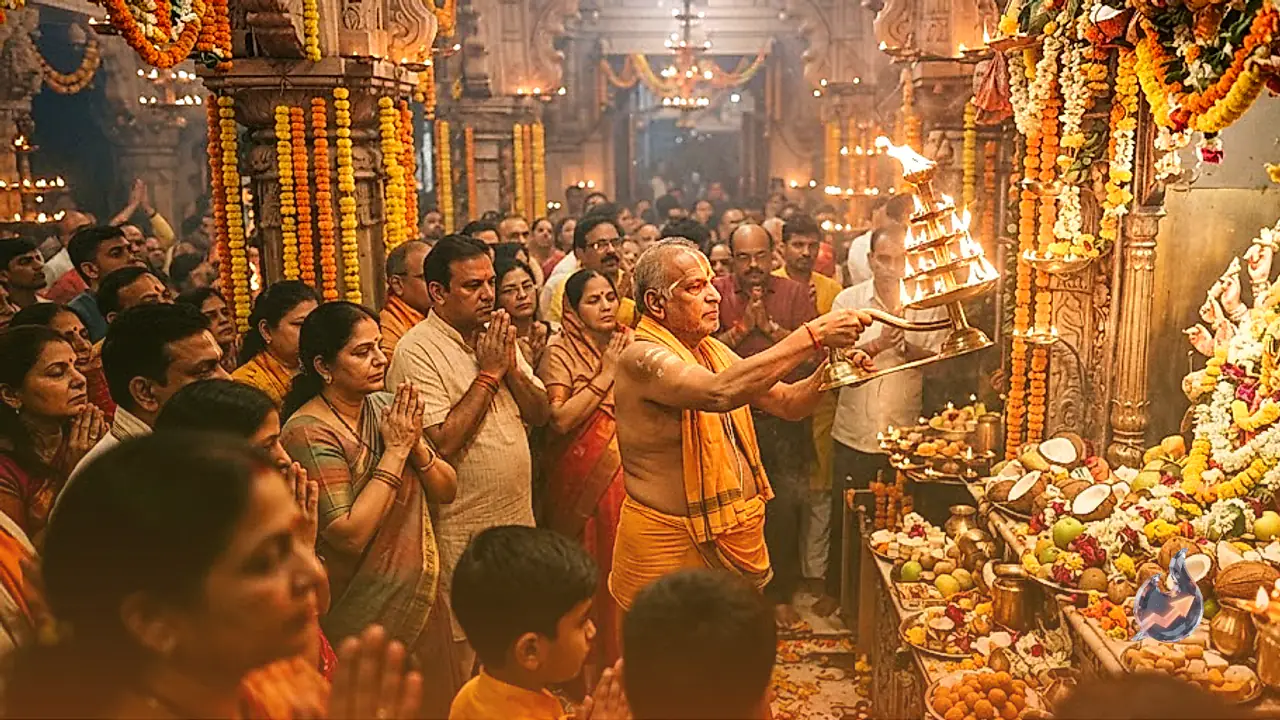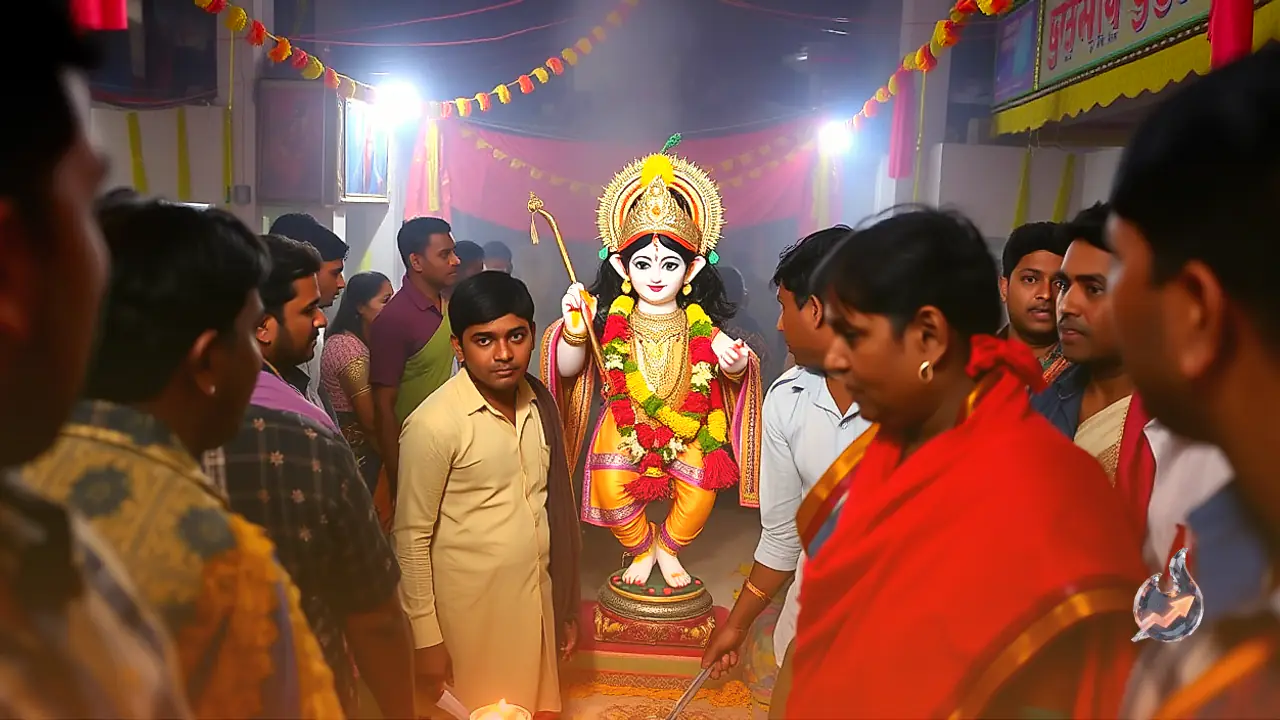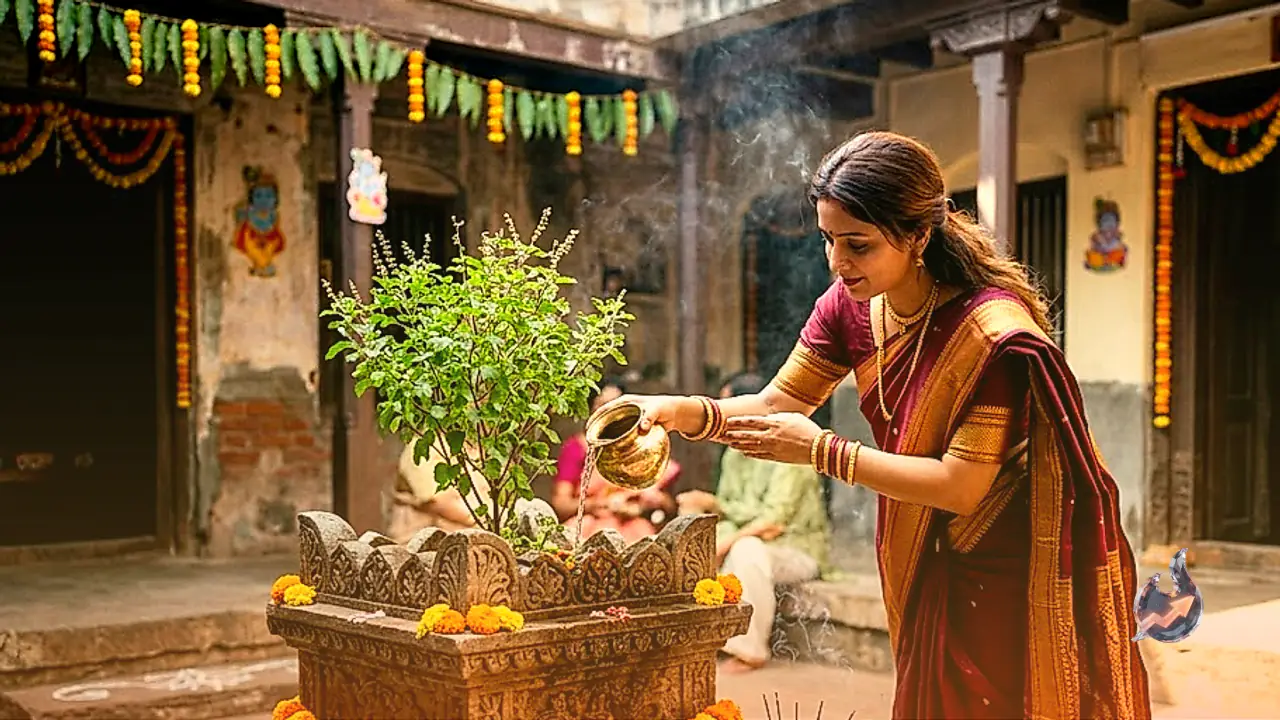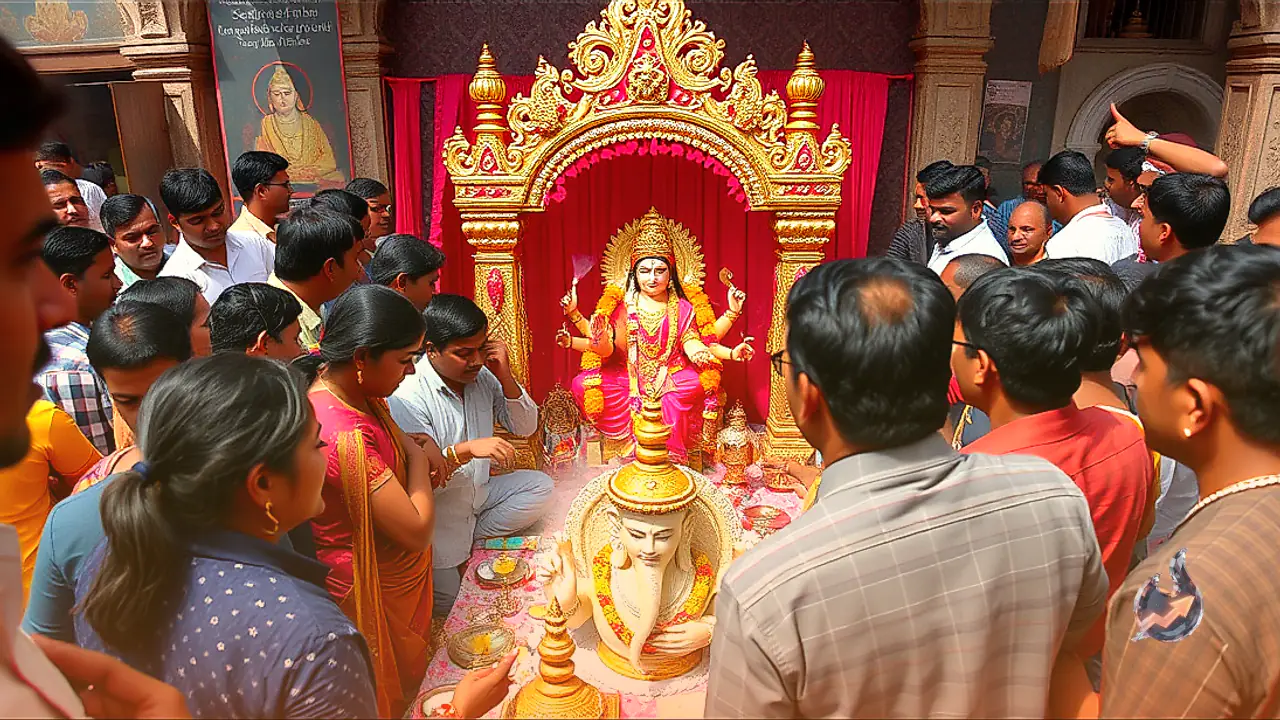



















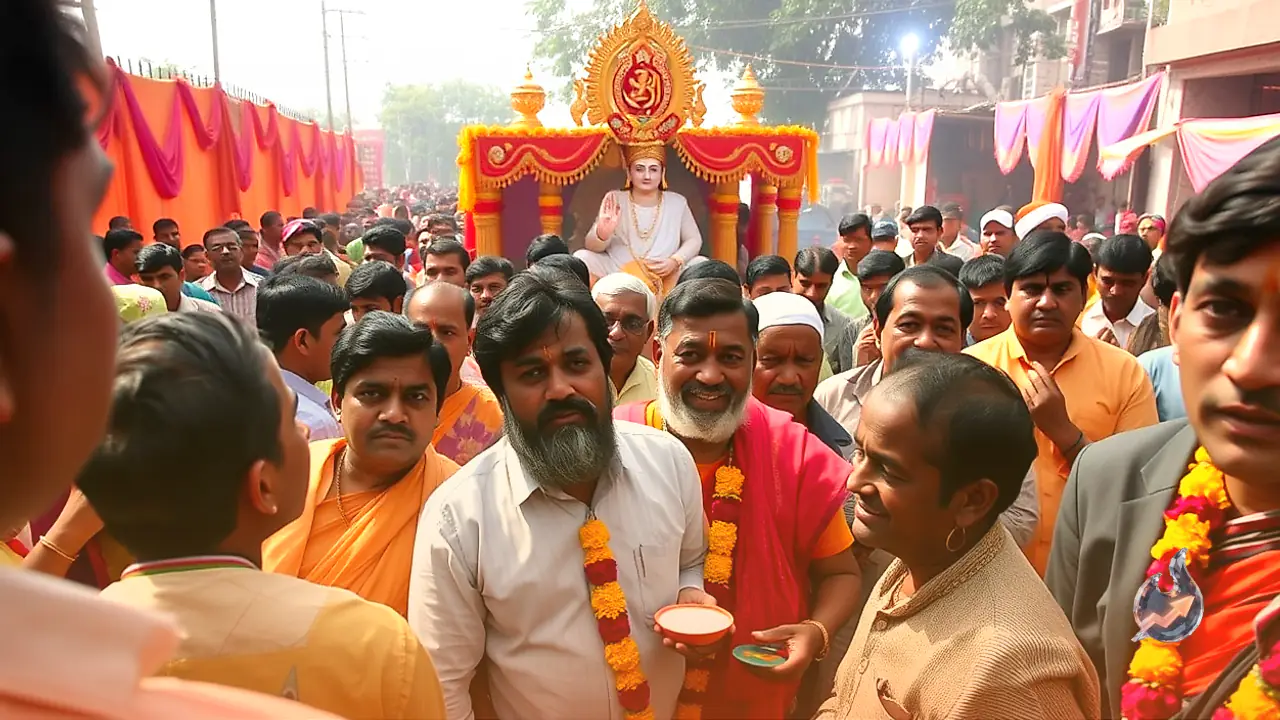

Across the country, devotees eagerly celebrate the birth of Lord Krishna on the Ashtami tithi of the Krishna Paksha in the month of Bhadrapada. On this revered day, worshippers direct their deepest devotion toward Laddu Gopal, the infant representation of the deity. Traditional beliefs hold that performing the prescribed rites with complete dedication brings immense peace, prosperity, and fulfillment of heartfelt wishes to a household. In spiritual practice, adhering strictly to traditional guidelines ensures that devotees receive the full spiritual merit of their devotions.
Auspicious Astrological Alignments for the Festival
According to renowned Deoghar astrologer Pandit Nandkishore Mudgal, the nationwide festival of Janmashtami falls on Saturday, August 16 this year. Astrologically, this date carries exceptional spiritual resonance due to rare celestial combinations. The festival coincides with the Krittika and Rohini Nakshatras, along with the simultaneous presence of Sarvartha Siddhi Yoga and Amrit Siddhi Yoga. These planetary and stellar alignments are regarded as intensely auspicious, significantly amplifying the spiritual rewards of prayers and rituals performed on this day.
Fasting Eligibility and Exemptions
Observing a fast is central to Janmashtami rituals, serving as a dedicated expression of surrender to Laddu Gopal. Astrological guidance indicates that nearly everyone can participate in this sacred practice, provided their physical condition allows it. However, ancient wisdom explicitly exempts individuals whose health might be jeopardized by dietary restrictions. Very elderly citizens, individuals struggling with chronic illnesses, and young children are advised against observing strict fasts, as personal well-being takes precedence over formal ritual austerity.
Ritual Discipline and Dietary Restrictions
Devotees should begin their observance during Brahma Muhurta, the auspicious pre-dawn hours. One must wake up early, bathe, wear clean clothes, and solemnly take the sankalp (formal vow) to observe the fast with pure intentions. Maintaining celibacy and mental purity throughout the day is an indispensable requirement. Dietary discipline must remain rigorous, as the consumption of grains, cereals, and regular salt is strictly forbidden on this day. Naturally, all forms of tamasic food must be excluded from the household entirely.
Those observing the fast may consume fresh milk and seasonal fruits. A fundamental spiritual principle mandates that devotees partake only of items that have first been offered to Laddu Gopal as naivedyam (sacred bhog). Once offered to the deity with genuine love, that sanctified food becomes prasad and can be consumed in moderation.
Method and Timing for Parana
Concluding the fast correctly through parana is just as crucial as observing the penance during the day. Rather than breaking the fast immediately after the midnight celebrations marking the birth of Lord Krishna, devotees must observe patience. Traditional protocol dictates that the fast should be formally broken the following morning before sunrise. Devotees are expected to take an early morning bath, perform regular morning prayers, offer salutations to the deity, and then consume light, pure food to complete the religious observance.