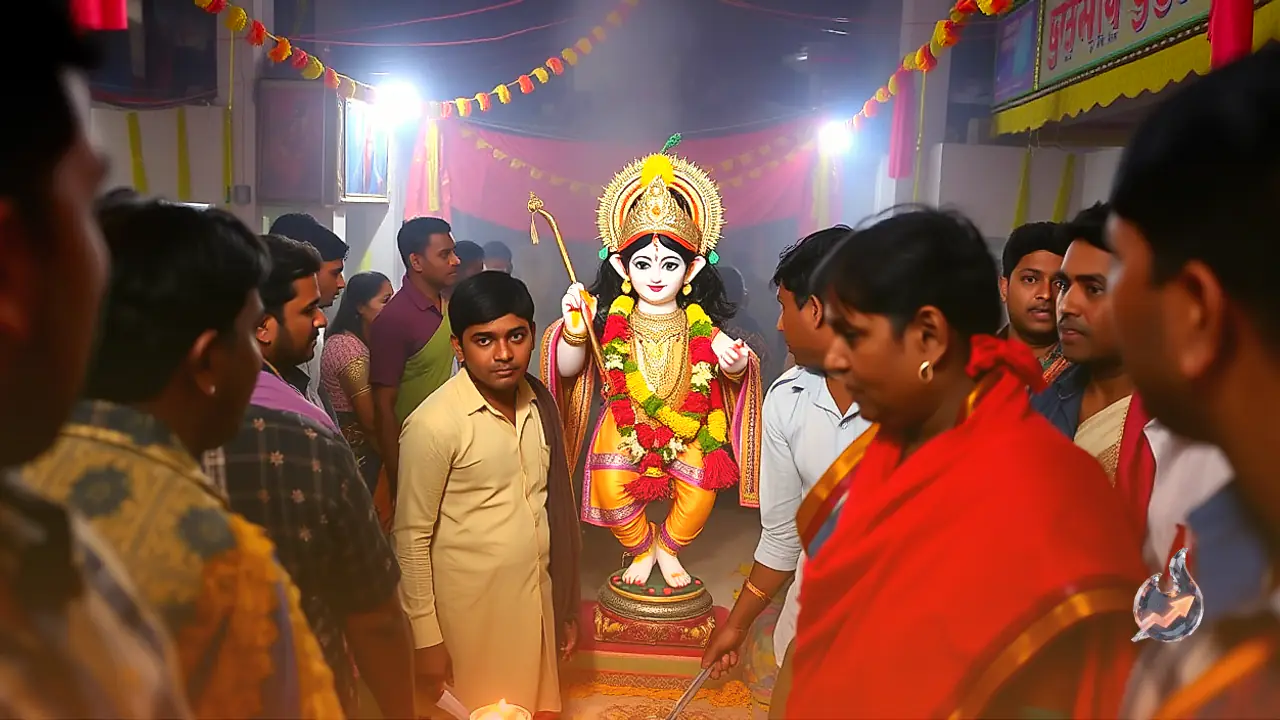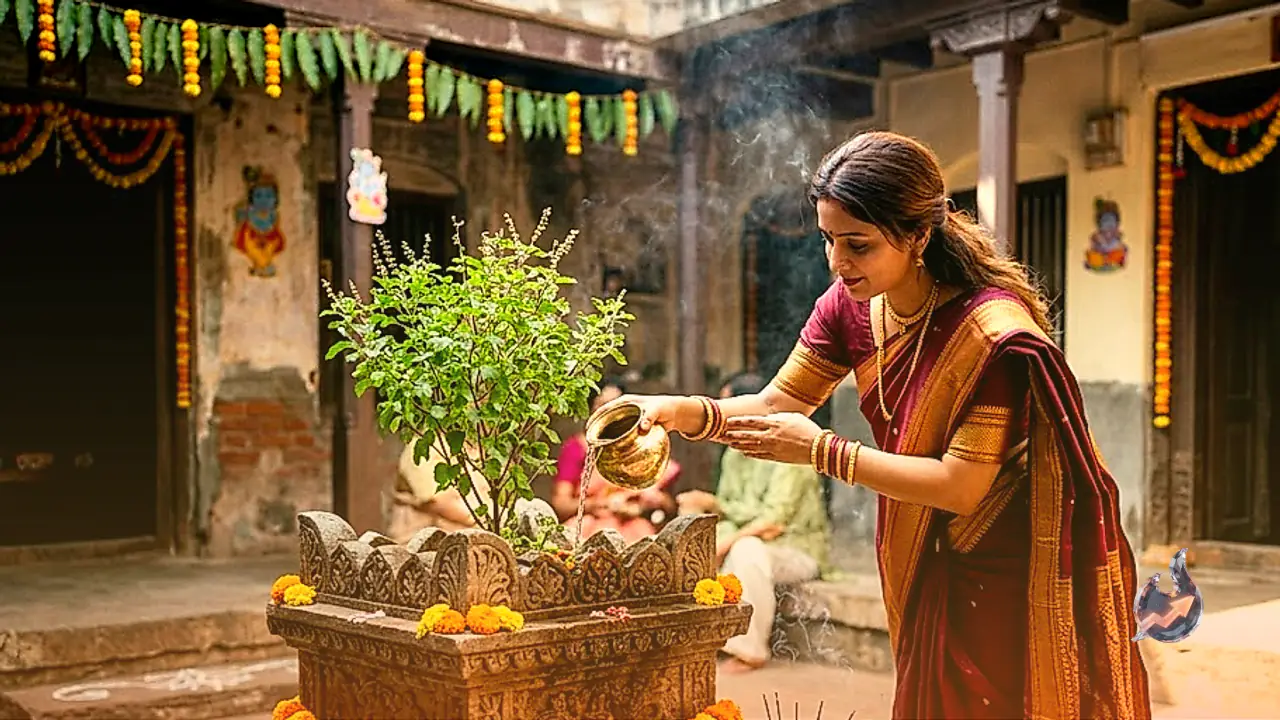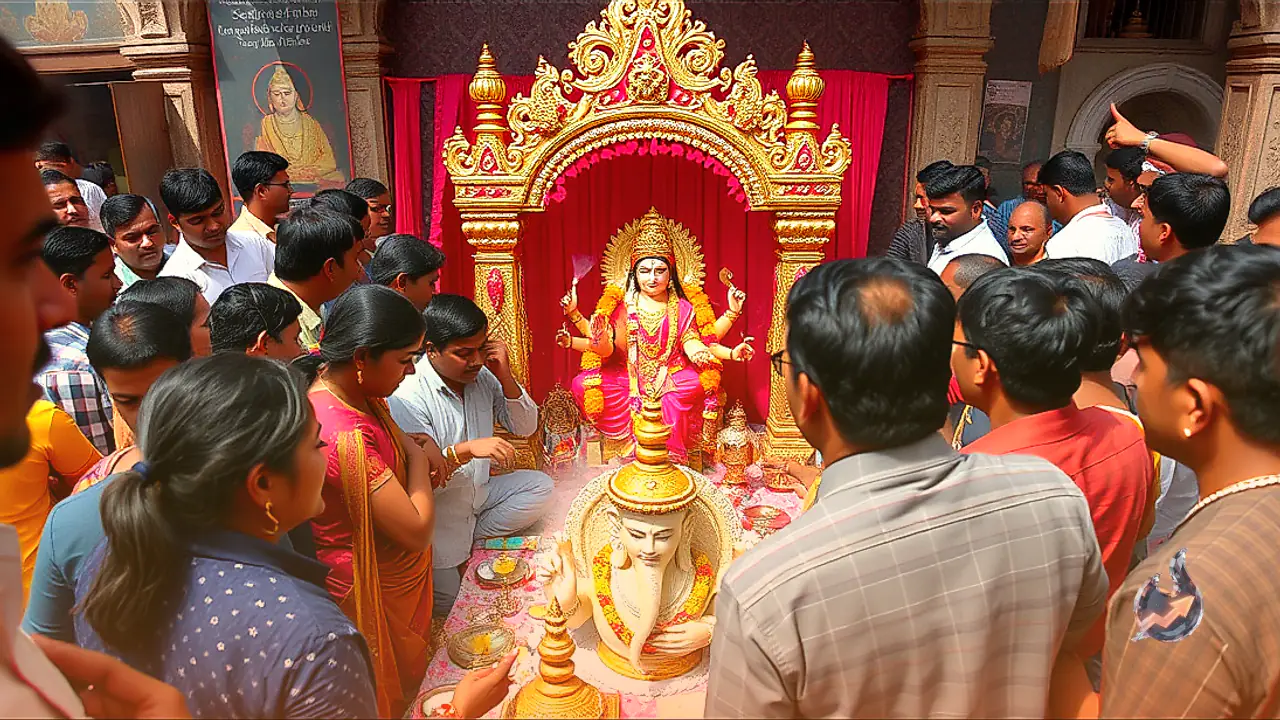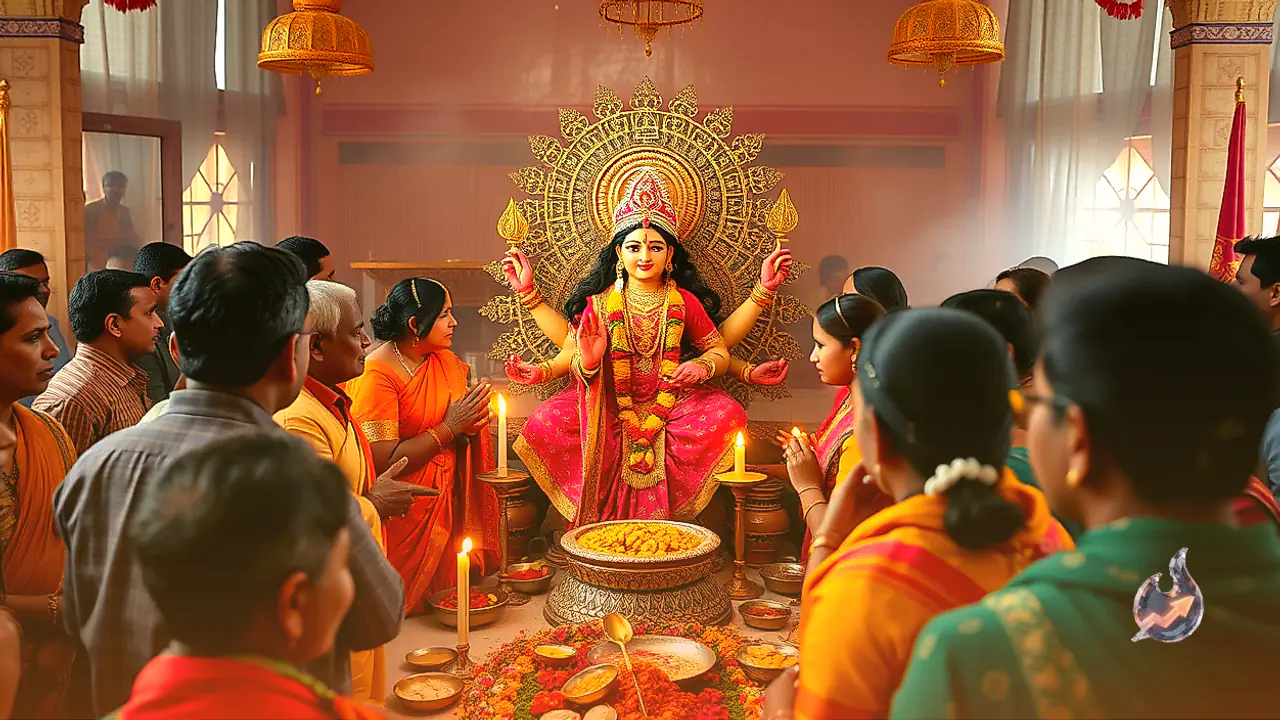























A rare and spiritually rewarding planetary configuration marks Monday, 19 October 2026, during the sacred festival of Shardiya Navratri. On this single day, the lunar calendar observes the seamless confluence of both Ashtami and Navami tithis of the Shukla Paksha in the month of Ashwin. Devotees across the country will engage in the devotional worship of Goddess Mahagauri during the morning hours, while later shifting to the reverent rituals for Goddess Siddhidatri and traditional Kanya Pujan. The fact that these sacred observances coincide with a Monday brings additional divine significance, creating a dual opportunity to seek the benevolent grace of Lord Shiva and Chandra Dev alongside the Divine Mother.
Tithi, Nakshatra, and Celestial Movements
According to the traditional astronomical calendar, the Ashwin Shukla Paksha Ashtami tithi extends until 10:51 AM in the morning. Immediately following this period, Navami tithi commences and remains active until 12:50 PM on the afternoon of Tuesday, 20 October, after which Dashami tithi begins. Within the stellar sphere, Uttara Ashadha nakshatra presides until 03:38 PM, after which Shravana nakshatra takes over the celestial stage. Regarding the karanas, Bava karana operates until 10:51 AM, transitioning subsequently into Balava karana, which lasts until 11:54 PM. Dhriti yoga remains in effect until 12:35 AM on 20 October. Throughout this day, the Moon traverses through the earth sign Capricorn, while the Sun stays positioned in the air sign Libra. Travelers should take note that Purva, or the East direction, carries the astrological blemish of Dishashool on this day.
Veneration of Goddess Mahagauri, Siddhidatri, and Kanya Pujan
Because Ashtami and Navami converge within the same daylight span, the day carries immense spiritual potency for Durga devotees. Rituals dedicated to Goddess Mahagauri should be conducted before 10:51 AM. In Vedic belief, Mother Mahagauri epitomizes supreme serenity, absolute purity, domestic joy, material prosperity, and marital well-being. Once Navami tithi begins at 10:51 AM, prayers shift to Goddess Siddhidatri, the ninth manifestation of Navadurga who bestows ultimate spiritual accomplishments. Sincere adoration of Mother Siddhidatri is believed to grant mental fortitude, fearlessness, righteous wisdom, and protective divine vibrations. Alongside the primary puja, households will perform Kanya Pujan. Devotees honor young girls as living embodiments of the Mother Goddess, ritually washing their feet, applying auspicious tilak, offering a freshly prepared vegetarian feast, and presenting traditional gifts and dakshina to earn their pure blessings.
Monday Shiva Vrat and Remedies for Chandra Dosha
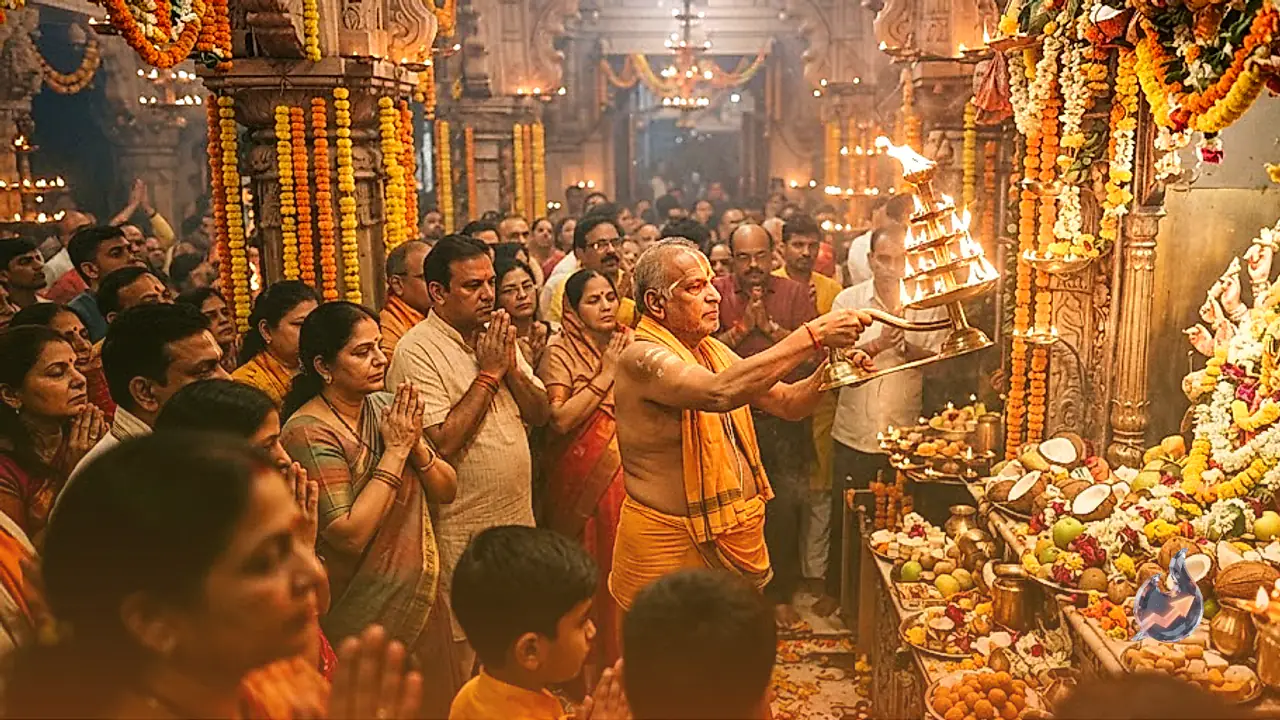
Mondays hold dedicated reverence for Lord Shiva and Chandra Dev. Devotees observing the Monday fast should begin the day with a holy bath before sunrise and enter a state of peaceful meditation. Offering clean water or sacred Ganga water over the Shivling serves as the primary ritual, followed by offerings of bael leaves, datura, white fragrant flowers, and seasonal fruits. Lighting aromatic incense and an earthen lamp while chanting either the sacred Mahamrityunjaya Mantra or the foundational Om Namah Shivaya mantra helps stabilize the intellect. Reciting the Shiva Chalisa and performing the grand aarti completes the ritual procedure. Fulfilling these worship practices on a Monday cleanses malefic afflictions associated with the Moon in an individual horoscope, strengthening emotional balance. In terms of Shivavas, Lord Shiva resides in the cremation ground until 10:51 AM, after which his presence dwells peacefully alongside Goddess Gauri.
Auspicious Hours and Yoga Timings
The solar timings for the day record sunrise at 06:29 AM and sunset at 05:54 PM. The Moon will rise above the horizon at 01:39 PM, with moonset occurring at 12:45 AM or 12:26 AM entering 20 October. For undertaking auspicious ceremonies, spiritual practices, or important beginnings, specific favorable windows exist. Brahma Muhurat extends from 04:44 AM to 05:34 AM, offering the ideal environment for deep meditation. The universally beneficial Abhijit Muhurat falls between 11:44 AM and 12:29 PM. Additional beneficial windows include Vijaya Muhurat from 02:01 PM to 02:46 PM and Godhuli Muhurat from 05:49 PM to 06:14 PM. The rejuvenating Amrit Kaal spans from 08:29 AM to 10:16 AM, while Nishita Muhurat runs from 11:42 PM to 12:32 AM on the night of 20 October. A particularly rare cosmic alignment occurs between 03:38 PM and 06:25 AM the following morning, during which Sarvartha Siddhi Yoga and Ravi Yoga operate simultaneously to ensure success in constructive actions.
Inauspicious Periods and Astrological Caution
To avoid obstacles, religious traditions advise refraining from commencing new ventures or signing important documents during inauspicious astrological spans. On 19 October, Rahukaal prevails from 07:50 AM to 09:16 AM, marking a window strictly unsuited for religious initiations or financial commitments. Yamaganda runs from 10:41 AM to 12:07 PM, while Gulika Kaal continues from 01:32 PM to 02:58 PM. In addition, Aadal Yoga remains active from 08:58 AM to 05:25 PM, followed by Vidaal Yoga from 05:25 PM until 06:25 AM on 20 October. A short Durmuhurat period lasts from 12:29 PM to 01:15 PM, and Varjyam takes effect from 08:02 PM to 09:48 PM. Avoiding travel toward the east and postponing critical worldly transactions during these restricted spans ensures peaceful execution of personal duties.