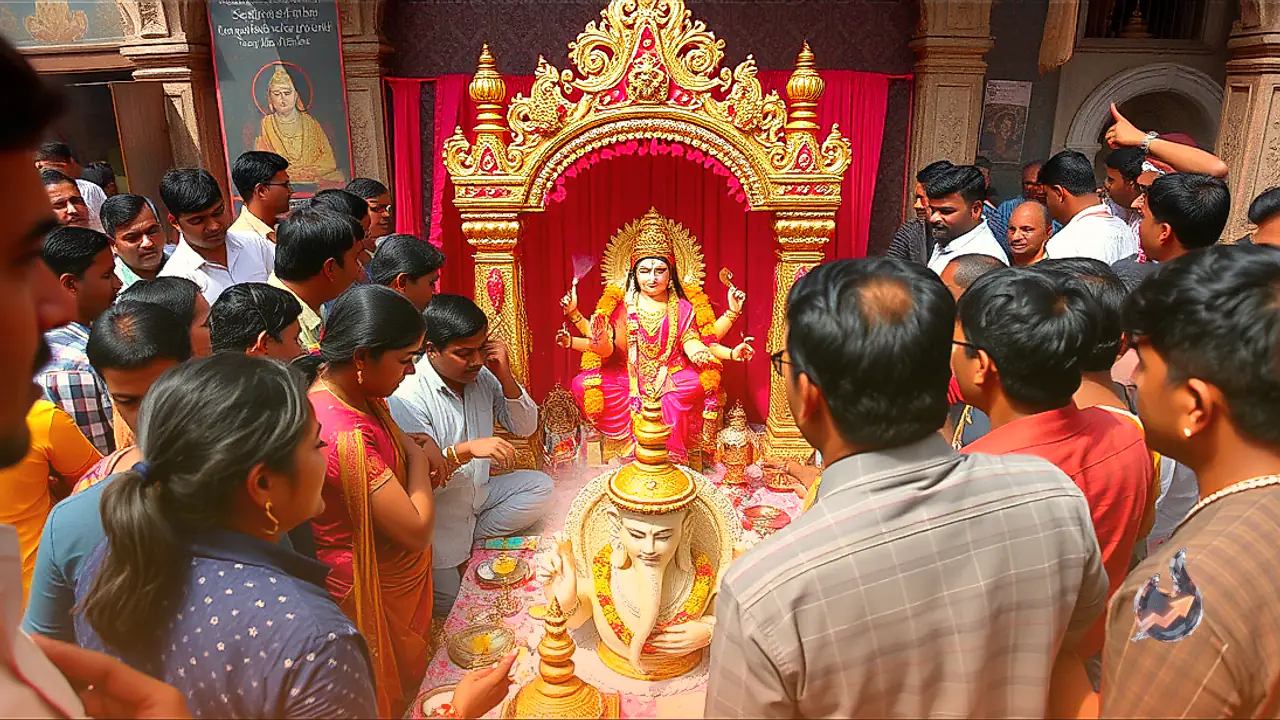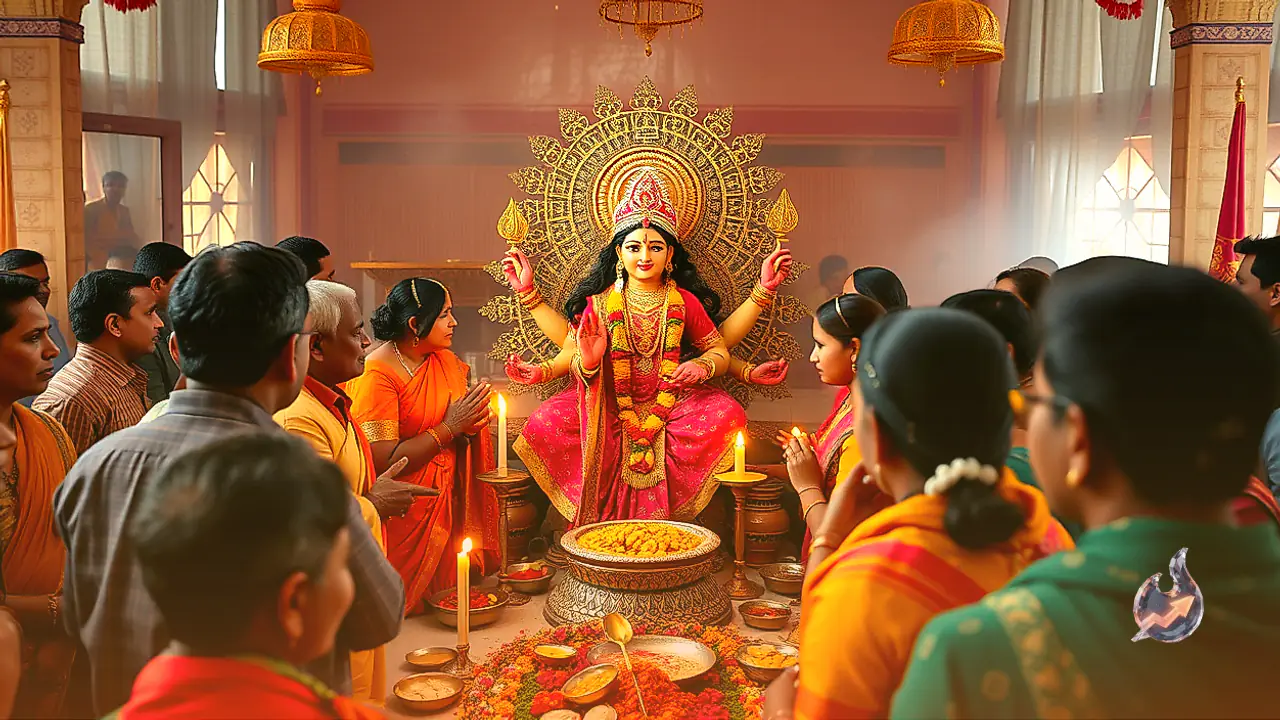
















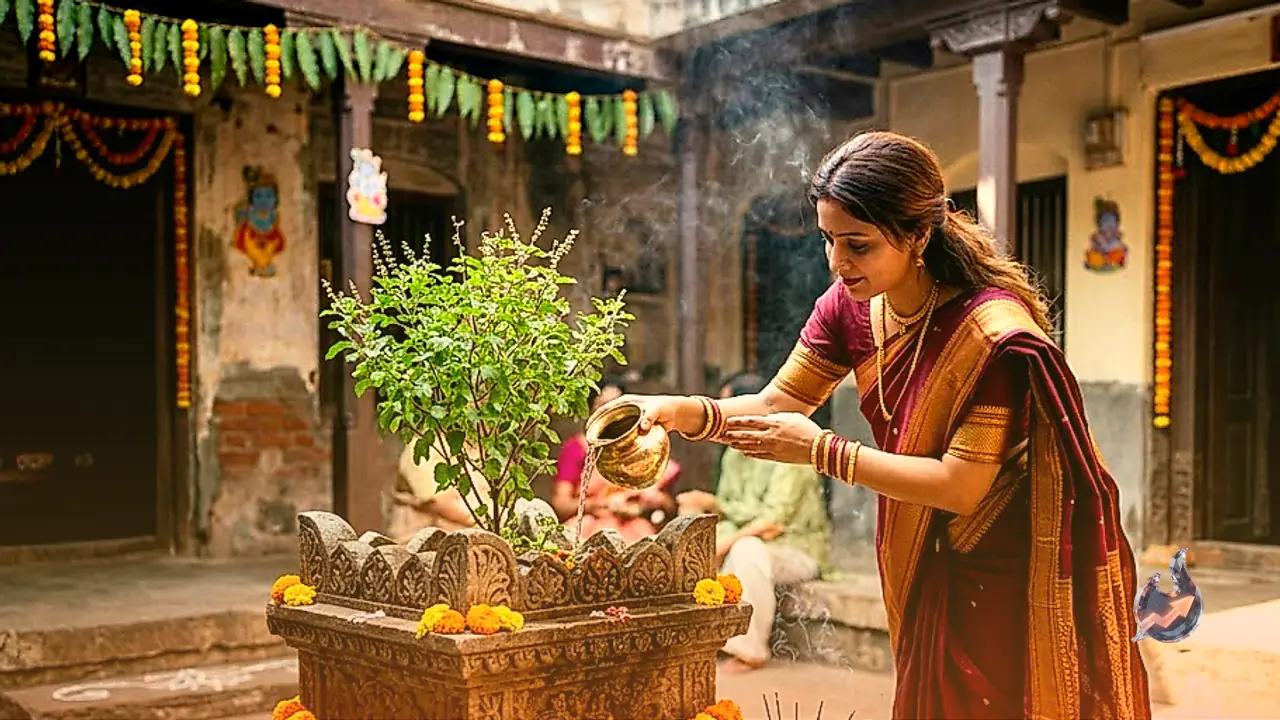

Krishna Janmashtami, marking the birth of Lord Krishna, is celebrated with immense devotion across the country. Along with worshipping the infant form of Krishna, offering prayers to the holy basil or Tulsi plant holds supreme spiritual significance on this auspicious day. Tulsi is considered exceptionally dear to Lord Vishnu, making its dedicated worship an integral part of the festival. However, devotees must exercise caution and adhere strictly to traditional norms to avoid common ritualistic mistakes.
Necessity of Tulsi Leaves in Bhog and Plucking Restrictions
According to Acharya Banshidhar Jha of Purnia, any food offering or prasad presented to Lord Krishna must include fresh Tulsi leaves. Scriptural traditions state that Krishna does not accept any offering lacking a Tulsi leaf. At the same time, devotees must refrain from plucking Tulsi leaves on the day of Janmashtami itself. The occasion holds equal spiritual sanctity for Mata Tulsi as it does for Lord Krishna, meaning leaves required for the festival rituals should be plucked beforehand.
Essential Ritual Precautions to Follow
Acharya Banshidhar Jha highlights several behavioral rules that devotees should observe during the prayer ceremony. Women must ensure their hair is properly tied before performing Tulsi worship. Wearing black garments during the rituals is completely prohibited. Furthermore, devotees must strictly avoid touching the Tulsi plant during the evening hours of Janmashtami, as Tulsi is revered as an embodiment of Goddess Lakshmi, and physical contact at dusk is considered inappropriate.
Circumambulation and Recitation of Sacred Names
On this holy day, devotees should stand before the Tulsi plant with folded hands, convey their heartfelt prayers, and perform parikrama or circumambulation around the sacred pot. Cleanliness is of utmost importance, and the space surrounding the plant must be kept free of dirt or waste. To invoke the combined blessings of Lord Krishna and Goddess Lakshmi, chanting the divine names of Krishna, including Gopal, Govind, Devakinandan, and Damodar, in front of the Tulsi plant is considered highly rewarding.