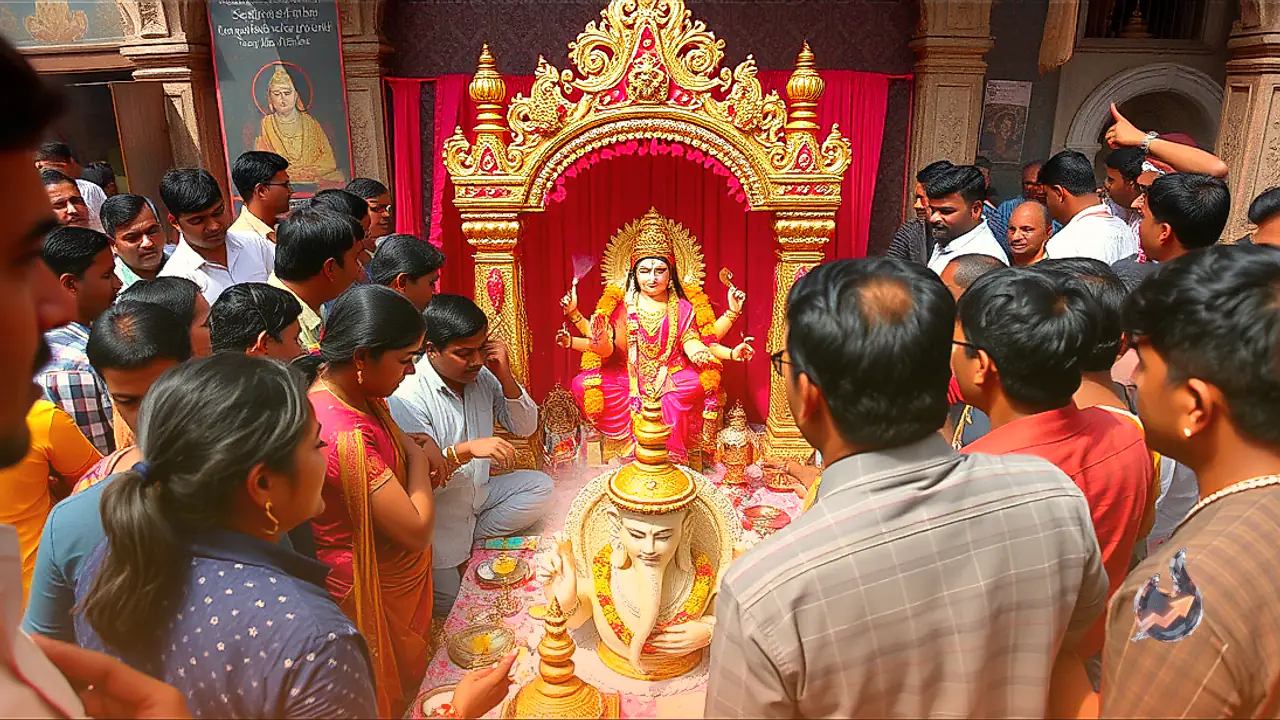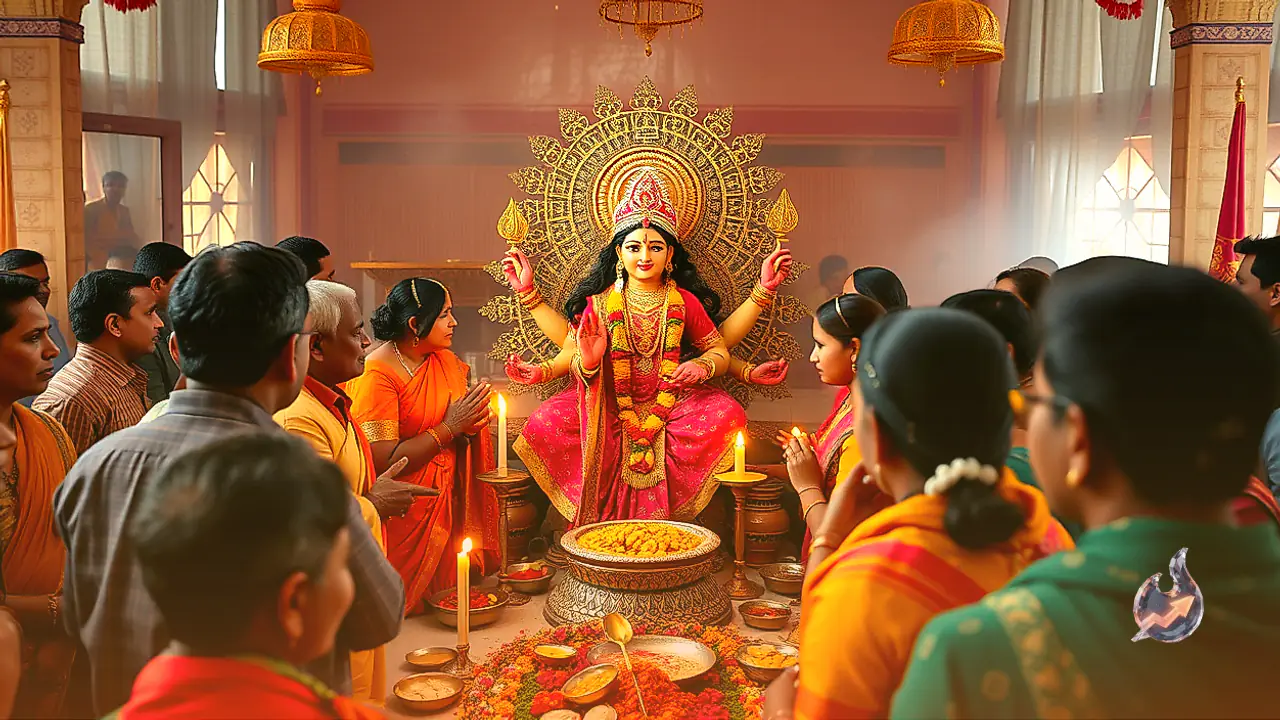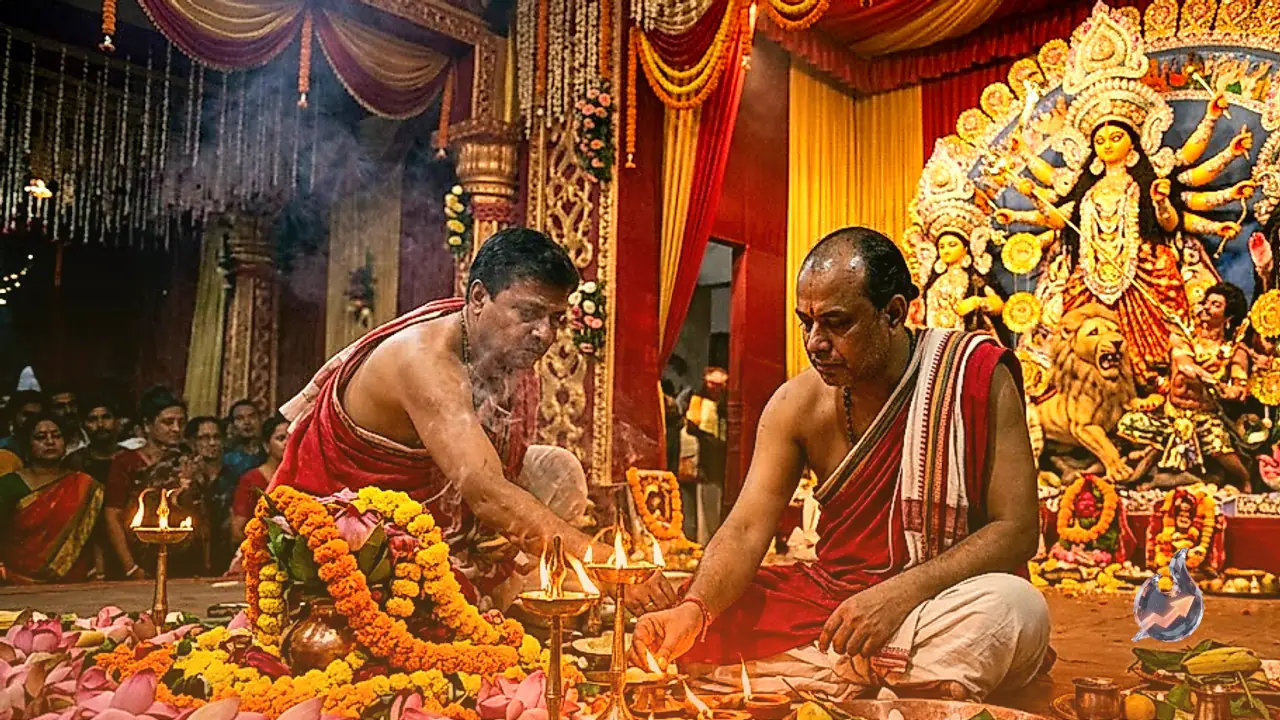





















The auspicious festival of Hartalika Teej holds immense spiritual significance for married women as well as unmarried young women across the country. Scheduled to be celebrated on 26 August, this sacred occasion is dedicated to the worship of Lord Shiva and Goddess Parvati. Married women observe this rigorous fast to pray for the longevity, well-being, and sustained marital bliss of their husbands, known traditionally as akhand saubhagya. Simultaneously, unmarried maidens observe the waterless fast with deep reverence, seeking a compatible and virtuous life partner. Traditional beliefs hold that sincere prayers offered to the divine couple on this day fulfill all heartfelt wishes. However, because the rituals of this observance are exceptionally strict, even inadvertent errors can strip away the religious merits earned through this austere dedication.
The Sanctity of Vows and Strict Fasting Guidelines
Highlighting the spiritual discipline demanded by the occasion, astrologer Pandit Shatrughan Jha from Jamui notes that women observing the Hartalika Teej fast must abide by strict moral and behavioral norms. Foremost among these is the commitment to truthfulness and unwavering dedication to the vow. He explains that if a person doubts their physical capability to endure such an arduous ritual, they should refrain from undertaking the fast altogether. However, once the solemn pledge of a waterless fast is taken, it must not be abandoned midway under ordinary circumstances. An exception exists strictly for individuals dealing with serious illness or navigating extreme hardships, where medical and compassionate exemptions apply naturally.
Dietary Restrictions and Maintaining Ritual Purity
The core discipline of the day revolves around total abstinence from both nourishment and hydration. Astrologer Pandit Shatrughan Jha emphasizes that consuming even a sip of water or a grain of food midway invalidates the fast entirely, stripping away any spiritual returns that the devotee hoped to achieve. Alongside dietary restraint, utmost cleanliness is paramount. Women observing the fast are instructed to keep away from touching any impure or unhallowed objects. Every aspect of the surroundings, from personal clothing to the sacred prayer space, must reflect immaculate physical and ceremonial cleanliness throughout the day and night.
Restraint from Anger, Quarrels, and Domestic Discord
Fasting during Hartalika Teej is as much an internal emotional exercise as it is a physical endurance test. Astrologer Pandit Shatrughan Jha points out that engaging in household arguments, harboring anger, or entering into verbal conflict with one's spouse drastically erodes the benefits of the penance. Domestic peace, mental serenity, and genuine goodwill are considered essential preconditions for the divine grace of Lord Shiva and Goddess Parvati to be received. A agitated mind or a conflicted household disrupts the devotional sanctity required for the prayers to bear fruit.
Grooming Restrictions, Traditional Adornment, and Night Vigil
Traditional customs establish strict protocols regarding personal grooming and outward appearance on this auspicious day. According to Pandit Shatrughan Jha, cutting hair or trimming nails on the day of Teej is regarded as highly inauspicious. Furthermore, married women are expected to avoid neglecting traditional embellishments. Instead, observing the full traditional adornment, commonly referred to as solah shringar, is considered essential prior to entering the ceremonial prayer area. Sleeping during the daytime or retiring to bed at night is also traditionally forbidden for the fasting devotee. The scriptural injunction mandates an overnight vigil, known as jagran, during which women gather to chant hymns, sing devotional songs, and contemplate the divine virtues of Shiva and Parvati. Disregarding these established prohibitions renders the observance incomplete, depriving the devotee, her spouse, and the broader family of the desired spiritual protection and blessings.