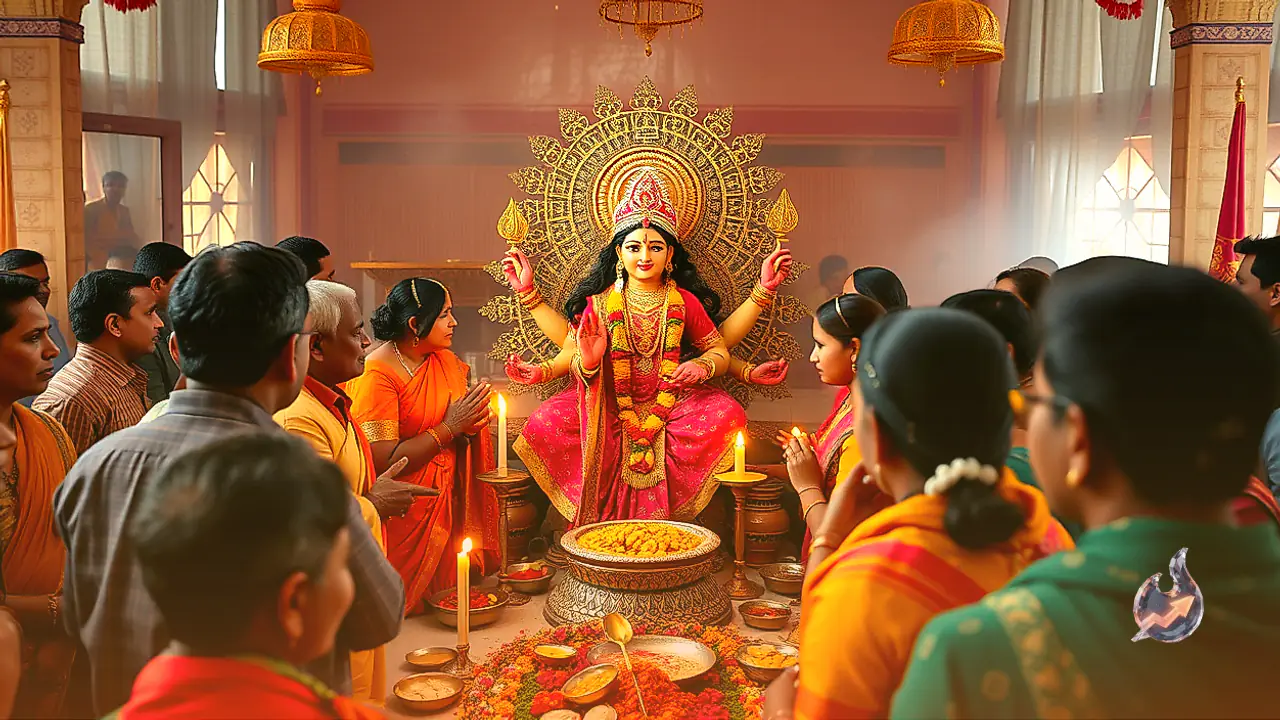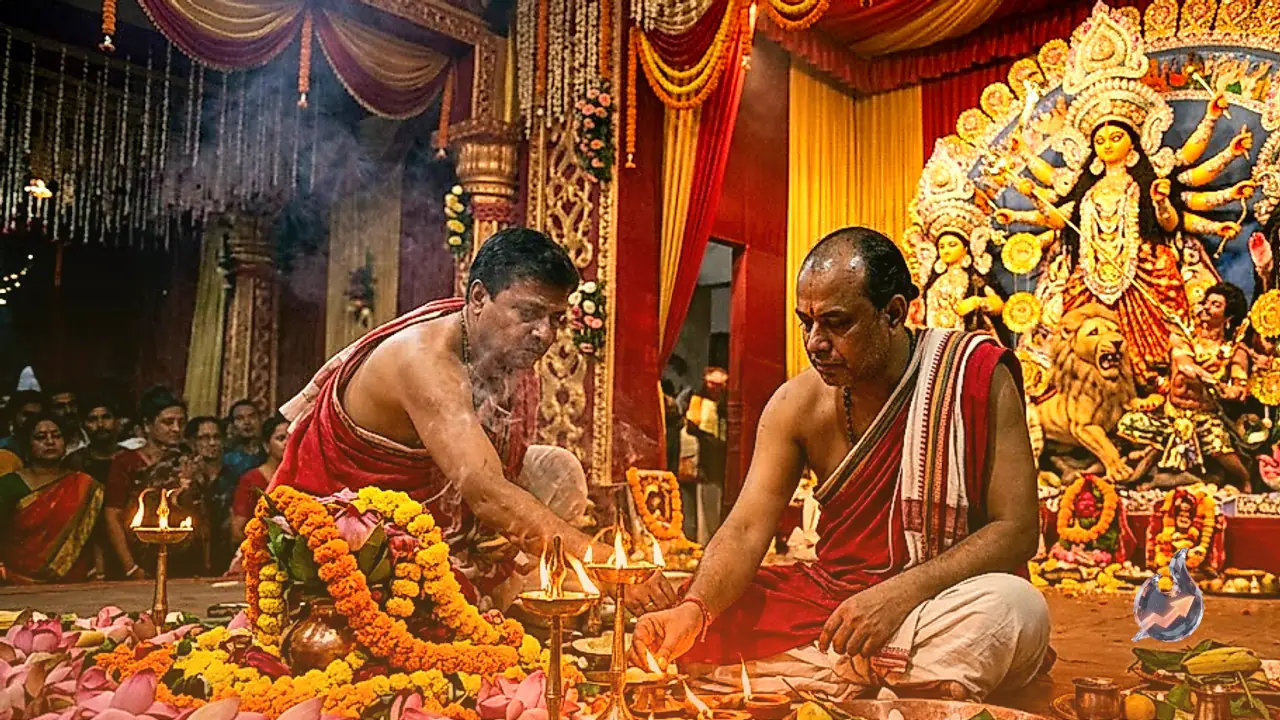




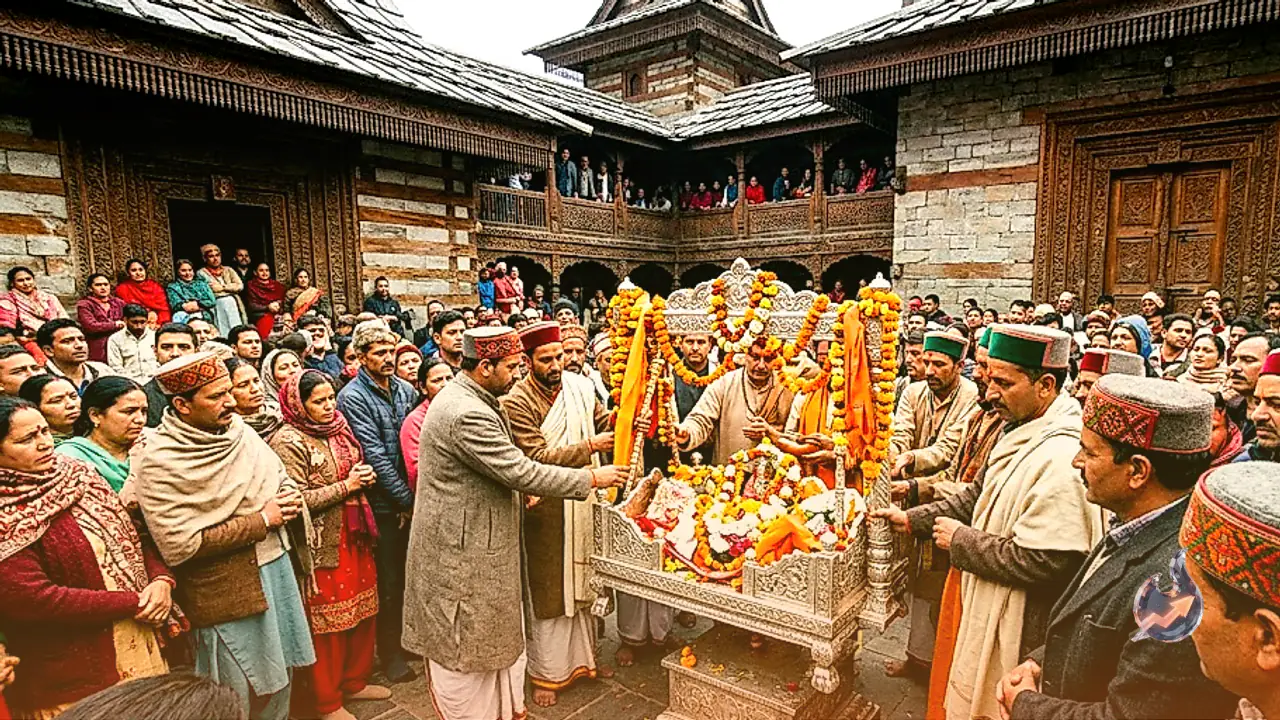
















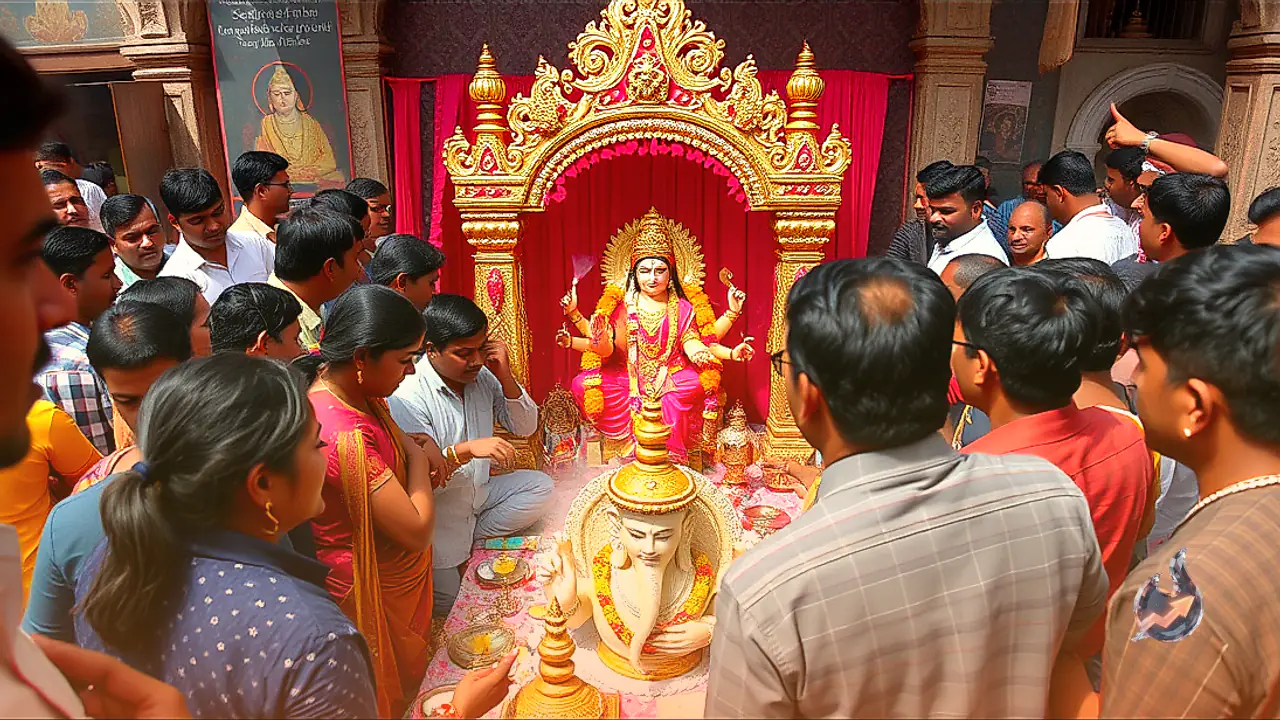

The auspicious festival of Shardiya Navratri 2026 has commenced, marking nine holy days devoted to the worship of Goddess Durga. The inaugural day belongs to Maa Shailputri, the very first manifestation among the Navadurgas. The name Shail translates to mountain, referring to her incarnation as the daughter of the king of the Himalayas, also venerated as Parvati. Representing unwavering strength, serene grace, and purity, her worship inaugurates the entire festive observance. During this period, numerous devotees observe a complete nine-day fast, while others observe fasting selectively on Pratipada and Ashtami. Spiritual belief holds that worshipping Maa Shailputri with true devotion bestows mental peace, inner courage, and prosperity.
Auspicious Timings for Kalash Sthapana and Day Yogic Alignments
Ghatasthapana, also known as Kalash Sthapana, represents the cornerstone ritual of the festival's opening day. Clear astrological windows have been outlined for welcoming the goddess and installing the sacred vessel. Devotees can perform this ritual during the morning slot from 06:19 AM until 10:12 AM. For those unable to complete the setup during early morning hours, a favorable midday window is available during Abhijit Muhurat, running from 11:44 AM to 12:31 PM.
Several other significant astronomical phases and yogas mark the day. The dawn period of Brahma Muhurat extends from 04:40 AM to 05:30 AM, providing an ideal peaceful interval for morning prayers. The afternoon Abhijit Muhurat spans from 11:44 AM to 12:31 PM. Later in the evening, Dvipushkar Yoga takes place between 09:30 PM and 10:32 PM. Across the calendar day, Vaidhriti Yoga continues from dawn until 09:05 PM, while the Chitra Nakshatra remains active from the morning through 10:32 PM.
Five Essential Steps for Performing Ghatasthapana
Installing the sacred kalash demands purity of heart, cleanliness of environment, and compliance with long-standing religious practices. The ritual unfolds through five clear stages
- Preparing the sacred area: Wake up prior to dawn, take a bath, and dress in tidy clothes. Clean the worship corner thoroughly and position a clean idol or framed image of Goddess Durga alongside Maa Shailputri.
- Sowing the barley seeds: Fill a shallow earthen basin with clean garden soil. Scatter barley grains evenly over the surface and moisten the soil by sprinkling water, setting the foundation for sprouting over the festive period.
- Arranging the sacred vessel: Fill an earthen or metal kalash with clean water or sacred Gangajal. Place a betel nut, unbroken rice grains, and a metal coin inside the water according to tradition. Lay fresh mango leaves or ashoka twigs around the neck of the pot.
- Positioning the coconut: Take a whole coconut, wrap it neatly in a clean red fabric or sacred chunari, and set it firmly upon the mouth of the decorated kalash. Place this assembled vessel directly beside the basin sown with barley.
- Commencing daily worship: Present vermilion, unblemished rice, fresh blossoms, fragrant incense, and a lit ghee lamp before the goddess and the kalash. Meditate upon the divine mother, recite the sacred verses, and perform aarti with complete devotion.
Sacred Offerings and Preferred Delicacies
Devotional texts mention that Maa Shailputri has a strong affinity for the color white, symbolizing absolute purity and truth. Consequently, worshippers incorporate white articles across all aspects of the first day's rituals. The customary offerings include fresh white blossoms, pure milk, confections prepared from thickened milk, and clarified cow butter. Many households prepare traditional white rice pudding known as kheer or white pedas to present as sacred naivedya. Once the ritual concludes, this blessed food is shared among family members and visiting seekers as prasad.
Invocation Chants and Aarti Traditions
Prayers directed to Maa Shailputri focus on her serene visage, her vehicle the bull, and the trident she holds in her hands. Devotees chant ancient shlokas seeking fulfillment of pure aspirations and relief from life's hurdles
Vande Vanchhitalabhaya Chandrardhakritashekharam, Vrisharudham Shuladharam Shailaputrim Yashasvinim.
The universal hymn praising her presence within every living entity as Shailputri is also recited with reverence
Ya Devi Sarvabhuteshu Shailaputri Rupena Samsthita, Namastasyai, Namastasyai, Namastasyai Namo Namah.
To conclude the worship, devotees light a pure ghee wick lamp and sing the traditional aarti praising her bond with Lord Shiva, her boundless mercy, and her role in removing grief. The service closes with joyous collective chants celebrating the maternal protection of the goddess.