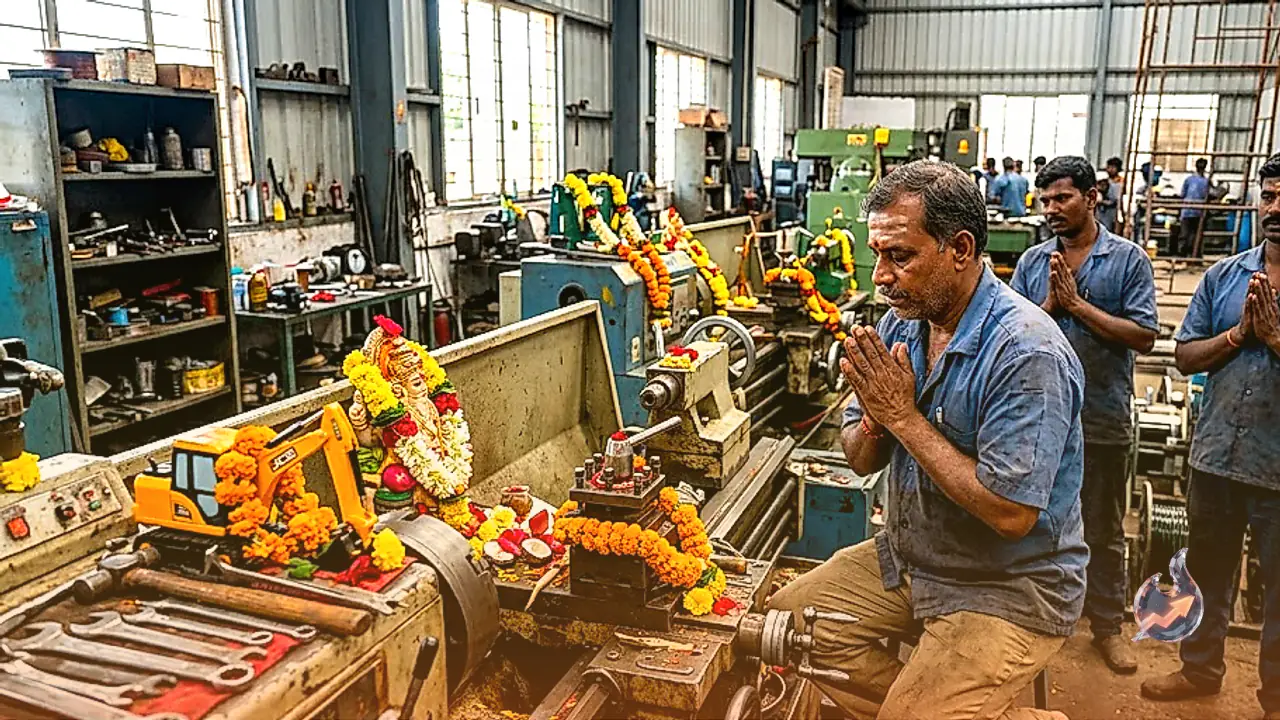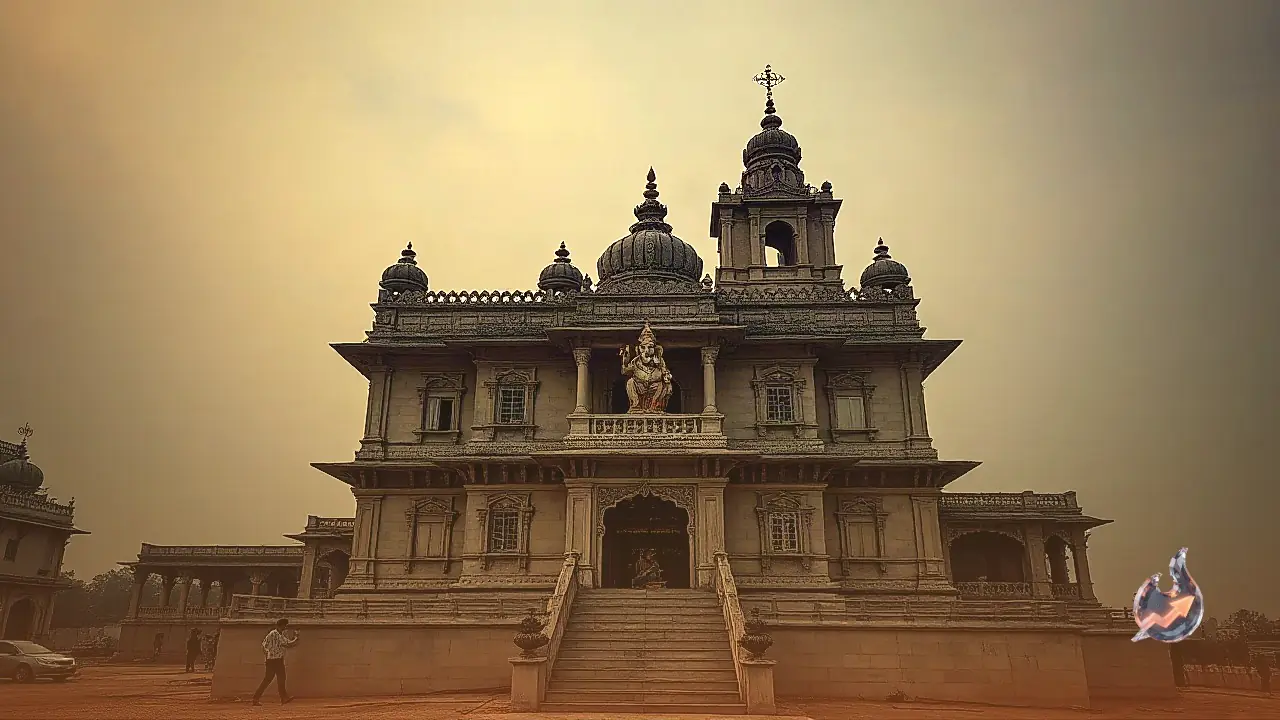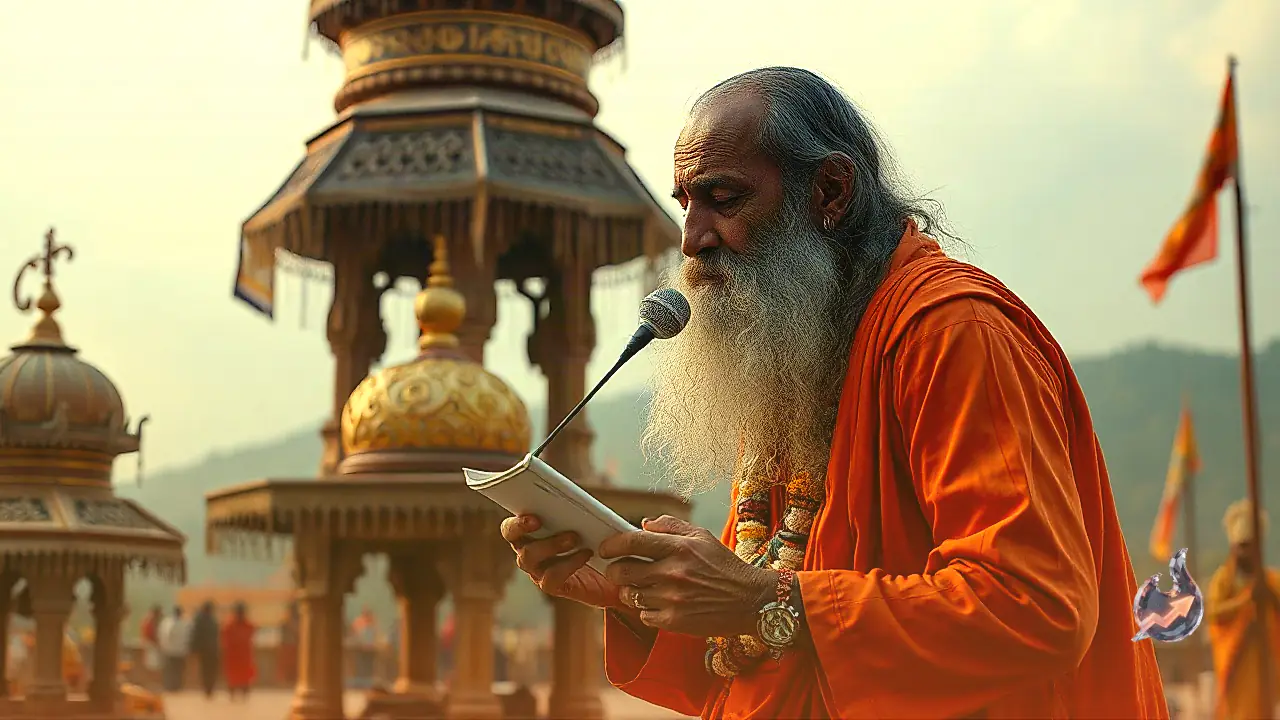























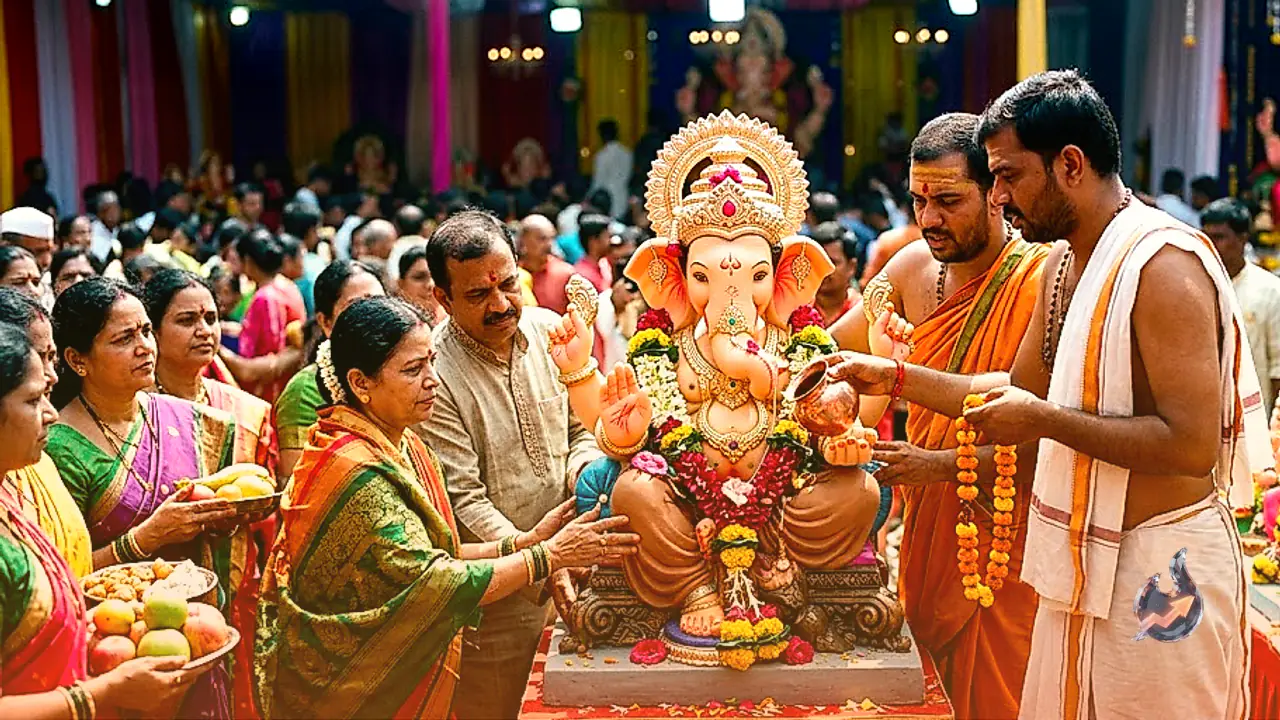

Devotees across homes and public pandals are marking the grand arrival of Lord Ganesha on the sacred occasion of Shukla Paksha Chaturthi in the month of Bhadrapada. Revered as the remover of all obstacles and the foremost deity worshiped before commencing any auspicious task, Lord Ganesha's festival is being celebrated with immense enthusiasm and spiritual devotion. Traditional beliefs hold that honoring Ganpati Bappa on this day eliminates lifelong hardships and invites enduring prosperity and peace into households. Astrologically, this year's observance stands out as exceptionally favorable due to an unusual convergence of celestial yogas and powerful planetary alignments.
Chaturthi Tithi Timings and Udaya Tithi Relevance
According to astronomical calculations, the Chaturthi Tithi commences on September 14 at roughly 7:06 AM. The tithi will continue through the following morning, drawing to a close on September 15 at approximately 7:44 AM. In Vedic tradition, festivals and major religious rituals are scheduled in accordance with Udaya Tithi, the lunar day prevailing at sunrise. Adhering to this established scriptural custom, the primary festivities of Ganesh Chaturthi are observed on the day influenced by Udaya Tithi, guiding devotees on the proper schedule for bringing the deity home.
Significance of Madhyahna Period for Ganpati Sthapana
The afternoon period holds unmatched spiritual importance for both idol installation and ceremonial worship during Ganesh Chaturthi. Religious texts record that Lord Ganesha was manifested during the Madhyahna, or midday interval. Consequently, scriptural guidelines prescribe the afternoon as the ideal span for carrying out the ritual invocation and Pran Pratishtha of the idol. Astrological traditions affirm that worship performed during this specific solar window delivers extraordinary spiritual merit and fulfills the earnest prayers of devotees.
The Precise 2-Hour and 28-Minute Puja Window
The designated auspicious window for Ganesh Puja begins at 11:01 AM and lasts until 1:29 PM. This gives devotees an uninterrupted timeframe of precisely 2 hours and 28 minutes to conduct their invocations, set up the altar, and perform the traditional Shodashopachara rituals. Astrologers recommend that families and community organizers complete the primary installation ceremonies within this midday stretch to maximize spiritual auspiciousness.
Planetary Combinations: Brahma, Indra, Ravi, Hansraj, and Malavya Yogas
The celestial framework on this Ganesh Chaturthi features a confluence of multiple propitious planetary configurations. Along with Brahma Yoga, Indra Yoga, and Ravi Yoga, two classical imperial combinations are active simultaneously. Jupiter's exaltation generates the revered Hansraj Yoga, while Venus transiting through its own sign of Libra produces the prestigious Malavya Rajyoga. Each of these alignments carries distinct traditional significance
- Brahma Yoga: Widely regarded in Vedic astrology as an optimal alignment for starting noble tasks and initiating auspicious commitments.
- Indra Yoga: Known for supporting holy rites and ensuring the steady completion of religious ceremonies.
- Ravi Yoga: Regarded as a defensive celestial shield that clears away negative influences and leads undertakings toward success.
- Hansraj Yoga: Formed through Jupiter's strength, this yoga is believed to remove past afflictions and bring spiritual wisdom during prayer.
- Malavya Rajyoga: Driven by the influence of Venus, it signifies family contentment, material well-being, peace, and domestic harmony.
Mythological Roots and the Tradition of Visarjan
According to sacred folklore, Goddess Parvati gave birth to Lord Ganesha on the Chaturthi of the bright fortnight of Bhadrapada. Bestowed with the divine status of Pratham Pujya, Lord Ganesha must be invoked before undertaking any novel endeavor, business venture, or spiritual rite. Families welcome the clay deity into their homes, conduct daily prayers according to regional traditions, and eventually perform Visarjan after the designated days of festivity. Devotees hold the firm conviction that as Ganpati Bappa departs, he carries away all household tribulations and leaves behind divine benevolence and auspicious beginnings.