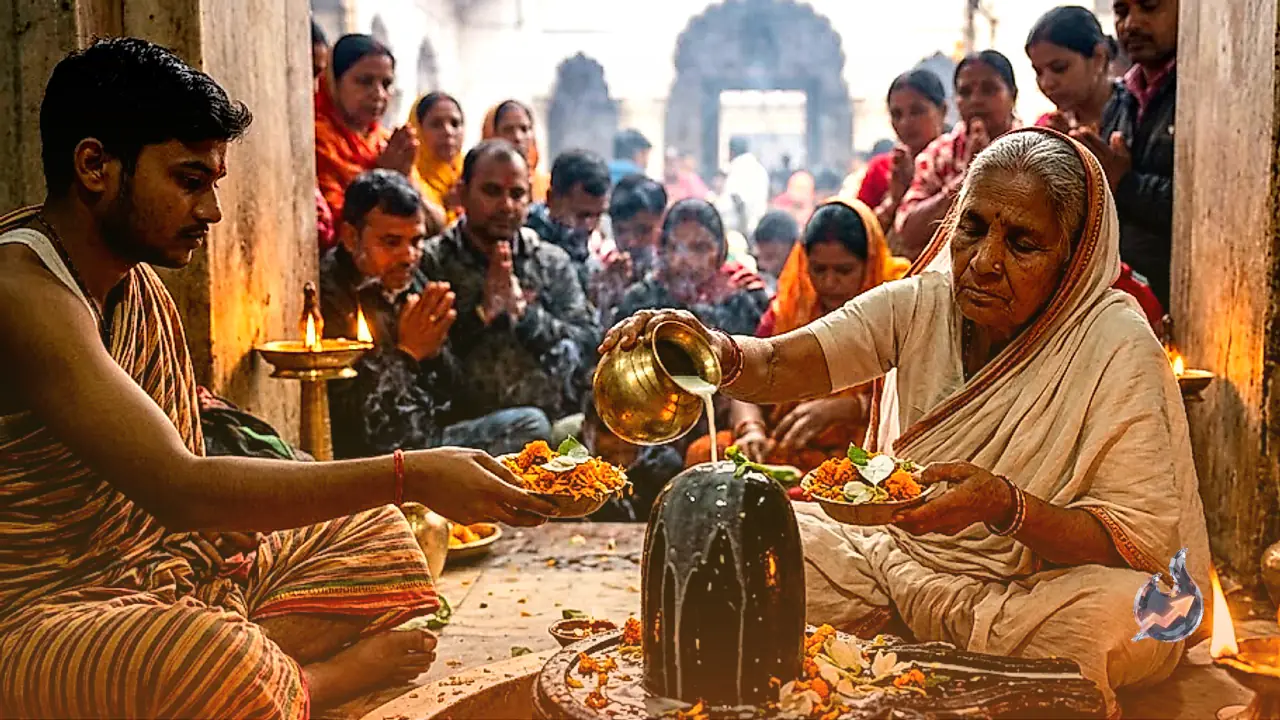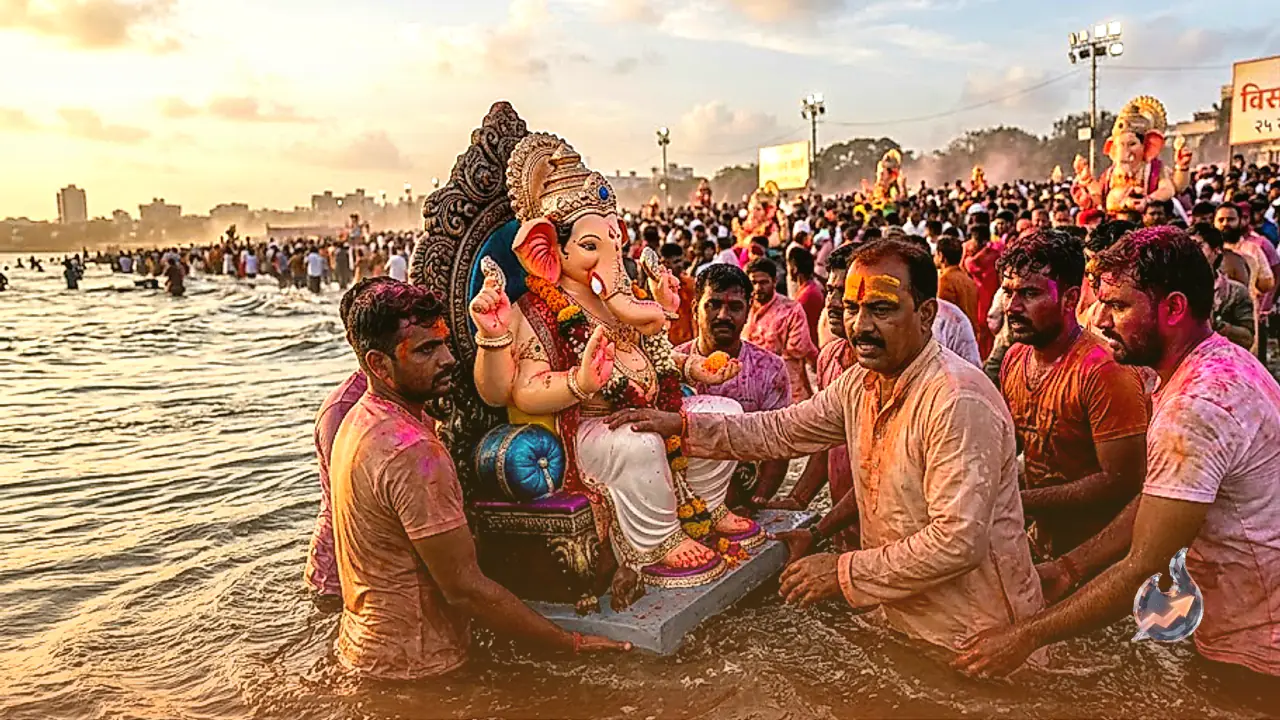





















In Sanatan Dharma, the transition period between the Bhadrapada and Ashwin months holds deep spiritual significance as a dedicated time to remember and honor ancestors. Clear understanding regarding the exact schedule for Pitru Paksha 2026 helps devotees observe these sacred rituals properly, with the main sequence of Shraddh set to begin on September 27. This 16 day solemn period offers families an opportunity to express gratitude to their departed forefathers and ancient sages. According to traditional beliefs, performing Tarpan, Pind Daan, Shraddh, and charitable acts during this fortnight brings peace to the souls of ancestors and secures their enduring blessings for the household.
Exact Dates and Panchang Schedule for Pitru Paksha 2026
The formal commencement of Pitru Paksha in 2026 takes place on September 27, concluding on October 10 with Sarva Pitru Amavasya. To resolve any confusion regarding dates, calculations based on the traditional calendar detail the specific Tithi timings. The Pratipada Tithi of Ashwin month's Krishna Paksha begins on September 26 at 10:18 PM and ends on September 27 at 8:58 PM. Following the sunrise rule (Udayatithi), the first official Shraddh for ancestors will be performed on Sunday, September 27. Meanwhile, Bhadrapada Purnima and the mandatory Rishi Tarpan ritual take place a day prior, on September 26.
The Tradition of Rishi Tarpan and Purnima Significance
Under religious guidelines, the day of Bhadrapada Purnima is specifically dedicated to offering Tarpan in the name of ancient Rishis rather than individual family ancestors. Scriptural rules state that ancestral Tarpan remains incomplete unless Rishi Tarpan is executed first. Consequently, Rishi Tarpan occurs on September 26, after which ancestral rituals begin with Pratipada on September 27. Pandit Shipra Sachdeva explained that while Pitru Paksha begins on September 27 for the general public, families whose ancestors passed away on a Purnima Tithi may begin their rituals on September 26. Alternatively, scriptures permit performing Shraddh for those who died on Purnima on the final day of Sarva Pitru Amavasya.
Location Rules and Step by Step Rituals for Tarpan
Selecting the right place for performing Shraddh and Tarpan on the opening day carries substantial importance. Sacred texts recommend carrying out these water offerings on the banks of a natural river, lake, or pond. If living near a natural water body is not feasible, devotees can perform the ritual inside their home premises. Clean a suitable area in the courtyard or on the terrace near a water tap or handpump where you can sit comfortably for the offering. Devotees should rise early in the morning, bathe, fill a clean vessel with fresh water, mix in a handful of black sesame seeds, and solemnly offer the water in memory of their ancestors.
Sixteen Days of Discipline and Spiritual Benefits
Consistently offering water mixed with black sesame seeds every morning throughout all 16 days of Pitru Paksha brings profound benefits to the family. Pandit Shipra Sachdeva noted that this 16 day period is an accessible way to satisfy ancestors and receive their divine protection. Daily Tarpan removes various astrological blemishes, including Pitru Dosha, and resolves long standing family disputes or financial obstacles. When performed with genuine devotion and simplicity, ancestors are believed to grant prosperity, peace, and progress to coming generations.