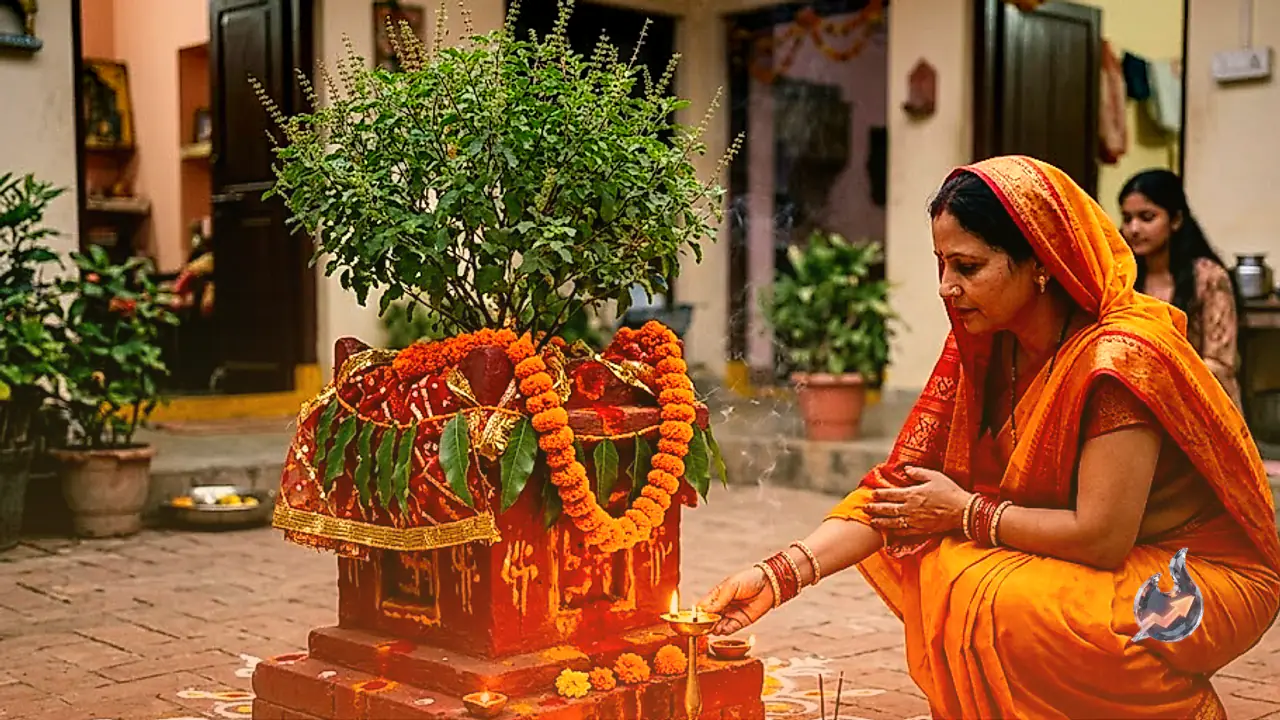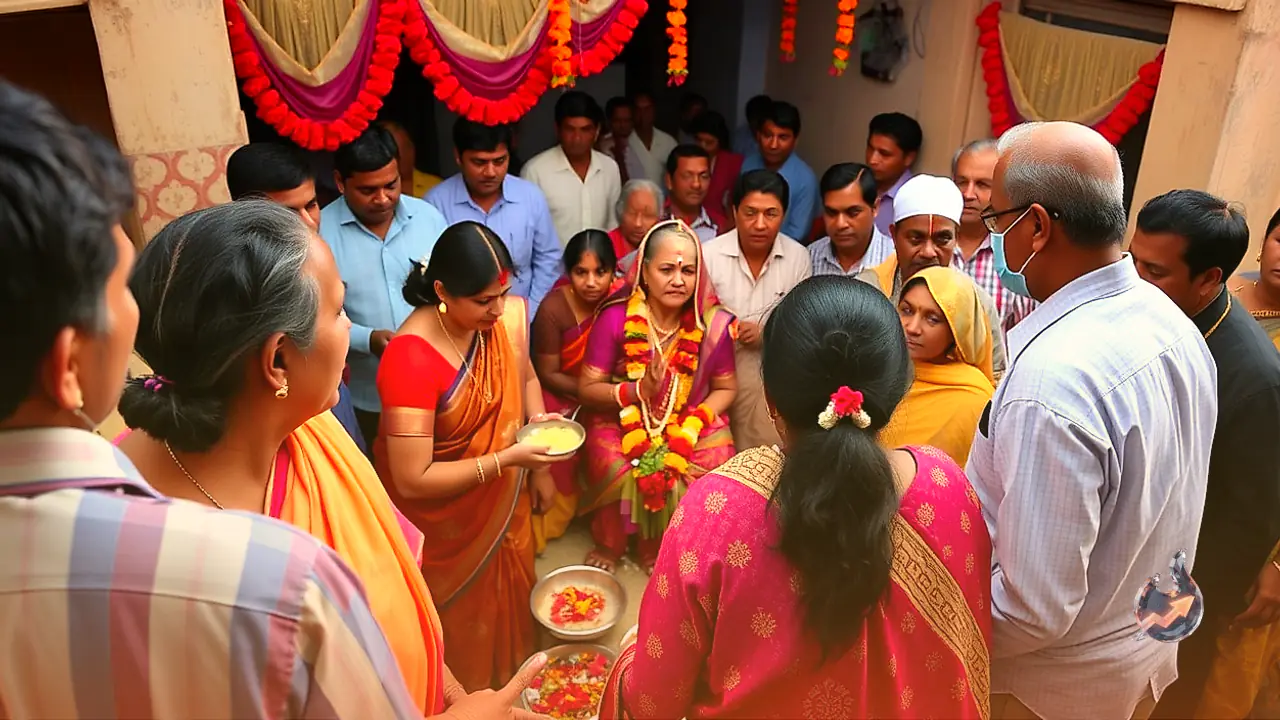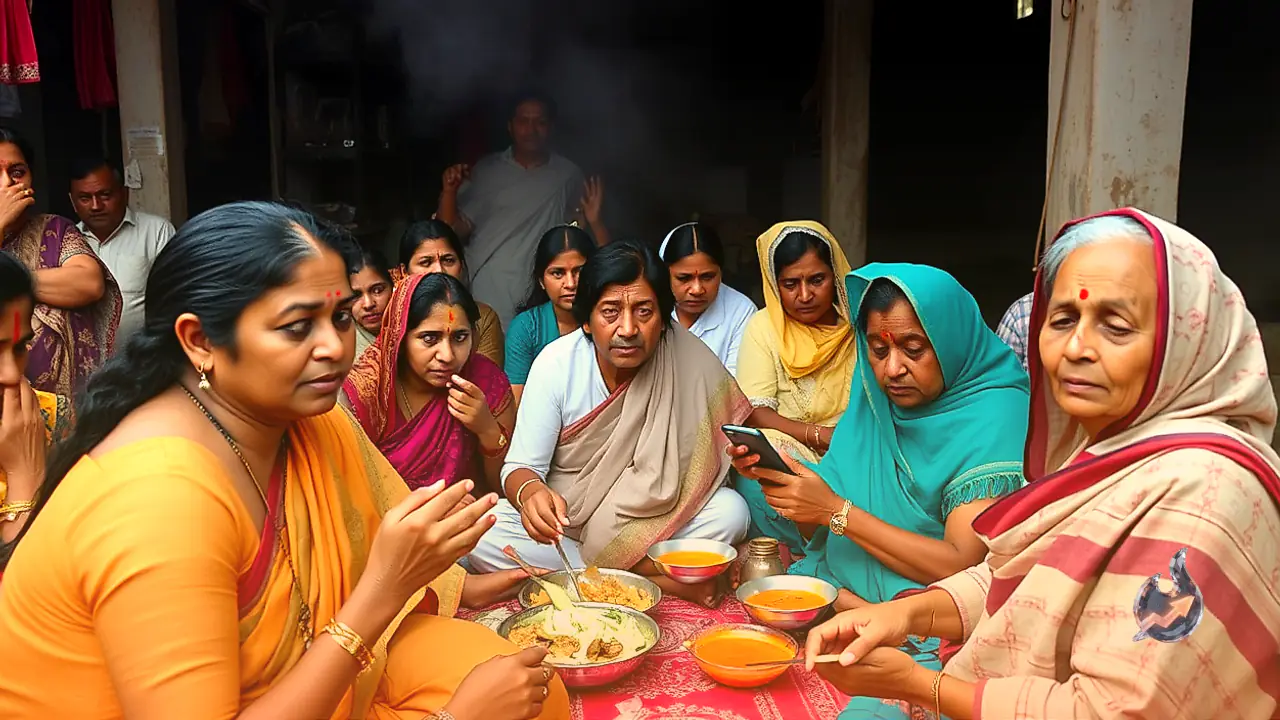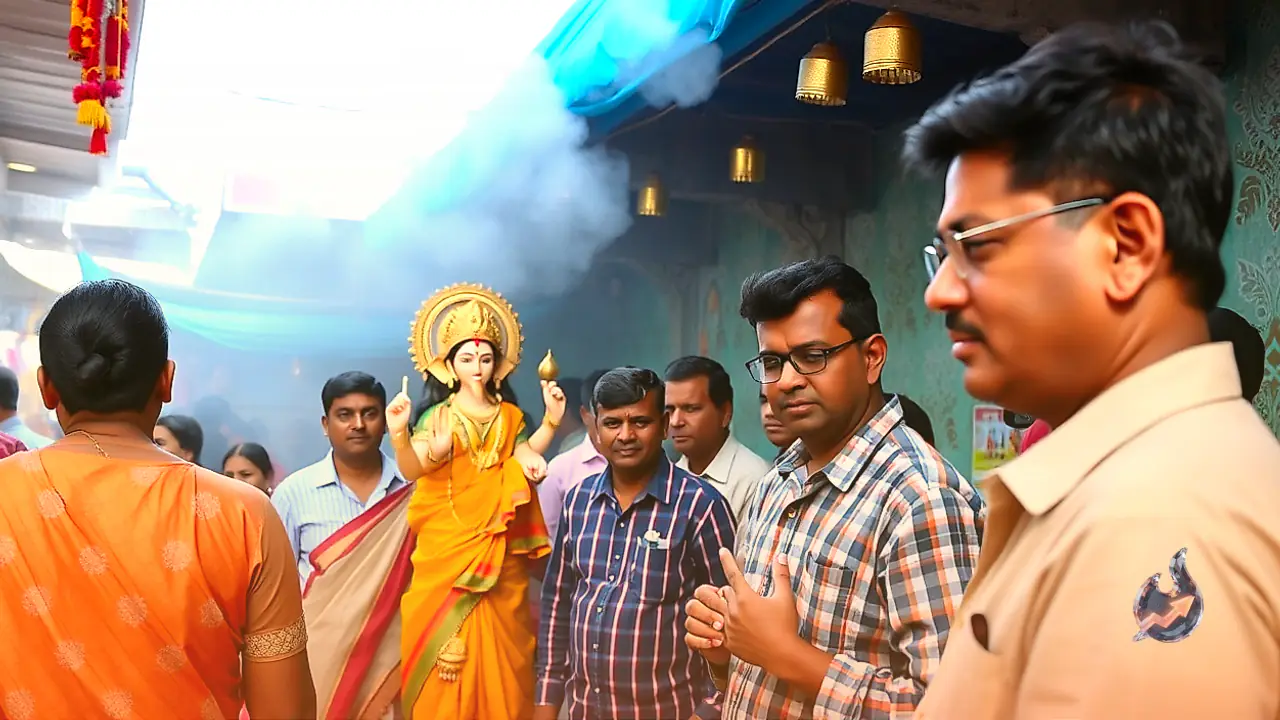





















During the sacred festival of Navratri, devotional rituals reach their culmination through the reverent reception and worship of young girls. In Sanatan tradition, unmarried maidens are revered as the direct manifestations of Maa Jagdamba, with the belief that their blessing yields deep spiritual merits and fulfillment. While fast-paced modern routines often cause households to overlook ancient customs, adhering to authentic scriptural guidelines remains vital for preserving the sanctity and spiritual purpose of this ceremony.
Spiritual Significance and Key Observance Dates
Scriptural doctrines explain that worshipping young girls is fundamentally an act of venerating the Divine Mother in her youthful incarnation. Dr. Kunal Kumar Jha, head of the postgraduate department of astrology at Kameshwar Singh Darbhanga Sanskrit University, explained the core essence of this tradition. Dr. Kunal Kumar Jha noted, "Kumari Pujan holds exceptional significance during Navratri." According to astronomical assessments, the observance holds immense value on September 30, which marks Ashtami, and October 1, which marks Navami, making both days central for conducting these sacred rites.
Preparation of the Sanctum and Seating Protocols
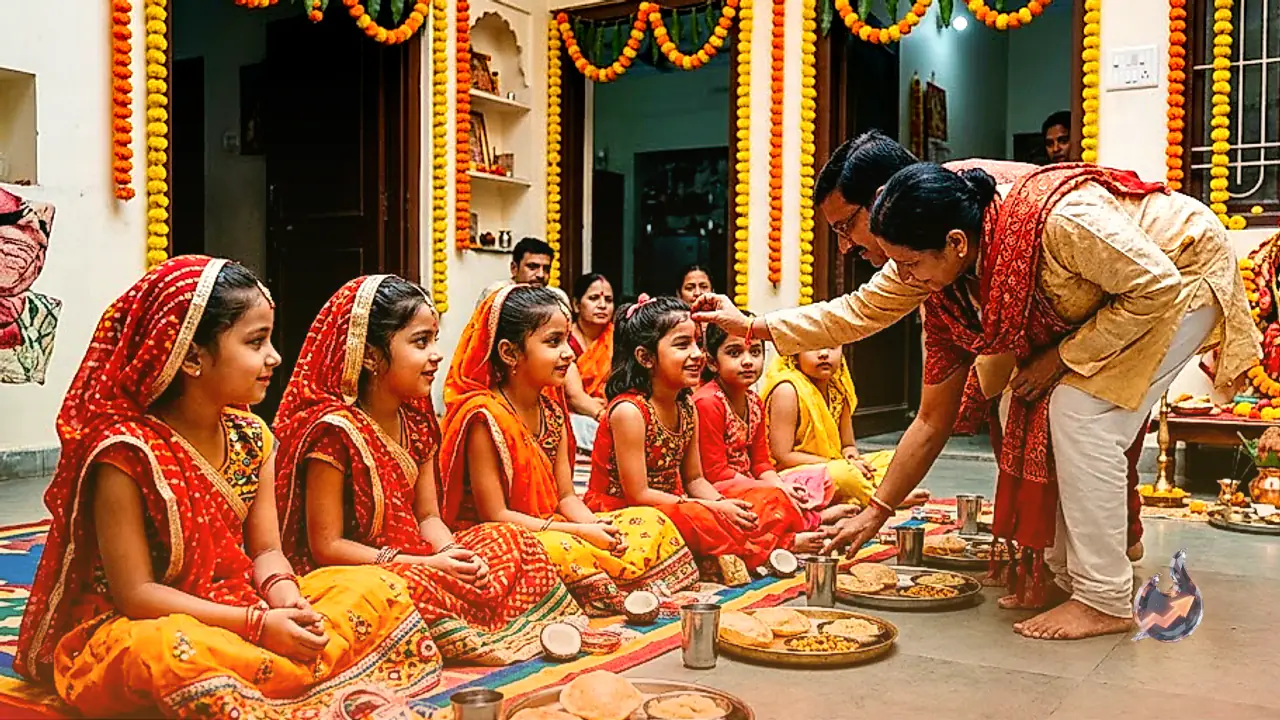
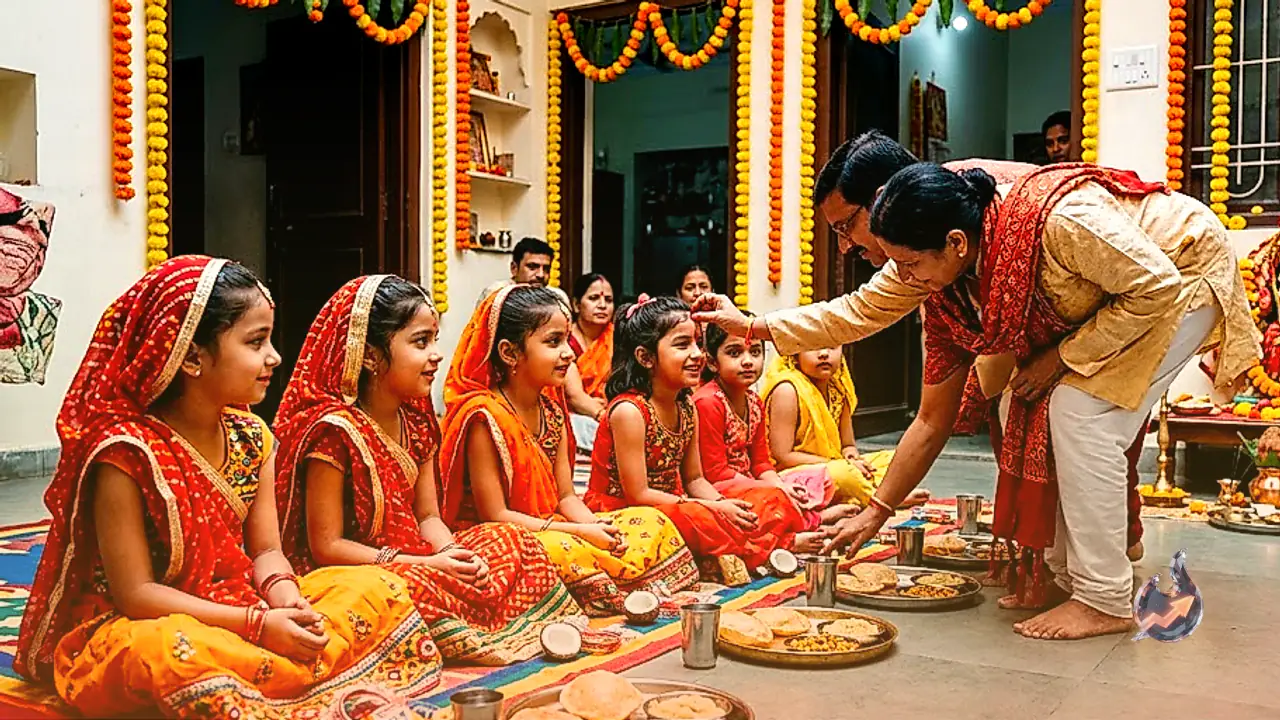
Scriptural customs mandate that the worship must begin with a formal spiritual vow, known as sankalp. Following the vow, the ground where the ceremony takes place should be cleansed and consecrated using cow dung. Orientation plays an essential role in channelising positive energy during the ritual. Devotees should set up seats facing east, ensuring that the invited girls are respectfully seated facing that sacred direction. Once seated, they should be adored with traditional offerings, including garments, ornaments, and festive delicacies. Preparing and serving kheer sweetened with jaggery is regarded as especially auspicious.
Seeking Forgiveness and the Bidding Farewell Ceremony
The conclusion of the meal entails equally strict spiritual steps. After the young guests have finished their meal, their hands must be washed carefully with clean water. The host should then place akshat, or unbroken raw rice grains, into their palms and formally seek their pardon for any inadvertent shortcomings. This prayer reflects humility, requesting forgiveness if any step in the worship or hospitality fell short of expectations. The devotee then respectfully accepts the sanctified grains from their hands, applies them to their own forehead as a blessing, bows in reverent salutation, and bids the girls farewell.
Upholding Purity and Adhering to Auspicious Muhurats
Choosing an auspicious time from the local panchang is recommended before initiating the rites on Ashtami and Navami. Utmost cleanliness, internal purity, and genuine respect must accompany every interaction with the young guests throughout the ceremony. Blending regional customs with verified textual guidance ensures the spiritual integrity of the ceremony, allowing devotees to receive the divine benevolence of Maa Jagdamba through a meticulously performed rite.