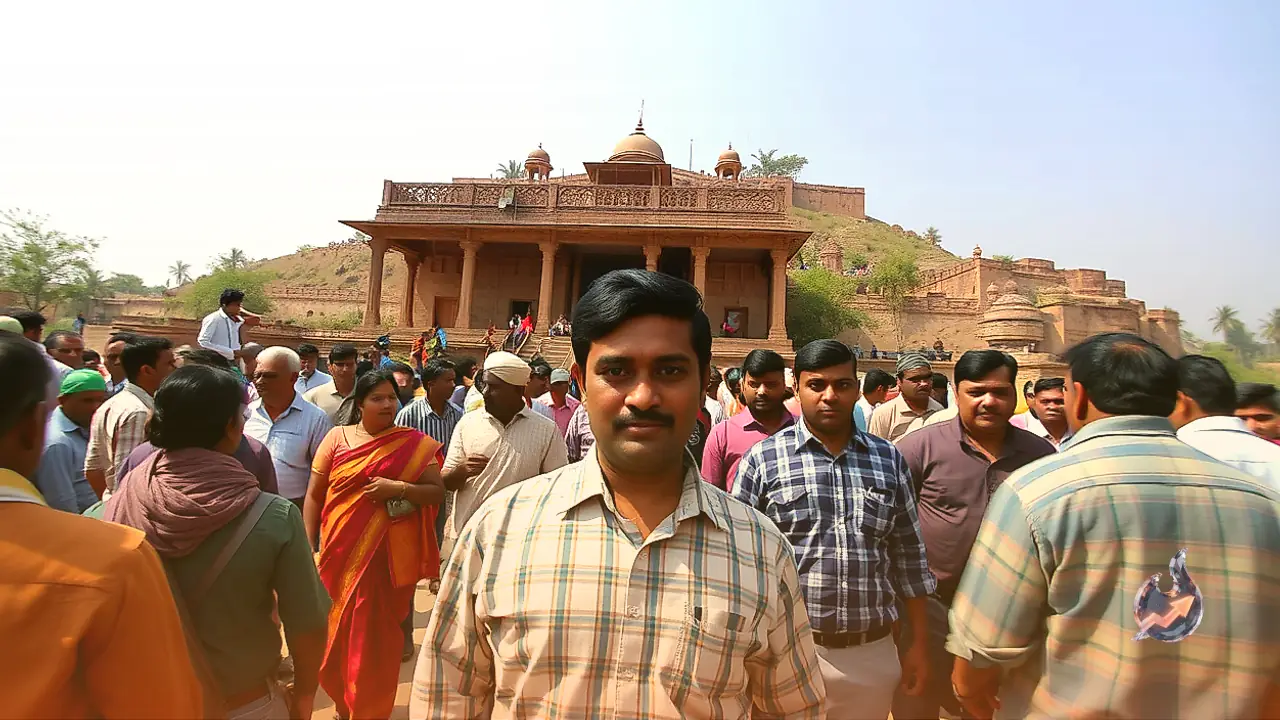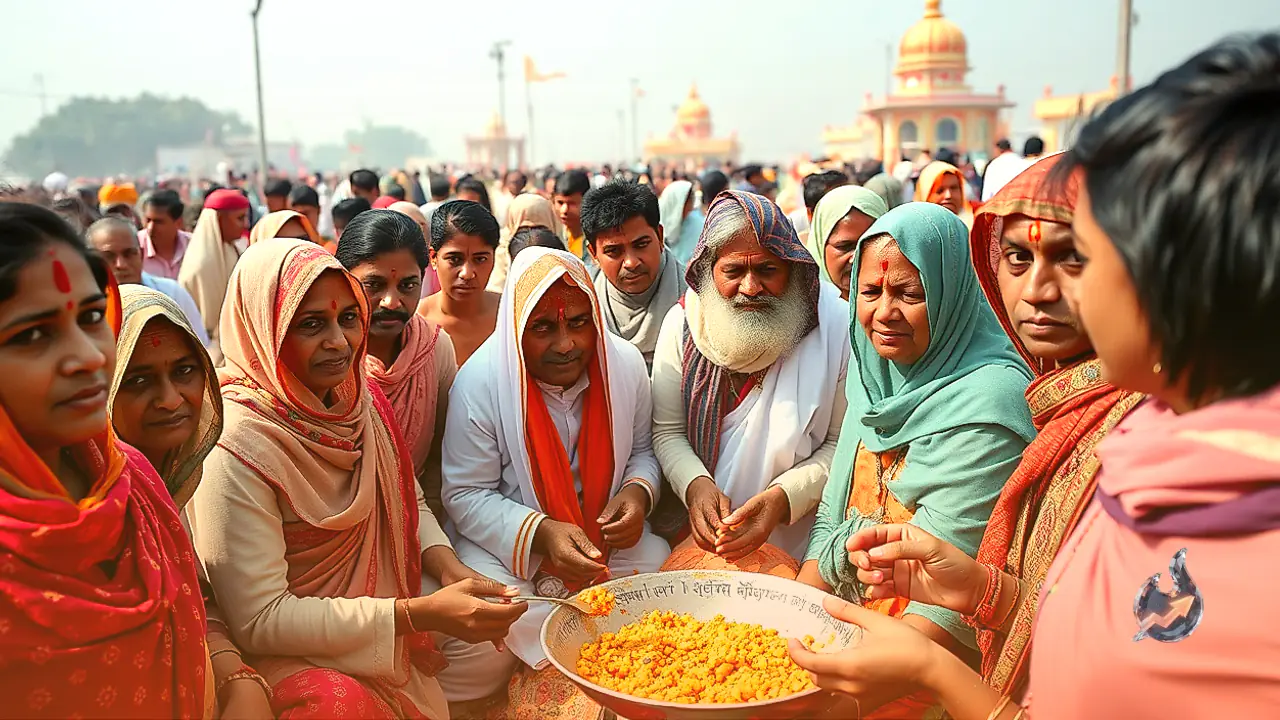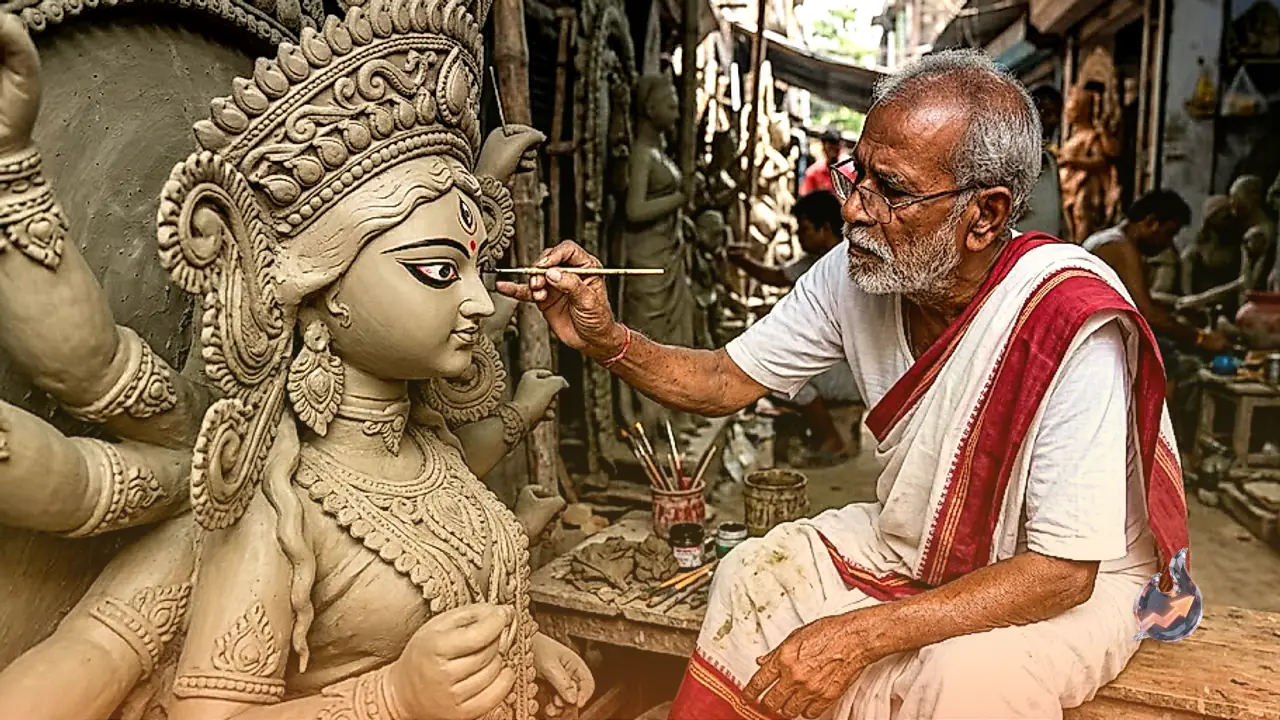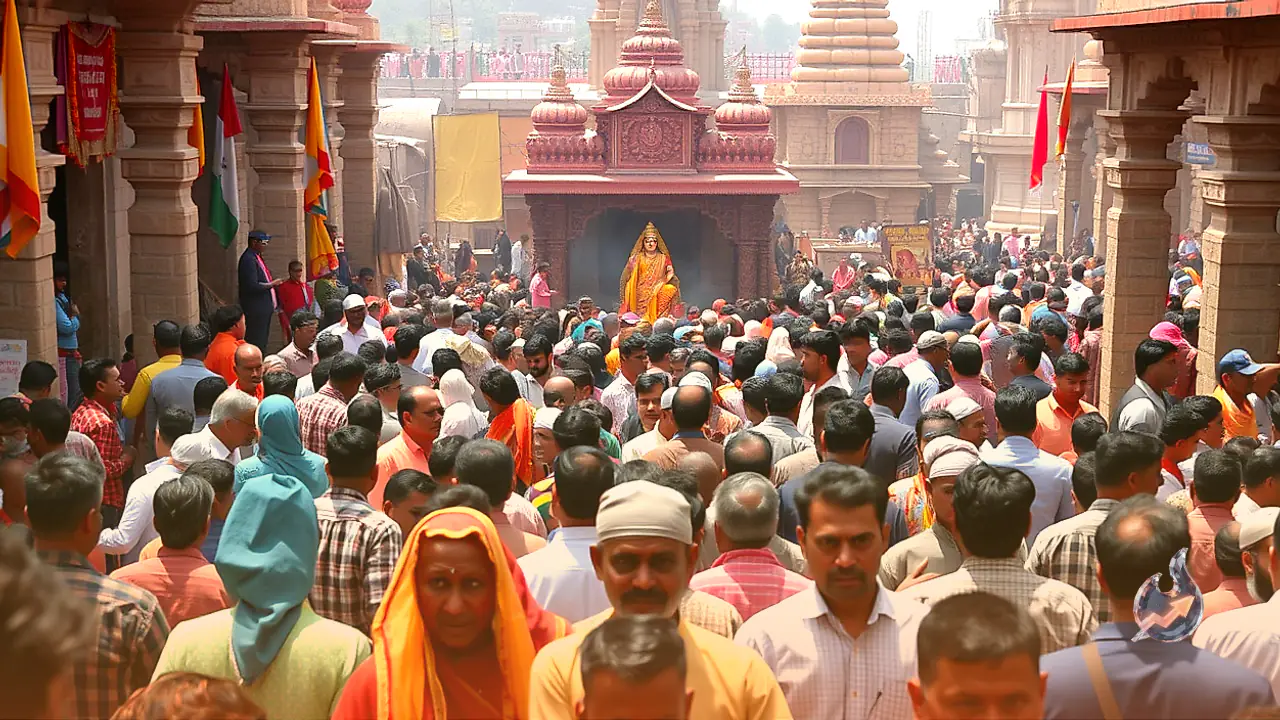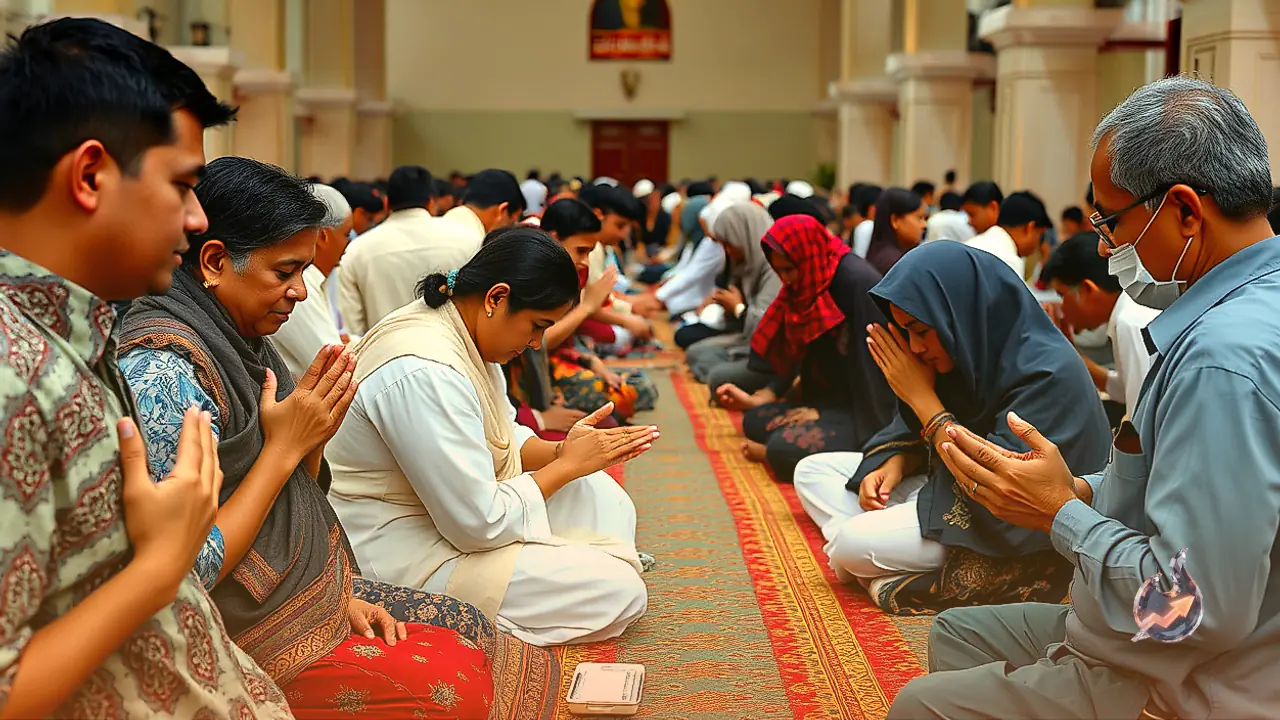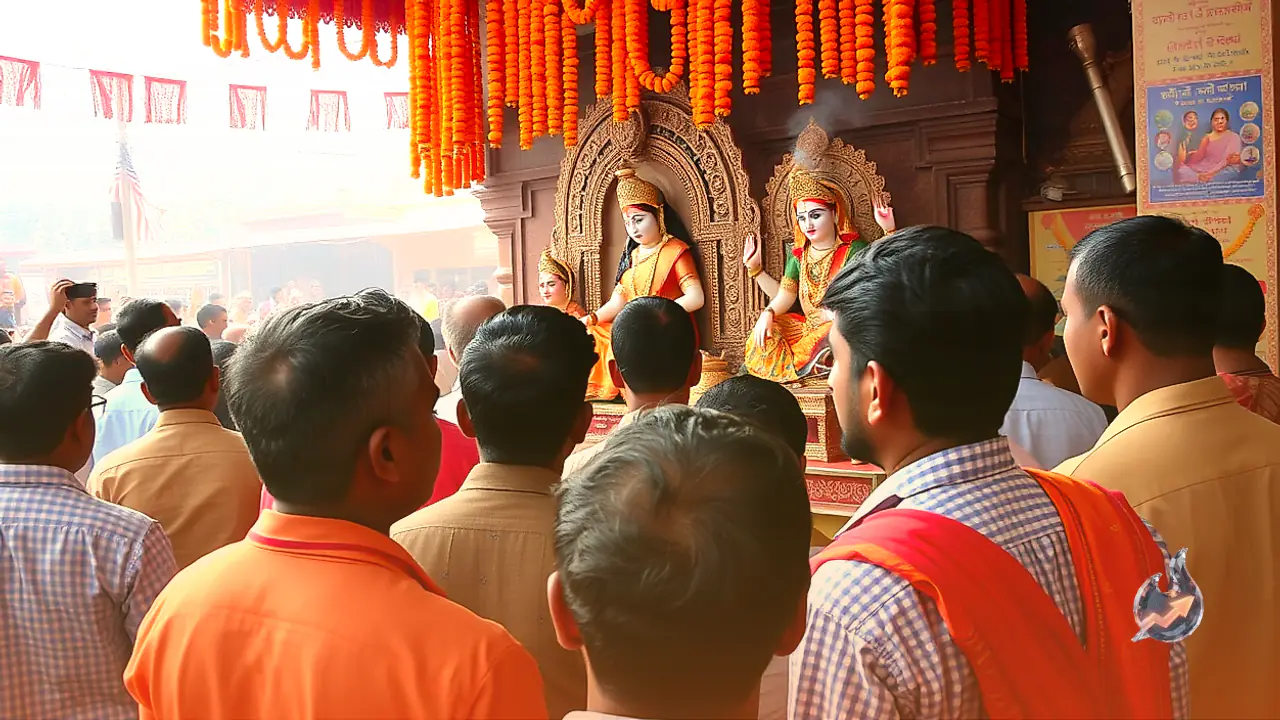






















The sacred observance of Sharadiya Navratri begins on Sunday, October 11, marking the commencement of the Shukla Paksha Pratipada in the month of Ashwin. Across this nine-day spiritual span, devotees revere the distinct manifestations of Goddess Durga, observing fasts and conducting dedicated rituals to invite harmony, resilience, and prosperity into their households. The celebrations formally begin with the ritual installation of the holy pot (Ghatasthapana) and conclude with the concluding ceremonies on Navami. Due to specific calendar dynamics this year, the festival features unique tithi configurations that shape the worship schedule.
Auspicious Timings for Ghatasthapana
Installing the sacred Kalash on the opening day stands as the foundational ritual of Navratri. Astrological timings indicate that on October 11, the favorable morning window for Ghatasthapana extends from 6:19 AM until 10:12 AM. Those unable to finish preparations within this period can rely on a second auspicious interval later in the day.
An Abhijit Muhurat window will be available from 11:44 AM to 12:30 PM. Setting up the altar and welcoming the deity during either of these designated windows is regarded as highly propitious for the nine days of worship.
Shailaputri and Brahmacharini: The Initial Days of Devotion
The first day, falling on Sunday, October 11, is dedicated to Maa Shailaputri, revered as the daughter of the King of the Himalayas. Her worship is regarded as a source of grounding stability, steadfast strength, and inner resolve, setting the spiritual baseline for the rest of the observances.
On Monday, October 12, the second day honors Maa Brahmacharini. Embodying austerity, sacrifice, and restraint, her divine presence inspires devotees to remain patient and persevere through personal challenges and difficult circumstances.
Chandraghanta and Kushmanda: Courage and Cosmic Creation
The third day of the cycle, Tuesday, October 13, focuses on Maa Chandraghanta. Recognised by the crescent moon gracing her forehead, this form represents fearless courage and protective force, dispelling anxiety and distress from the lives of worshippers.
On Wednesday, October 14, devotees worship Maa Kushmanda on the fourth day. Associated with the primary spark of universal energy and creation, her worship is believed to infuse homes with wholesome vitality, positive energies, and enduring abundance.
Skandamata and Katyayani: Maternal Grace and Fulfillment
Thursday, October 15, marks the fifth day, honoring Skandamata, the mother of Lord Kartikeya. Known for profound maternal affection and grace, she is invoked by seekers hoping for peace of mind, sharp intellect, and the well-being of their children.
The sixth day, Friday, October 16, is devoted to Maa Katyayani. Depicting fiery valor and divine potency, prayers offered to her are traditionally associated with marital joy, household peace, and the realization of heartfelt wishes.
Two-Day Saptami Observance for Maa Kalaratri
The seventh manifestation, Maa Kalaratri, will be venerated across two consecutive dates: October 17 and October 18. This occurrence is due to Saptami extending over two days in the lunar calendar. While her outward depiction remains fierce and intimidating, she acts as a benevolent protector for devotees, vanquishing fears and instilling deep courage.
The Convergence of Ashtami and Navami
In a notable alignment this season, both Ashtami and Navami fall on Monday, October 19. Worshippers will revere Maa Mahagauri on this day, celebrating her essence of purity, tranquility, and divine calm. Families across regions observe Kanya Pujan during this phase to express gratitude and pray for domestic well-being.
Concurrently, on October 19, prayers will also be offered to the ninth form, Maa Siddhidatri. Considered the bestower of accomplishments, spiritual attainments, and triumph in righteous pursuits, her veneration concludes the festival. The day will feature extensive Havan offerings and Kanya Pujan feasts to complete the nine-day observances.