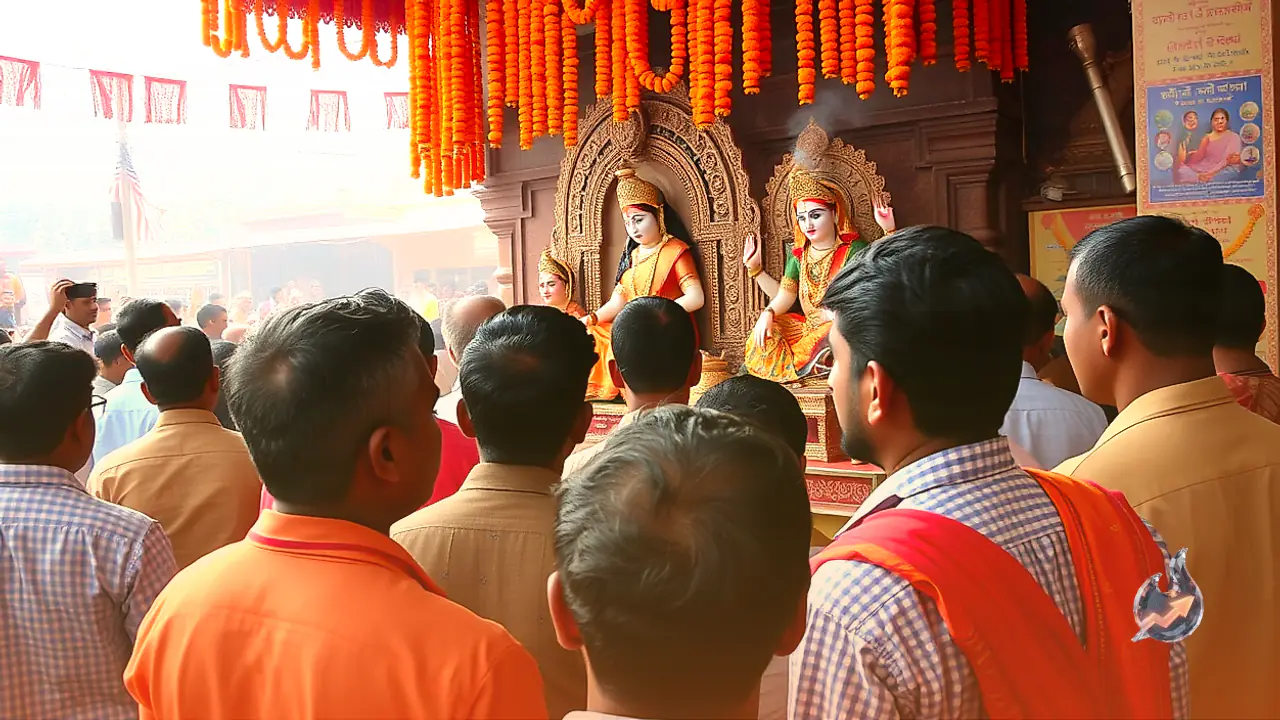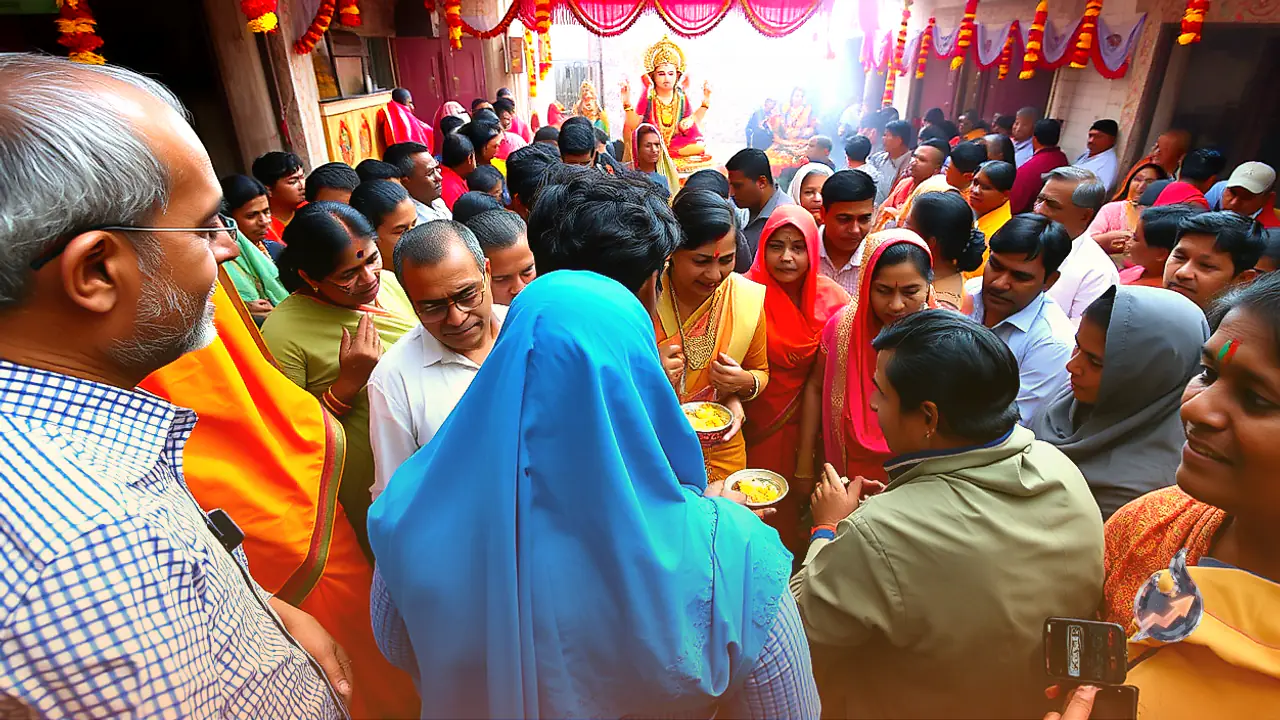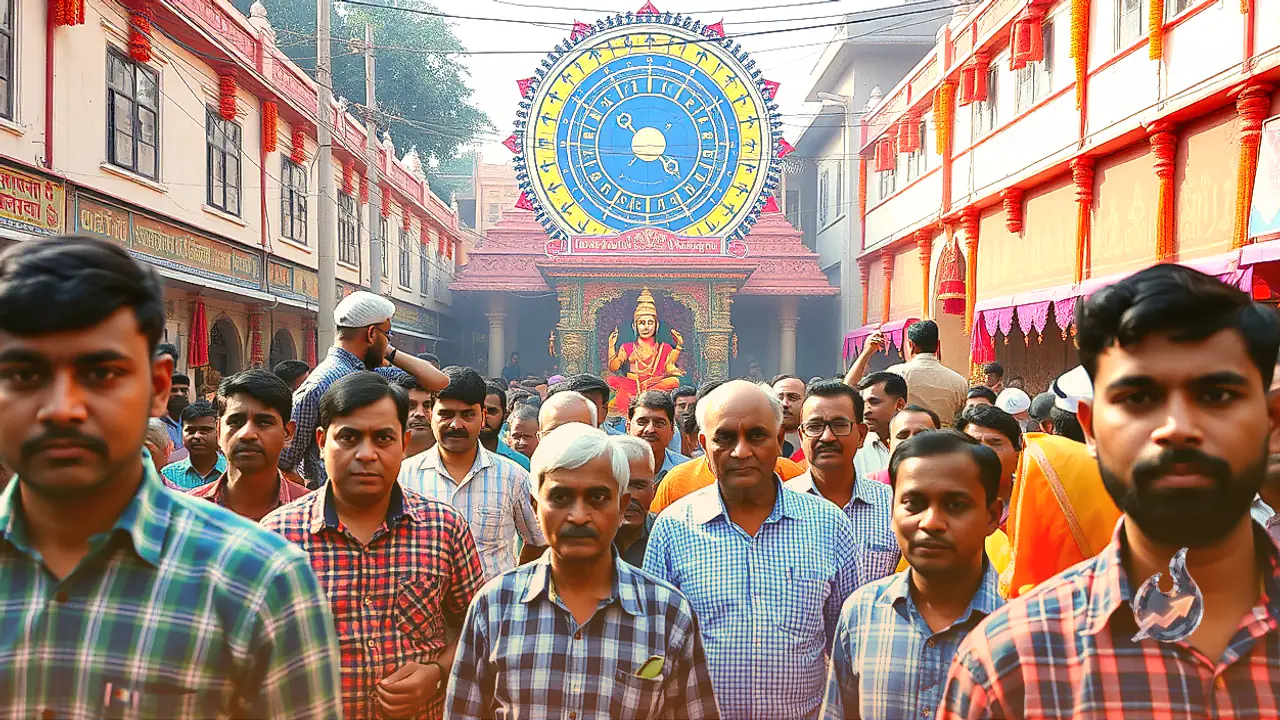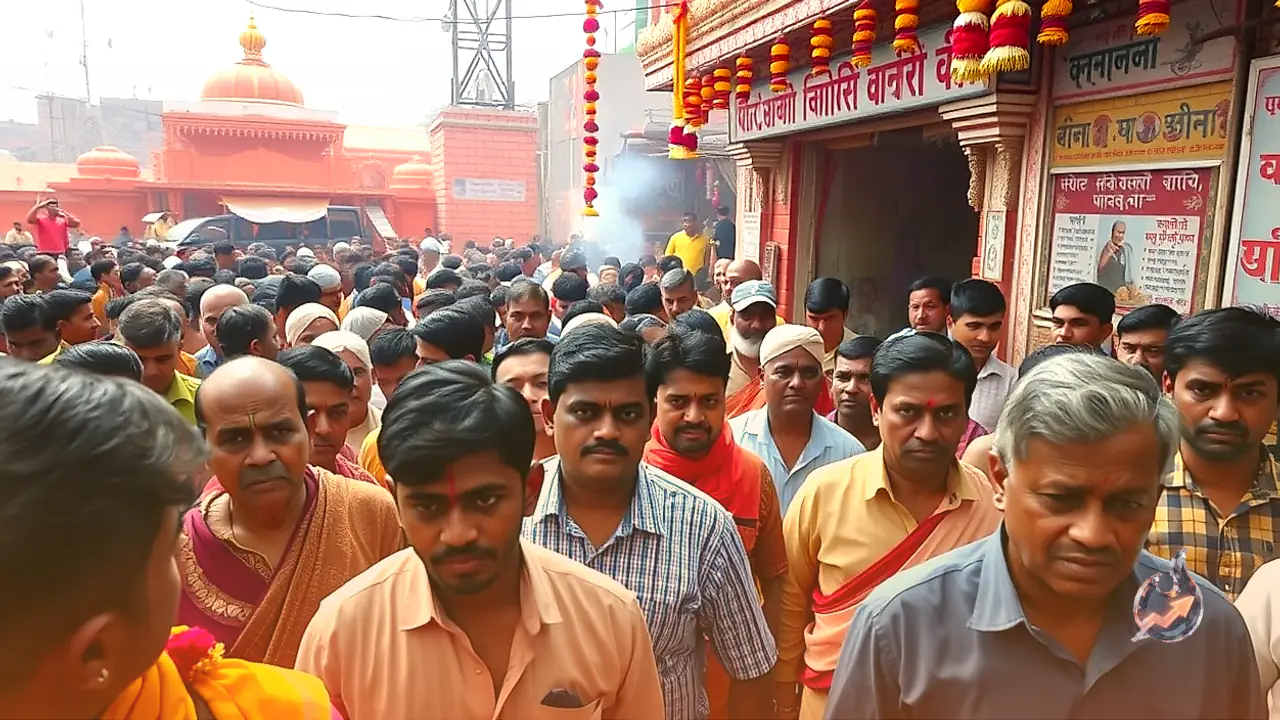




















When the festive season arrives in West Bengal, particularly in Kolkata, the entire state transforms into an expansive open-air celebration characterized by lights, artistic installations, and deep-seated religious fervor. Temporary architectural pandals, intricate illuminations, and community gatherings become the focal points across urban lanes and prominent crossroads. In 2026, Sharad Navratri commences on October 11 and concludes on October 19, while the core public festivities of Durga Puja unfold from Shashti through Dashami. Although both observances coincide on the calendar, each maintains its own distinct spiritual identity and cultural heritage.
Thematic Pandals and Dazzling Urban Illuminations
A hallmark of the Durga Puja season is the installation of grand temporary marquees, known as pandals, across neighborhoods. Rather than relying on standard decorations, organizers often model these structures on historical monuments, revered temples, or pressing socio-cultural themes. Artisans weave elements of traditional Bengali craft alongside diverse modern aesthetic expressions into both the exterior facades and internal sanctums.
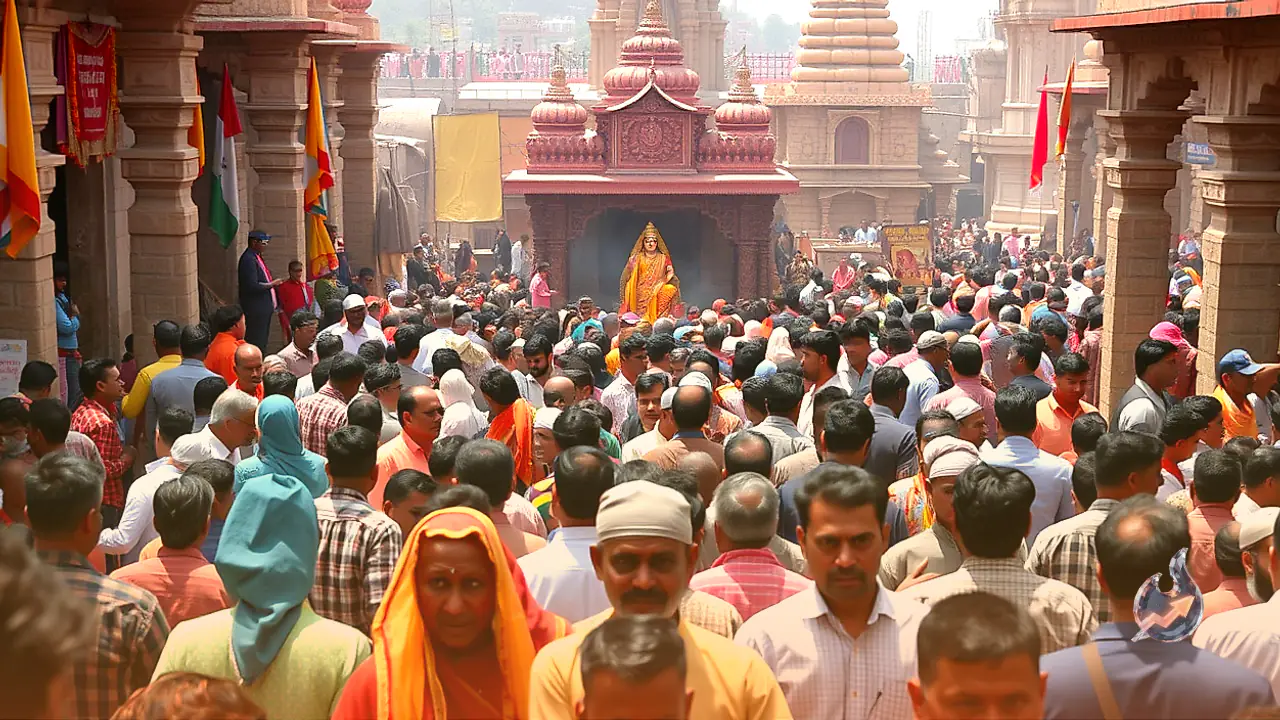
Surrounding urban spaces and avenues are illuminated in tandem with the pandals. High-tech, multi-colored lighting arrays, motorized tableaux, and luminous decorative arches flank major roads and neighborhood alleyways. Venturing out at night in celebratory attire to view these pandals has evolved into a vital ritual of the public carnival, drawing continuous streams of people until dawn.
The Sacred Mahalaya and the Chakshu Daan Ritual
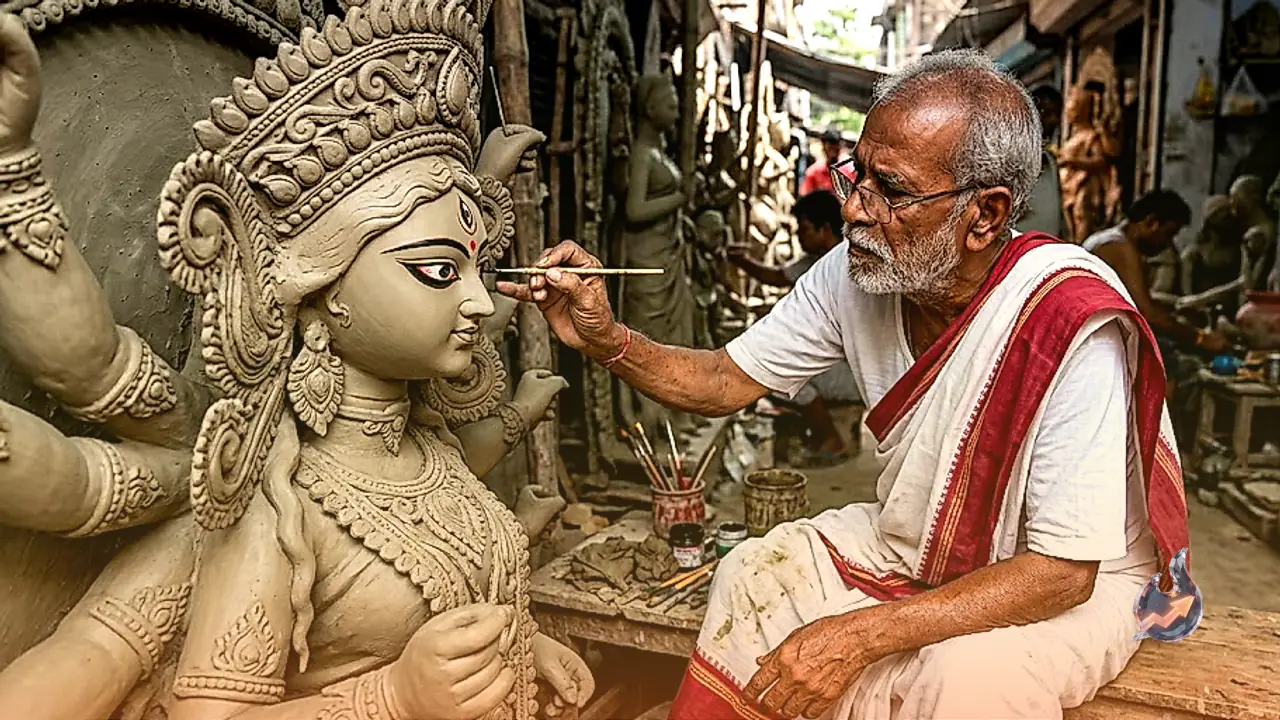
Within the calendar of festive preparations, Mahalaya, which coincides with Sarvapitri Amavasya, holds profound significance. This sacred dawn marks the formal invitation to Goddess Durga and the start of the final phase of preparations. Central to this moment is the historic ritual called 'Chakshu Daan', literally the offering of the eyes. During this observance, master artisans delicately paint the eyes of the clay idol of Goddess Durga, an act symbolically seen as imparting divine vision and life to the sculpture.
The crafting of Durga idols adheres strictly to natural and traditional techniques. Sculptors use clay sourced from the riverbanks along with bamboo scaffolding, straw bindings, and fine cotton textiles to mold the deities. Once the Chakshu Daan ceremony is performed, the idols are considered ready for sanctification and transport to their respective pandals.
Rhythmic Dhunuchi Dance and the Joy of Sindoor Khela
Devotional practices during Durga Puja are characterized by dynamic community participation, especially during the evening aarti. A prominent highlight is the traditional Dhunuchi dance, performed with clay censers filled with burning coconut husk, frankincense, and camphor. Dancers balance these smoking vessels to the thunderous beats of the traditional dhak drums, creating a rhythmic and aromatic spectacle.
On Vijaya Dashami, the concluding day of the festival, married women take part in the joyous ceremony of 'Sindoor Khela' prior to the deity's immersion. During this farewell ritual, women apply vermilion to Goddess Durga's forehead and feet, and subsequently smear sindoor on each other as blessings for long life and familial harmony. The idols are then taken in processions for water immersion, formally concluding the annual festive cycle.
The Cultural Identity of the Lal-Paar Saree
Among the traditional attire worn during Durga Puja, the white saree bordered with red, commonly referred to as the 'Lal-Paar saree', stands out as an iconic cultural symbol. It remains intrinsically linked with the visual identity of Bengali festive life and heritage.
Lal-Paar sarees are traditionally woven from natural fibers such as cotton and silk. The state of West Bengal is particularly renowned for its handloom Taant sarees, which are widely embraced during this period. While this traditional drapery is profoundly associated with religious gatherings and celebrations, it is by no means an obligatory dress code for all women, serving instead as a popular aesthetic and cultural choice.
Symbolism of Colors and Bengali Draping Aesthetics
The combination of red and white on this traditional garment carries clear symbolic undertones. In regional traditions, red signifies feminine strength, shakti, and dynamic energy, qualities directly associated with Goddess Durga. Conversely, white represents purity, serenity, and sanctity. This juxtaposition makes the red-and-white ensemble a fitting choice for sacred occasions.
The appeal of the Lal-Paar saree is further enhanced by its classical Bengali draping method. The pleats and pallu are arranged in a manner that ensures the deep crimson borders remain prominently displayed. Traditional jewelry completes the festive appearance, with women accessorizing their sarees with crafted gold necklaces, ornate earrings, bangles, and heirloom designs, reinforcing the timeless visual grandeur of Durga Puja.