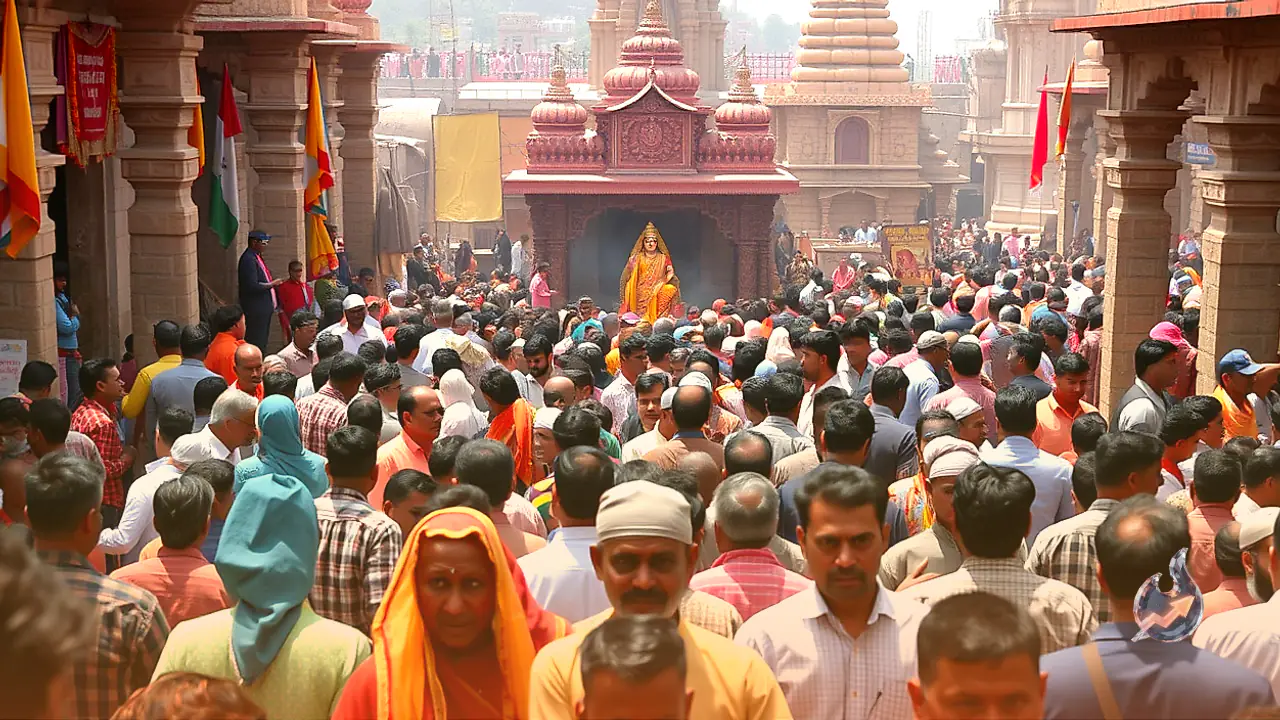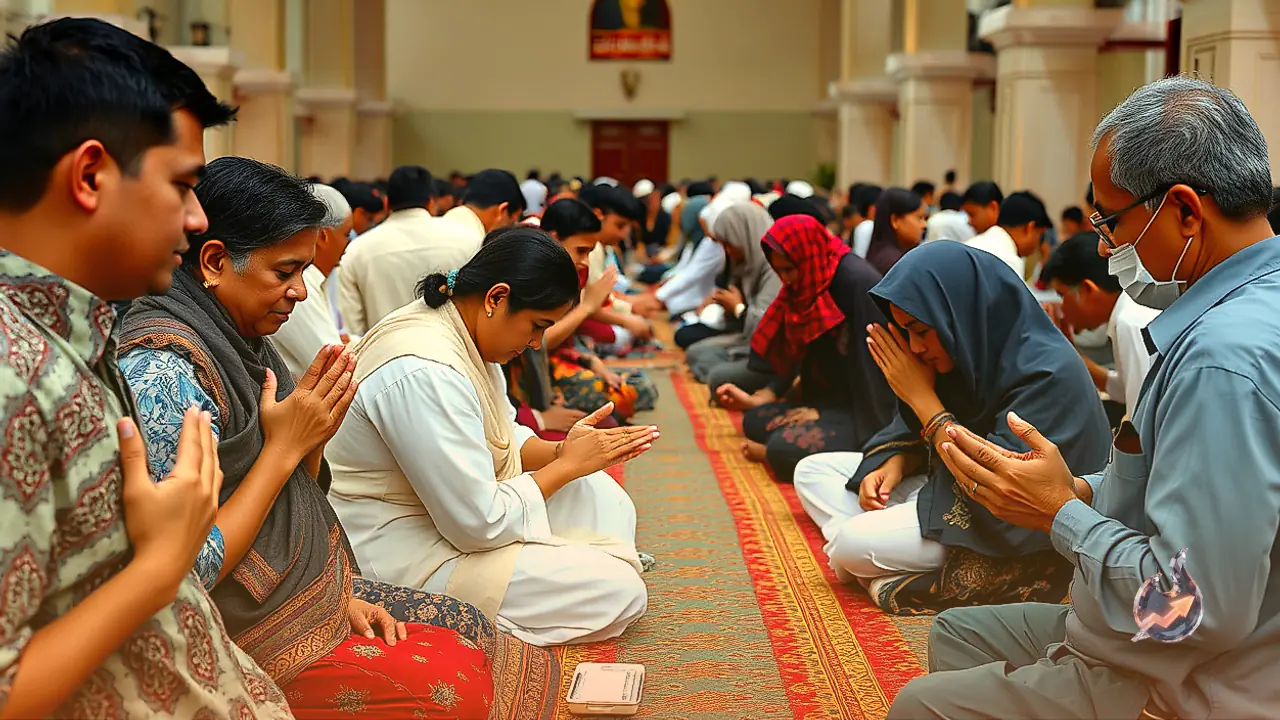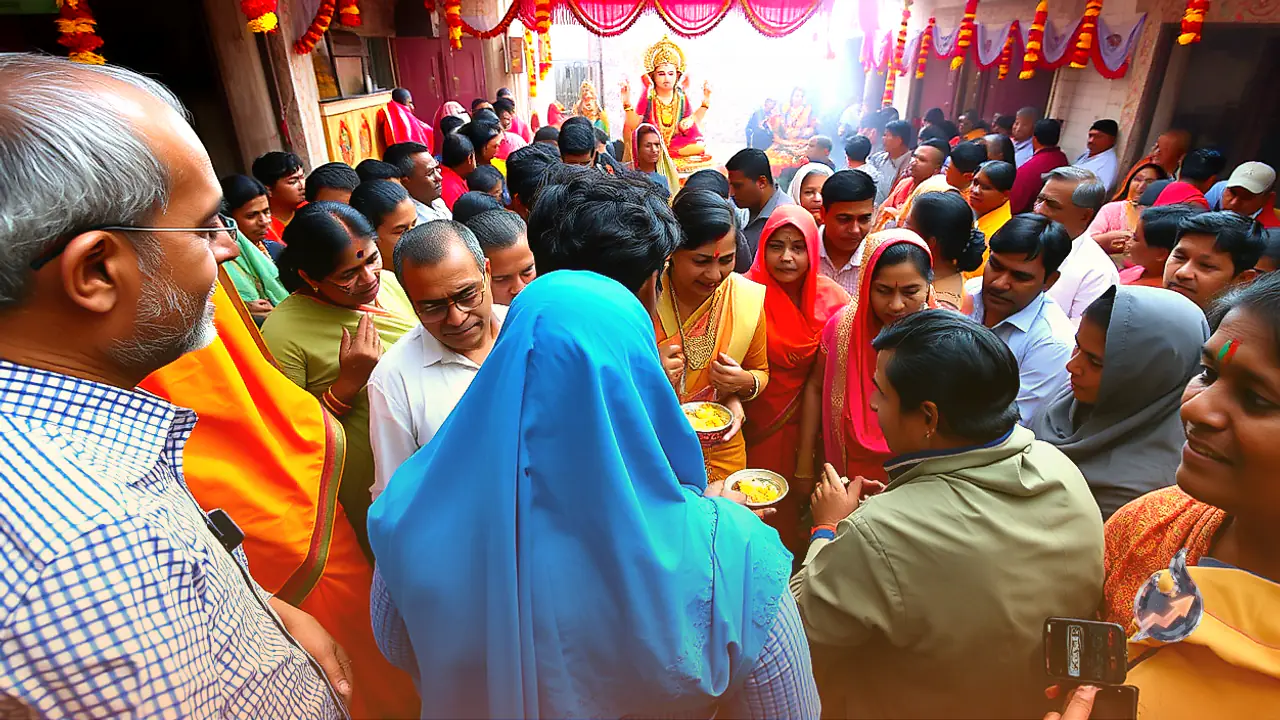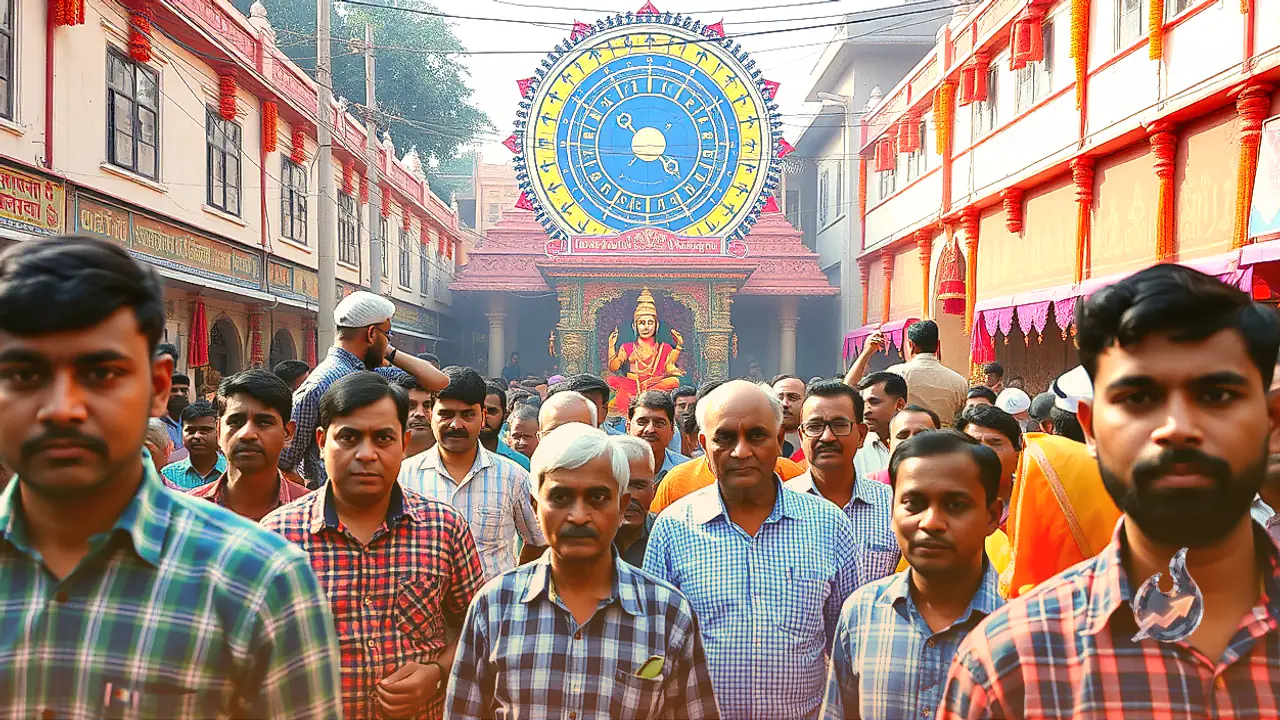



















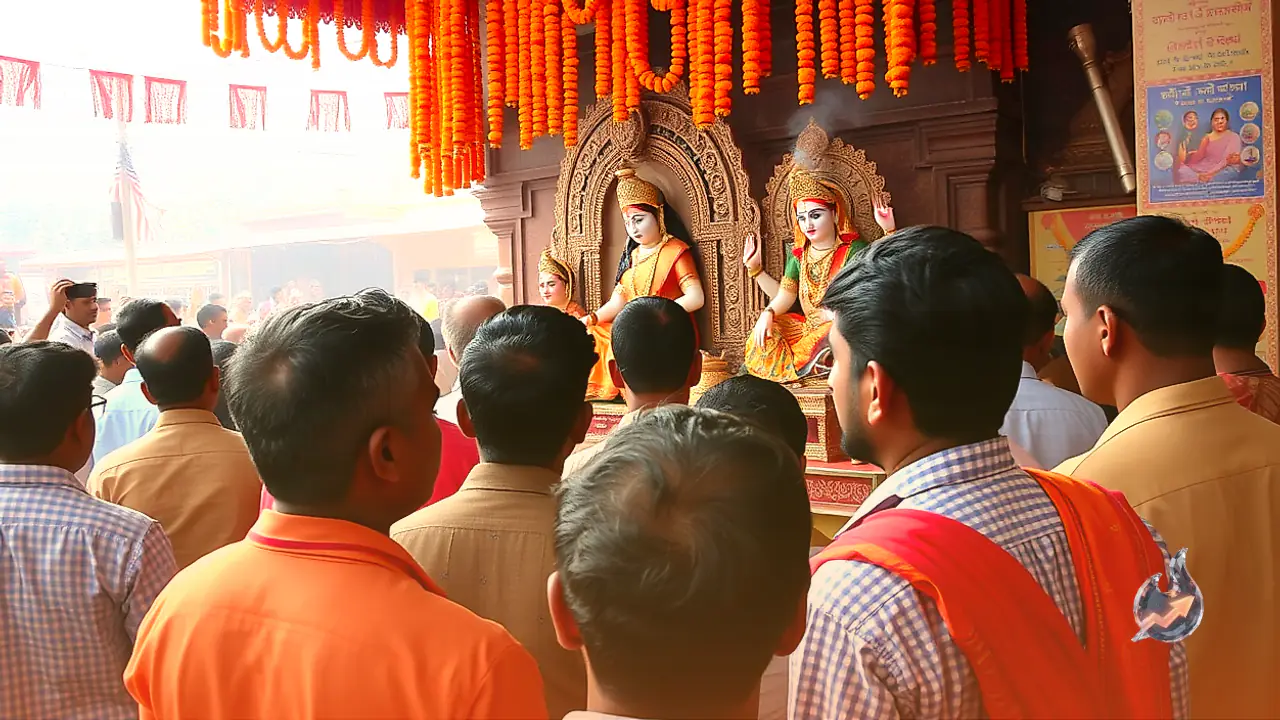

In the traditional calendar, the month of Ashwin holds immense spiritual value as it hosts several sacred observances, including Pitru Paksha, Vishwakarma Puja, and Navratri. Among these, the eleventh lunar day in the waxing phase of Ashwin is observed as Papankusha Ekadashi. Religious traditions state that worshipping Lord Lakshmi Narayan while observing a dedicated fast on this day relieves devotees of inadvertent transgressions, while ushering prosperity, peace, and harmony into the household.
Auspicious Timings and Parana Muhurat for Papankusha Ekadashi 2025
According to the Rishikesh Panchang calculations, the Ekadashi Tithi begins on October 2 at 07:10 PM in the evening. The Tithi concludes the following day on October 3 at 06:32 PM in the evening. Based on the widely practiced Udaya Tithi tradition of sunrise calculation, the fast will be observed on October 3. The fast breaking ritual, known as Parana, must be performed on the morning of October 4. The favorable window for concluding the fast extends from 06:16 AM to 08:37 AM on October 4, providing devotees the ideal timeframe to perform morning prayers and consume ceremonial food.
Rites of Worship and the Merit of Charity
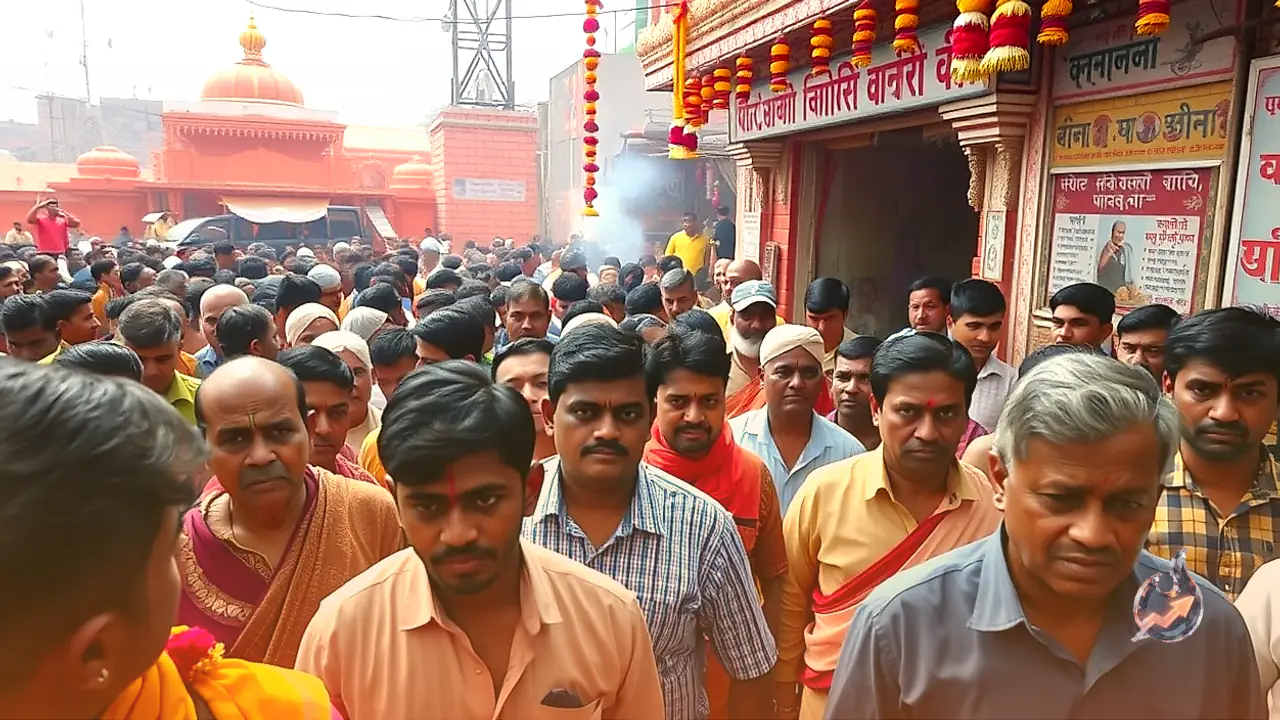
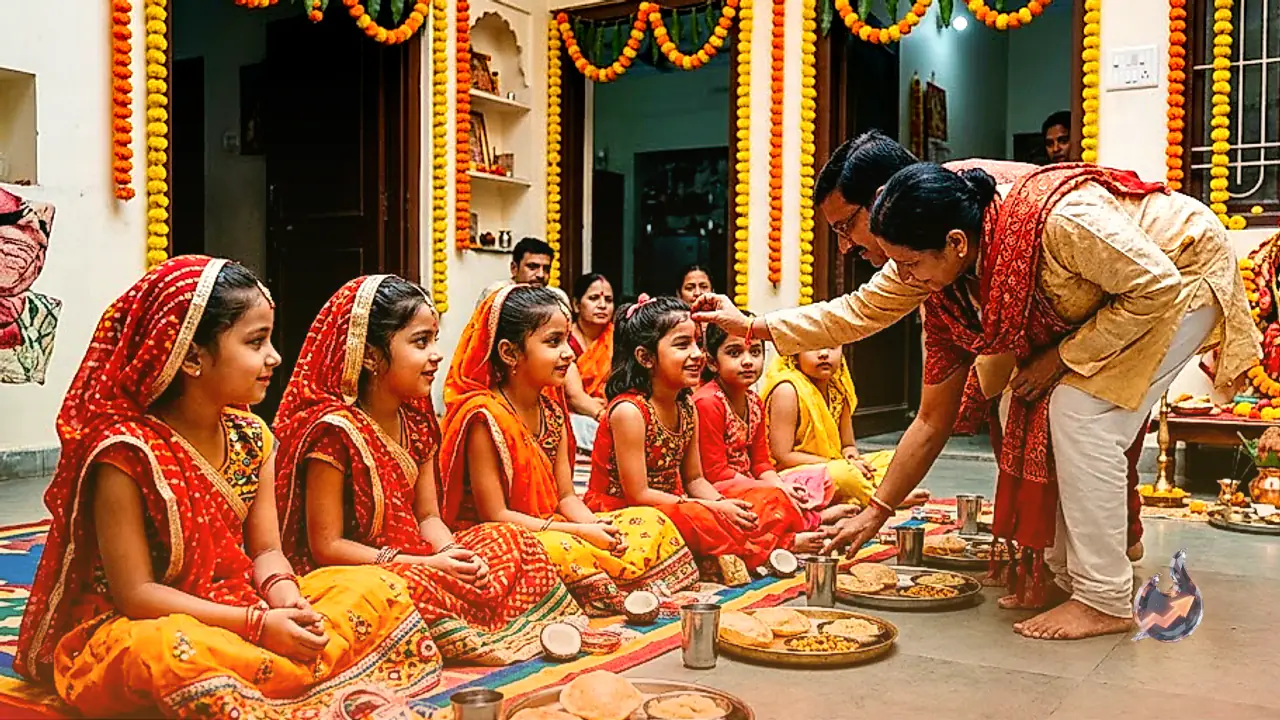
Astrologer Pandit Nand Kishore Mudgal, associated with the Mudgal Jyotish Kendra at Pagal Baba Ashram in Deoghar, emphasizes the special significance of the Shukla Paksha Ekadashi in Ashwin. Worshipping Lord Vishnu along with Goddess Lakshmi, reciting the sacred fast narrative, consuming strictly sattvic food, and performing acts of charity purify the mind and body. Devotees are encouraged to visit shrines or reach out to impoverished individuals to offer foodgrains, monetary aid, and other essential necessities. Traditional beliefs indicate that offering charity during Dvadashi Tithi opens avenues for material abundance and ensures that the fast yields its complete spiritual benefits.
Scriptural Context and Spiritual Elevation
Sacred texts such as the Padma Purana and Bhagavata Purana describe how observing this specific fast cleanses accumulated misdeeds, whether committed intentionally or inadvertently. With the grace of Lord Vishnu, the practitioner moves toward spiritual emancipation, eventually attaining Moksha after earthly life. The observance is considered particularly rewarding for individuals who seek psychological serenity, personal righteousness, spiritual growth, and the ultimate realization of inner freedom.