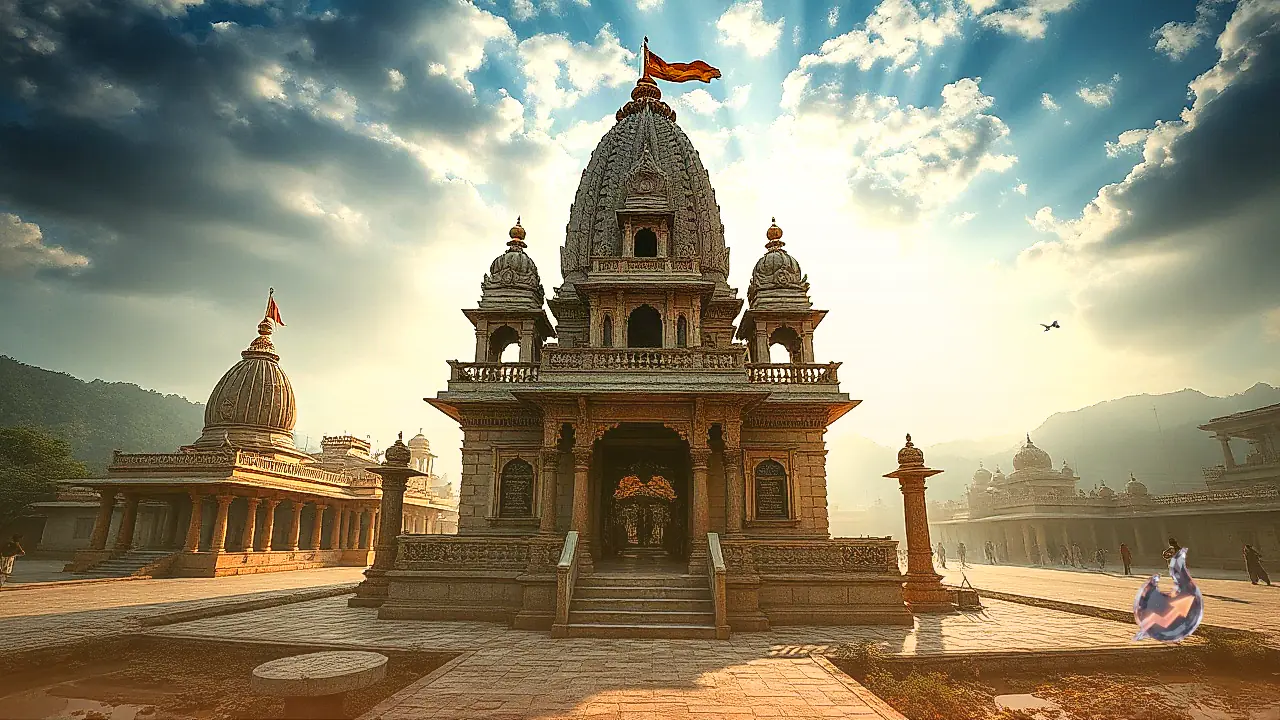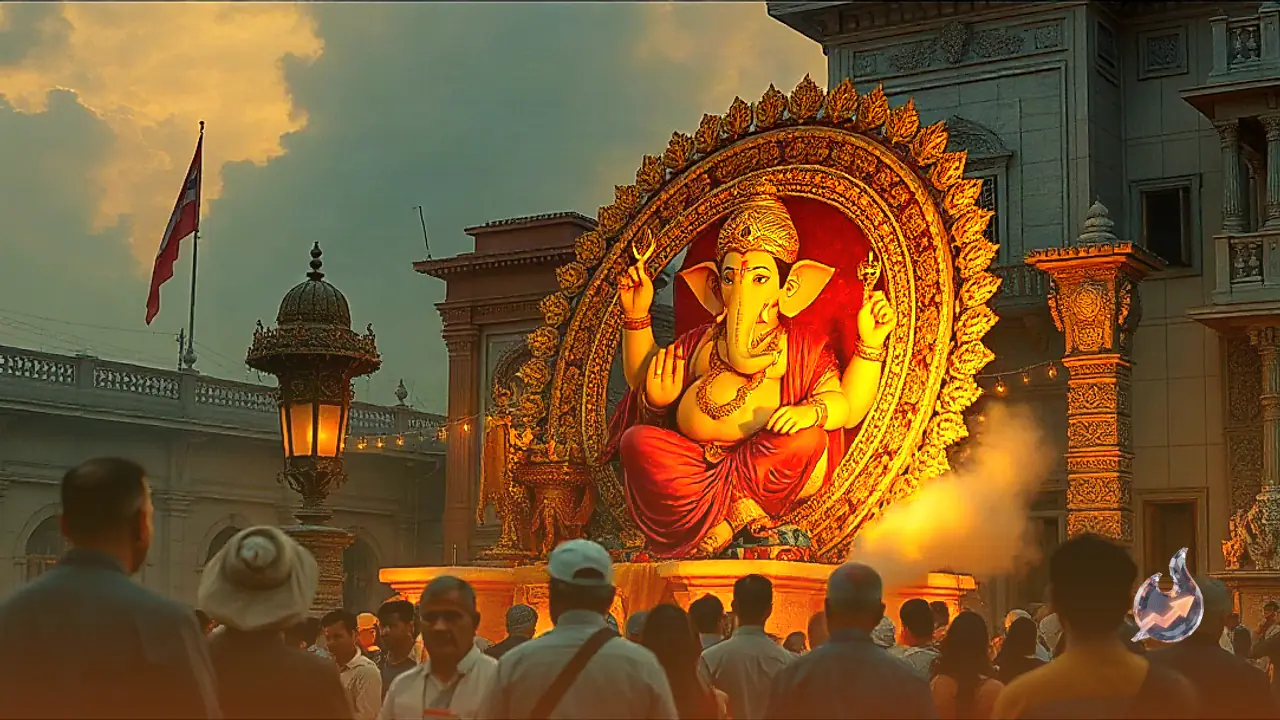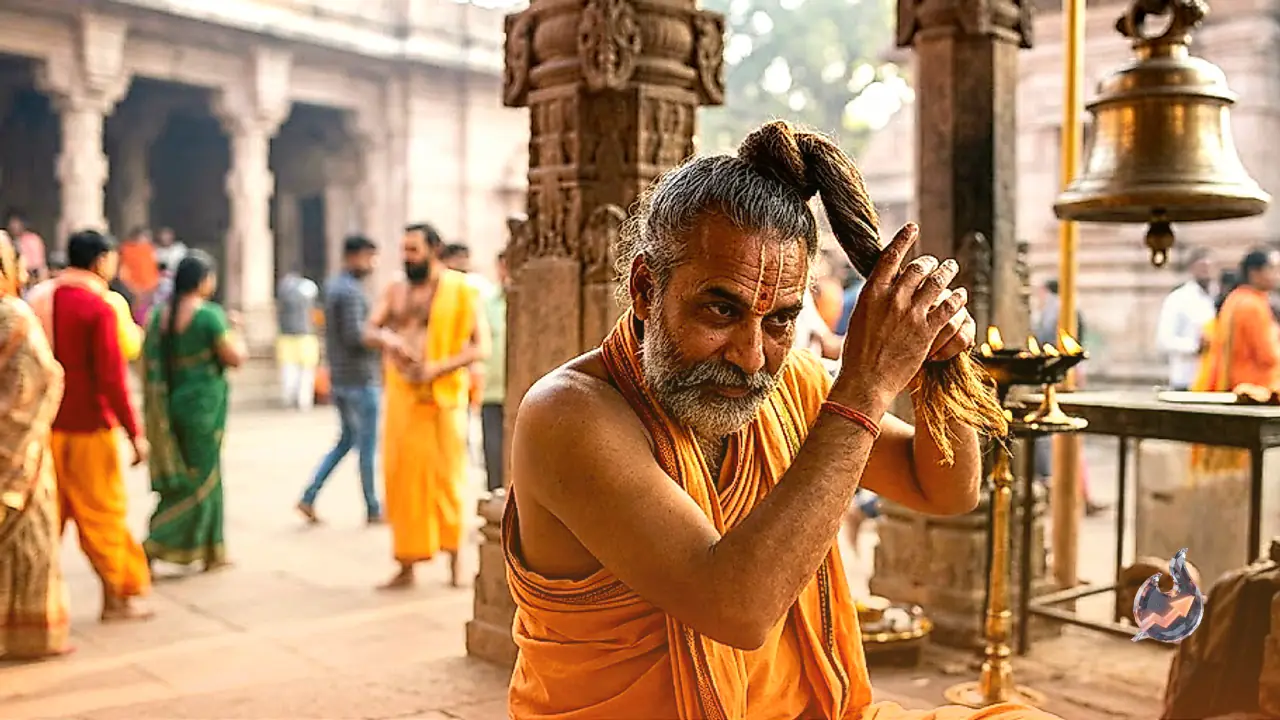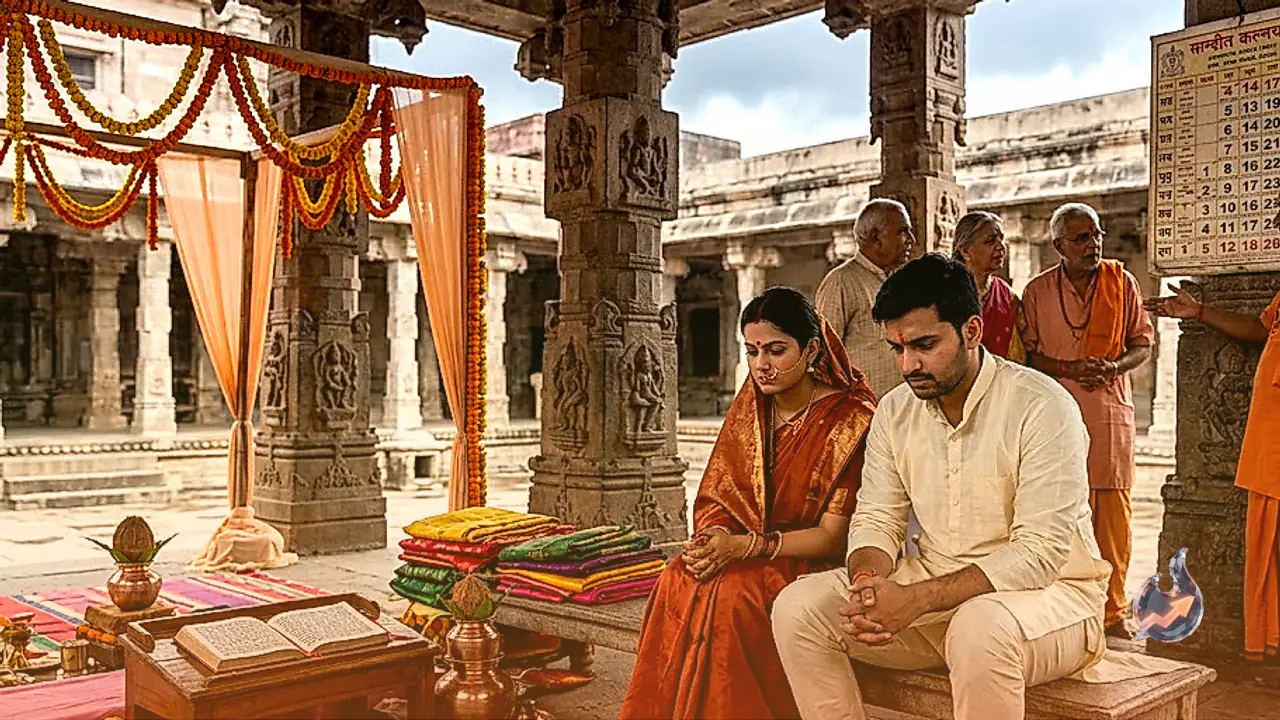


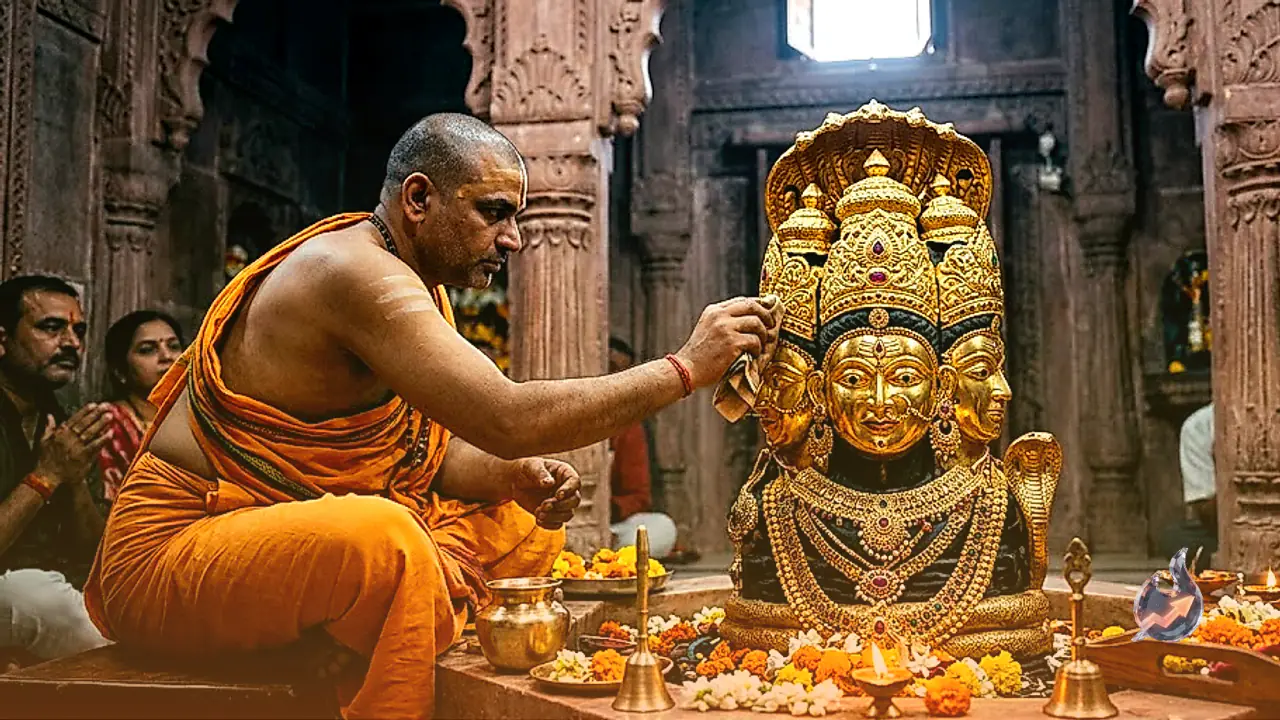



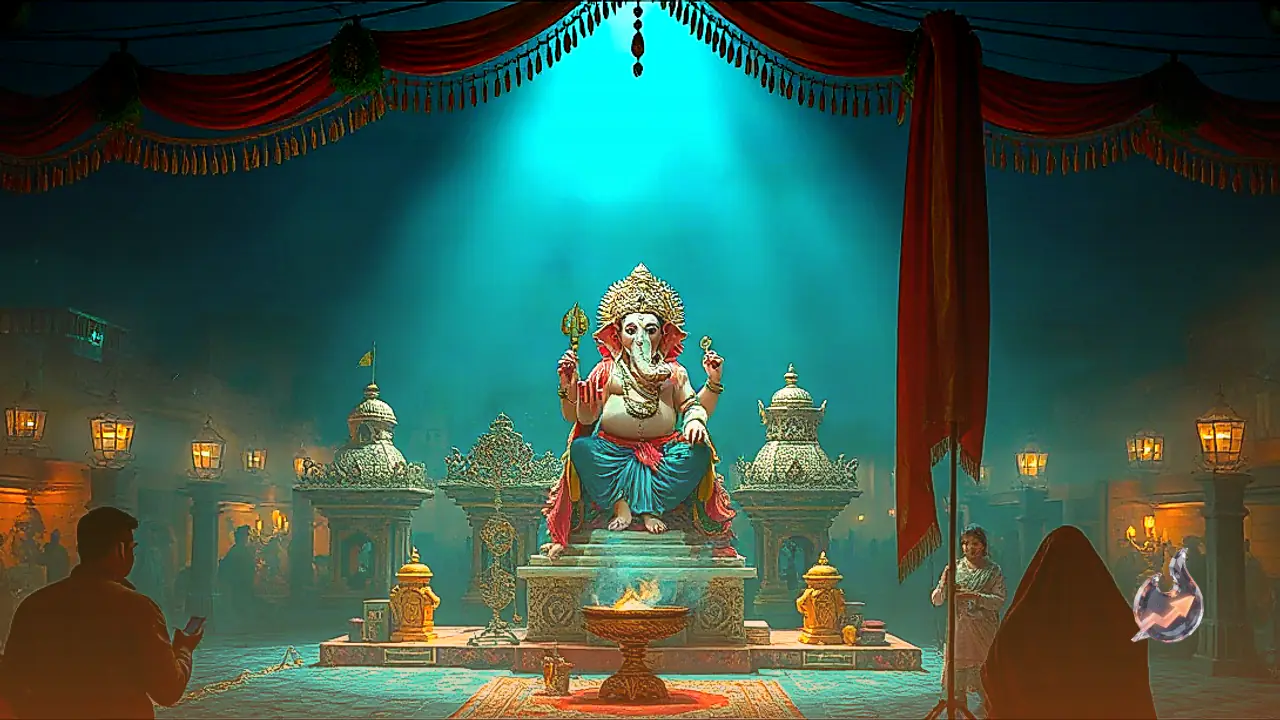














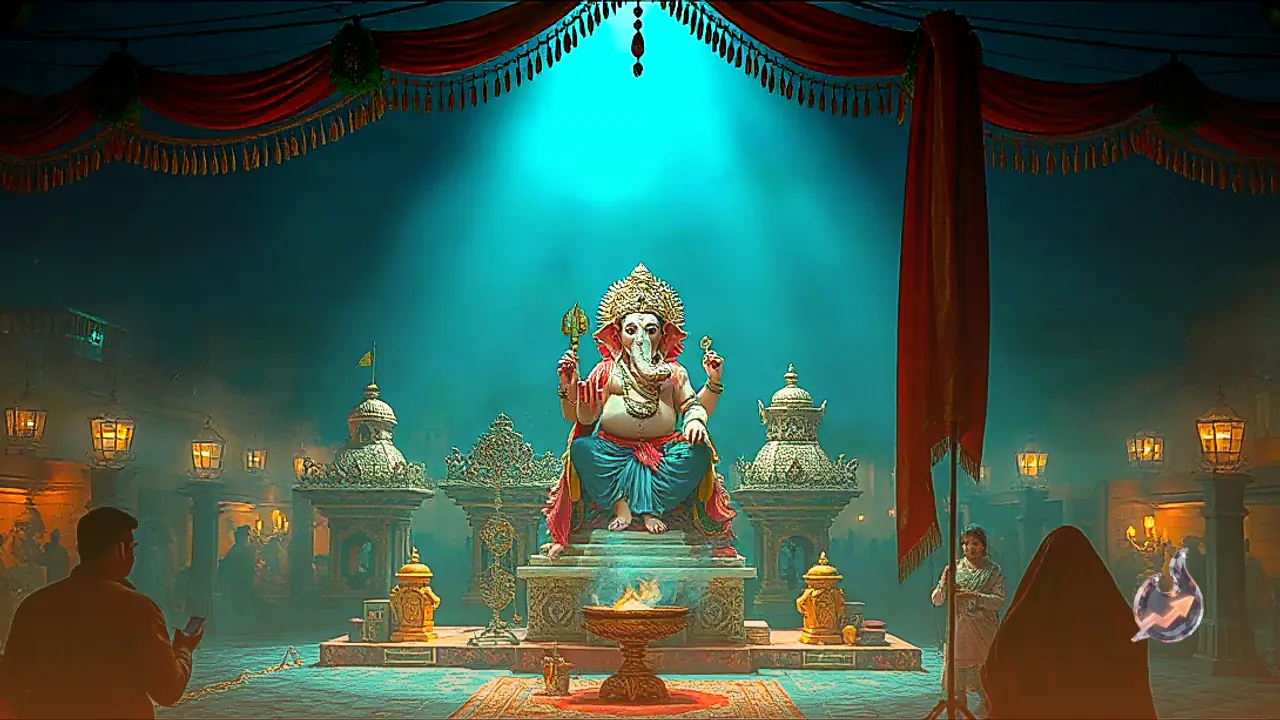

Ganesh Chaturthi is celebrated across the country with tremendous devotion and enthusiasm to commemorate the birth of Lord Ganesha. Devotees welcome the deity into their homes and public marquees with elaborate rituals and heartfelt prayers. This year, the auspicious occasion falls on Monday, September 14. According to the traditional calendar, the festivities commence every year on the Chaturthi Tithi of Shukla Paksha in the month of Bhadrapada, marking the installation of Ganesha idols. The ten-day spiritual celebration culminates on Anant Chaturdashi, the Chaturdashi Tithi of the same fortnight, with grand processions and idol immersion.
In the customary worship of Lord Ganesha, establishing the idol alone is considered incomplete without the installation of a ceremonial pot, known as the kalash. In religious tradition, the kalash serves as an emblem of divine presence, purity, and spiritual abundance. Known as Vighnaharta, the remover of obstacles, and Mangalkarta, the harbinger of prosperity, Ganesha is invoked prior to every major task to eliminate hindrances. Understanding the spiritual foundation of the kalash and its placement method is essential for performing the rites with complete reverence.
Spiritual Purpose Behind the Kalash Installation
Within Hindu liturgy, the kalash is revered as a physical vessel holding divine celestial energy. Prior to installing Lord Ganesha, the worship altar is purified, followed by the placement of the pot. People typically employ vessels fashioned from copper, brass, or unbaked clay for this sacred task. The water placed inside the kalash represents vital life energy and consciousness, while the coconut resting atop the foliage signifies spiritual accomplishment, auspiciousness, and completeness.
During the Ganesh festival, the consecrated pot sits in immediate proximity to the idol of Lord Ganesha. In many households, the liturgical proceedings formally begin with the establishment of the pot, invocation of deities, and an oath of intent. This tradition grounds the entire ritual in spiritual sanctity, generating a peaceful and positive atmosphere across the home or temple venue.
Step-by-Step Procedure and Materials Required for the Pot
Preparation begins by thoroughly cleaning the altar area and placing a wooden platform where the kalash will rest. The space is ritually purified prior to positioning the vessel. Once cleansed, the pot is filled with fresh, clear water. Devotees then add sacred Ganga water, raw unbroken rice grains, a whole betel nut, and a metallic coin into the water.
Fresh leaves of mango or ashoka trees are arranged around the rim of the pot, and a consecrated coconut is balanced on top. The idol of Lord Ganesha is placed nearby on the dais. Devotees then conduct the formal invocation and prayers for both the kalash and the deity. Depending on local customs and ancestral family traditions, minor variations may exist in the supplementary items placed inside the vessel. Faithfully following these sanctified steps is believed to invite divine grace and eliminate troubles from daily life.
Core Offerings and Daily Worship Traditions
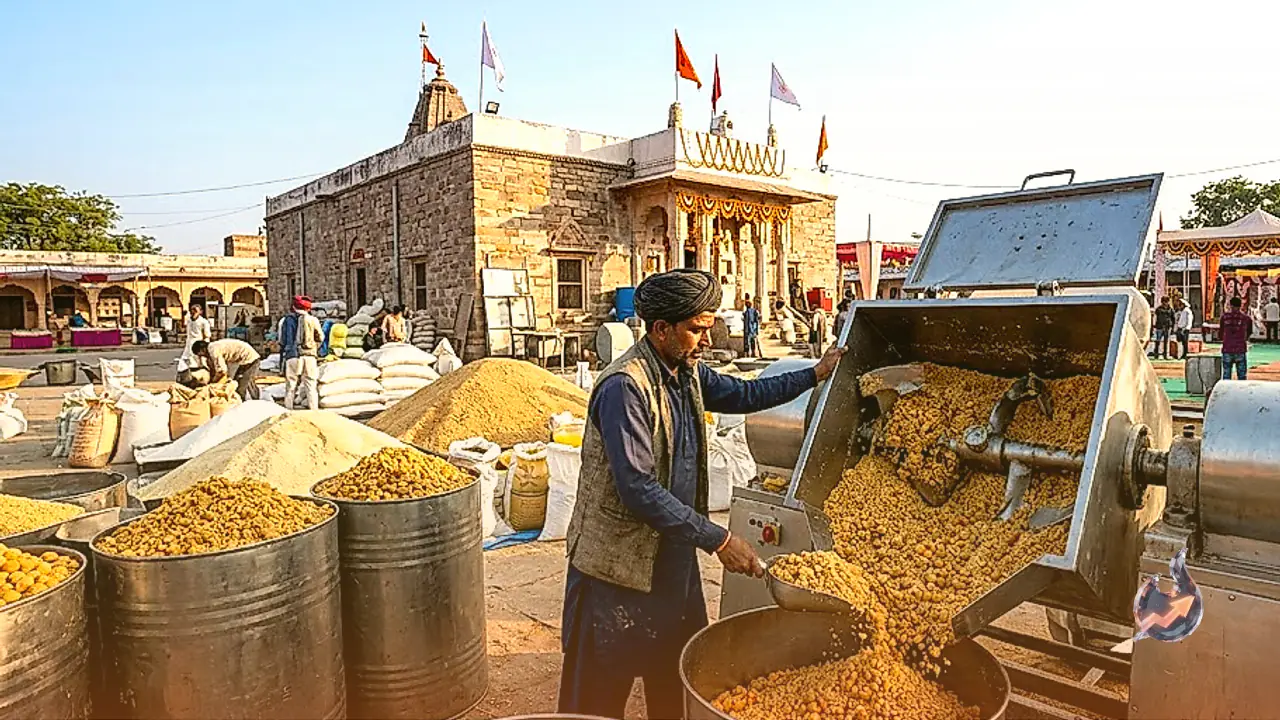
Welcoming Lord Ganesha into the home involves offering his preferred sacred items during the puja. Devotees traditionally present fresh green durva grass blades, steamed modaks, gram flour or boondi laddoos, and bright red flowers. These offerings are accompanied by the lighting of lamps, the singing of traditional aartis, and the recitation of sacred hymns. Beyond fulfilling an ancient ritual, the ceremony helps foster familial harmony, mental clarity, and an uplifting emotional energy throughout the household.
Calendar of Key Dates for the 10-Day Festival in 2026
The daily observance of prayers, aarti rituals, and final farewell preparations follow this designated timeline
- Monday, September 14, 2026: Ganesh Chaturthi celebration and ceremonial Ganpati Sthapana.
- Tuesday, September 15, 2026: Ganpati puja accompanied by daily community aarti.
- Thursday, September 17, 2026: Routine devotional prayers and religious observances.
- Friday, September 18, 2026: Special daily worship service for Lord Ganesha.
- Tuesday, September 22, 2026: Daily prayers, devotional singing, and offerings.
- Thursday, September 24, 2026: Concluding day of the main festivities and arrangements for immersion.
- Friday, September 25, 2026: Anant Chaturdashi observances and formal ceremonial Ganpati Visarjan.