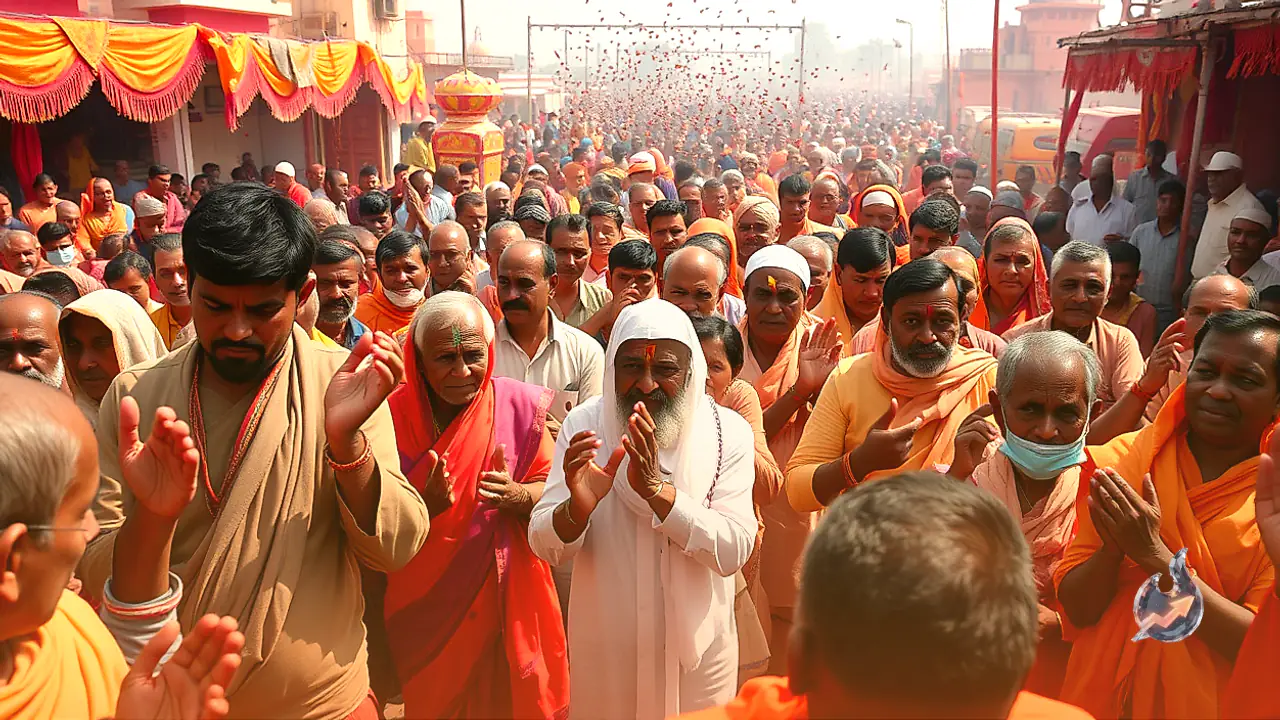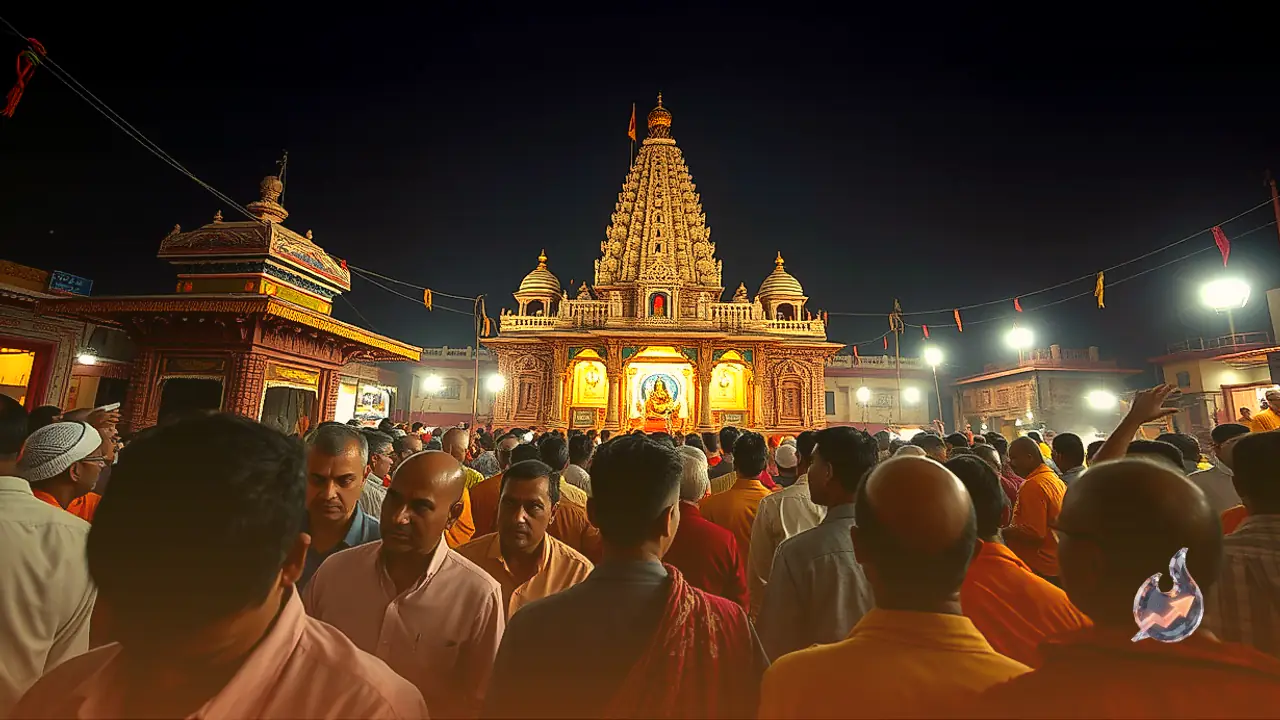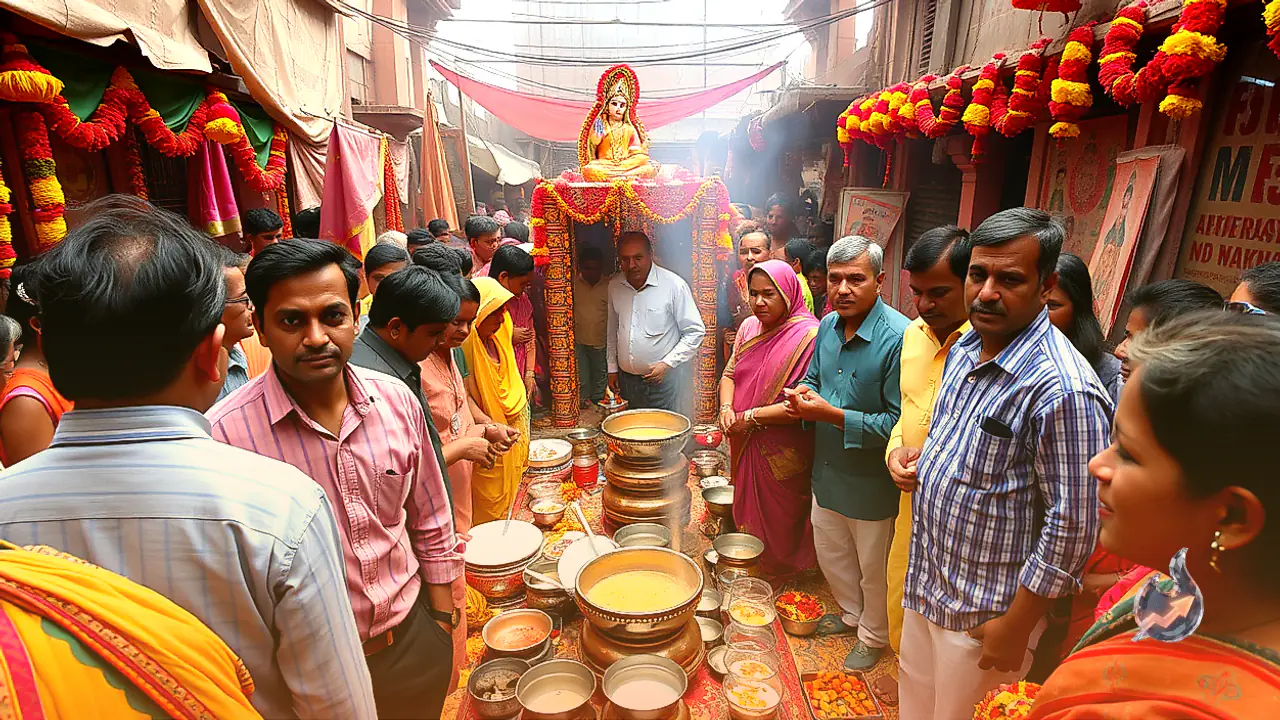





















The second day of Shardiya Navratri 2026 marks the sacred worship of Maa Brahmacharini, the second divine form of Goddess Durga. Revered as the symbol of penance, sacrifice, self-restraint, and unwavering resolve, her very name signifies the embodiment of spiritual austerity. According to traditional beliefs, performing dedicated rituals for her endows devotees with immense patience, spiritual fortitude, and the inner strength to overcome difficult circumstances while also strengthening the position of Mars in one's astrological chart.
Divine Form and Mythological Significance
Maa Brahmacharini is depicted holding a japa mala (prayer beads) in one hand and a kamandalu (water pot) in the other, a serene form that conveys a profound message of meditation and devotion. According to ancient scriptures, Goddess Parvati undertook severe and rigorous penance to attain Lord Shiva as her divine consort. It was because of this deeply ascetic journey that she came to be known as Brahmacharini. Worshipping her during the nine sacred nights inspires practitioners to cultivate patience, emotional stability, and inner peace.
Ritual Procedures and Auspicious Offerings
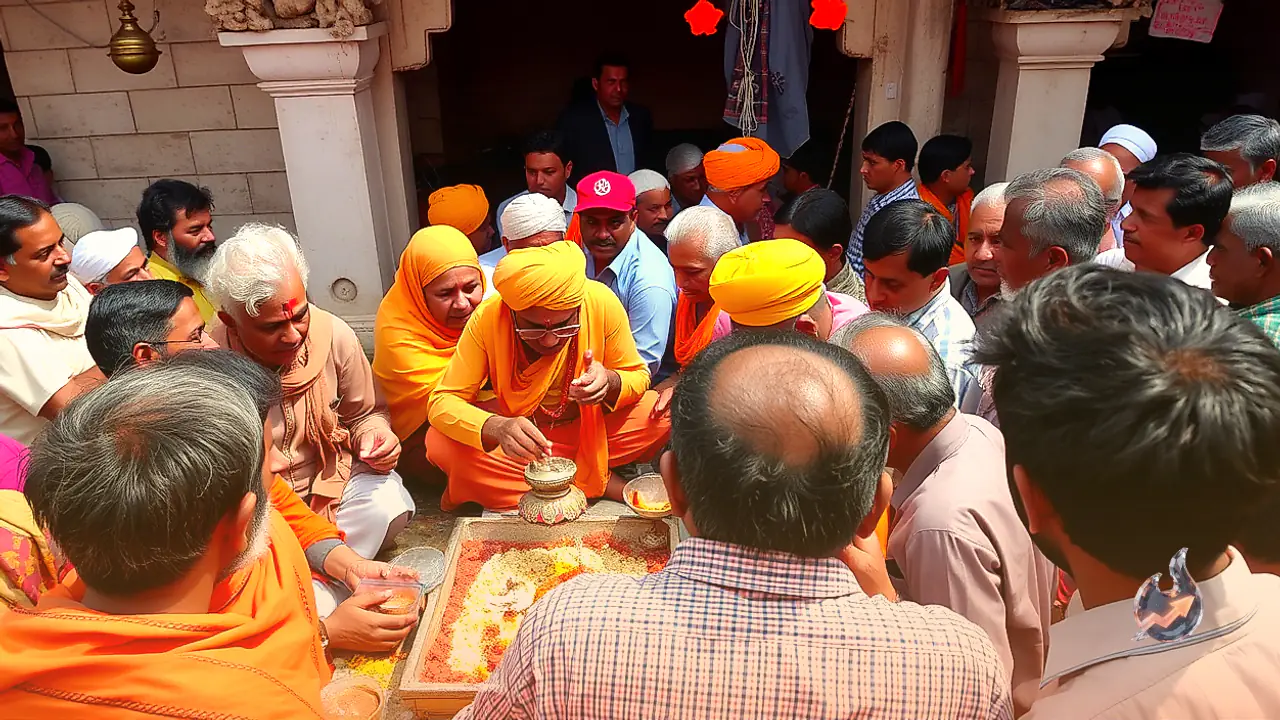
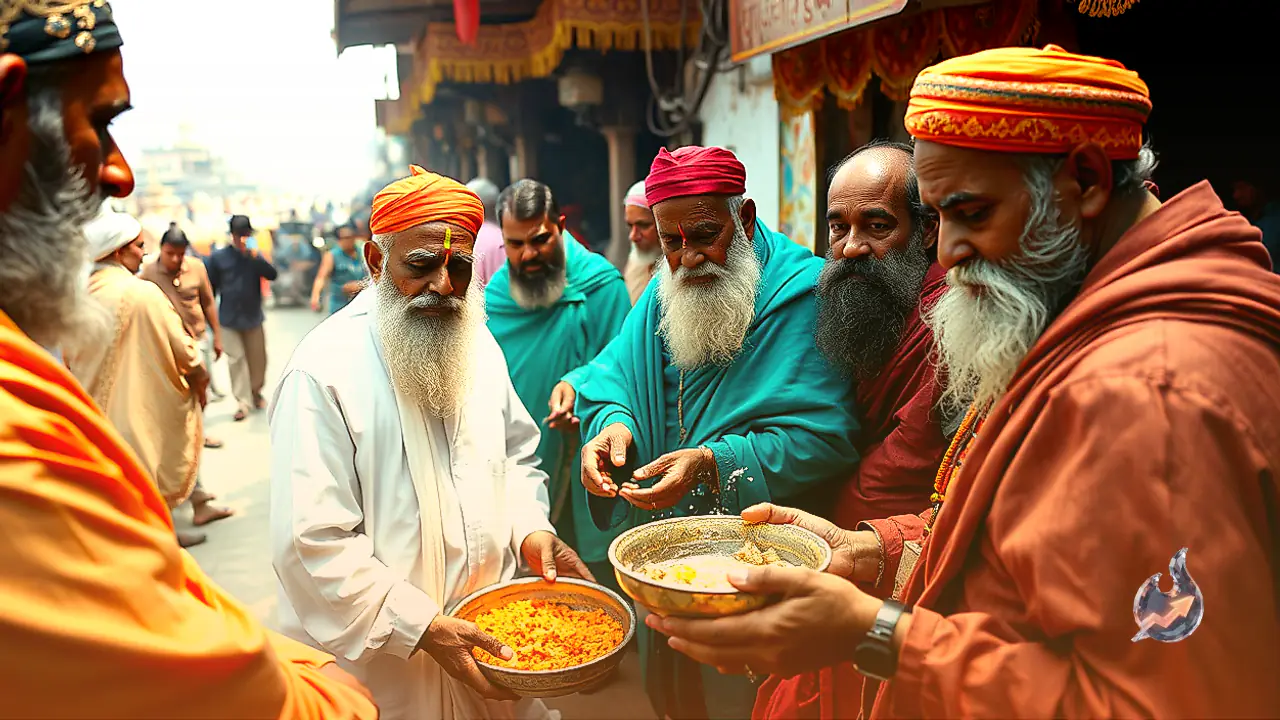
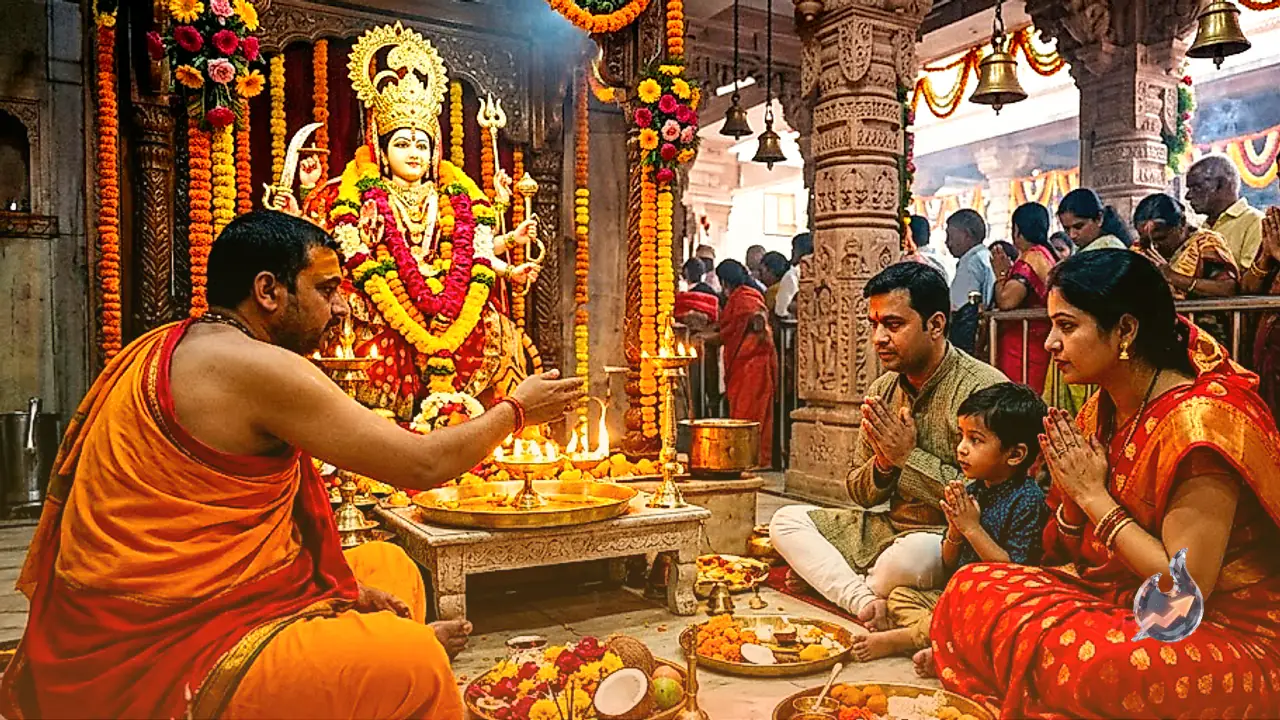
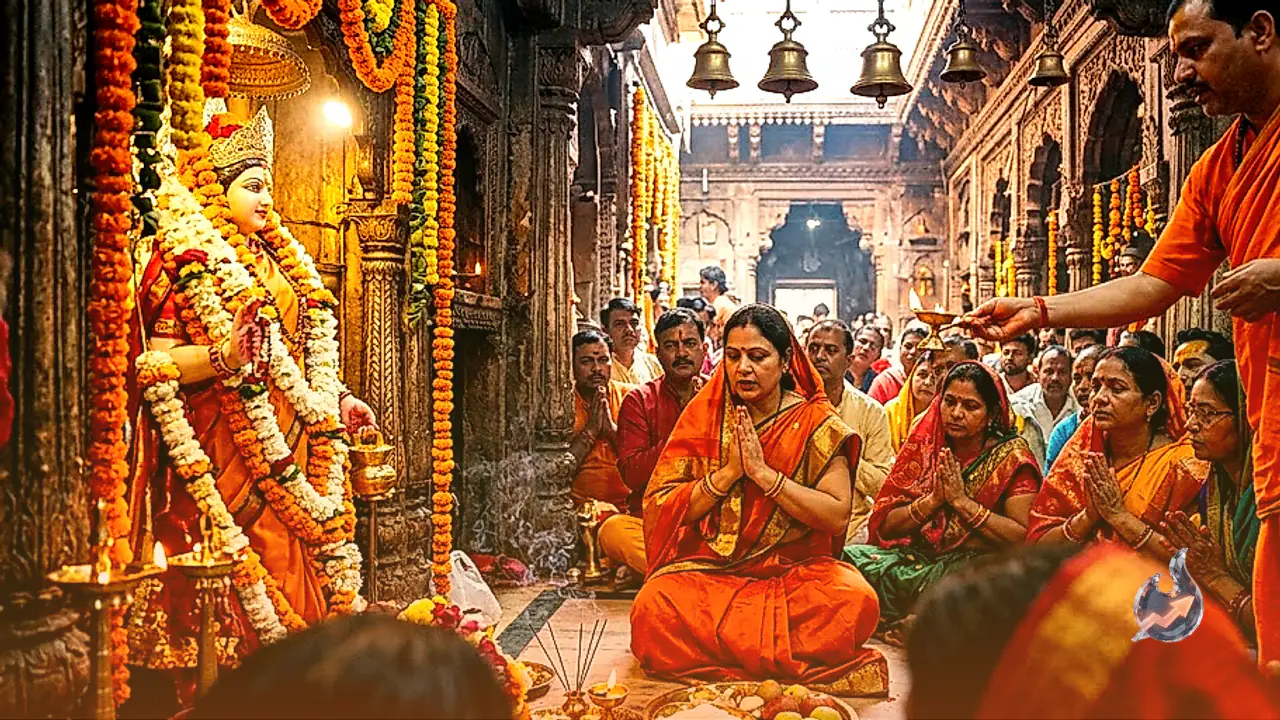
The observance on the second day begins early in the morning with a ritual bath followed by wearing clean garments. After thoroughly purifying the worship area, devotees invoke Goddess Durga and Maa Brahmacharini. Flowers, akshat, sandalwood, and vermilion are offered to the deity. Incense and oil lamps are lit, accompanied by offerings of fresh fruits and sweets. Tradition holds that offering sugar, rock candy, and panchamrit brings auspicious blessings. These offerings should be made with a pure and positive heart, and the blessed prasad must later be distributed among family members and fellow devotees.
Sacred Mantras and Prayers
Chanting dedicated mantras with utmost devotion forms an essential part of the worship. Verses such as 'Dadhana karpadmabhyam akshamalakamandalu' invoke the goddess who bears the prayer beads and water pot to bestow her supreme grace. Prayers like 'Ya Devi sarvabhuteshu' and other auspicious hymns are recited to seek divine protection, prosperity, and overall well-being for the entire household.