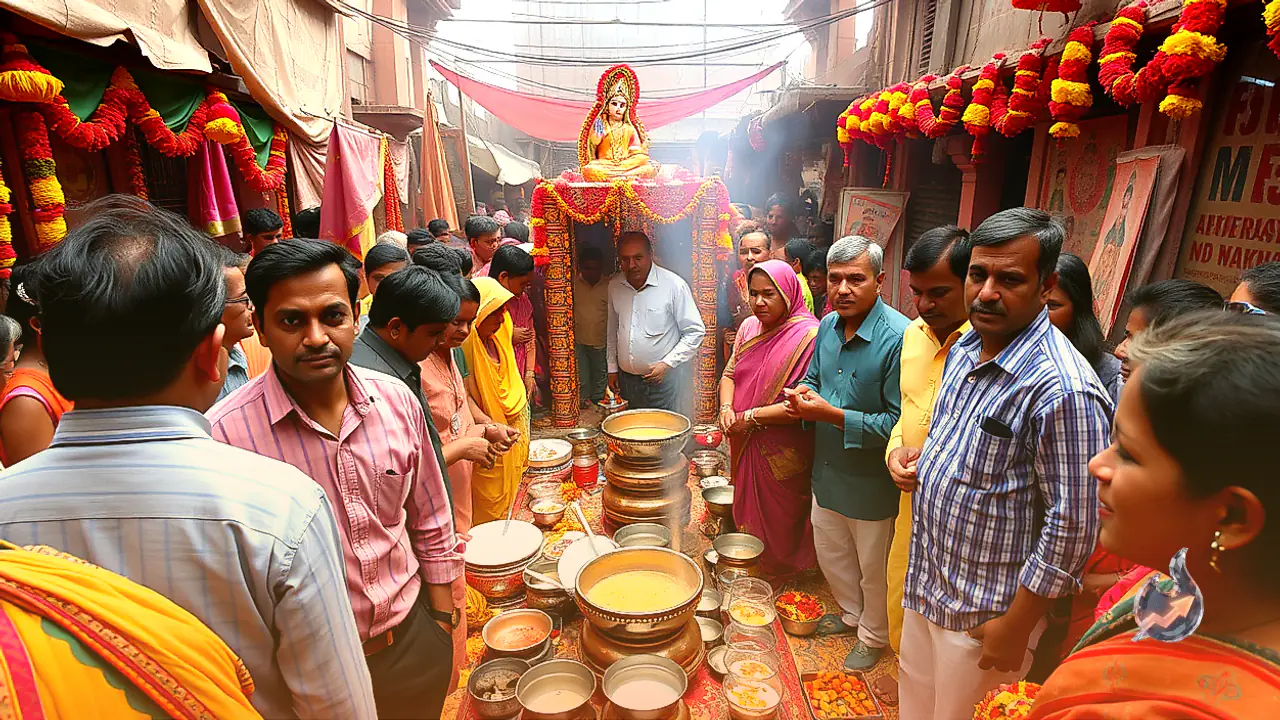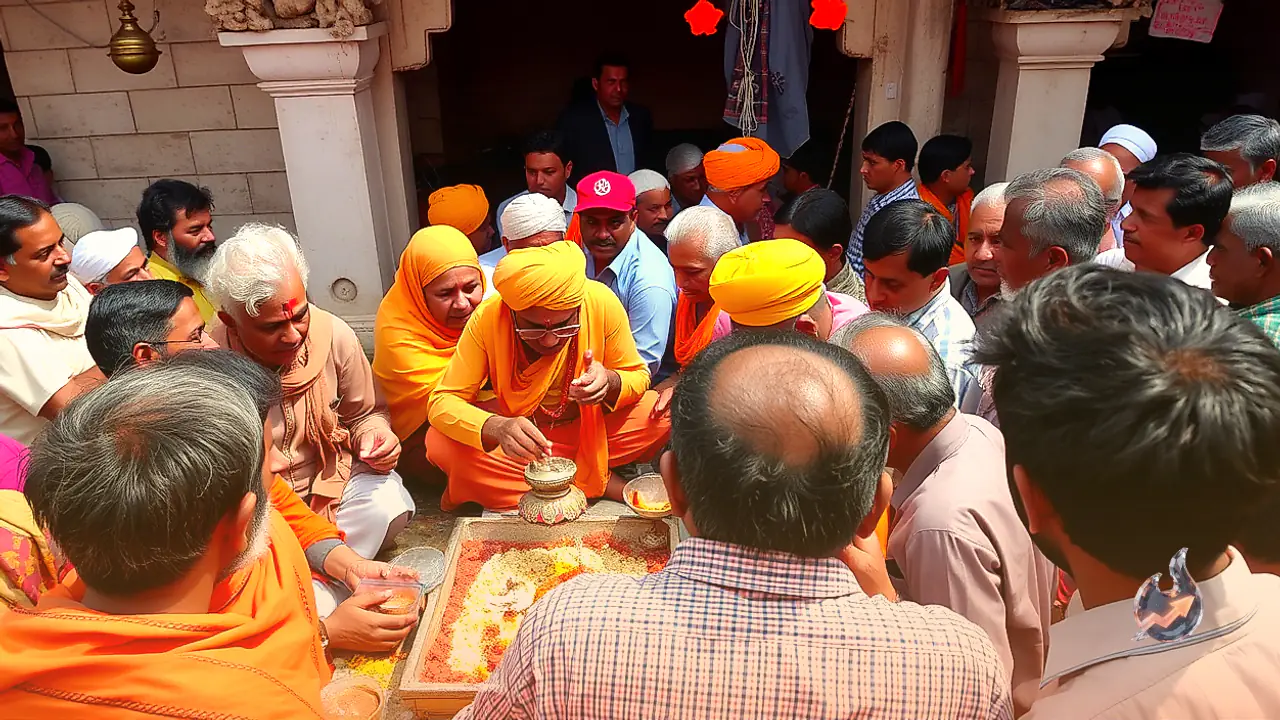

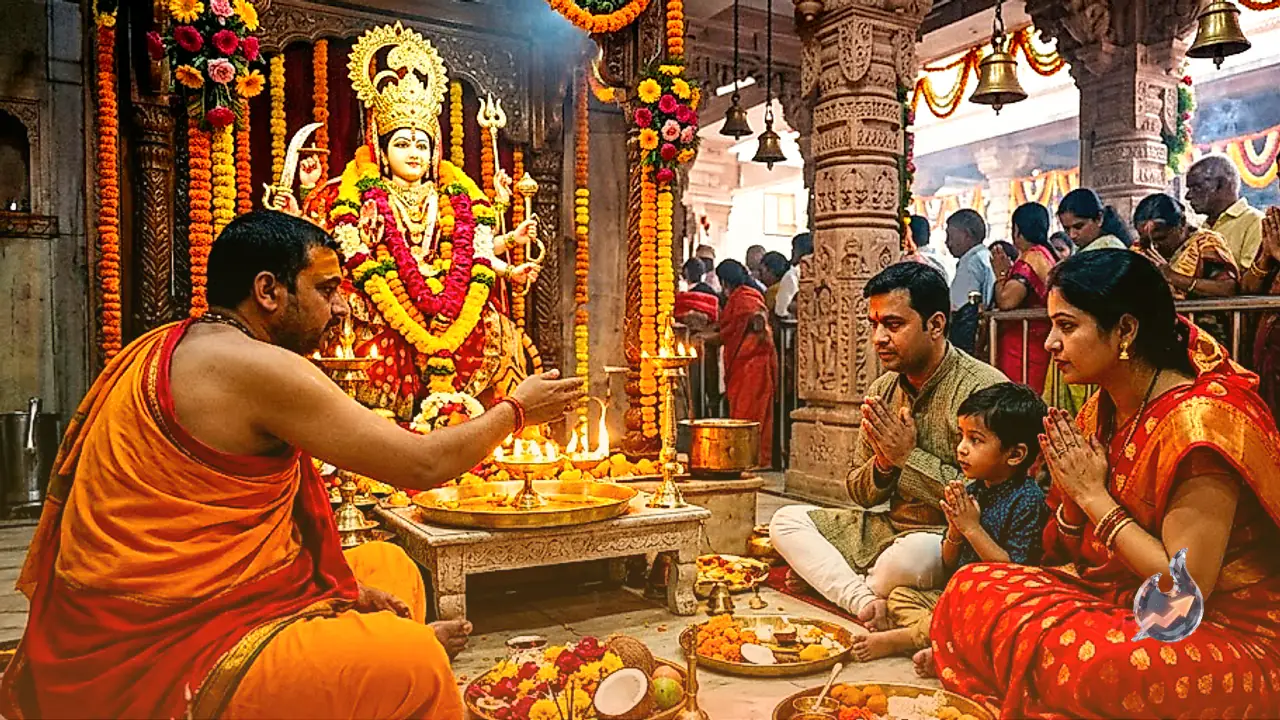


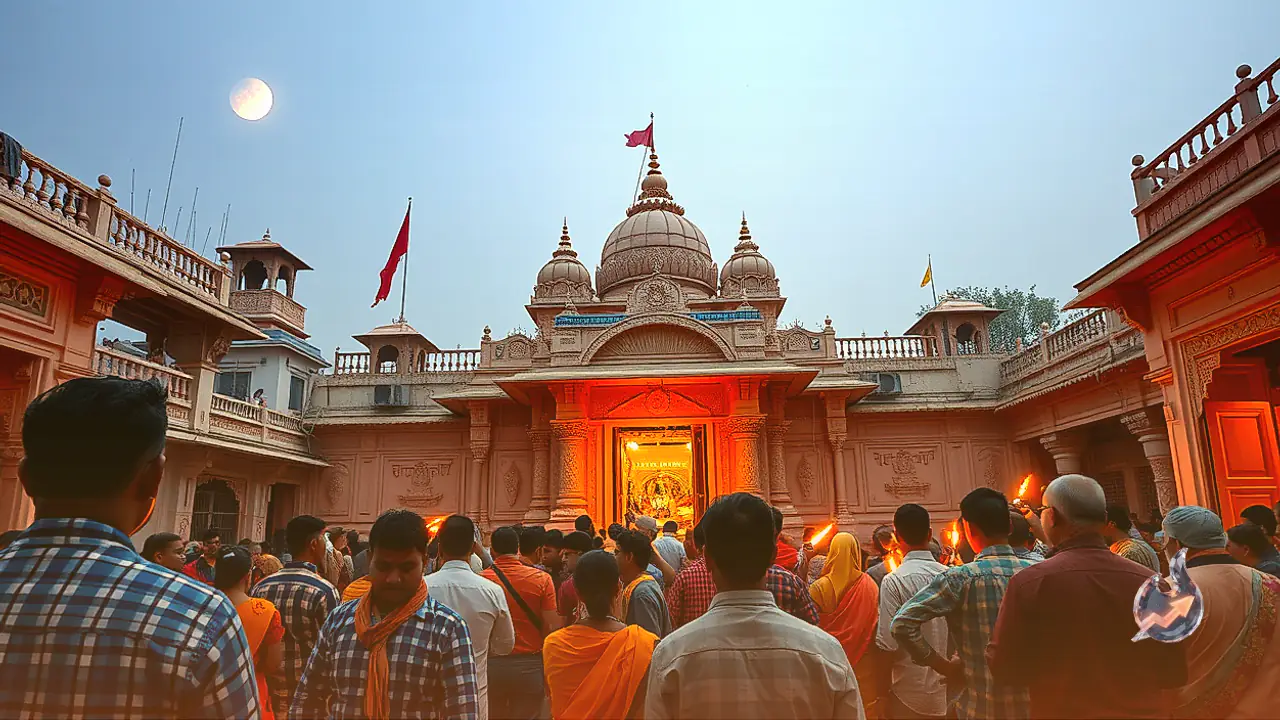



















The month of Aashwin holds a very special place in Hindu traditions as it combines the periods of ancestral remembrance and divine worship. The first half of this month is observed as Pitru Paksha, while the second half is dedicated to Devi Paksha, allowing devotees to honor both their ancestors and the divine feminine. Tulsi is widely regarded as a symbol of Goddess Lakshmi, and offering prayers to the sacred plant with proper rituals during this month brings immense grace from the goddess. Such practices help eliminate financial hardships and free households from lingering debts. According to astrologers from Deoghar, following specific guidelines while worshipping Tulsi in Aashwin can transform the household environment.
Dates and Significance of Aashwin Month
Renowned astrologer Pandit Nandkishore Mudgal explains that the month of Aashwin begins immediately after the conclusion of Bhadon Purnima. This period starts on September 8 and concludes with the Purnima Tithi on October 8. Several major festivals fall within this timeframe, blending ancestral rites with the worship of Goddess Durga to enhance prosperity and happiness in life. Offering prayers to Tulsi during this auspicious month is considered exceptionally fruitful for maintaining spiritual harmony at home.
Tulsi Worship Rules During Pitru Paksha
Astrologers note that while Tulsi should be tended to year-round, the rituals during Pitru Paksha require specific care. Throughout the ancestral fortnight, devotees should bathe early every morning and offer water mixed with black sesame seeds to the Tulsi plant. Applying kumkum and lighting a ghee lamp in the evening are essential steps, along with offering strictly vegetarian and pure food items as bhog.
Devi Paksha Rituals and Mantra Chanting
Once Pitru Paksha ends and Devi Paksha begins, the method of worship shifts to celebrating divine energy. Devotees should offer water to the Tulsi plant and wrap a sacred red chunri around it. Lighting a ghee lamp every single evening is mandatory, accompanied by chanting the traditional prayer Mahaprasad Janani Sarva Saubhagya Vardhini Aadhi Vyadhi Hara Nityam Tulsi Tvam Namostute. Following this routine ensures perpetual prosperity and keeps financial scarcity away from the home.