



















Gurdial Singh Bhangu, who shaped the journey of Indian women hockey and gave it a distinct identity, has breathed his last in Surrey, Canada. He was 86 years old at the time of his passing. His departure marks the end of an era for the sport he dedicated his life to coaching and mentoring.
Hockey India Expresses Condolences
Hockey India released a statement expressing deep sorrow over his demise, noting that his immense contributions to Indian hockey will always be remembered. The governing body extended heartfelt condolences to his family members, friends, and loved ones during this hour of grief.
Historic Gold at the 2002 Commonwealth Games
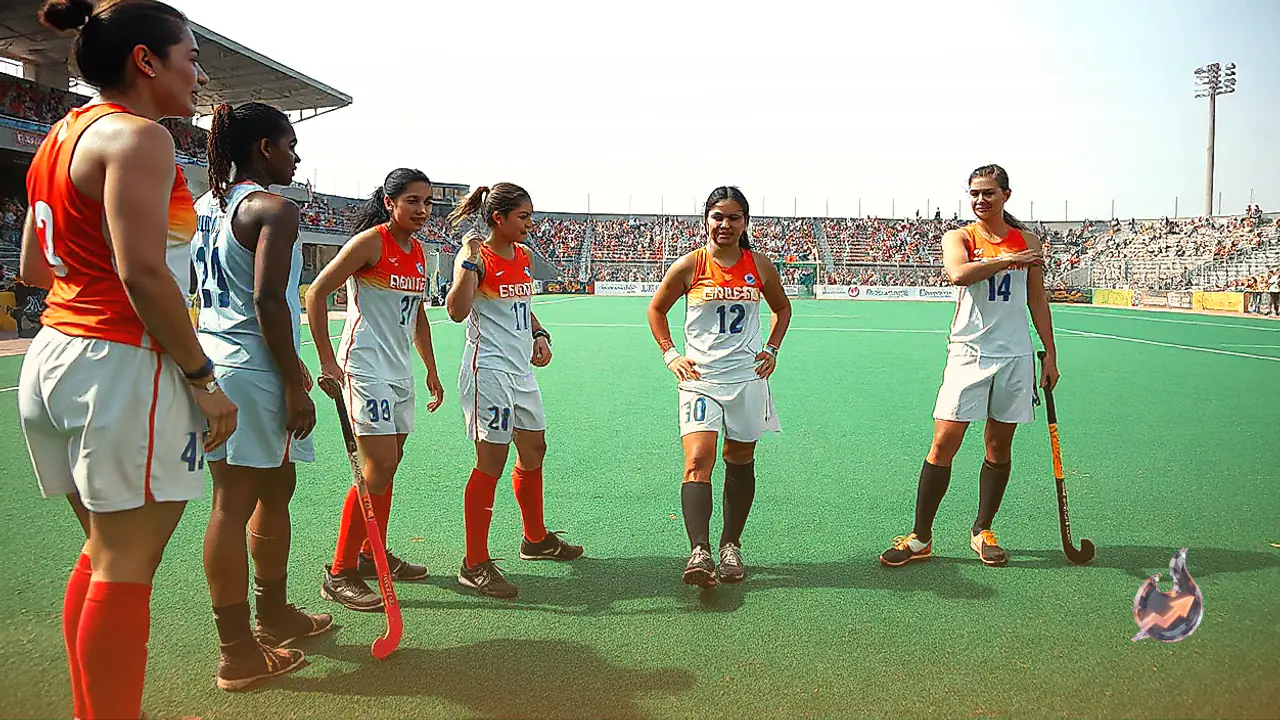
The name of Gurdial Singh Bhangu remains permanently etched in the annals of Indian sports history for guiding the women team to a memorable triumph. Under his tactical mentorship, India defeated hosts England 3-2 in a thrilling final held in Manchester to clinch the Commonwealth Games title. The tense encounter was ultimately decided by Mamta Kharab scoring a golden goal in extra time, creating a landmark moment for the nation.
Inspiration Behind the Film Chak De India
The dramatic victory in Manchester transcended regular sports news and became a widely discussed cultural milestone. This very tournament and its extraordinary narrative later served as the primary inspiration and storyline base for the 2007 hit Bollywood film ‘Chak De India’, starring Shah Rukh Khan.
Born in Lyallpur, which is present-day Faisalabad in Pakistan, Bhangu grew up in Ambala and played competitive hockey at the university level. He later pursued formal coaching training at the National Institute of Sports in Patiala, where he had the privilege of learning under legendary hockey icon Dhyan Chand and Olympic gold medalist Balkishan Singh.
International Experience and Dronacharya Honor
Before taking charge of the Indian women team, he served as the head coach of the Nigerian women hockey team between 1972 and 1976. He formally stepped into the role of chief coach for the Indian women squad in 1998. In recognition of his lifetime dedication and profound impact on Indian hockey, he was honored with the prestigious Dronacharya Award in the year 2000.