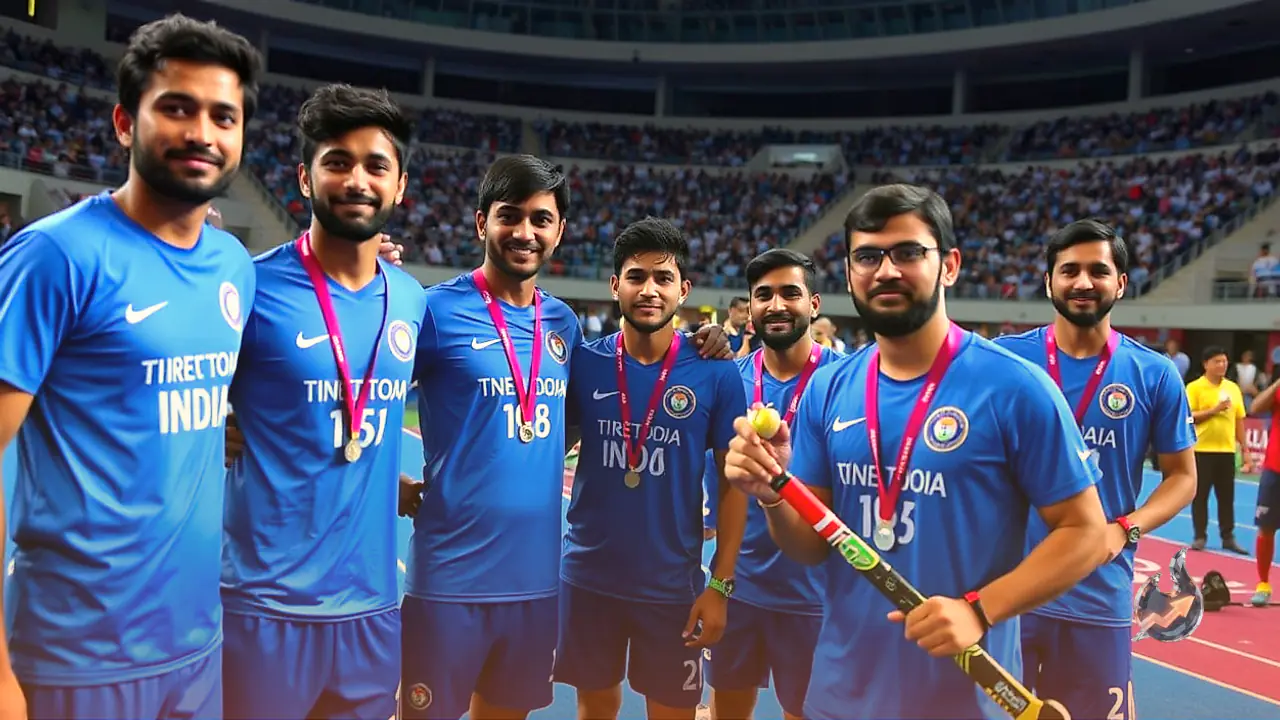





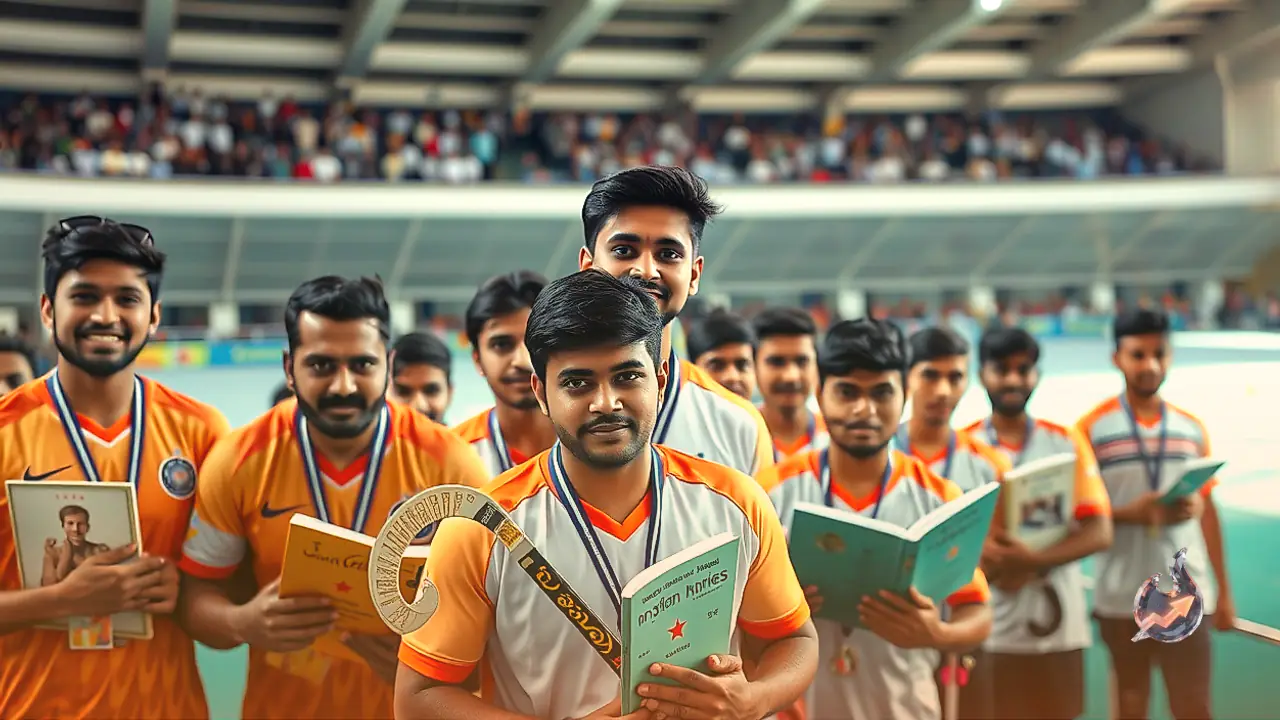














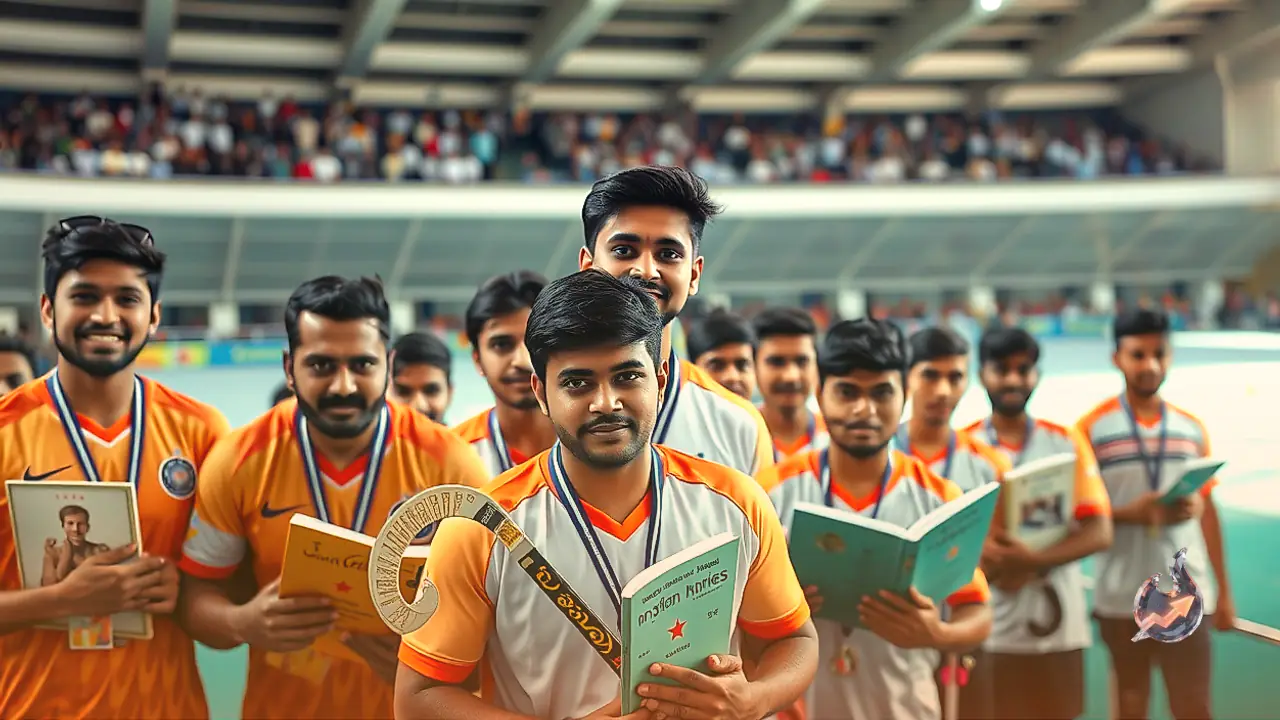

The Indian men's hockey team put on a commanding display in the final of the Asian Games 2026, overpowering Malaysia 5-1 to secure the gold medal. This triumph marked an unprecedented milestone in Indian sports history, as it became the very first time in Asian Games history that both the Indian men's and women's hockey squads secured gold medals in the same edition. Beyond continental supremacy, the emphatic victory earned India direct qualification for the Los Angeles 2028 Olympic Games. The Indian side dominated play across the pitch, registering goals across the first, second, and third quarters, while Malaysia managed only a single goal during the opening quarter.
Opening Quarter Drama and Early Exchanges
Right from the opening whistle, India sought to establish control and apply pressure on the Malaysian defense. While the initial few minutes saw Indian players operating with caution to protect their backline, they quickly shifted into an aggressive attacking rhythm. India created an early penalty corner opportunity, though the initial set piece could not be converted into a score. Refusing to relent, the attackers kept pressing inside the circle and were rewarded with a second penalty corner shortly after. In the 11th minute, captain Harmanpreet Singh stepped up and converted the chance, handing India an early 1-0 lead.
The advantage was short-lived as Malaysia mounted an immediate counter offensive. Just three minutes later, in the 14th minute, Malaysian player Shello Silverius struck an impressive field goal that breached the Indian defense. The equalizer leveled the score at 1-1, ensuring the first quarter concluded in a tense stalemate.
Jugraj Singh Restores India's Advantage in Second Quarter
Malaysia emerged for the second quarter with noticeable tactical aggression, stepping higher up the field to challenge Indian possession. India withstood the surge and waited for the right opportunity to counterattack, earning a pivotal penalty corner in the process. In the 23rd minute, Jugraj Singh capitalized on the set piece opportunity, driving the ball home to restore India's lead at 2-1.
Trailing by a goal, Malaysia pushed forward with urgency in an attempt to restore parity before the break. However, the Indian backline remained disciplined and alert, closing down shooting angles and denying Malaysia any clear openings inside the striking circle. India successfully held onto their advantage, carrying the 2-1 cushion into the half-time intermission.
Third Quarter Pressure and Hardik Singh's Penalty Stroke
The third quarter saw India unleash continuous offensive pressure, repeatedly penetrating the Malaysian circle. The team experienced initial frustration when multiple scoring chances went unconverted. Jugraj missed out on converting a penalty corner, followed by Nilakanta failing to find the target from open play. Another penalty corner chance was parried when captain Harmanpreet Singh was unable to beat the defensive line.
The persistent pressure finally broke the Malaysian resistance when India earned consecutive penalty corners. On Harmanpreet's powerful strike, the ball was illegally stopped by a Malaysian defender, prompting the umpire to award India a penalty stroke. In the 42nd minute, Hardik Singh calmly stepped up and buried the stroke to push the scoreline to 3-1. Controlling the flow of the game with authority, India completely dismantled Malaysian hopes of a comeback and sealed the contest with an authoritative 5-1 result to take home the gold medal.