




















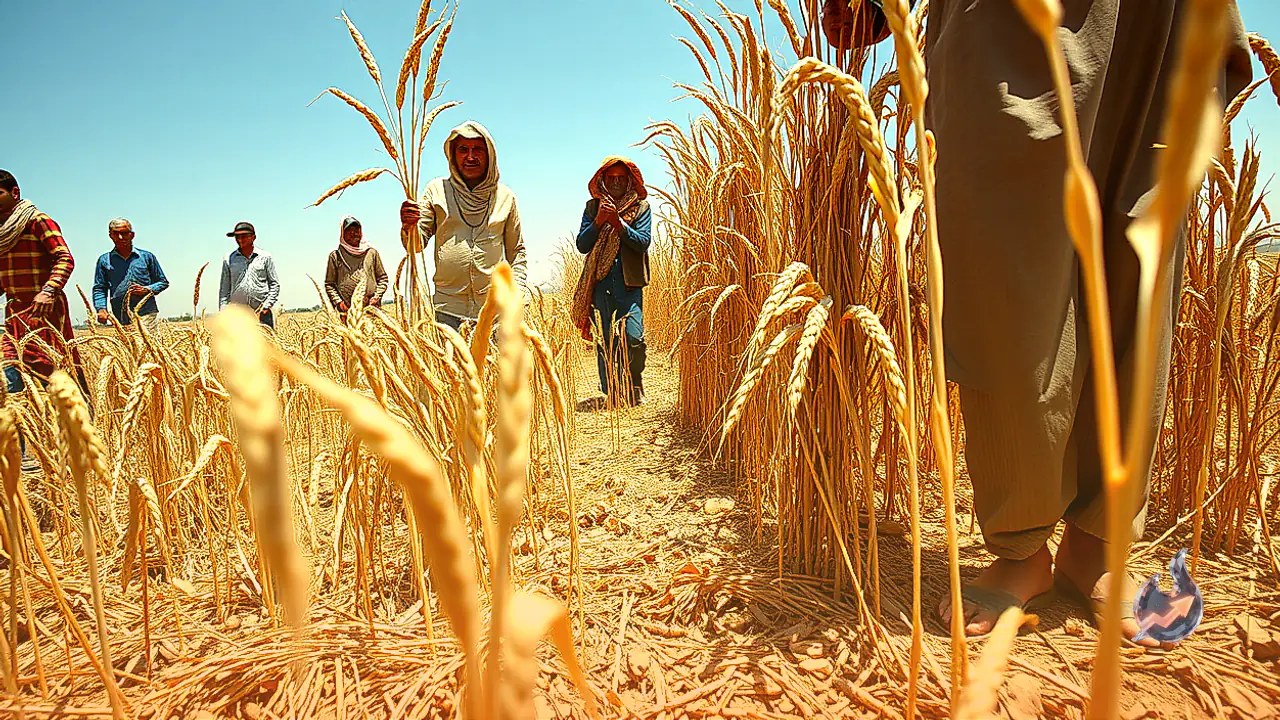

Searing desert sands, scarce rainfall, and persistent water shortages usually present formidable challenges to agriculture in Rajasthan. Yet, the fields across the border district of Barmer are currently commanding widespread attention. The center of this agricultural excitement is a Turkish variety of pearl millet, notable for its towering stalks and remarkably long earheads that far surpass standard crops. Despite unfavorable monsoon conditions, this drought-hardy grain has renewed local farmers' confidence in securing a substantial harvest.
Extraordinary Plant Height in Desert Conditions
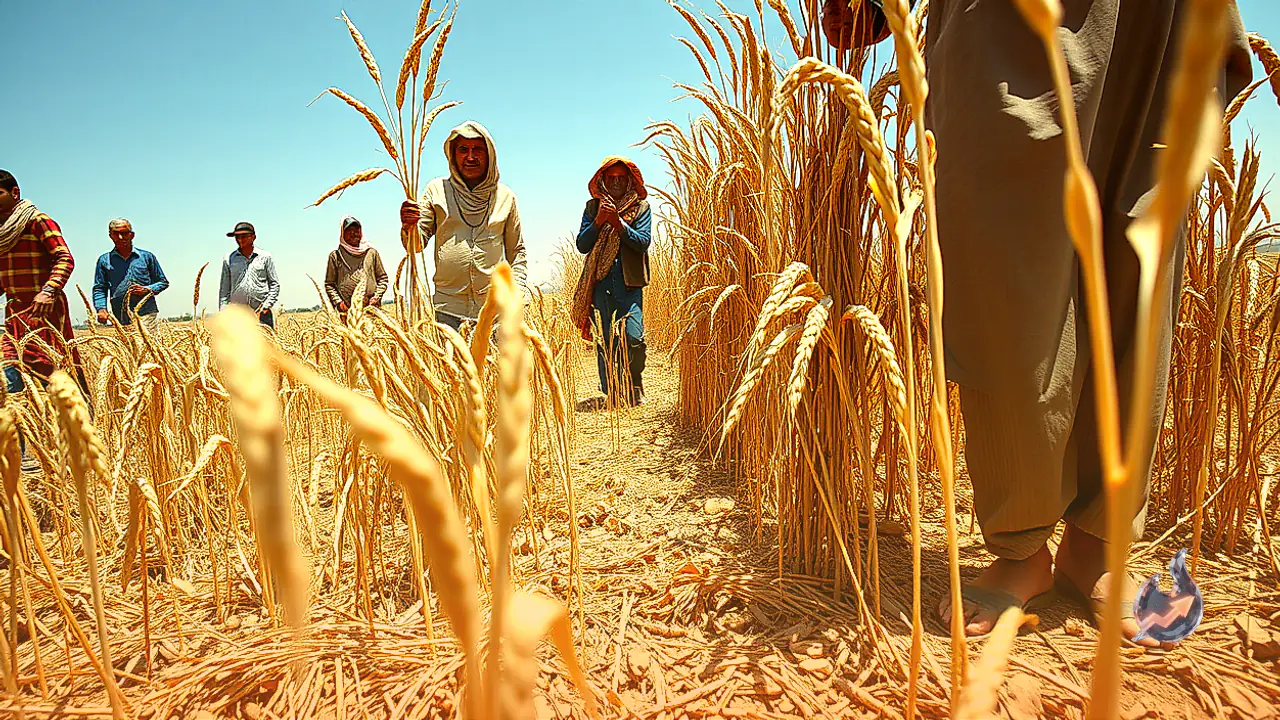
Pearl millet is traditionally cultivated in arid and semi-arid tracts where irrigation facilities are sparse and weather patterns unforgiving. In Barmer's border belt, cultivators experimented this season by sowing seeds of the Turkish variety across their holdings. Even with minimal precipitation, the crops have flourished across the dunes. The plants have attained striking heights ranging between 8 and 12 feet, while the grain-bearing earheads measure between 3 and 4 feet in length, making them significantly larger than customary regional crops.
Double Yield from Merely 5 Kilograms of Seed Per Hectare
Agronomic practices for this crop demonstrate remarkable resource efficiency. Sowing requires only 5 kilograms of Turkish millet seed per hectare of farmland. When compared against indigenous desi varieties, fields sown with this seed produce double the volume of grain. Along with sturdy stalks standing 8 to 10 feet tall and earheads measuring 3 to 4 feet, the sheer density and size of the spikes ensure high-capacity output, presenting an efficient cultivation strategy for resource-constrained landholders.
Drought Resilience and Reusable Seeds for Drylands
This variety ripens over a short maturity duration, displays robust drought tolerance, delivers elevated productivity, and provides dense nutritional value, making it a viable long-term choice for arid agricultural zones. A key practical advantage sets it apart from commercially available hybrid strains: while conventional hybrids cannot be gathered and resown without significant yield degradation, this Turkish variety allows growers to harvest and reuse their own grain as seed season after season. Cultivation has expanded rapidly across several villages in Barmer, including Janpaliya, Dhanau, Sedwa, Harpalia, Bakhasar, Dhorimanna, Bhiyad, Bhadkha, and Sanawada, along with neighboring settlements.