
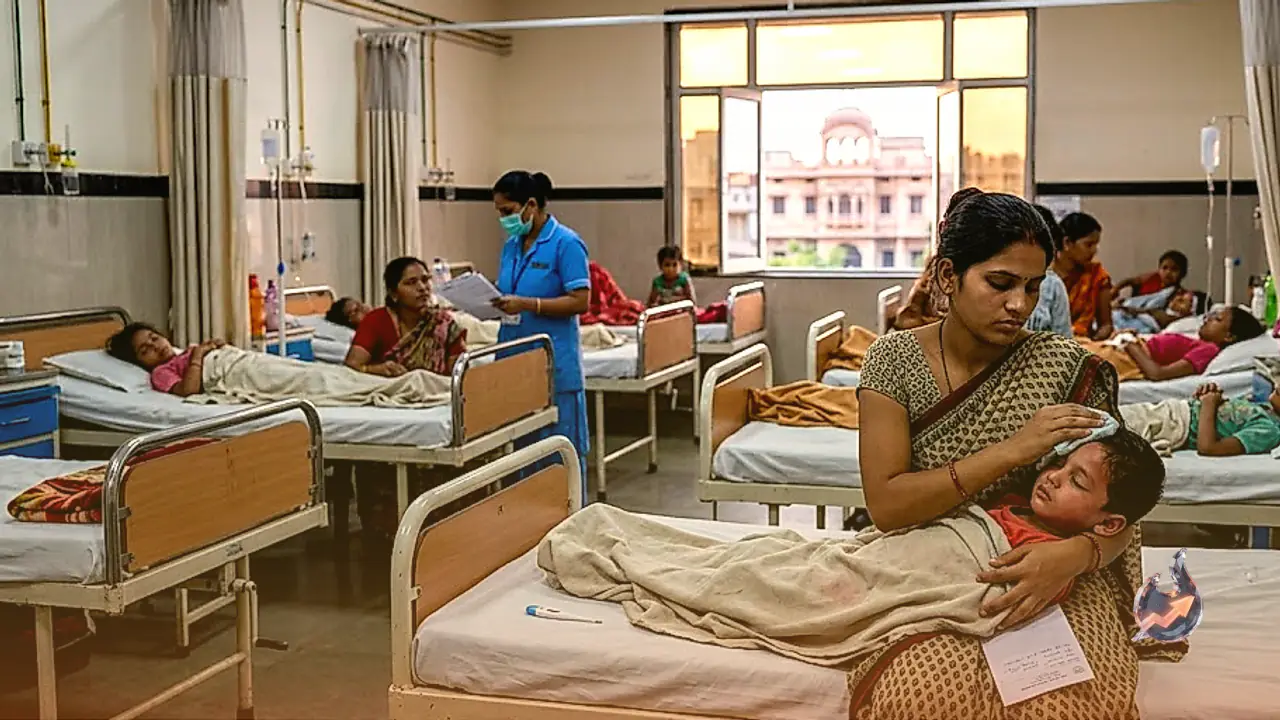















The departure of the monsoon season has brought an abrupt shift in atmospheric conditions across Bhilwara district. Following the cessation of rains, intense sunshine and oppressive humidity have returned, driving a steep divergence between daytime and nighttime temperatures. This fluctuating meteorological pattern is taking a direct toll on public health, with state-run and private healthcare facilities witnessing swelling queues of sick individuals. Residents are grappling with the dual strain of scorching afternoon heat and unexpected nocturnal chills.
Weak Monsoon Followed By Scorching October Heat
The monsoon season proved disappointing for Bhilwara this year, as the region witnessed sparse and erratic precipitation rather than sustained downpours. Throughout the traditional rainy months, local farming communities and the general public waited for substantial rainfall, yet skies remained largely clear. The absence of sufficient soil and air moisture has caused heat and sultry humidity to surge sharply right at the start of October, leaving citizens coping with sticky, sweltering daytime weather.
Temperatures Jump 3 To 4 Degrees With A 13-Degree Daily Spread
Meteorological records from the past week reveal a steady climb of 3 to 4 degrees Celsius in overall readings. The most striking element of the ongoing transition is the pronounced spread between daily highs and nightly lows. Bhilwara currently registers an extensive difference of approximately 13 degrees Celsius between its maximum and minimum mercury levels. Harsh, biting sun and heavy humidity dominate during the afternoon hours, only to give way to crisp, cooler air after nightfall. This rapid thermal variation is challenging the human body's tolerance thresholds, accelerating the spread of seasonal ailments among local residents.
Surging Outpatient Footfall At Mahatma Gandhi Hospital
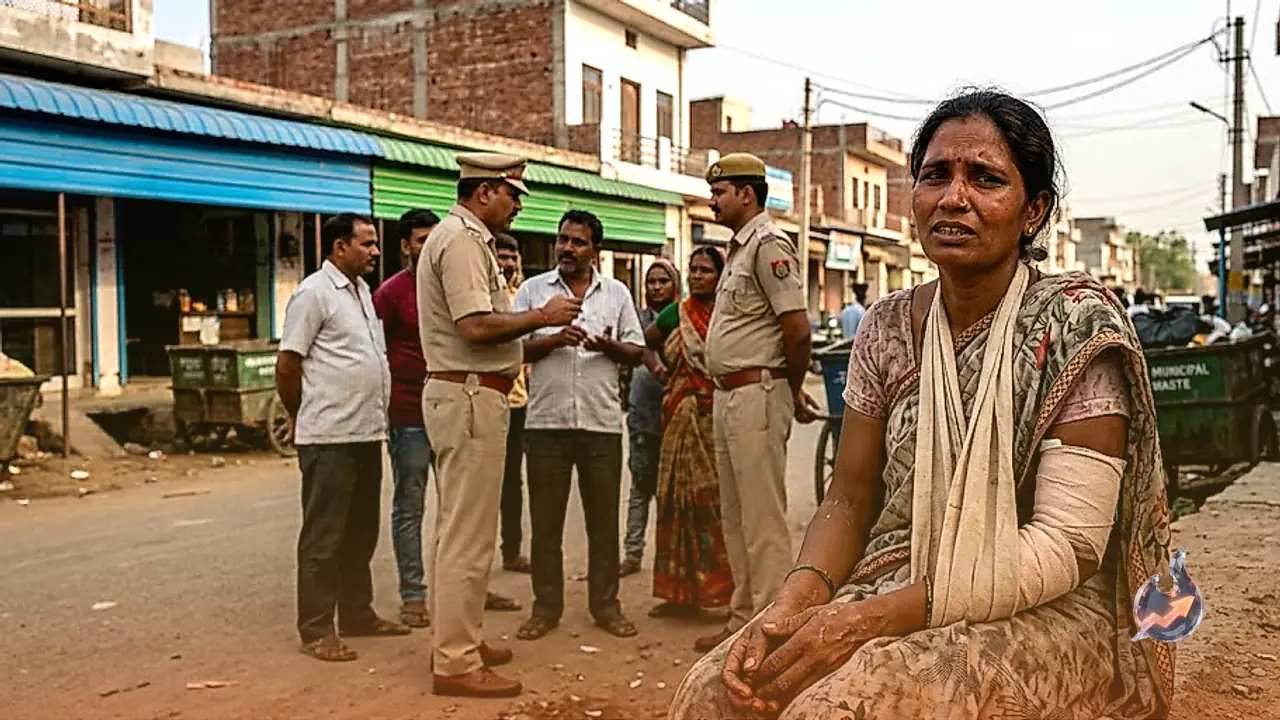
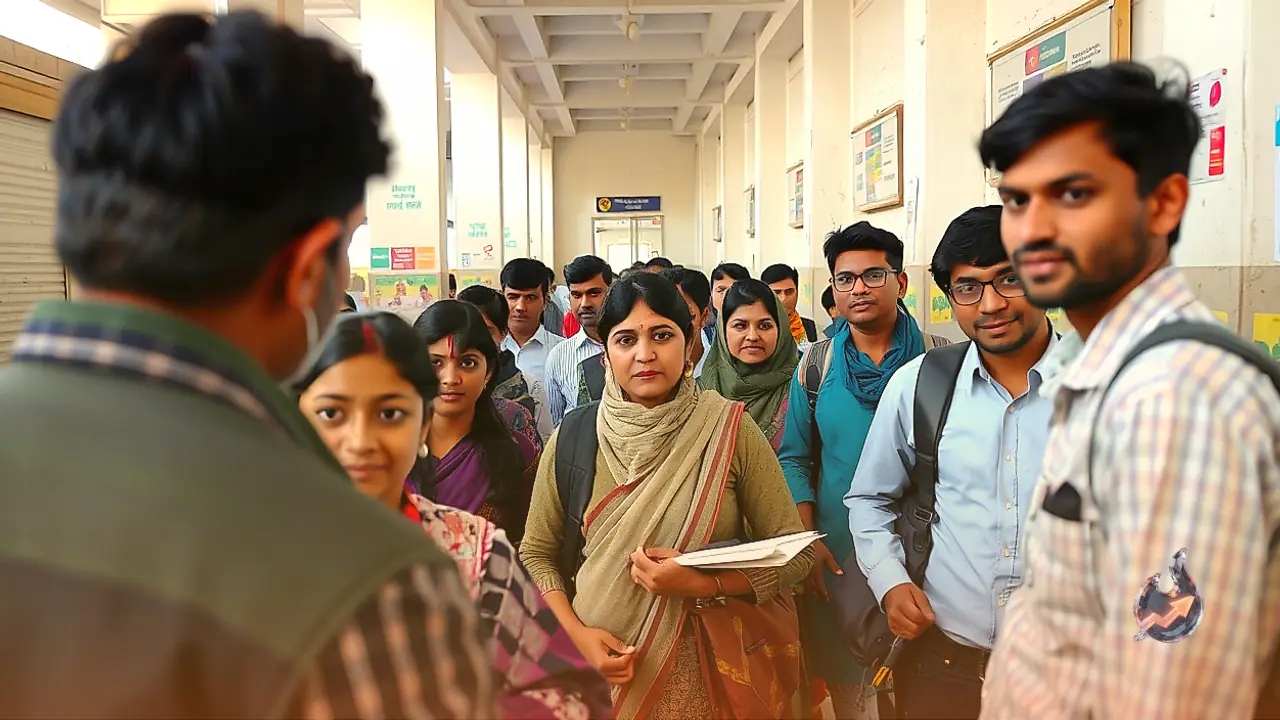
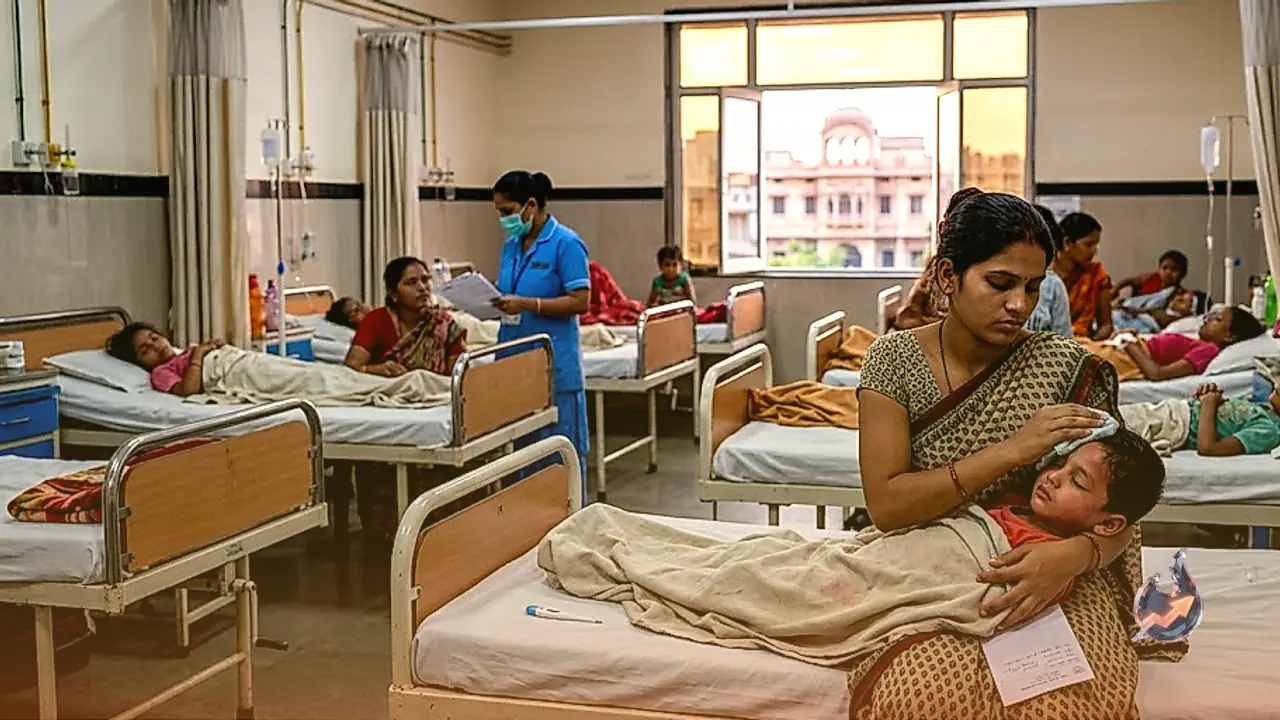
The juxtaposition of piercing daytime heat and evening coolness has triggered a widespread wave of viral complaints throughout the city. Incidents of high fever, throat irritation, colds, and persistent coughs have escalated across all age groups. Long lines are being recorded across consultation counters at the primary Mahatma Gandhi Hospital as well as local private clinics and nursing homes. Outpatient departments are handling a heavy rush of people suffering from joint aches, severe body pain, influenza-like chills, and seasonal viral infections.
Health Experts Outline Preventive Guidelines
Medical practitioners and healthcare professionals warn that even minor lapses in self-care during this climatic changeover can lead to severe health setbacks. Doctors advise residents to maintain strict discipline regarding food, hydration, and daily habits. Recommendations include consuming boiled drinking water, strictly avoiding uncovered street food, and steering clear of heavily fried delicacies. Medical staff also urge people to dress in suitable light clothing suited to prevailing conditions. Heightened vigilance is particularly essential for young children and elderly citizens to shield them from catching infectious seasonal bugs.