




















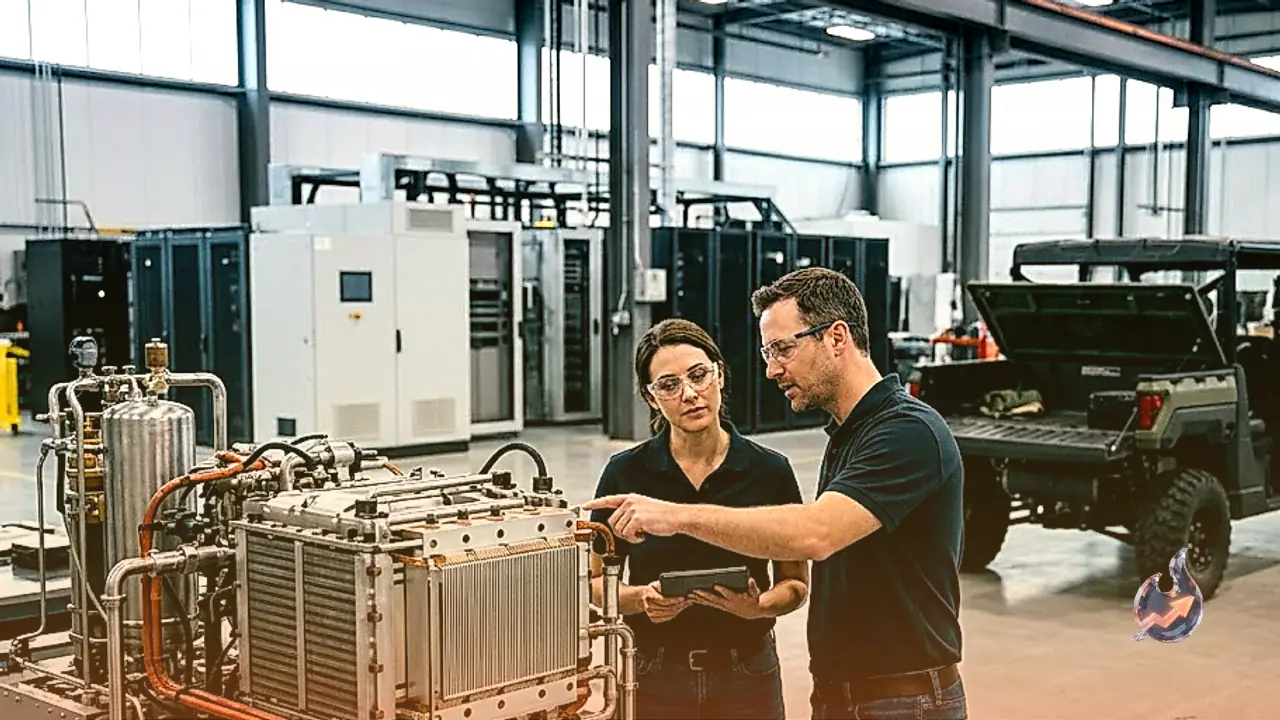

With artificial intelligence operations consuming unprecedented amounts of electricity, the race to secure efficient, cleaner, and cost-effective energy alternatives is accelerating worldwide. Leading an unconventional approach in this transition is Petra Power, an energy technology developer deploying solid oxide fuel cell systems to meet the rising demands of computational facilities and specialized mobility equipment.
Eliminating Combustion Through Solid Oxide Ceramic Devices
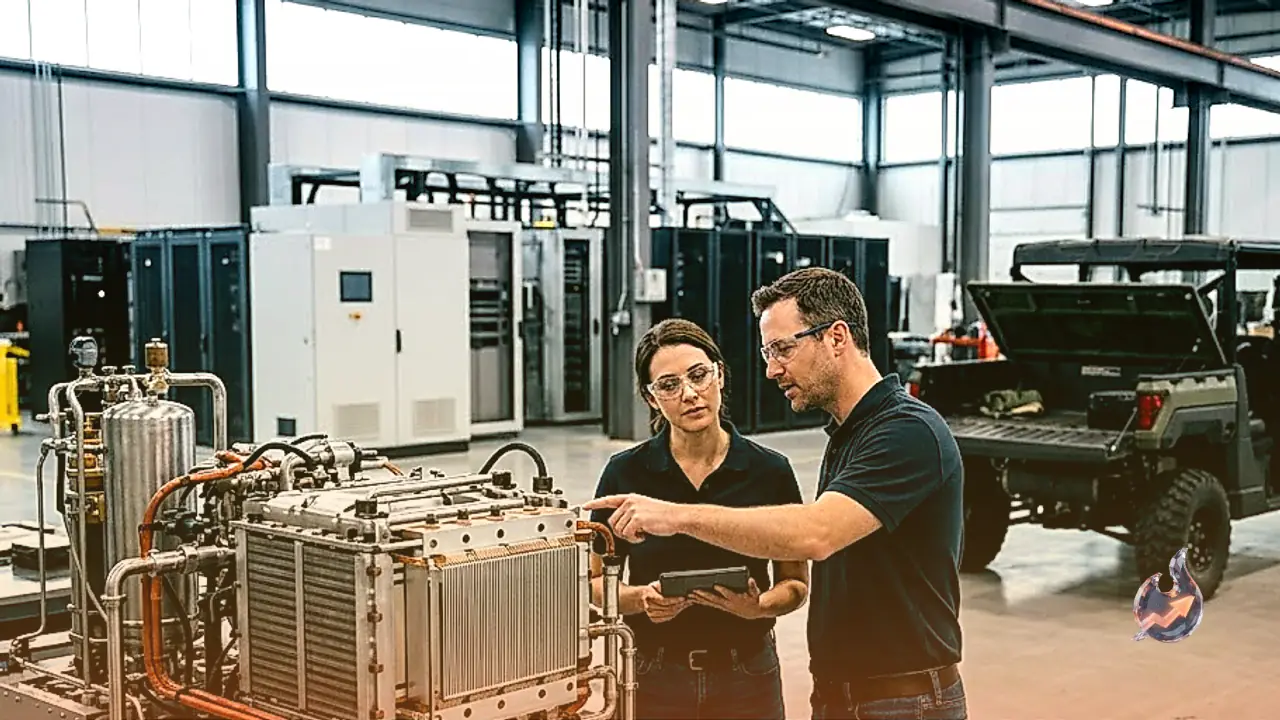
Established in 2017, the enterprise manufactures solid oxide fuel cells, which are ceramic hardware units designed to process inputs like natural gas into electrical energy without open flame or burning. Traditional power generation relies on an exhaustive multi-step cycle where fuel combustion triggers thermal energy, creating mechanical movement that drives electromotive force to ultimately output electricity. Because each intermediate phase suffers from substantial parasitic loss, conventional generators operate at remarkably constrained efficiency levels.
Petra Power bypasses nearly the entire sequence by utilizing fuel cells that extract electrons directly from the fuel itself. Stripping electrons in a single continuous electrochemical interaction preserves energy that would otherwise disperse as waste heat, delivering an operationally superior efficiency profile. Beyond thermodynamic advantages, the resulting units are physically compact and lightweight, substantially shrinking their installation footprint while reducing recurring fuel expenditures and operational emissions.
Targeting Neocloud Facilities and Hyperscaler Infrastructure
Despite the functional benefits of its ceramic technology, commercial integration remains in its foundational stage. The business has segmented its go-to-market roadmap into two distinct sectors: data infrastructure and defense transport. Within computing infrastructure, engagement is focused on emerging neocloud companies and regional infrastructure operators positioned just behind top-tier hyperscalers.
The timeline targets initial hardware rollout with these cloud providers in 2028, leading into planned full-scale manufacturing by 2029. While massive hyperscale operators represent the ideal high-consumption profile where solid oxide units could deliver the greatest operational impact, formal supply pacts have not yet been established, and strategic dialogues are progressing toward that objective.
Auxiliary Power for Military Land Vehicles and Expansion Plans
The second primary vertical addresses government defense contracts by providing auxiliary power capabilities for heavy ground transport. Operating as an auxiliary generator, the system delivers steady electricity to sensitive onboard systems, navigation instruments, and communications gear whenever the vehicle's primary combustion engine is switched off. The hardware has not yet been mounted onto operational front-line fleets; it remains in structured evaluation and trial phases while government evaluators review system resilience before greenlighting wider adoption.
Operating with a core staff of around 15 employees, the enterprise has secured close to $9 million in Department of Defense development contracts to date. Petra Power aims to scale these development awards into multi-vehicle integration programs over the coming years as data infrastructure operators and defense agencies seek denser, combustion-free power generation.