























Autonomous drone delivery and logistics firm Zipline has significantly strengthened its market standing by securing a massive influx of capital. The company has successfully raised $1.5 billion and deepened its collaboration with retail giant Walmart to scale up operations across the United States. These combined business developments have propelled the startup's overall valuation to a staggering $21.5 billion, cementing its position as a major force in the global logistics sector.
Multi-Year Expansion With Walmart
Under a fresh multi-year agreement, Zipline and Walmart will integrate 300 new drone delivery locations throughout the United States. While the two corporations have maintained a drone delivery partnership since 2021, this latest pact represents a massive leap from the 21 active delivery sites they currently operate together. The expansion aims to bring ultra-fast aerial fulfillment to a significantly broader consumer base nationwide.
Backed by Elite Institutional Investors
On the financial front, the $1.5 billion funding round was spearheaded by Paradigm, WCM Investment Management, and Layer Global. Additional participation came from notable entities including Valor Equity Partners, Fidelity Management & Research Company, Uber, Tiger Global, J.P. Morgan, ARK Invest, and Salesforce Ventures. The collective backing of these prominent investors drove the company's valuation to the $21.5 billion milestone.
Scaling Manufacturing and Workforce
Zipline has developed a comprehensive drone delivery ecosystem encompassing specialized aircraft, launch and landing infrastructure, and proprietary logistics software. The firm announced that the newly acquired capital will be channeled into expanding its domestic manufacturing facilities in the United States and recruiting additional personnel to build out a robust nationwide drone delivery network designed for high-volume operations.
Origins in African Medical Logistics
Established in 2014, Zipline initially launched its operations in Africa, deploying autonomous drones to transport blood supplies in Rwanda before expanding its footprint to Ghana and Nigeria. The California-headquartered enterprise commenced its maiden U.S. operations in 2020 by ferrying vital medical equipment and supplies to Novant Health in North Carolina. The very next year, the company secured its landmark commercial agreement with Walmart.
Regulatory Milestone and Domestic Growth
The turning point for Zipline's rapid commercial acceleration in the United States occurred in 2022. That year, the enterprise secured its Part 135 air carrier certification from the Federal Aviation Administration, overcoming a critical regulatory hurdle required to execute long-range commercial drone deliveries. Armed with this certification, the company has locked in several strategic alliances, including an agreement earlier this year to integrate its drones into Uber's delivery network.
Global Fleet and Operational Capabilities
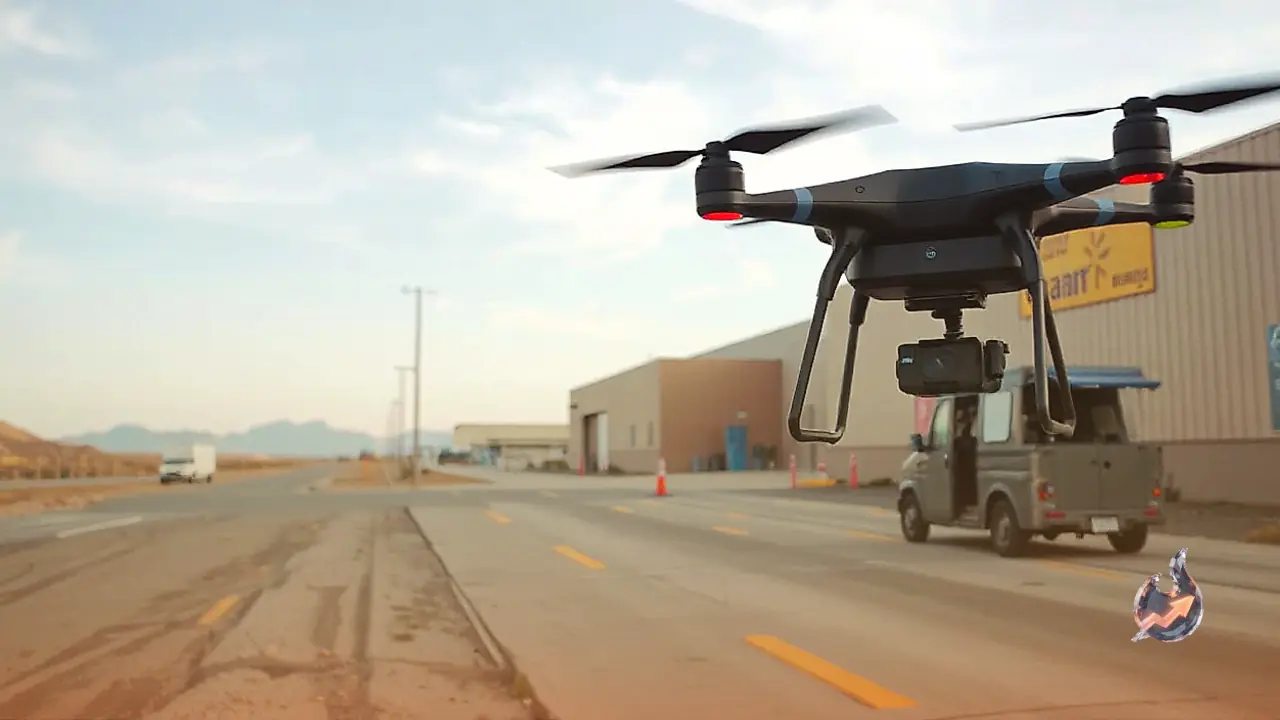
Today, Zipline deploys its autonomous aerial fleet to deliver food items, retail goods, agricultural products, and healthcare supplies across five African nations, several metropolitan areas in the United States, and Japan. The company's consumer home delivery service utilizes Platform 2 drones, which are engineered to carry payloads of up to eight pounds within a 10-mile radius. Meanwhile, its larger Platform 1 aircraft handle heavy-duty, long-range enterprise and government missions spanning a 120-mile round trip.
Surging Delivery Share and Future Targets
The enterprise revealed that its share of overall delivery revenue experienced a dramatic surge, climbing from 10.8% to 34.9% between March and October of this year. The newly secured financial backing is explicitly intended to accelerate this upward trajectory and capture an even larger share of the modern logistics market.