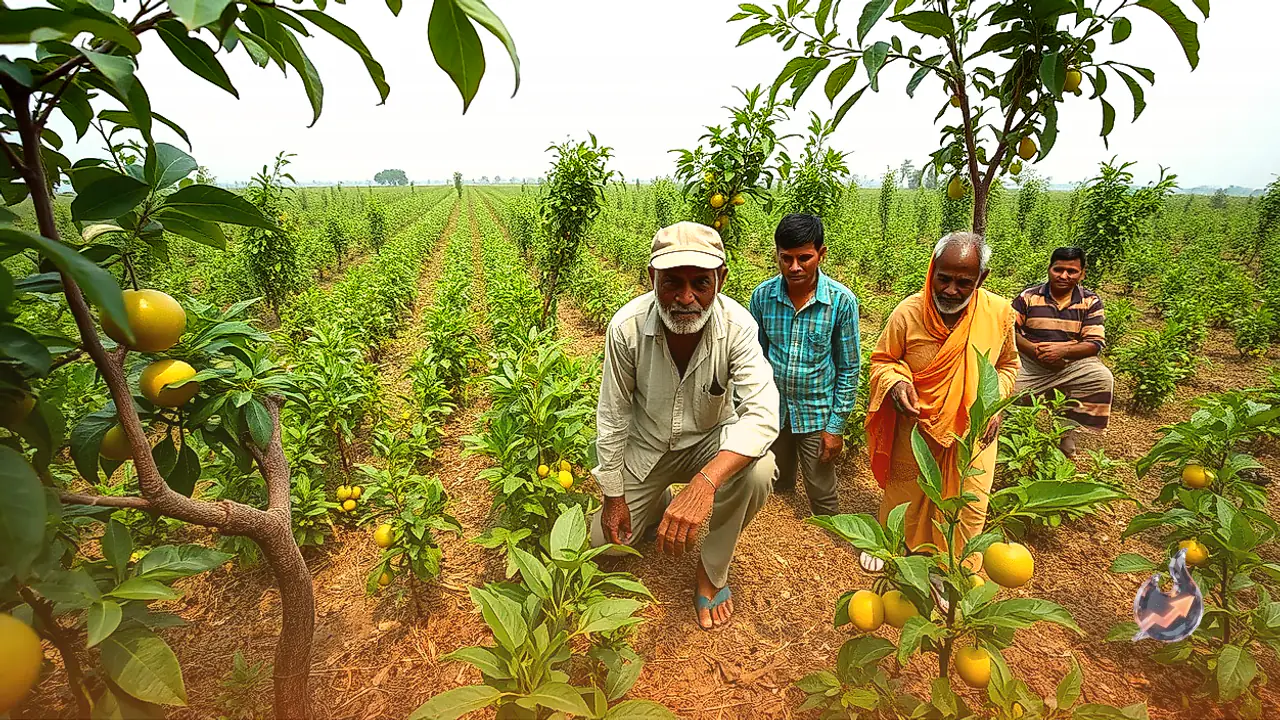






















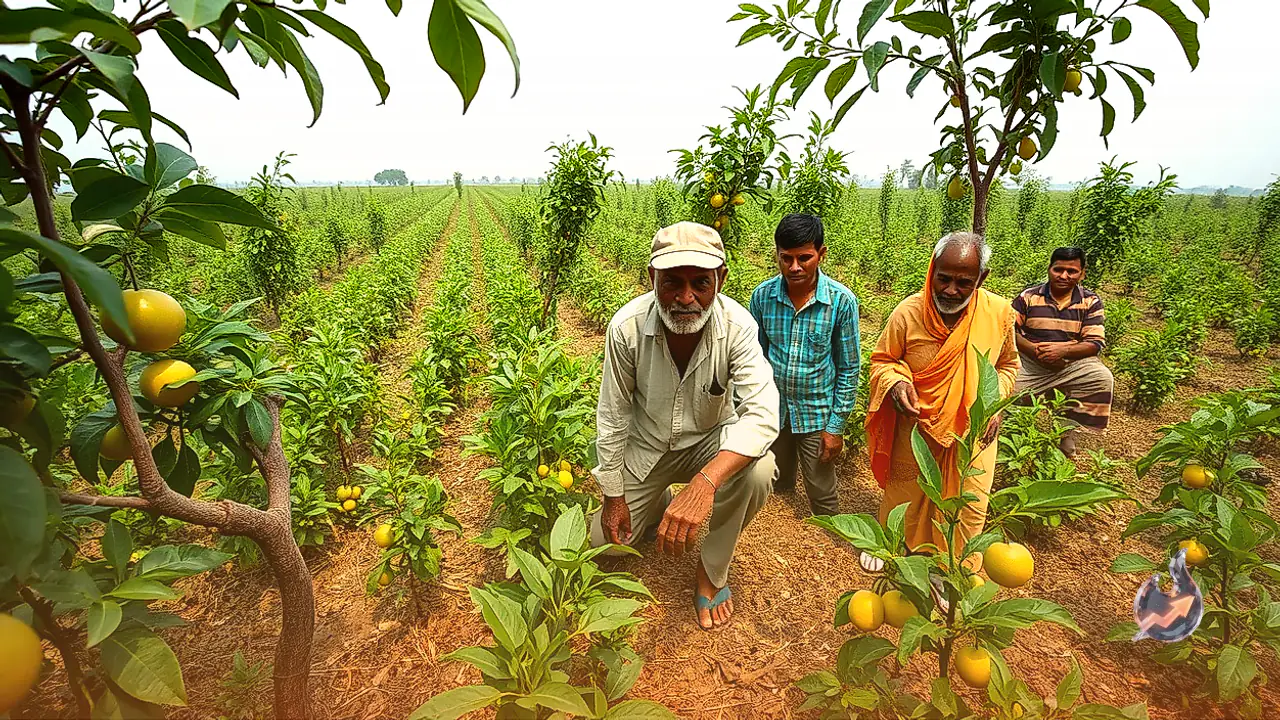

A progressive farming initiative in Govindpur village, situated within the Saraiya block of Muzaffarpur district, demonstrates how high returns can be unlocked from very limited land. Local grower Shrikant Kushwaha has converted a compact plot of just 4 kattha into a productive orchard housing around 17 distinct varieties of lemons. By balancing fruit sales with a steady nursery business for grafted saplings, he generates a net annual profit exceeding 1 lakh rupees from this compact operation.
Expanding from Two Saplings to an 80 Tree Orchard
The entire endeavor began in 2002 when Shrikant Kushwaha purchased just two lemon saplings for a modest cost of 50 rupees. Instead of investing heavily in commercial land or infrastructure, he focused on propagation, multiplying his stock directly from those initial plants. Over the years, the orchard has steadily grown and currently supports approximately 80 mature lemon trees. To keep diversifying, he tracks down promising varieties from different locations, creates grafted saplings, and sells these young plants to generate a valuable secondary stream of revenue.
Varieties Ranging from Khatuwa to Hazara
The standout feature of this grove is the remarkable horticultural diversity concentrated in one place. Among the 17 cultivars grown on the plot are Khatuwa, Jamiri, Patu, Kajari, Banarasi Kajari, and Hazara. These lemons serve diverse culinary and commercial functions, being widely utilized for pickles, chutneys, and savory snacks. While certain lines see steady market interest across the entire calendar year, other cultivars witness dramatic surges in demand during festival seasons when specific culinary preparations peak.
Culinary Uses and Pricing Structure Across Varieties
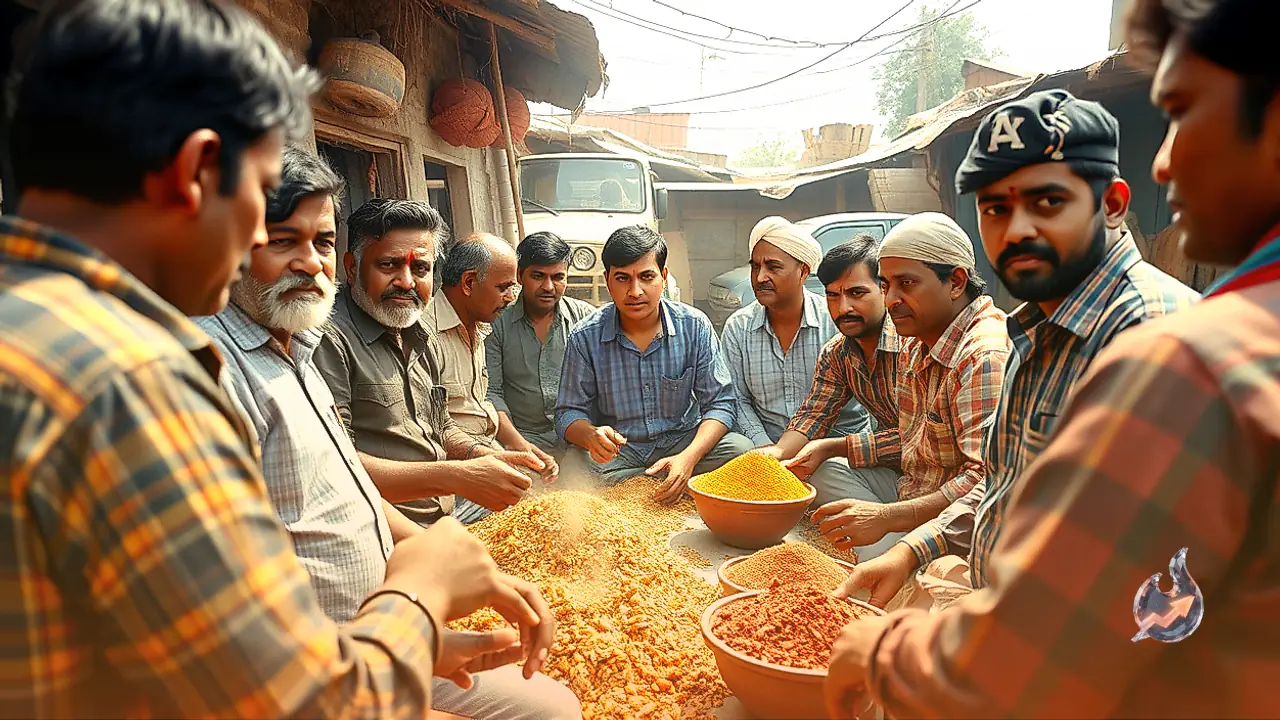
Different lemon types command varied prices based on their specific culinary qualities and seasonal availability. The Khatuwa lemon, for instance, is highly sought after for curing chili pickles and preparing traditional elephant foot yam chutney. Because it is rarely found in abundance across general markets, wholesale and retail demand spikes sharply during festivals. In contrast, the Jamiri lemon is preferred for manufacturing savory snacks, drawing bulk buyers who purchase large volumes.
This functional variety is directly reflected in the pricing per unit. Standard Jamiri lemons generally sell at roughly 5 rupees per piece. During festive periods, Khatuwa lemons are supplied to traders at approximately 10 rupees per piece. Meanwhile, select specialized cultivars grown in the orchard fetch premium rates ranging between 15 rupees and 20 rupees per piece.
Kushwaha Herbal Garden and Regional Recognition
Beyond traditional farming circles, Shrikant Kushwaha has earned a distinct personal and commercial identity in the area. His enterprise is recognized as Kushwaha Herbal Garden, drawing interest from gardeners and commercial growers alike. In addition to horticulture, he performs stage magic shows, earning him the popular nickname 'Jadugar Ji' among community members. What started as an experiment with fifty rupees and two plants has evolved into an inspiring showcase of small scale orchard design and propagation technique.