

















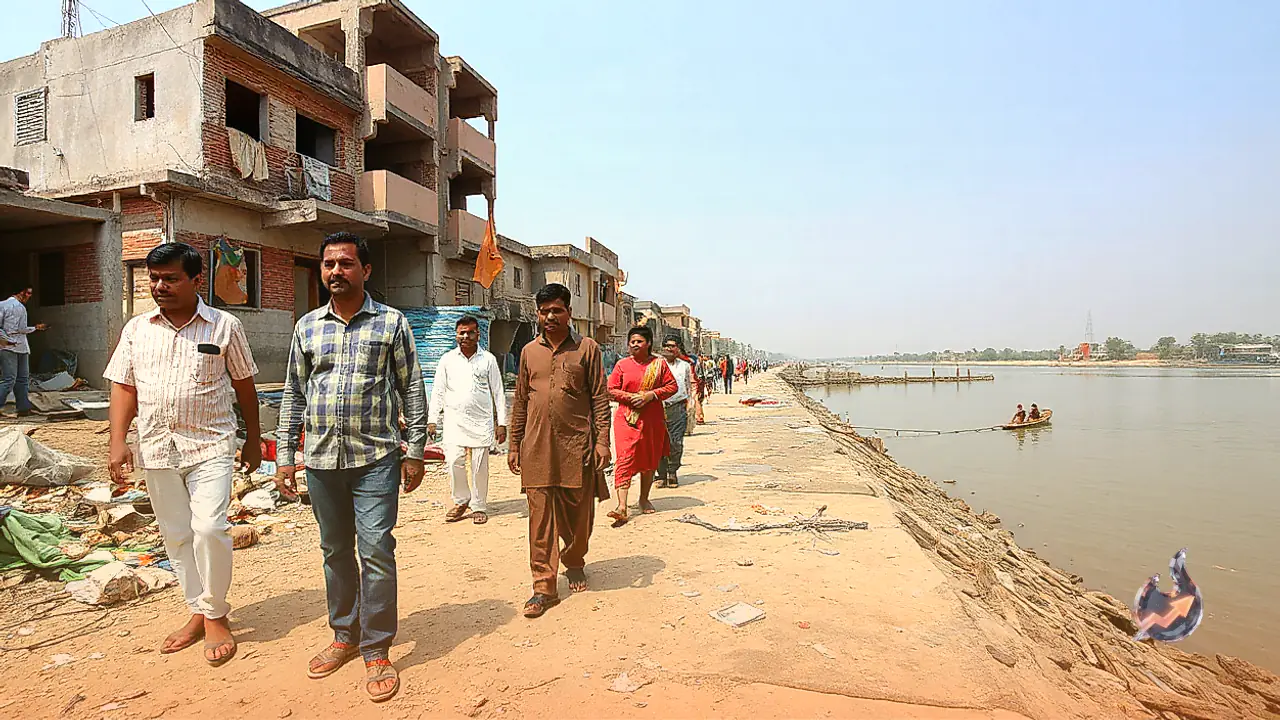

When the construction of the colossal Indira Sagar Dam began reshaping the geography of the Nimar region in Madhya Pradesh, countless flourishing towns and fertile agricultural belts vanished beneath the rising waters. In 2005, the historic town of Harsud was entirely submerged, forcing thousands of residents to abandon their ancestral homesteads, farmlands, shops, and life savings. While such catastrophic displacement shattered the livelihoods of many, a few resilient individuals chose not to yield to adversity. The journey of Abhay Jain, a respected businessman and philanthropist from Khandwa, stands as an inspiring testament to such indomitable grit. Once a dedicated farmer in Harsud who lost his land, shop, and home to the dam, he turned a devastating upheaval into the bedrock of a thriving real estate enterprise.
Arriving in Khandwa after the submergence, Abhay Jain embarked on an ambitious second innings. He ventured into property brokerage to grasp the dynamics of the local market before stepping forward into residential land development. Starting from the ground up, he navigated the intricacies of customer relations and land acquisition. Today, his real estate enterprise encompasses 47 colony projects spread across 24 cities in Madhya Pradesh, including multiple residential layouts within Khandwa itself. From a struggling farmer balancing household obligations to a leading colonizer, his transformation illustrates the power of perseverance.
Experimental Farming and Early Hardships in Harsud
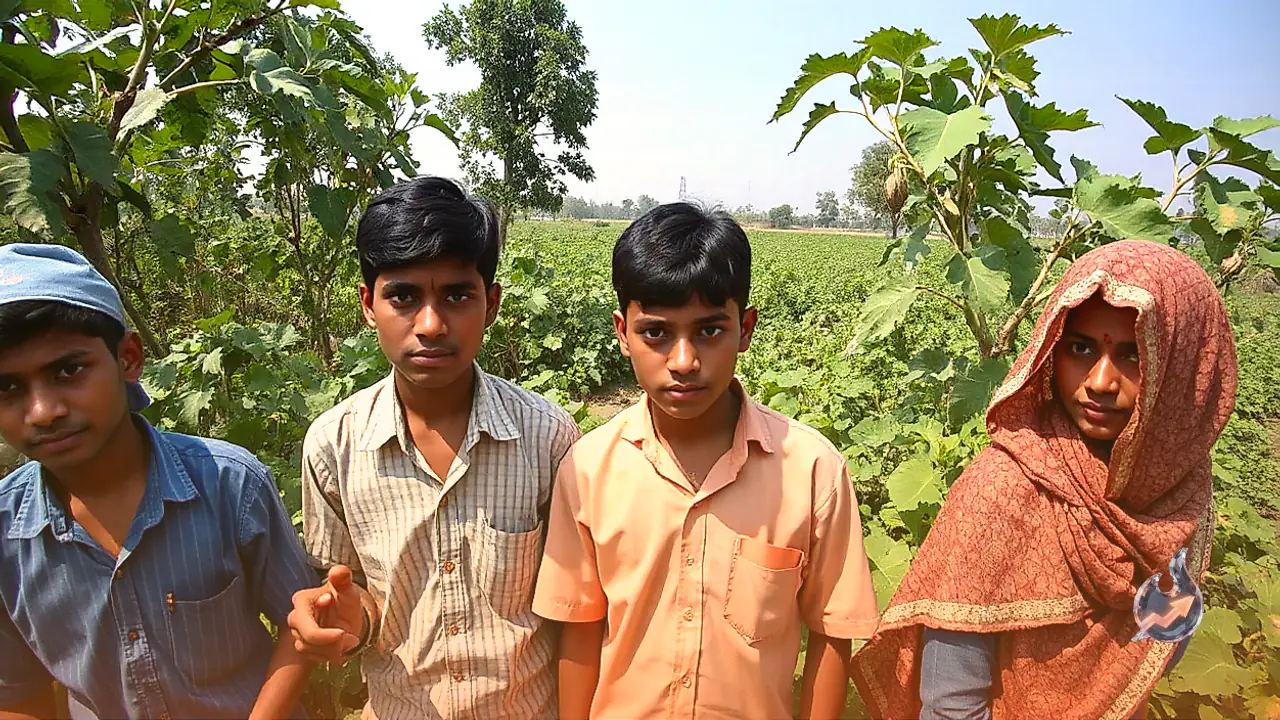
Abhay Jain belongs originally to the Harsud region, where his family had long depended on agriculture. He possessed a natural affinity for cultivating the land, but rather than confining himself to traditional crop rotations, he introduced progressive farming practices. During an era when cash crops were uncommon in the Harsud belt, he experimented with cultivating turmeric, cumin, and sugarcane alongside conventional harvests. His willingness to innovate produced excellent yields and demonstrated an entrepreneurial outlook long before he entered urban commerce.
Behind those early successes, however, lay persistent financial hardship. His family experienced continuous economic vulnerability, requiring him to shoulder substantial responsibilities from childhood. While preparing for his matriculation examinations, he actively assisted with household chores and sold milk to supplement the family earnings. Even after enrolling in college, financial strain persisted, making higher education an uphill struggle. Balancing grueling hours in the fields with his studies, he completed his graduation examinations while continuing to farm. Those formative years taught him invaluable lessons in self-reliance and endurance.
The 2005 Submergence and a New Start with Rs 24 Lakh Compensation
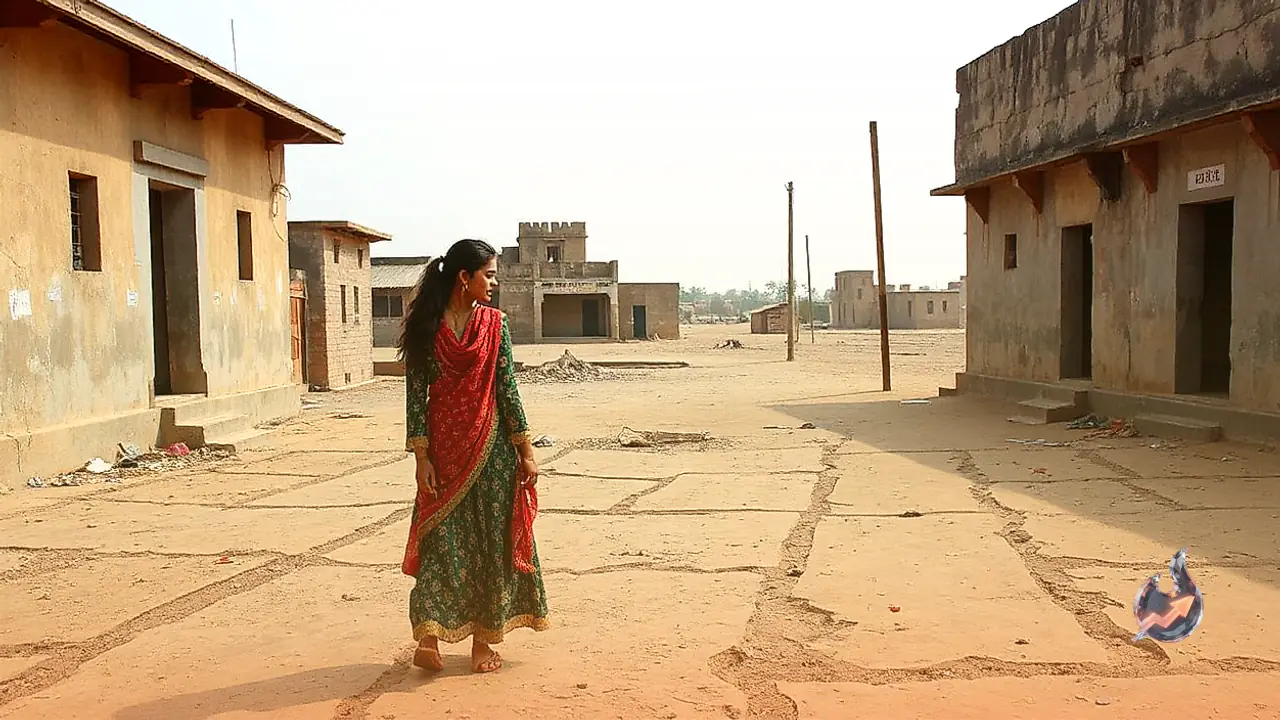
The defining rupture came in 2005, when Harsud entered the submergence zone of the Indira Sagar Dam. Abhay Jain lost his family home, their retail shop, and their agricultural land to the reservoir waters, leaving them no choice but to relocate to Khandwa. Under the government rehabilitation framework, the family received approximately Rs 24 lakh as compensation for their lost assets. Leaving behind a fully established household and decades of community ties is an excruciating emotional ordeal, yet the people of Harsud surrendered their heritage in the broader national interest.
This commitment had surfaced years earlier. When Abhay Jain was just 17 years old, he appeared on a Doordarshan broadcast where he was questioned about the impending dam construction. Even as a teenager, he articulated a mature civic stance, stating that if the project served the national interest, construction ought to proceed. At the same time, he emphasized an essential moral obligation: the administration had to ensure equitable rehabilitation, granting land for land and a house for a house to those whose lives were being upended.
Transitioning from Property Brokerage to Full-Scale Colony Development
Faced with the challenge of rebuilding his family's livelihood in Khandwa, Abhay Jain chose the property sector as his new frontier. Lacking the capital to undertake large ventures immediately, he commenced work as a property broker, facilitating buying and selling transactions. This role provided crucial hands-on exposure to market valuations, buyer psychology, and regulatory procedures governing land transactions.
Rather than consuming the Rs 24 lakh compensation on routine expenses, he channelled it into his budding enterprise as working capital. The discipline and resilience cultivated on the farms of Harsud proved vital in establishing his presence in Khandwa. Gradually, he transitioned from mediating individual deals to acquiring parcels and developing integrated residential colonies. Despite confronting initial administrative and financial hurdles, he expanded steadily through transparent dealings, eventually extending his operational footprint far beyond Khandwa into surrounding districts.
A Son's Return from the United States and the 51-Acre Smart City Venture
As the business grew, familial collaboration provided powerful new momentum. The return of his son from the United States after completing overseas education infused the enterprise with modern operational methodologies and technical expertise. The synthesis of grassroots market intuition and contemporary development practices accelerated their project pipeline across the state.
Currently, Abhay Jain oversees 47 colony projects across 24 cities in Madhya Pradesh. Within Khandwa alone, between 10 and 15 housing layouts bear his group's signature, highlighted by a flagship 51-acre Smart City residential colony that stands as a major urban landmark. Progressing from an impoverished farming background, selling milk, and surviving total displacement to managing expansive urban townships was a demanding journey. He credits his early struggles with teaching him humility, operational rigor, and the vital importance of building genuine human relationships, emphasizing that real estate relies far more on customer trust than merely deploying capital.
Treating Buyers as Family and Prioritizing Long-Term Relationships
Customer goodwill forms the cornerstone of Abhay Jain's business philosophy. He insists on treating property buyers not as transactional counterparties, but as extended members of his own family. When clients encountered unforeseen financial distress and fell behind on scheduled payments, he accommodated their circumstances with patience rather than punitive measures. In instances where buyers felt compelled to surrender their plots due to personal difficulties, he facilitated fair, transparent refunds without dispute.
He frequently notes that enduring commercial pathways emerge from authentic interpersonal ties. Today, hundreds of staff members and associates work alongside him, while thousands of homebuyers form his extended network. His guiding conviction remains straightforward: unyielding hard work paired with absolute integrity inevitably produces success. While positive outcomes may take time to mature, disciplined and sincere perseverance consistently overcomes steep odds.
Adversity as the Greatest University of Life
Reflecting on his life journey, Abhay Jain views hardship as an irreplaceable teacher. He describes struggle as the ultimate university, where real-world experience imparts wisdom that academic texts cannot match. From cultivating turmeric in Harsud and selling milk before school to enduring displacement and navigating the commercial real estate landscape of Khandwa, each chapter fortified his resolve. His ascent proves that external displacement cannot extinguish determination when anchored by vision and integrity.