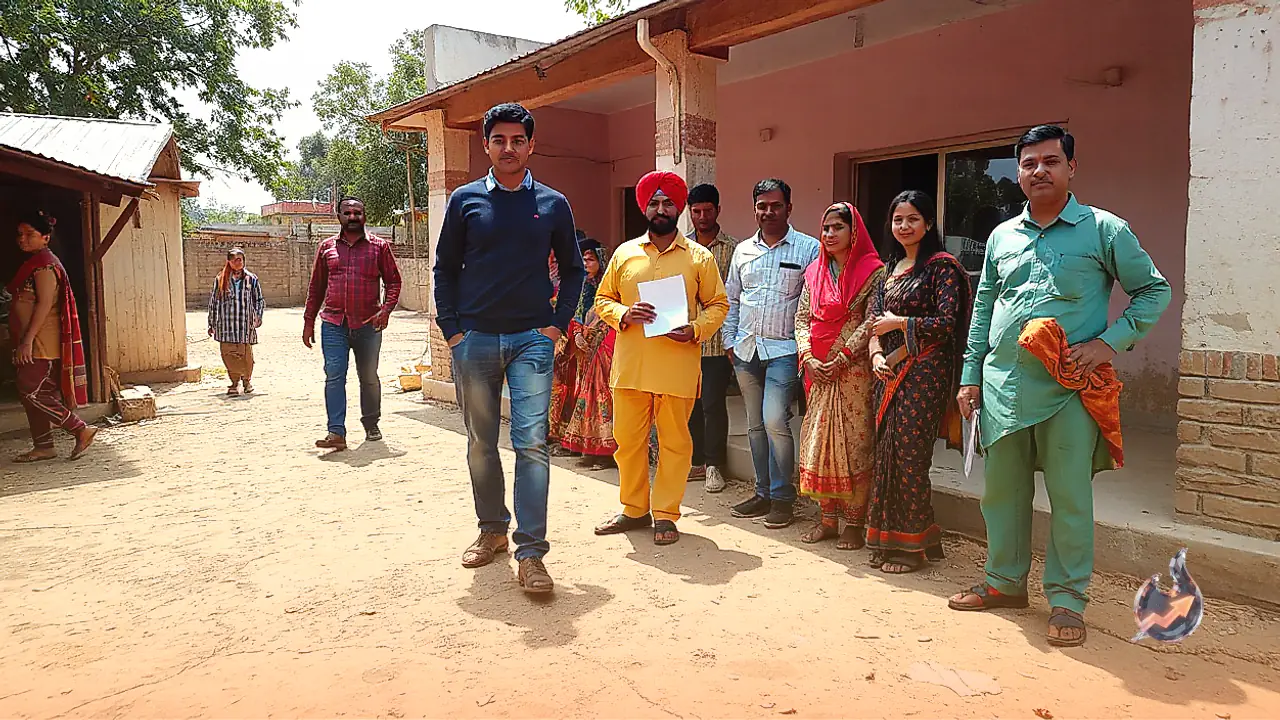



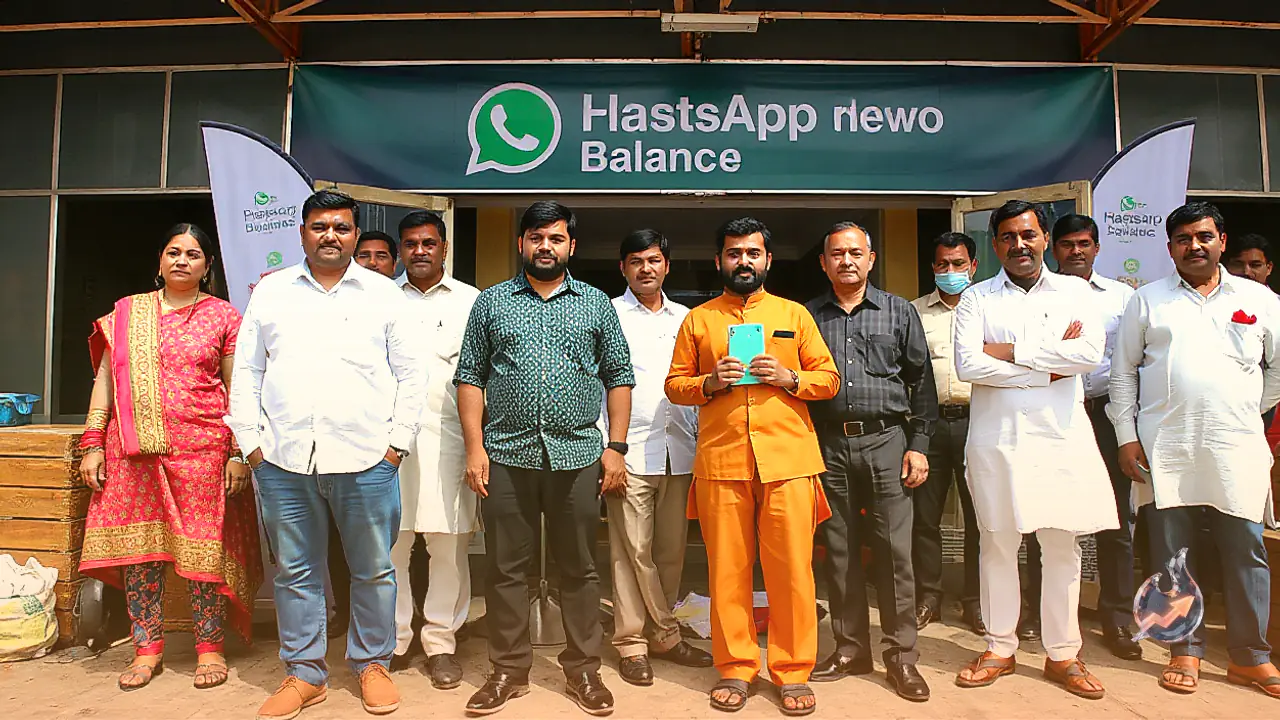
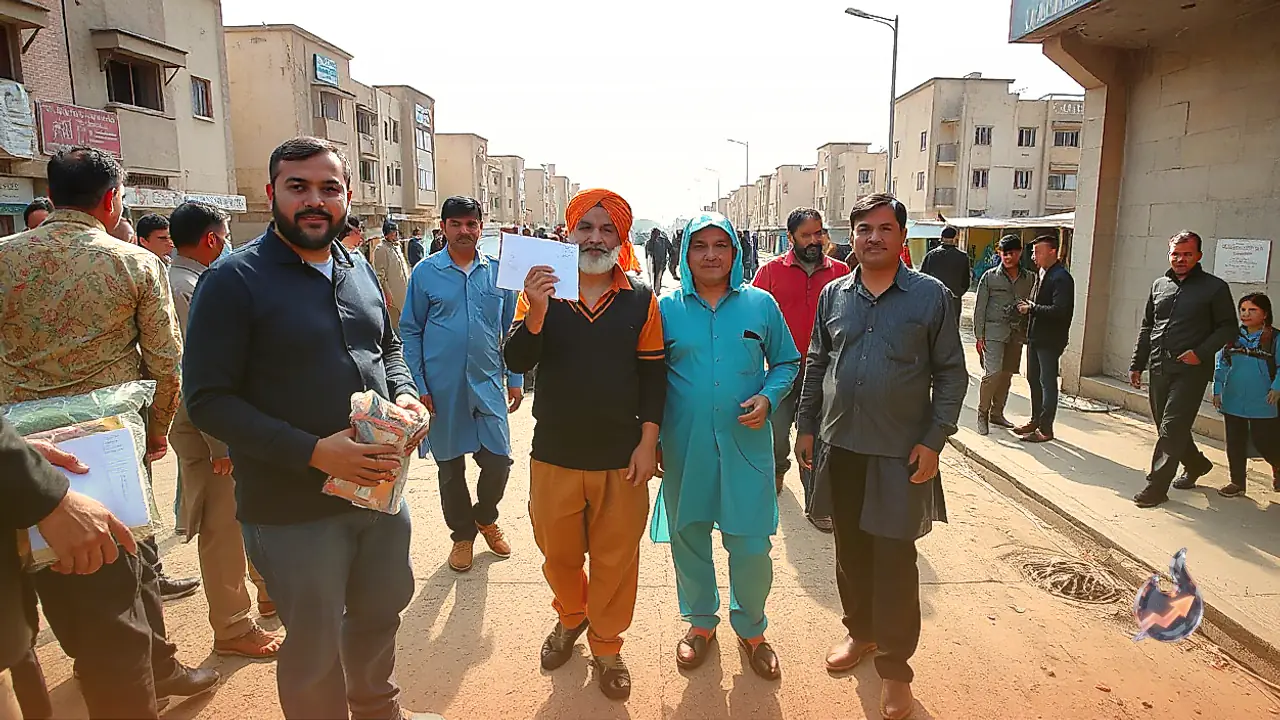
















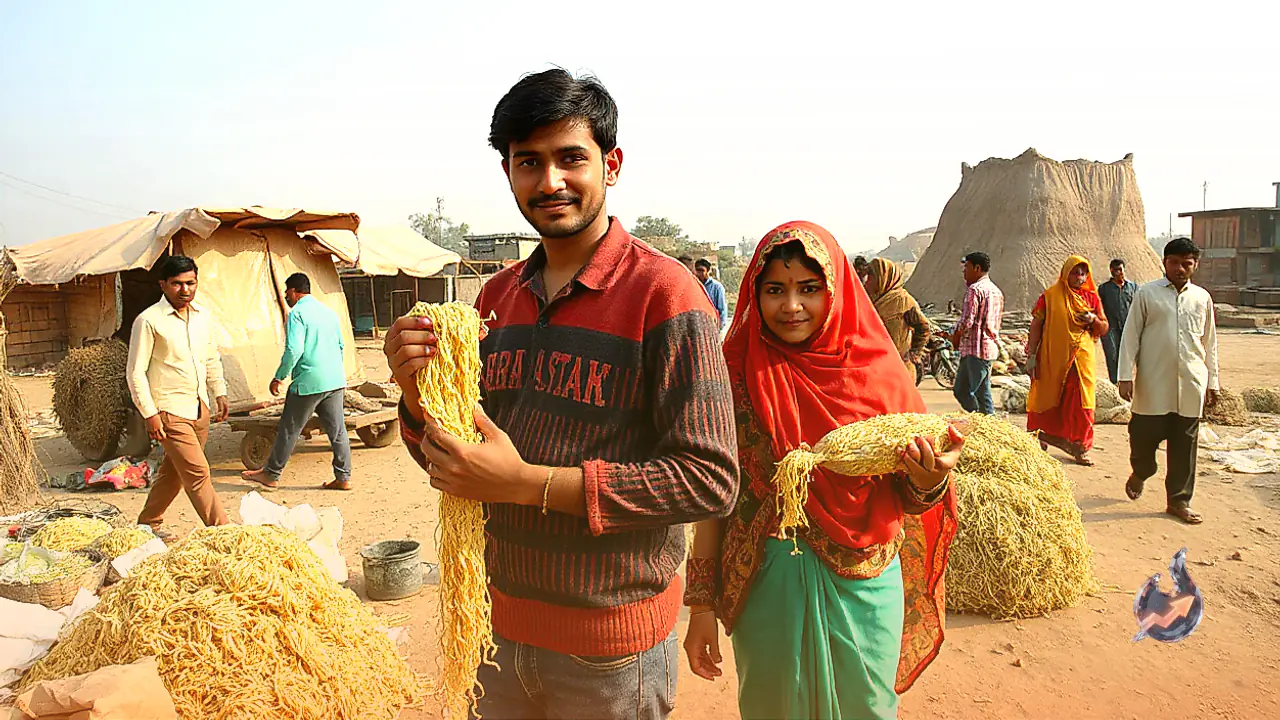

In the rural belt of Bihar, grassroots entrepreneurship is steadily reshaping livelihoods and reducing dependence on distant industrial hubs. In Khalilchak, a village located inside the Barbigha block of Sheikhpura district, a couple turned to central government enterprise assistance to build a successful food processing unit. Sanjay Kumar alongside his wife Ranjana Kumari set up a small-scale noodle manufacturing venture that now employs 10 rural workers, providing both male and female villagers with steady local earnings while stabilizing their own household income.
From Household Financial Strain to Business Ownership
Before launching the venture, the family faced severe financial pressures as rising day-to-day household costs made supporting their children’s education increasingly difficult. Ranjana Kumari, who had previously spent her years entirely managing domestic chores, actively looked for opportunities to generate household revenue. She eventually learned about official support programs aimed at micro food processing enterprises. Upon applying for the scheme, the couple secured state-backed support to purchase equipment and initiate their venture.
Ranjana Kumari explained that the financial assistance became a lifeline, enabling her to stand independently and run a profitable business. The revenue from the operation helped fund quality education for the children, allowing their daughter to complete her studies and achieve professional milestones. The factory currently runs with a dedicated workforce of 10 people drawn from the local community.
Machinery Setup and Regional Distribution
With official assistance in place, industrial machinery was installed to begin producing noodles under the trade label Smriti Noodles. Sanjay Kumar noted that while household budget constraints had initially made the venture seem unreachable, the subsidized scheme provided the necessary leverage to procure plant machinery and start full-scale fabrication.
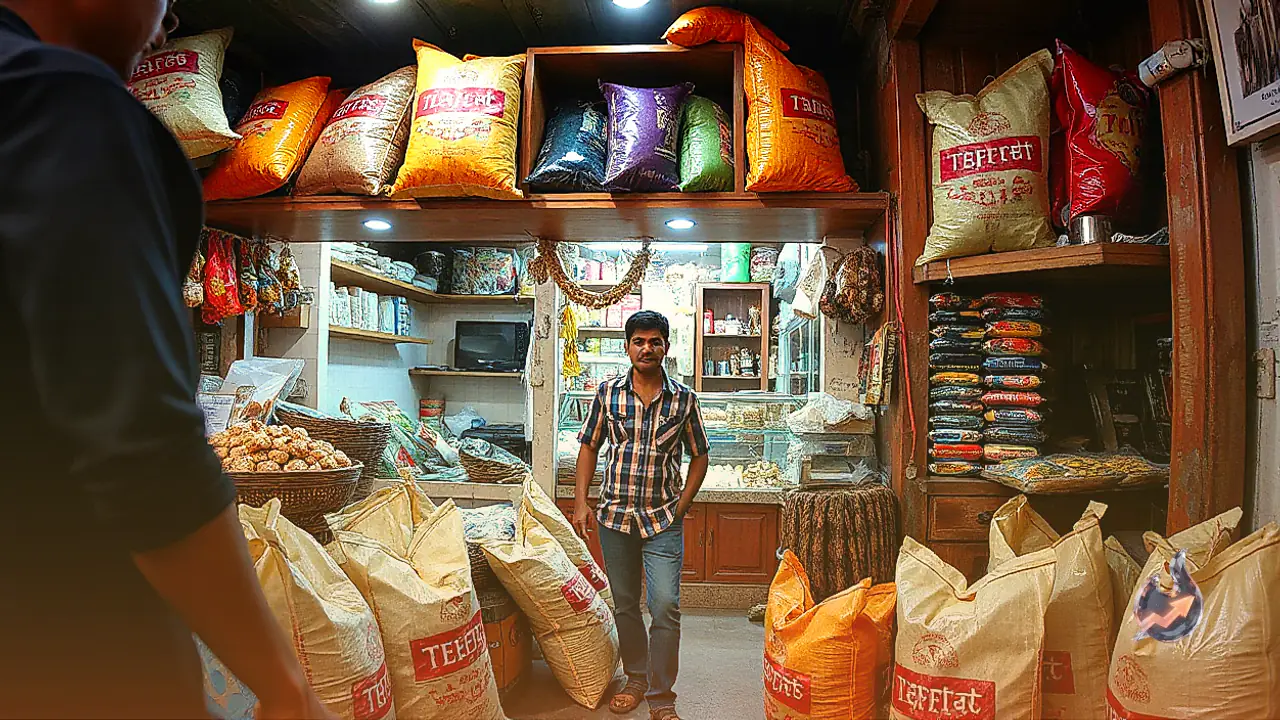
The unit’s products soon found acceptance across neighbouring commercial hubs. Today, bulk consignments are supplied beyond Sheikhpura to traders across Nalanda, Nawada, and Rajgir. Buoyed by steady merchant orders, the couple plans to expand their production lines and hire more local workers to meet growing consumer demand in adjacent districts.
Curbing Distress Migration to Distant Cities
Beyond household financial recovery, the small factory has provided a viable alternative to out-of-state migration. Dewanand Kumar, an employee at the manufacturing unit, had previously left his village to work in Ghaziabad. Securing work back home allowed him to cut living expenses and stay close to his roots. He shared that working in the village has brought immense daily relief, and he now intends to bring his family back from Ghaziabad to reside together permanently.