
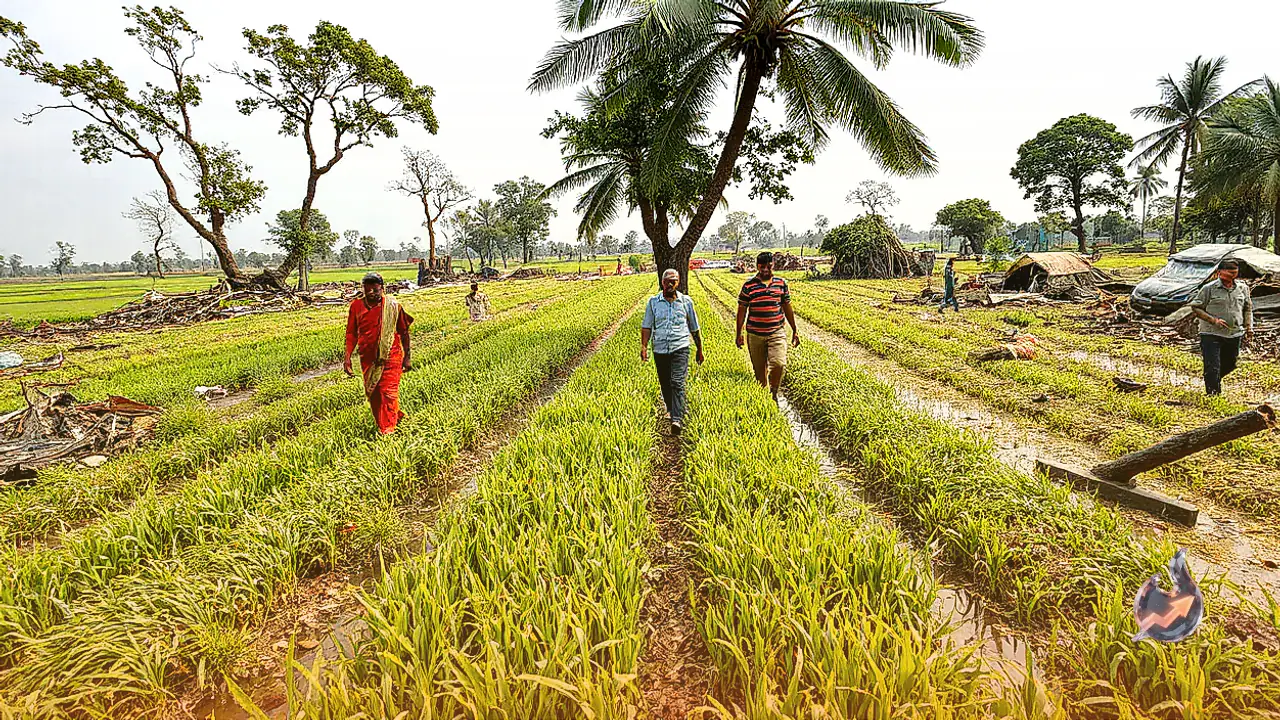



















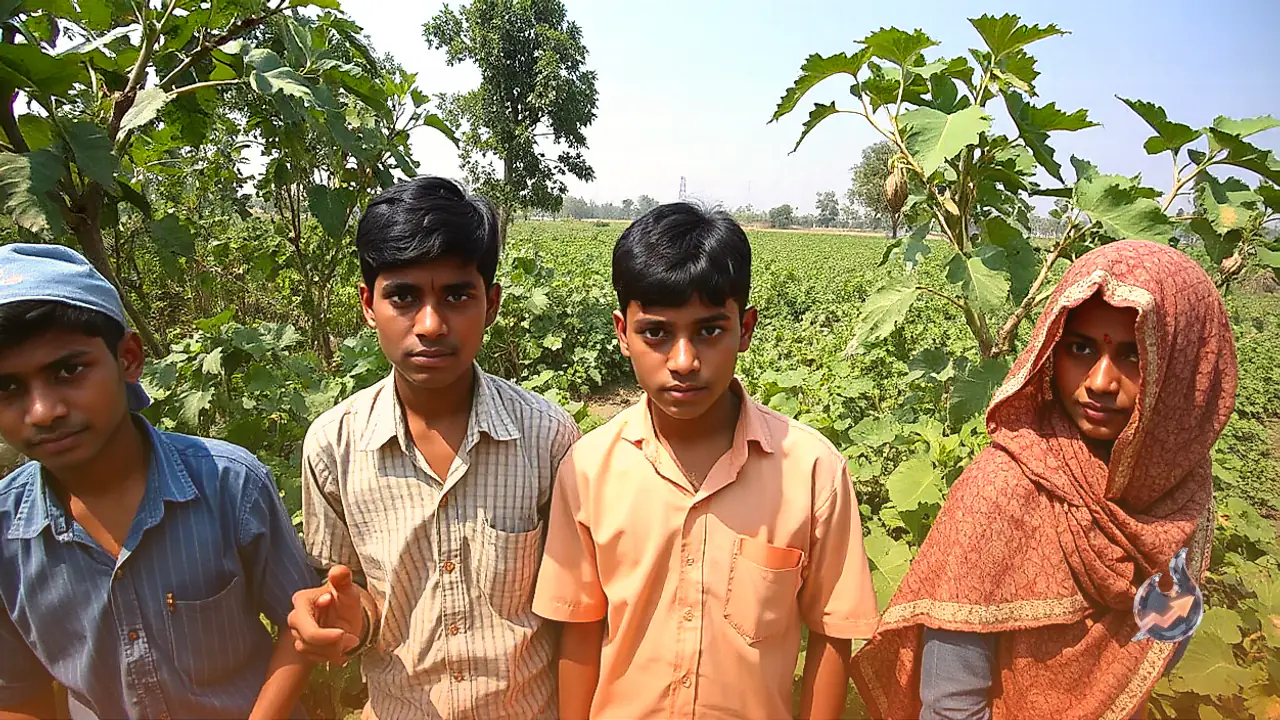

In Uttar Pradesh's Gonda district, undergraduate student Raja Nishad is demonstrating how commercial vegetable farming can be successfully paired with higher education. Rather than leaving his spare hours after college unused, Nishad chose to cultivate brinjal across approximately two bighas of farmland. The inspiration to step into vegetable farming came from observing neighboring cultivators in his village, whose regular harvests highlighted the commercial viability of cash crops.
Initial Investment and Direct Hands-on Management
Setting up the brinjal plantation across two bighas required an expenditure of around Rs 20,000. This initial capital covered the necessary agricultural inputs and field preparation. To keep operational expenses low and protect his profit margins, Nishad chose not to rely heavily on hired agricultural labor. He personally manages every step of the cultivation cycle, taking charge of irrigation scheduling, weeding, hoeing, and ongoing crop maintenance during his free time after college classes.
Selecting the Srinath Variety Suited to Local Climate
Selecting an appropriate crop variety played a decisive role in the project's productivity. Nishad planted the Srinath variety of brinjal, which he notes is particularly well-suited to the regional climate and soil conditions of Gonda. A key agronomic benefit of this specific variety is its relatively short maturation period. Plants begin bearing mature fruit approximately 60 days after transplanting, allowing the grower to generate farm output within just two months of establishing the field.
Extended Six-Month Harvest Cycle with Frequent Picking
The Srinath brinjal variety delivers an extended production window once the fruiting stage begins. According to Nishad, the crop continues yielding fresh brinjal for roughly six months. This sustained output pattern eliminates the pressure on a grower to harvest and offload the entire crop at once, reducing exposure to single-day market gluts. Regular picking is essential to maintain plant health and productivity. Once a round of picking is completed, the plants produce mature fruit ready for harvest again around the fourth day. This four-day cycle ensures a steady stream of fresh vegetables from the field to local wholesale buyers.
Market Supply to Nawabganj and Income Outlook
Freshly harvested produce from the two bighas is delivered directly to the Nawabganj vegetable wholesale market (mandi). Urban and local consumption creates steady, year-round market demand for fresh brinjal in the trading hub. Given the consistent consumer uptake and the high volume of yield generated by his field, Nishad projects earning revenues running into lakhs of rupees from his modest Rs 20,000 investment. His venture highlights how strategic crop selection, disciplined crop care, and small-scale cultivation can create dependable commercial returns for young rural entrepreneurs.