




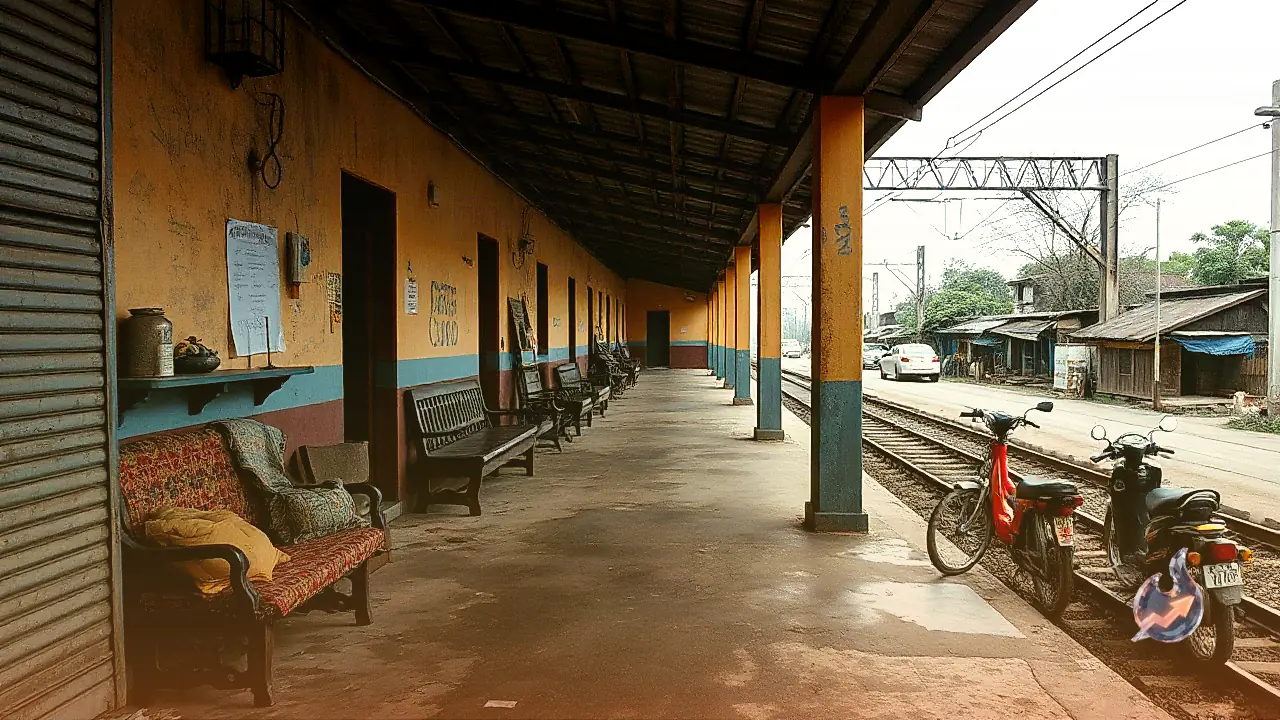
















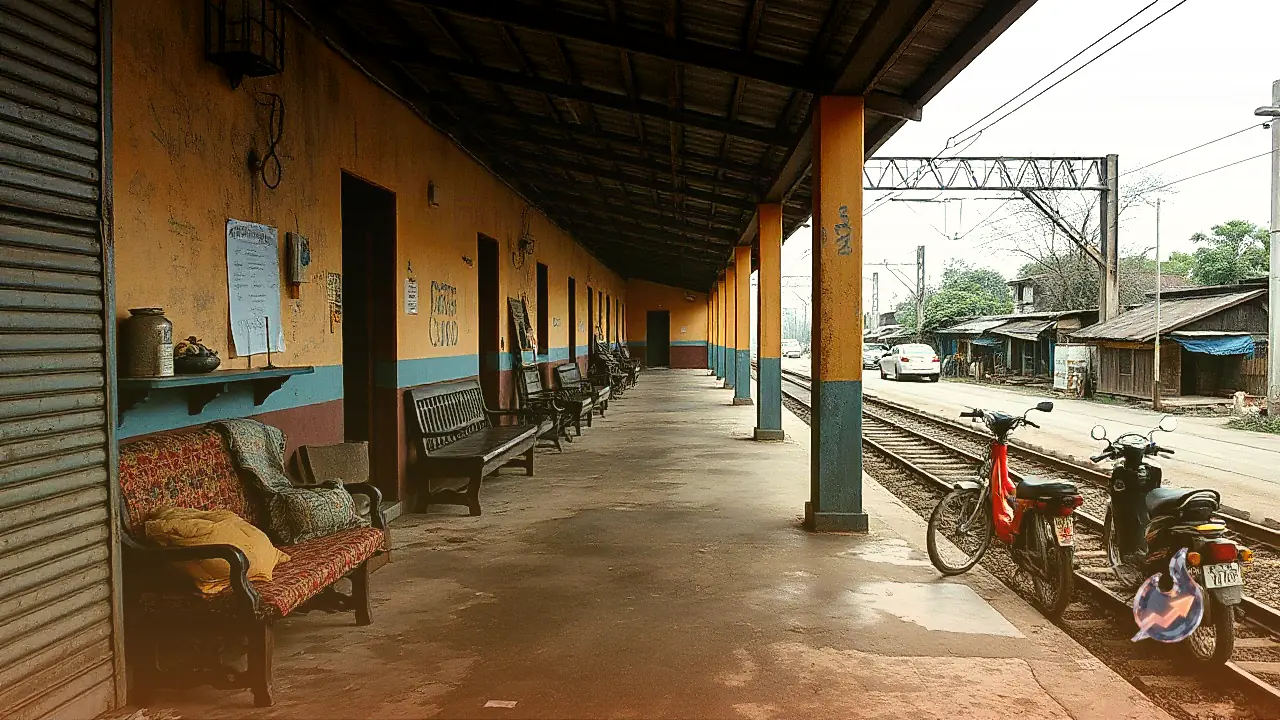

When life tests human endurance to the utmost limit, extraordinary resolve can turn insurmountable obstacles into stepping stones for triumph. The deeply moving journey of Mala Papalkar from Maharashtra stands as an enduring testament to this unyielding human spirit. Approximately 25 years ago, a newborn girl child was callously dumped into a filthy trash bin at Jalgaon railway station. She was born completely blind. Left behind in darkness and filth by her biological parents, the infant was on the brink of death. Yet decades later, that same abandoned girl has rewritten her destiny by taking charge as a Revenue Assistant at the prestigious Nagpur Collectorate.
A Lifesaving Refuge and a Fatherly Guardian
The turn in the child's fortunes began when Jalgaon railway police personnel discovered the weeping infant inside the garbage container. Acting swiftly, authorities rescued her and transferred her care to an orphanage situated in Vajar, located in the Amravati district. The shelter was founded and directed by prominent social crusader Shankar Baba Pundlikrao Papalkar. Rather than viewing the infant merely as another inmate, Shankar Baba embraced her as his own daughter, formally conferring his surname, Papalkar, upon her. Recognized nationally with the prestigious Padma Shri award for his monumental welfare work, Shankar Baba provided Mala with constant emotional warmth, ensuring she never felt the absence of parental care while growing up in the orphanage.
Mastering Braille and Pursuing Academic Excellence
Growing up as a visually impaired orphan presents an uphill struggle at every stage of development. Nevertheless, Mala refused to let her congenital blindness dictate her boundaries. She commenced her formal schooling at Dr. Bhivapurkar Blind School, where she mastered the Braille script. Tactile reading transformed into her strongest instrument of empowerment, opening the gates to higher knowledge despite the scarcity of resources.
Determined to establish an independent identity, Mala pursued collegiate academics at the Vidarbha Gyan Vigyan Sansthan. She successfully earned her undergraduate degree and went on to complete her postgraduate studies from the same institution. Throughout this demanding academic path, she encountered administrative barriers, limited availability of specialized study materials, and everyday logistical hardships. Her resilience and unwavering discipline kept her moving forward, utilizing Braille texts and audio resources to build a solid intellectual foundation.
Conquering the MPSC and Entering Civil Administration
Armed with a postgraduate education, Mala set her sights on the public service sector, aspiring to secure financial self-reliance and serve the public. She enrolled for the highly competitive Maharashtra Public Service Commission (MPSC) Group-C examination, specifically tailored for clerk-cum-typist positions. Competing diligently against thousands of candidates, her perseverance paid rich dividends as she successfully cleared the challenging examination.
However, securing an appointment presented further hurdles in the form of bureaucratic formalities and procedural hold-ups. Mala patiently navigated through the extensive paperwork and administrative waiting periods. Her endurance was rewarded when she formally received her appointment letter as a Revenue Assistant at the Nagpur Collectorate. Walking into the district administration office to assume her official responsibilities marked not just a personal career milestone, but an emphatic triumph over marginalization and societal neglect.
An Inspiring Beacon for the Marginalized
The remarkable rise of Mala Papalkar sends a profound message of hope across India, particularly to persons with disabilities and children living in shelter homes. Her transformation from an abandoned infant in a railway station waste receptacle to an officer in a district collectorate proves that deprivation cannot halt genuine determination. Her journey also spotlights the noble legacy of Shankar Baba Papalkar and his institution, demonstrating that when empathy and institutional backing support vulnerable lives, even the most neglected individuals can rise to serve the nation with distinction.