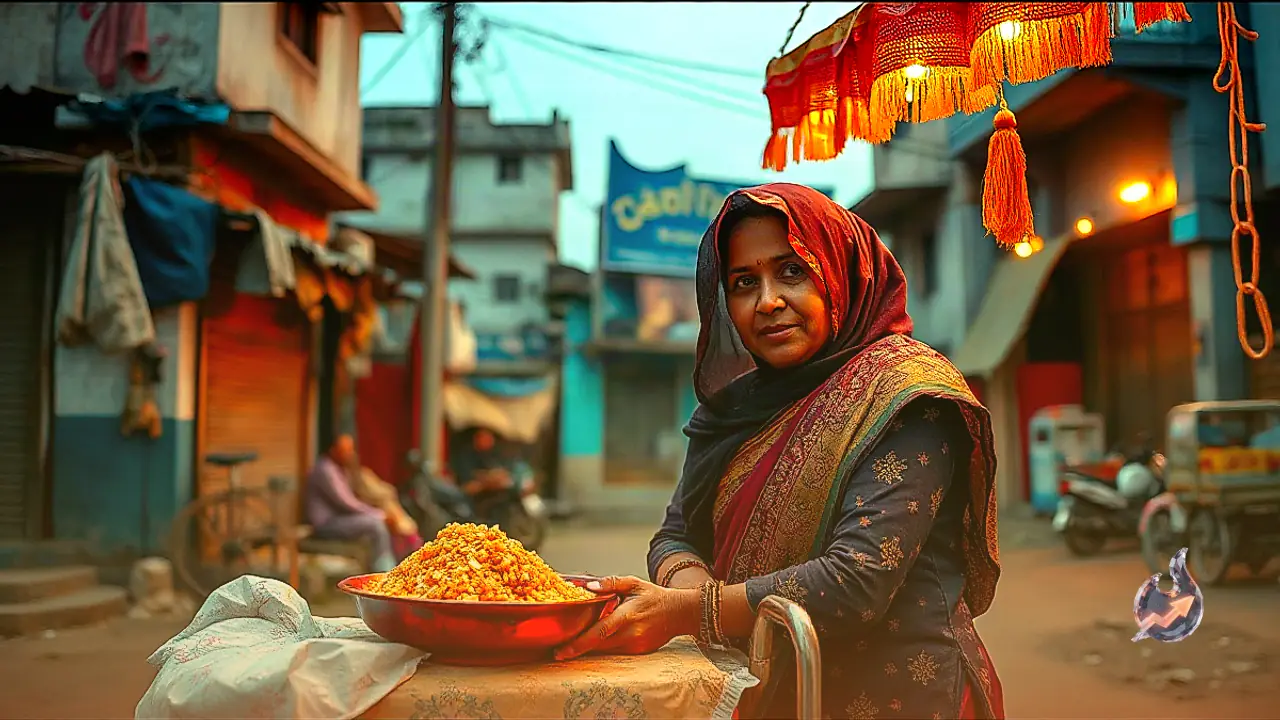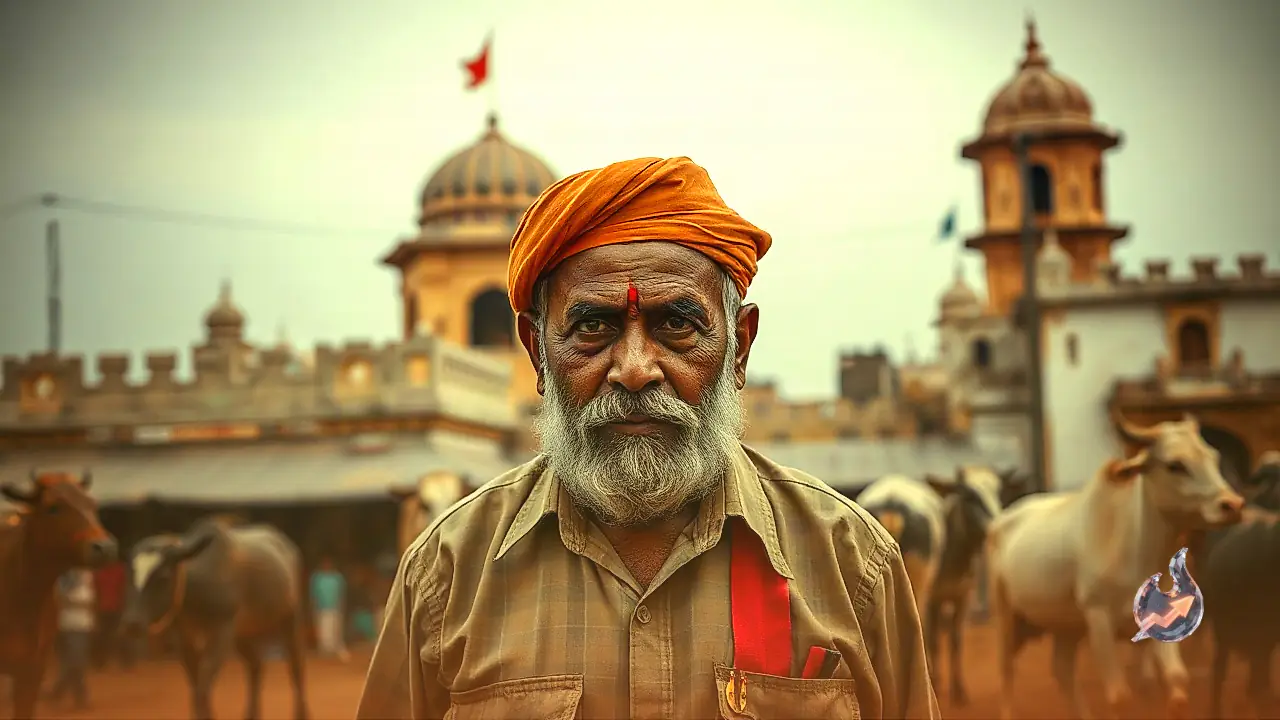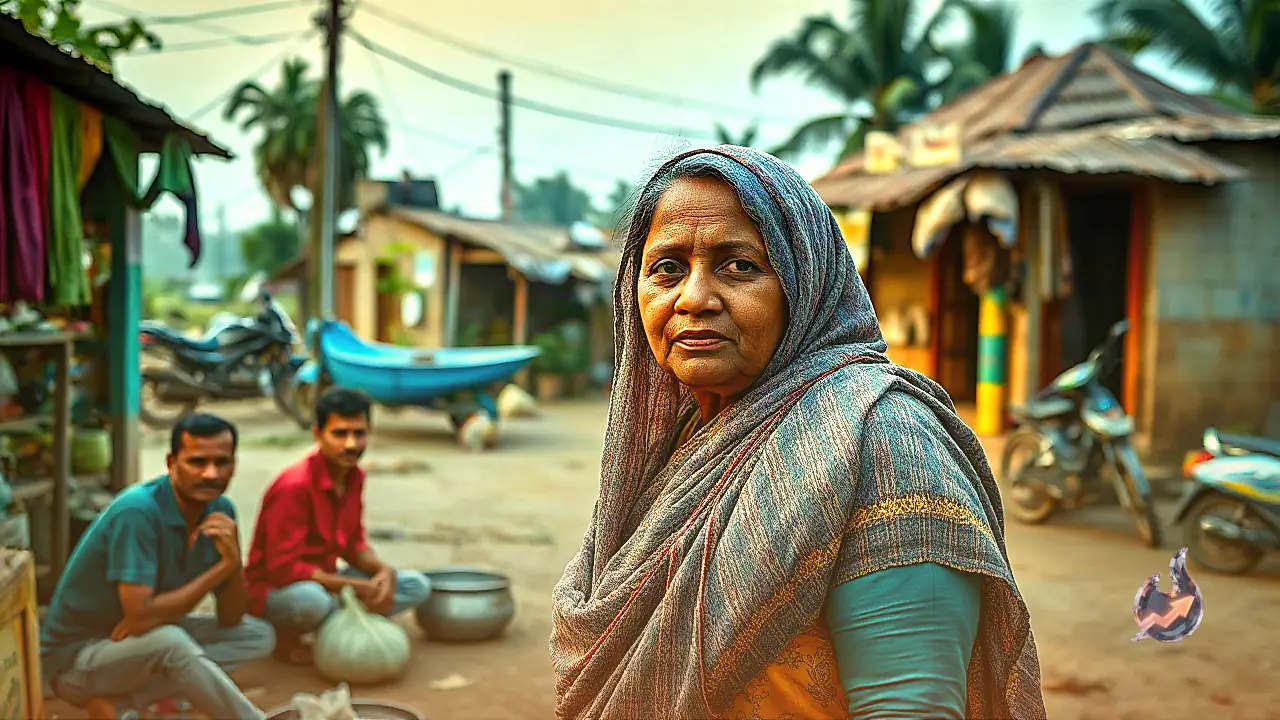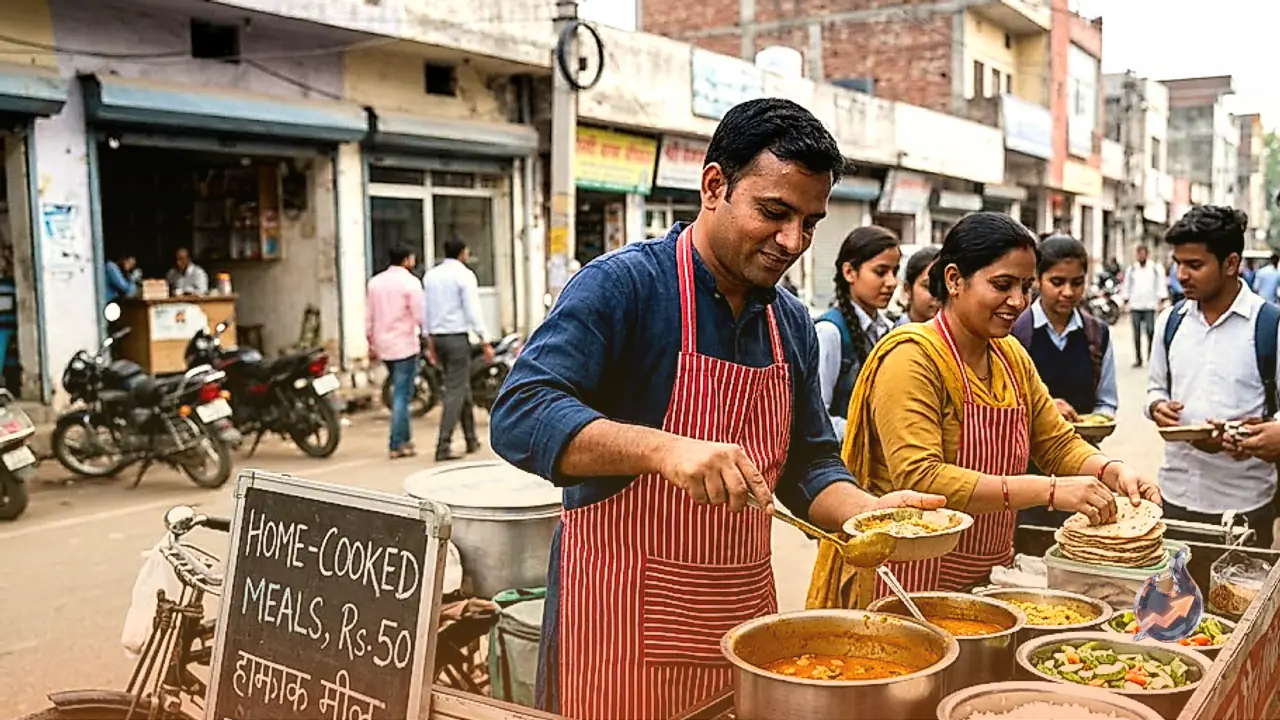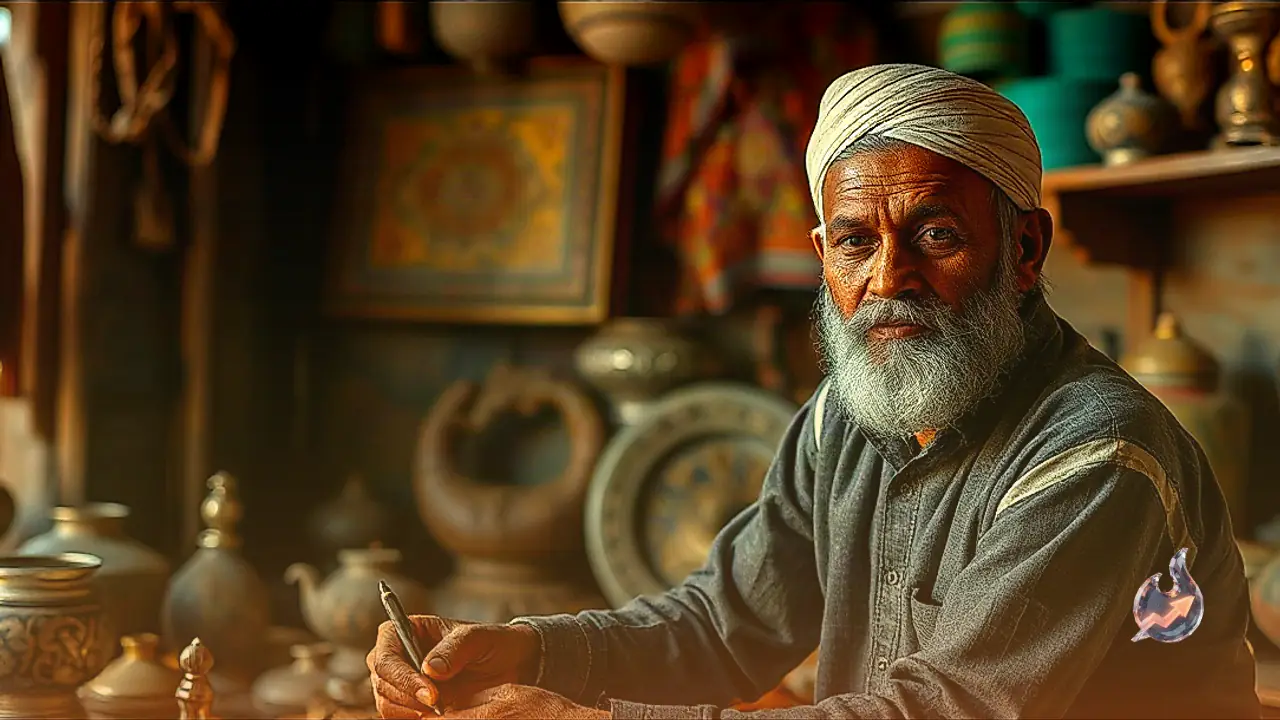



















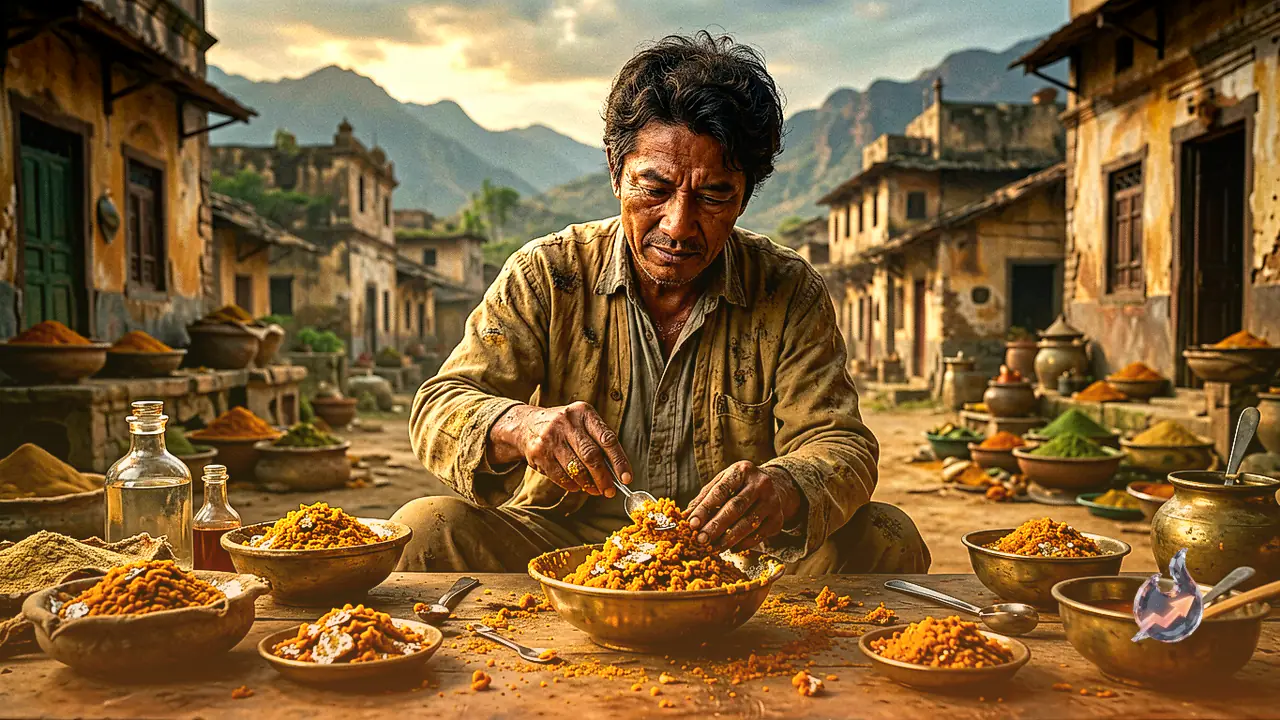

The inspiring journey of Chheddu Anuragi from Lavkush Nagar in Chhatarpur highlights how learning a traditional craft can transform a person's life. For the past 25 years, he has been handcrafting Gulab Lachhi, a treat that remains a favorite among children, youths, and elders alike. Years ago, he relied entirely on manual labor to sustain his household. When daily wage work failed to cover basic living expenses, he decided to pivot by learning the intricate art of making Gulab Lachhi from outsiders living in his neighborhood, eventually turning it into his primary livelihood.
Ingredients and Preparation Process
55-year-old Chheddu Anuragi explains that the preparation requires simple ingredients including maida, sugar, and dalda. The technique is quite similar to making gajak or son halwa, though it demands immense physical effort. The mixture must be pulled continuously for hours to achieve the right texture. Because of the delicate nature of the ingredients, this treat can only be produced during the winter and monsoon seasons, as extreme summer heat causes it to melt instantly.
Village Markets and Foot Travel
Rather than staying confined to Lavkush Nagar, Chheddu travels across nearby villages and towns to sell his handcrafted sweets. He regularly visits every local haat bazaar held throughout the Chhatarpur district. For transportation, he only incurs basic bus fares. The entire venture operates without any heavy machinery or vehicles. He does not use a motorcycle or even a bicycle; instead, he walks on foot through the market lanes to distribute his goods.
Daily Sales and Revenue
Market days bring the highest earnings because large crowds gather at the haat bazaars, allowing him to sell his entire stock within just one or two hours. On a typical day, he successfully sells 1500 rupees worth of Gulab Lachhi, resulting in a net daily profit of around 500 rupees after deducting operating expenses. While the public appetite for this sweet remains strong throughout the year, production pauses during the scorching summer months when the product loses its form.
Seasonal Adjustments and Future Outlook
The business thrives best during the monsoon and winter months, with winter recording the peak demand. During the summer season when Gulab Lachhi production halts, Chheddu switches to fireworks-related work to keep earning. Pricing and quantities fluctuate with the weather; currently, it sells at 50 grams for 10 rupees, but prices and portions shift as the winter chill deepens. Reflecting on his path, he firmly believes that acquiring this unique skill saved him from spending his aging years continuing hard manual labor.