

















Serving currently as an Assistant Collector and Trainee IAS officer in Palamu district of Jharkhand, Ritwik Mehta presents a compelling example of determination, patience, and grit. Securing All India Rank (AIR) 115 in the UPSC Civil Services Examination to join the Indian Administrative Service (IAS) was the culmination of an arduous journey. Facing six attempts, multiple setbacks across preliminary and mains stages, and disappointment at the interview level, he refused to give up on his ambition. His journey demonstrates that when goals remain clear and determination stays unshakeable, even the most challenging career milestones can be achieved.
Early Education, Academic Excellence, and Civil Services Goal
Ritwik Mehta hails from Vijaya Heritage in Kadma, Jamshedpur. From a young age, he harbored a strong drive to enter public administration and contribute meaningfully to society. He completed his schooling at Loyola School in Jamshedpur, emerging as the school topper in his 10th board examinations. Continuing at the same institution, he completed his 12th standard in the science stream, scoring an impressive 93 percent marks. Despite his background in science, his interest drew him toward humanities subjects. Consequently, he enrolled at Kirori Mal College, Delhi University, where he earned his bachelor's degree in Geography. After completing his graduation, he formally commenced his UPSC Civil Services preparation in 2018 and made his first examination attempt in 2019.
Series of Setbacks and Selection into the Indian Police Service
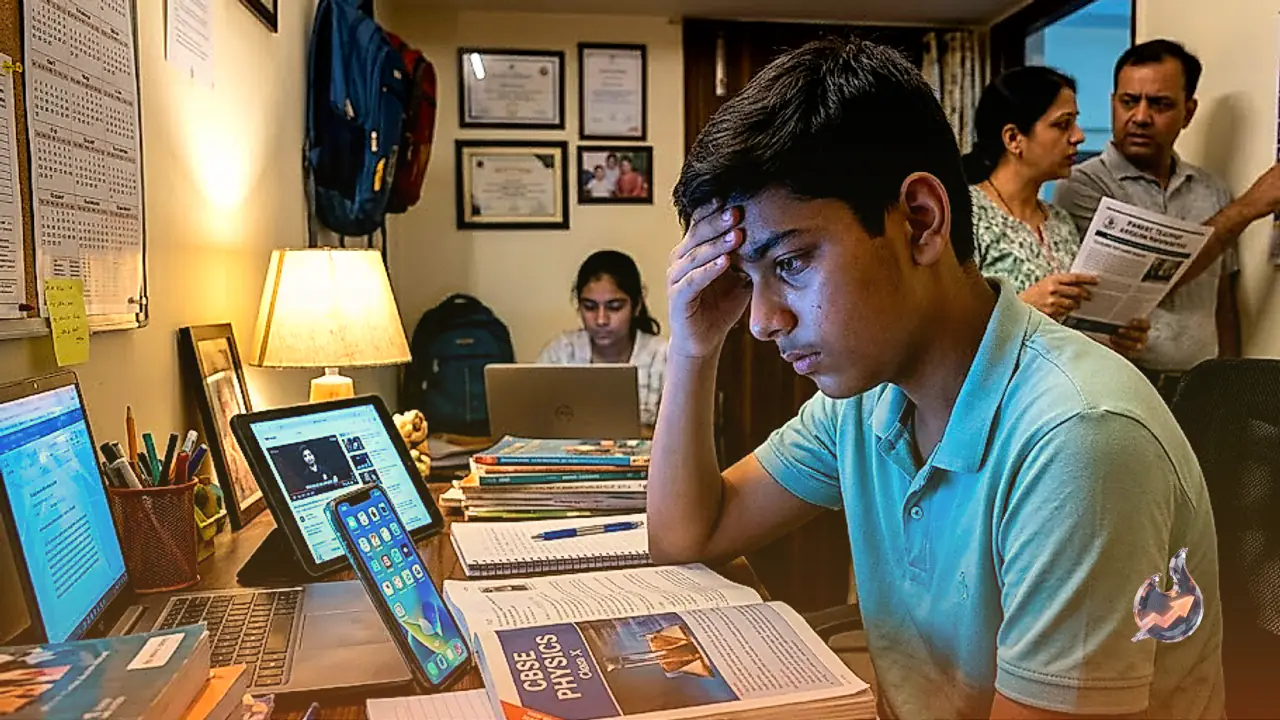
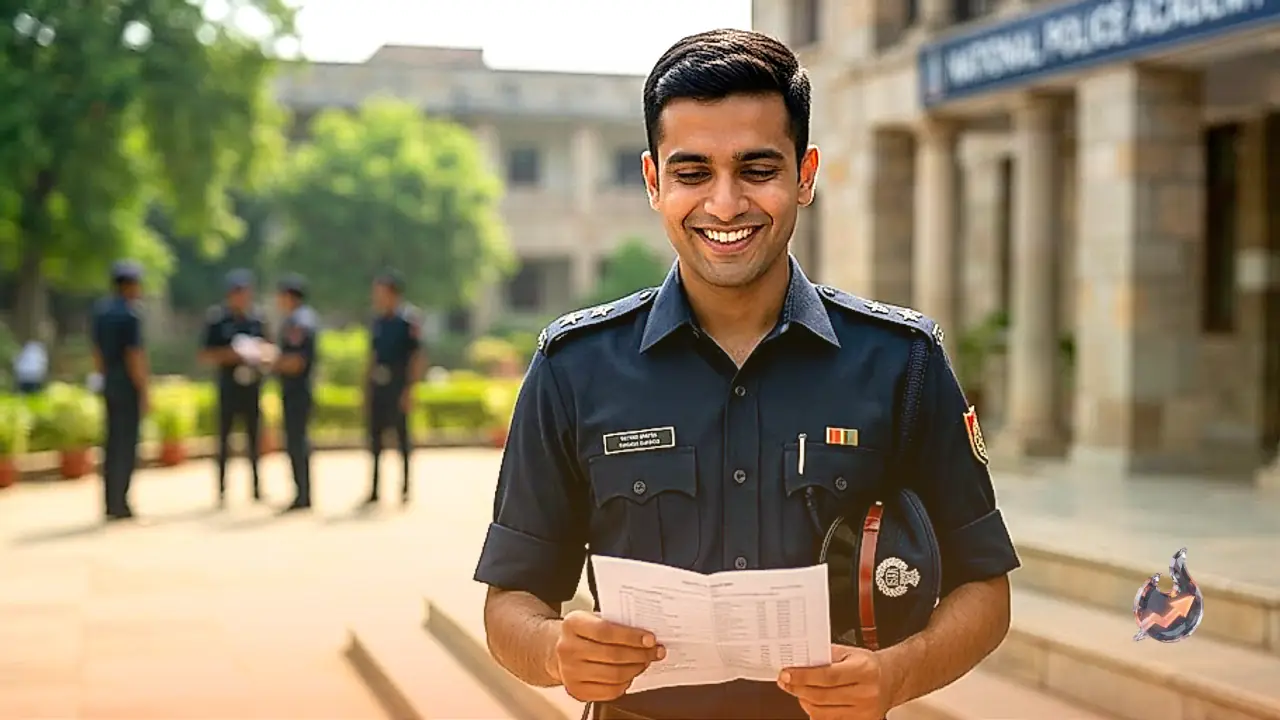
The trajectory toward becoming a civil servant presented consecutive hurdles for Ritwik. In his initial attempt in 2019, he successfully cleared the preliminary examination but fell short during the mains stage. Subsequent attempts brought varying challenges. In one instance, he cleared prelims but missed the qualifying score in mains, while in another attempt, he was unable to clear the preliminary stage itself. Demonstrating resilience, he made a strong comeback in the 2022 exam cycle by advancing all the way to the interview stage, though his name ultimately did not feature on the final selection list. Despite repeated failures, he maintained his focus. His perseverance bore fruit in the 2023 Civil Services Examination cycle when he was selected for the Indian Police Service (IPS).
Balancing IPS Training with Final Attempt to Secure AIR 115
While being appointed to the Indian Police Service represents a major achievement for most aspirants, Ritwik's ultimate objective remained entering the Indian Administrative Service. Even amid the demanding schedule of IPS officer training, he maintained his study routine. Balancing rigorous physical and tactical training with academic preparation, he dedicated himself to preparing for his sixth and final attempt. With confidence, he appeared for the 2024 Civil Services Examination. His years of structured preparation and patience paid off, as he secured All India Rank 115 to successfully realize his dream of joining the Indian Administrative Service (IAS).
Family Sacrifices and Strong Support System
Reflecting on his achievement, Ritwik Mehta attributes his success primarily to the unwavering support of his family. He emphasizes that navigating a prolonged competitive exam journey requires unconditional encouragement from home. His father, Ajay Kumar, who served as a Range Forest Officer in the Forest Department, opted for Voluntary Retirement Scheme (VRS) in 2018 specifically to ensure that his son faced no obstacles and received dedicated support during preparation. His mother, Priyanka Verma, works in the education and publishing sector, specializing in creating competitive examination study materials. His younger brother, Vedant Mehta, serves the nation as a Captain in the Indian Army. Ritwik notes that his family's persistent trust in his capabilities served as his greatest strength throughout his preparation.
Vision for Governance, Healthcare, and Rural Upliftment in Jharkhand
Upon entering the IAS, Ritwik Mehta's ambition extends beyond holding an executive post to establishing sound governance across Jharkhand. He observes that while certain urban centers in the state have experienced rapid growth, several remote regions still lack essential civic infrastructure. He aims to ensure that quality education, healthcare services, and efficient administrative mechanisms reach villages and distant areas effectively. Believing that mineral-rich Jharkhand holds vast potential, he advocates leveraging its natural wealth for industrial growth, quality public education, and robust health infrastructure to improve citizens' quality of life. His journey stands as an inspiring narrative of turning every failure into preparation for ultimate success.