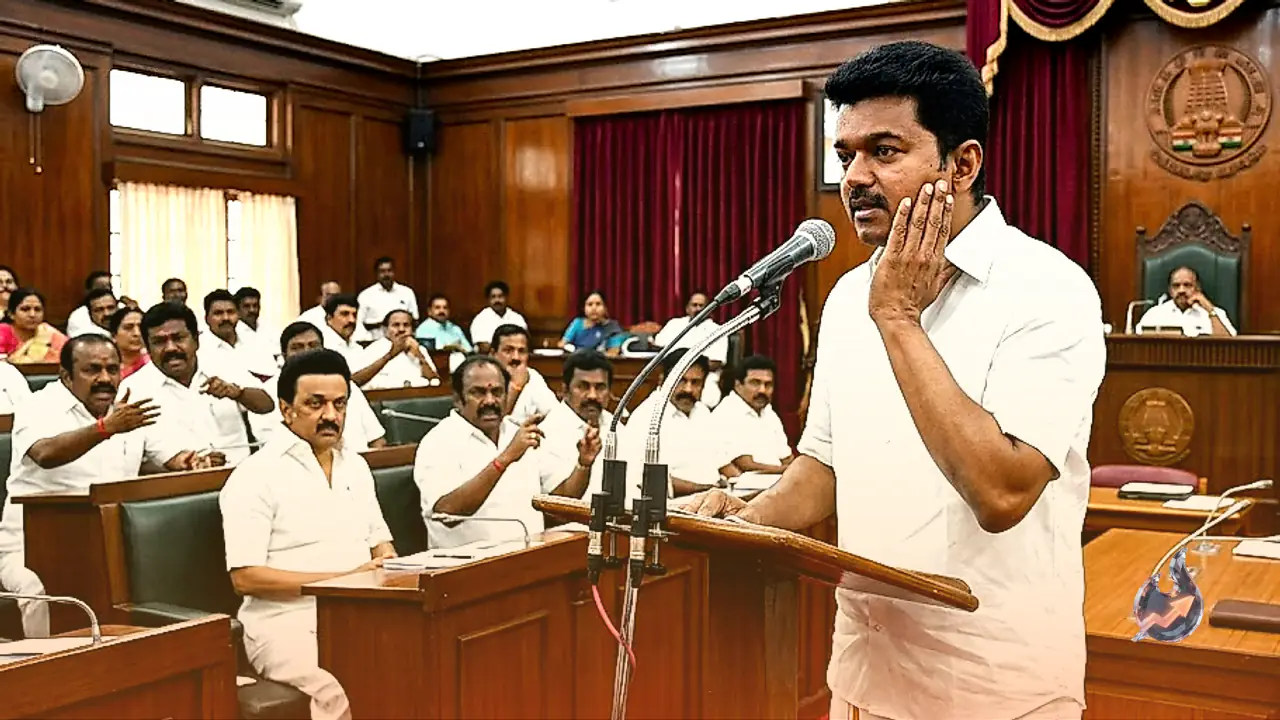


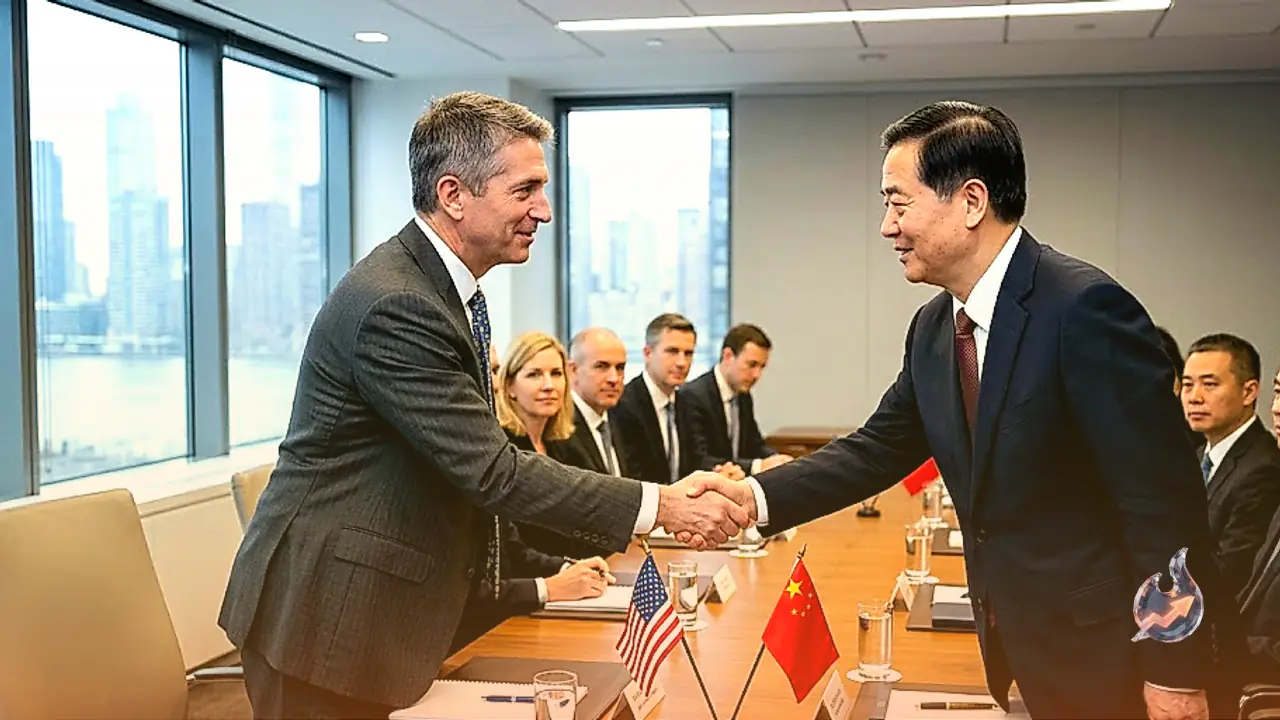
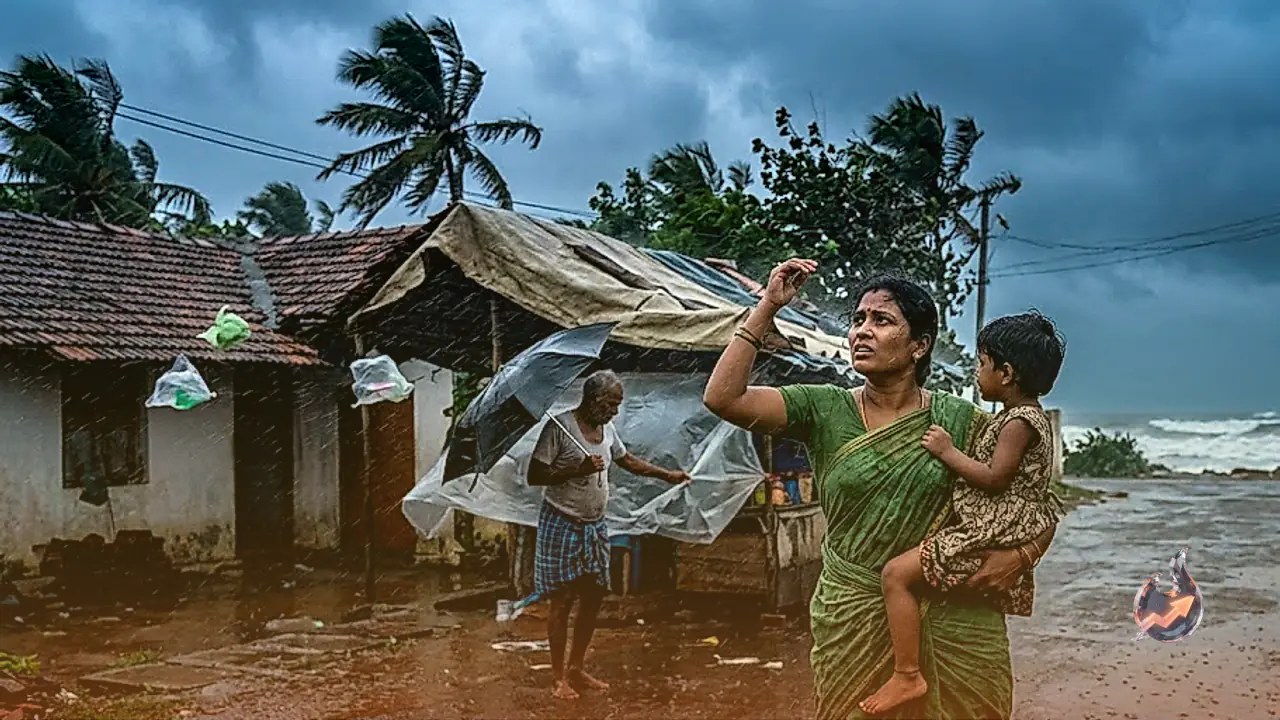



















The Tamil Nadu government led by Chief Minister Thalapathy Vijay unveiled its new budget on Wednesday, introducing a wide array of public welfare initiatives. Fulfilling key commitments outlined in its electoral manifesto, the administration announced major financial schemes targeted at women, students, and newborn infants. Despite the state grappling with a formidable financial liability of nearly 11 lakh crore rupees, the government has allocated substantial budgetary reserves toward social security projects. The fiscal roadmap has attracted widespread national attention due to the stark contrast between the state's record debt levels and Chief Minister Thalapathy Vijay's personal net worth of approximately 624 crore rupees as declared in his election affidavit. Amid these complex economic conditions, the administration has chosen to emphasize direct material and financial assistance for citizens.
1362 Crore Rupees Outlay for Gold Coins and Baby Care Kits
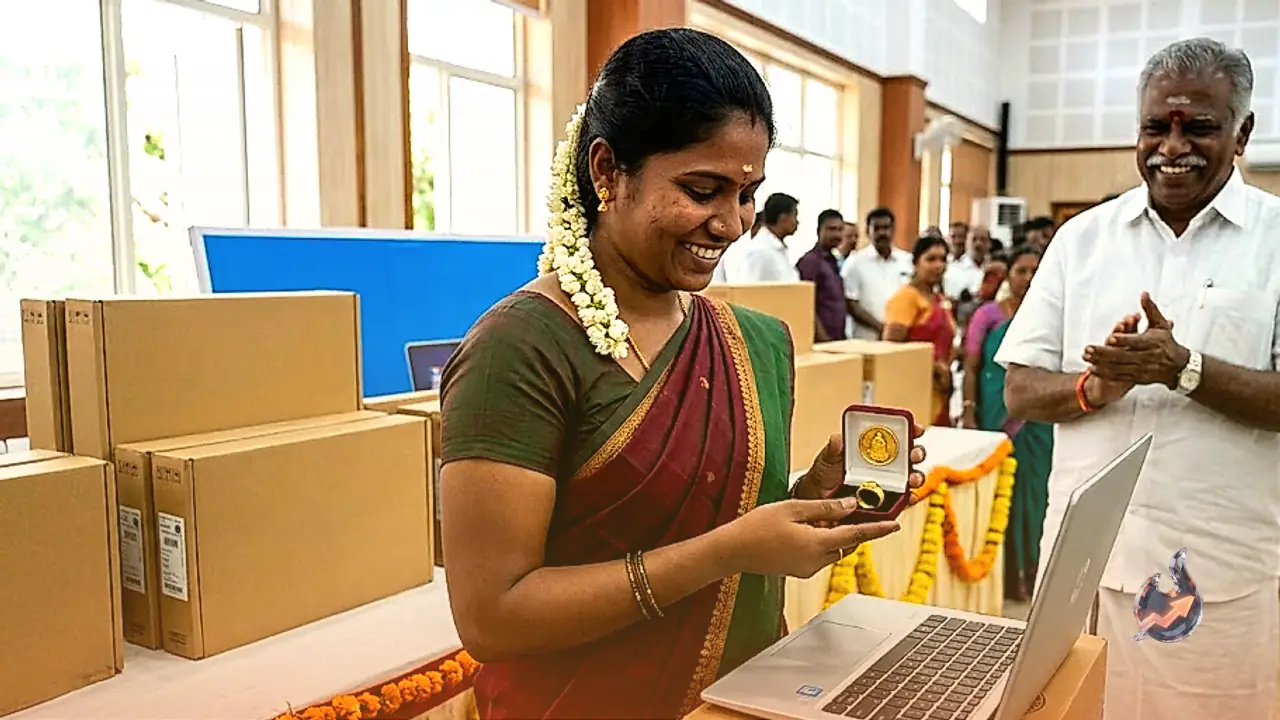
Direct beneficiary assistance forms the core of the newly presented financial statement. Under the newly introduced 'Annan Seer Thittam' initiative, eligible brides in the state will receive an 8-gram gold coin alongside a silk saree at the time of their wedding. The government has earmarked a dedicated fund of 812 crore rupees to execute this marriage assistance program. Simultaneously, the state has launched the 'Thai Maaman Thanga Modhiram Thittam' to support maternal and child health in public medical facilities. Under this welfare package, every child born in a government hospital will be presented with a 1-gram gold ring and a comprehensive baby kit. The financial outlay for this infant welfare scheme stands at 560 crore rupees. Combined together, these two flagship welfare measures account for a total government expenditure of 1362 crore rupees.
Major Push for Healthcare, Education, and a 2000 Crore Laptop Scheme
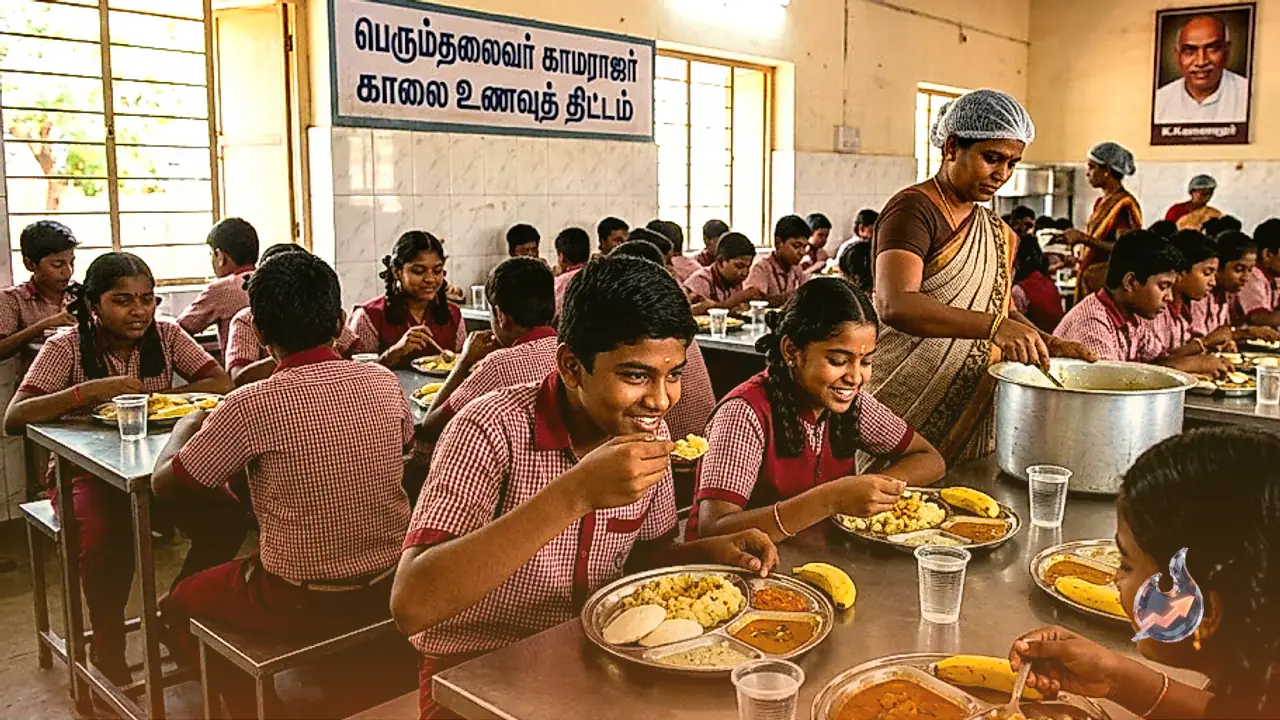
Beyond traditional welfare handouts, the budget assigns substantial capital toward structural development in education and public health. To empower youth and bridge digital gaps, the state introduced the 'Vetri Laptop Scheme' supported by a financial allocation of 2000 crore rupees. The existing free breakfast scheme for school children will now be expanded to cover middle school students. Furthermore, the administration approved plans to modernize infrastructure across more than 3700 government schools. Educational reforms also mandate upgraded sanitation programs in campuses, the integration of AI-based learning modules, and the creation of specialized residential schools for economically disadvantaged students. In the healthcare domain, resources have been expanded for maternity care hubs, specialized cancer treatment centers, telemedicine networks, mobile medical units dedicated to senior citizens, and essential pharmaceutical supplies.
Fiscal Realities of 11 Lakh Crore Debt and the Revenue Mobilization Strategy
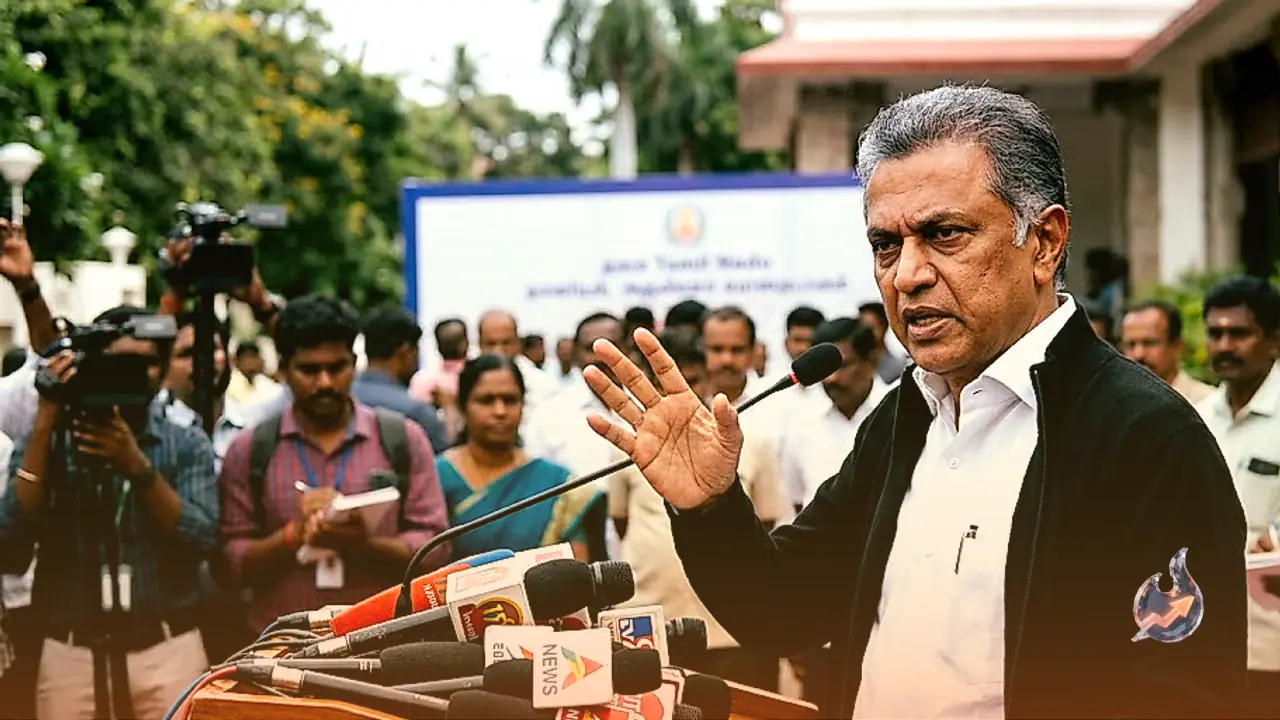
Presenting the state's financial status, Finance Minister N. Mary Wilson openly acknowledged that Tamil Nadu is navigating a highly constrained economic environment. Revised fiscal estimates indicate that the state's cumulative debt burden currently stands at approximately 10.99 lakh crore rupees. Over the past five years, Tamil Nadu's total outstanding liabilities have nearly doubled. Nevertheless, the government maintained that it will not impose new tax burdens on the general public to balance the books. Instead, fiscal recovery will rely on administrative reforms and tighter operational oversight. Key measures include enhancing transparency in public procurement tenders, implementing digital tracking across mining operations, levying additional duties on liquor manufacturing units, and deploying digital tech in property registration and tax administration. Through these efficiency gains, the administration projects an additional non-tax revenue generation of roughly 16 thousand crore rupees.
Political Branding and Familial Connections in Budgetary Policy
The inaugural budget of Chief Minister Thalapathy Vijay signals an intent to deliver on campaign promises without delay, deferring structural fiscal consolidation until after public welfare goals are secured. Throughout the budget document, the political branding reflects the familial persona cultivated during the election campaign. By framing the state as an extended family, the Chief Minister positions himself as 'Annan' or elder brother to brides, 'Thai Maaman' or maternal uncle to newborns, and 'Vijay Maaman' to school children. This campaign rhetoric has now been embedded directly into public policy and formal state spending priorities.