





















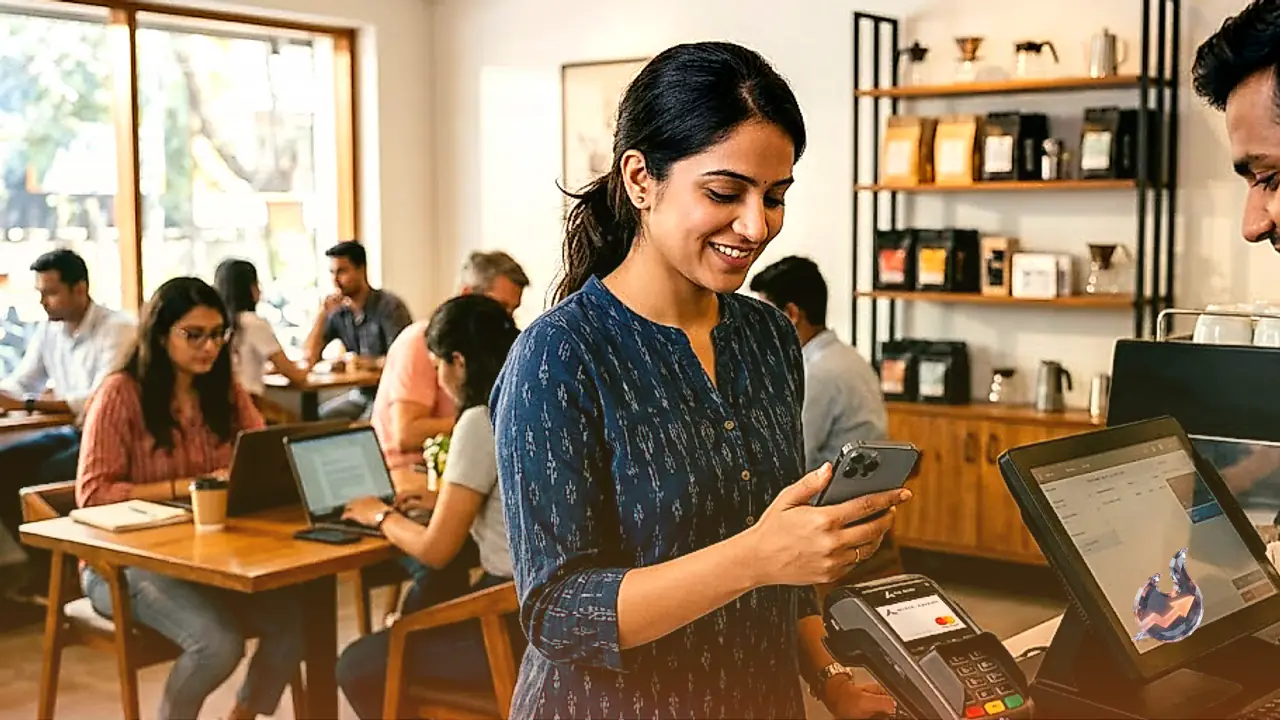

Apple Pay has officially gone live in India on Wednesday, 30 September, marking its arrival roughly 12 years after its initial rollout in the United States. For its Indian debut, the contactless payment platform has partnered with a single financial institution, Axis Bank. At present, the service is restricted strictly to Visa and Mastercard credit cards issued by Axis Bank, leaving out direct debit accounts and other card networks at launch.
Supported Cards and Device Ecosystem
Only customers holding an Axis Bank credit card that operates on either the Visa or Mastercard network can take advantage of Apple Pay immediately. An Axis Bank card issued on any alternative network will not be eligible to appear inside Apple Wallet simply because it carries the bank's branding. From day one, the contactless service operates across iPhone, iPad and Apple Watch hardware, with functionality for Mac computers anticipated to arrive later this year.
Card Setup and Registration Steps
Eligible cardholders have two main routes to register their cards into the ecosystem. They can initiate the process through the latest build of the Axis Bank mobile application or add the details directly inside the native Wallet app on an iPhone. Once successfully linked to an iPhone, the card can also be synced directly to an Apple Watch for wearable convenience. Apple has stated an intention to bring additional card issuers and merchants on board over time, with more banking institutions anticipated to join, though no definitive schedule has been announced.
Making Payments at Physical Terminals and Online
Completing a transaction at physical merchant locations requires users to double-click either the side button or the Home button depending on their device model. After initiating the shortcut, the user verifies their identity via Face ID, Touch ID or their device passcode, before holding the iPhone or Apple Watch near any standard contactless payment terminal. Beyond offline tap-to-pay counters, the feature can be selected within mobile applications and on digital storefronts, eliminating the need to repeatedly input primary card numbers, PINs or OTPs at the checkout stage.
Initial Network of Merchant Acceptance
A broad selection of retail brands and online platforms across India have enabled support for Apple Pay from its first day. According to Apple, participating merchants include official Apple Store locations, Blinkit, Chaayos, Comet, Croma, Interflora, Ixigo, Le15 Patisserie, various Reliance brands, Tata 1mg and Zomato. This allows users to conduct quick purchases across grocery deliveries, travel reservations, retail electronics and food ordering services.
The Absence of UPI and RuPay Compatibility
Despite the official entry, the vast majority of iPhone owners across India cannot rely on Apple Pay for daily transactions because RuPay cards and the Unified Payments Interface remain completely unsupported. Data from NPCI indicates that UPI commands roughly 84% of all digital payments across the country. Consequently, an iPhone owner will still need a standalone UPI application to pay at neighbourhood kirana outlets, street vendors and auto-rickshaws.
The underlying technical models of both systems diverge significantly. Apple Pay in India operates on eligible bank credit cards paired with NFC tap-to-pay mechanisms, serving as a secure digital conduit for bank cards on hardware. In contrast, UPI processes peer-to-merchant settlements directly out of bank accounts. Neither Apple nor Axis Bank has publicly outlined the exact reasoning behind leaving UPI out of the initial release or shared a target timeline for potential integration. For the immediate future, Apple Pay functions primarily as a streamlined digital card carrier for existing credit card users rather than a comprehensive alternative to India's home-grown payment rail.