



















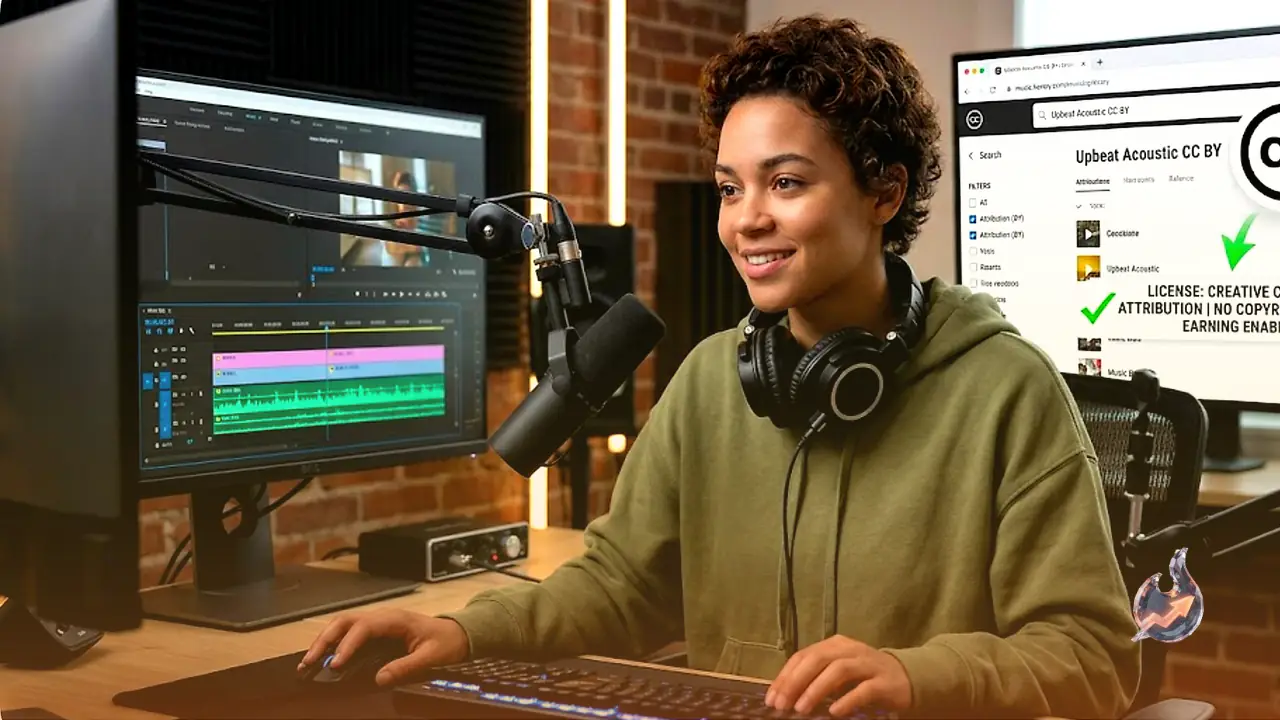

Making videos on YouTube and Instagram is no longer just a hobby, it has become a real source of income for many people. But hidden along that path is one mistake that wrecks the plans of new creators. In their excitement, many drop a popular song, a piece of music, or someone else's video clip into their content without permission, and one day a copyright strike suddenly lands. It does not always stop there either, because sometimes the entire channel gets shut down.
The simplest and most legal way to avoid this trouble is to understand Creative Commons and use it correctly.
Why a copyright strike happens in the first place
When you put someone else's music, song, or video clip into your video, the actual owner can report it to YouTube. YouTube's own system also detects such content automatically. The rule is clear, three strikes and your channel can be closed forever. The biggest risk comes from using Bollywood or Hollywood songs, or viral video clips.
What Creative Commons actually is
Creative Commons is essentially a licensing system. Through it, creators themselves make their work either completely free for others to use, or available under certain conditions. There are six types of licenses in total, but three of them matter most to YouTube creators.
- CC0 (Public Domain) is completely free, and you do not even need to give credit.
- CC BY lets you use the work, but you must give credit.
- CC BY-NC is only for non-commercial use, meaning no monetization.
Where to find free and safe music and clips
If you want to stay clear of legal headaches, there are a few trusted places you can pull music and video from without worry.
- YouTube Audio Library is the safest and easiest option. Just go into YouTube Studio and pick the music you want from the Audio Library.
- Pexels and Pixabay are great spots for free video clips.
- Epidemic Sound and Artlist are paid platforms you can also use, and they offer trials.
- For Instagram Reels, use Meta's Music Library.
Key steps to keep your channel safe
Whenever you pick a track, always read its license to check whether monetization is allowed. Do not forget to add credit in the video description, for example Music by XYZ licensed under CC BY. If a track is marked non-commercial, never monetize content that uses it.
The best approach is to lean as much as possible on your own original music, voiceovers, or royalty-free music. It is also worth going back through your older videos and replacing any wrongly used music.
Originality, not shortcuts, is the real path
Real success on YouTube and Instagram comes from hard work and original content. Never take the shortcut of stealing someone else's music or video to get ahead. By using resources like Creative Commons and the YouTube Audio Library wisely, you can keep your channel safe and keep earning from it for a long time to come.