


















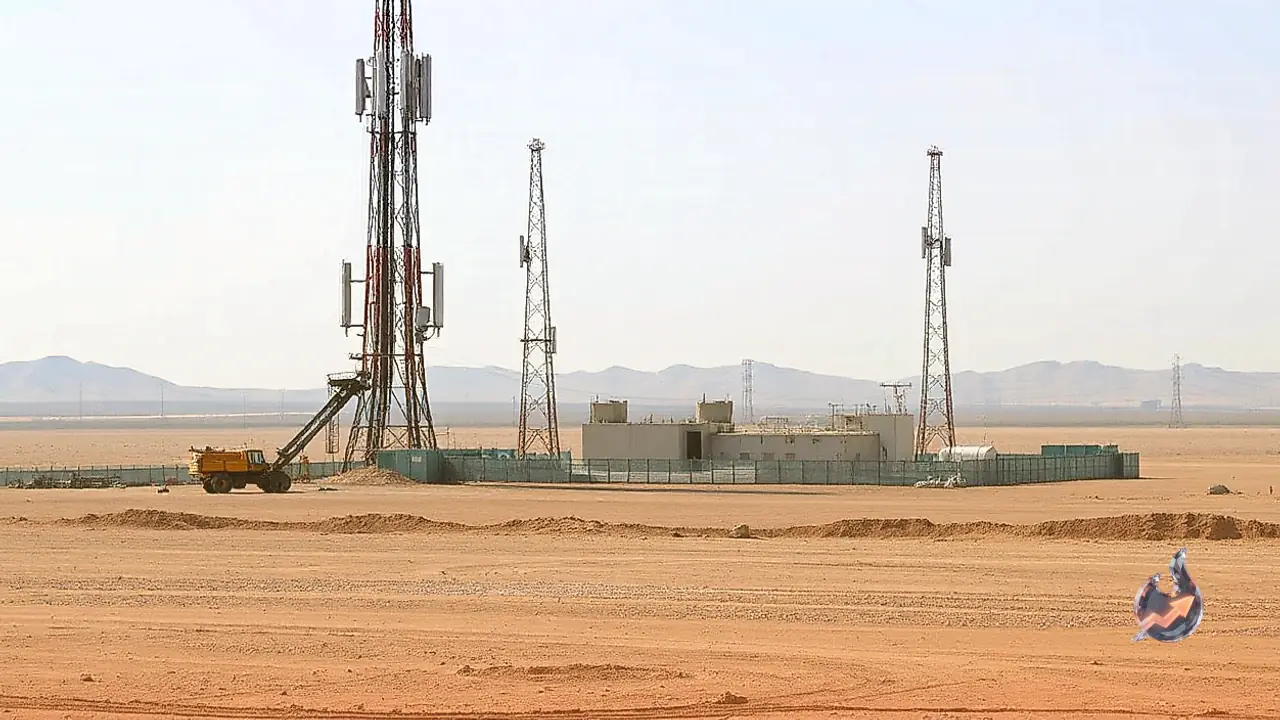

State-run telecom operator BSNL is gearing up to introduce intra circle roaming across several parts of the country. The initiative aims to eliminate network connectivity issues and improve service reliability. It is essential to understand what intra circle roaming entails, how it benefits users, and whether subscribers of other networks can also take advantage of it.
Relief in low-coverage zones
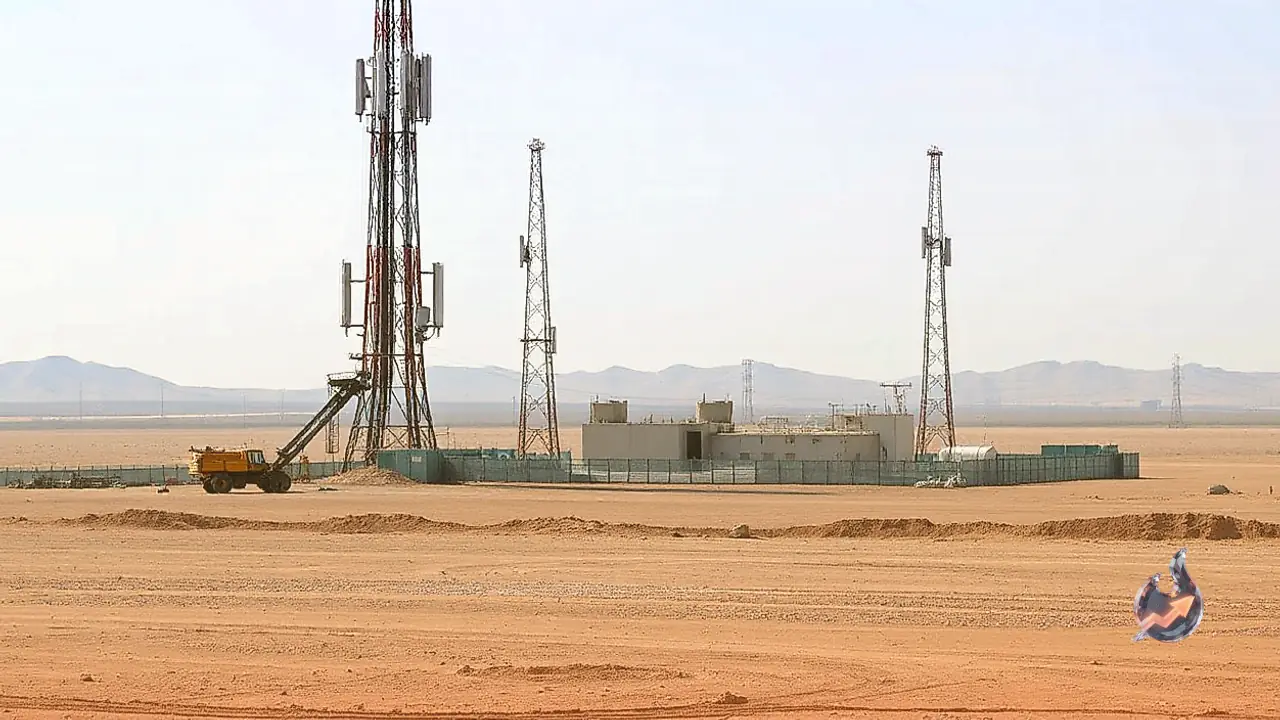
Subscribers often face inconvenience due to missing network signals. To resolve this grievance, BSNL is rolling out the intra circle roaming service across 12 to 13 telecom circles nationwide. Once operational, BSNL customers will be able to utilize partner operator networks in locations where the company lacks its own towers or coverage. According to official disclosures, agreements with other telecom providers have been largely finalized, and official signing of the deal is expected shortly.
Understanding intra circle roaming
Generally, when travelling outside one's home state, a mobile phone connects to a roaming network. However, intra circle roaming means utilizing roaming within one's own state or designated circle. For instance, a user with a BSNL SIM in the Delhi circle visiting an area devoid of working towers will not lose signals if an ICR agreement exists with another operator. The phone automatically switches to the alternative network, allowing uninterrupted calls and internet usage.
No additional charges for customers
The biggest advantage of this arrangement is that customers will not incur any extra costs. The mechanism functions as a mutual commercial agreement between two telecom companies. Users will not even realize that their phone has transitioned from the home network to a partner network, as the entire process occurs automatically in the background. In rural and remote regions featuring towers from only one or two providers, customers can enjoy high-speed internet and calling through this facility.
Lifesaver during natural disasters
ICR proves to be a vital tool for saving lives during natural calamities. The Department of Telecommunications noted that in July, heavy rainfall, cloudbursts, and landslides caused widespread devastation in Jammu and Kashmir, Assam, and Nagaland, leading to total communication blackouts. Emergency response mechanisms were activated, mandating all operators to implement ICR in affected regions. This has already been enforced in districts like Poonch and Rajouri in Jammu and Kashmir, Sivasagar, Charaideo, and Jorhat in Assam, and Mon in Nagaland.
Overcoming network barriers during emergencies
When the Department of Telecommunications activates emergency ICR, commercial agreements between companies become secondary. Any subscriber present in the disaster zone can connect to any available operational network. If landslides topple towers belonging to BSNL and Jio while Airtel remains intact, BSNL and Jio handsets automatically latch onto Airtel's network upon ICR activation. This provides immense support to affected residents and rescue teams, ensuring uninterrupted communication channels.
Manual steps to configure ICR
Whether utilizing this new facility or handling a disaster scenario, users facing network loss can configure specific smartphone settings if ICR is accessible. Navigation to phone settings ensures that the automatic network selection option remains enabled, allowing the device to latch onto the strongest available signal independently. If automatic connection fails, users can manually configure settings by opening network connections, selecting network operators, and manually registering onto any visible active network displayed on the screen.