























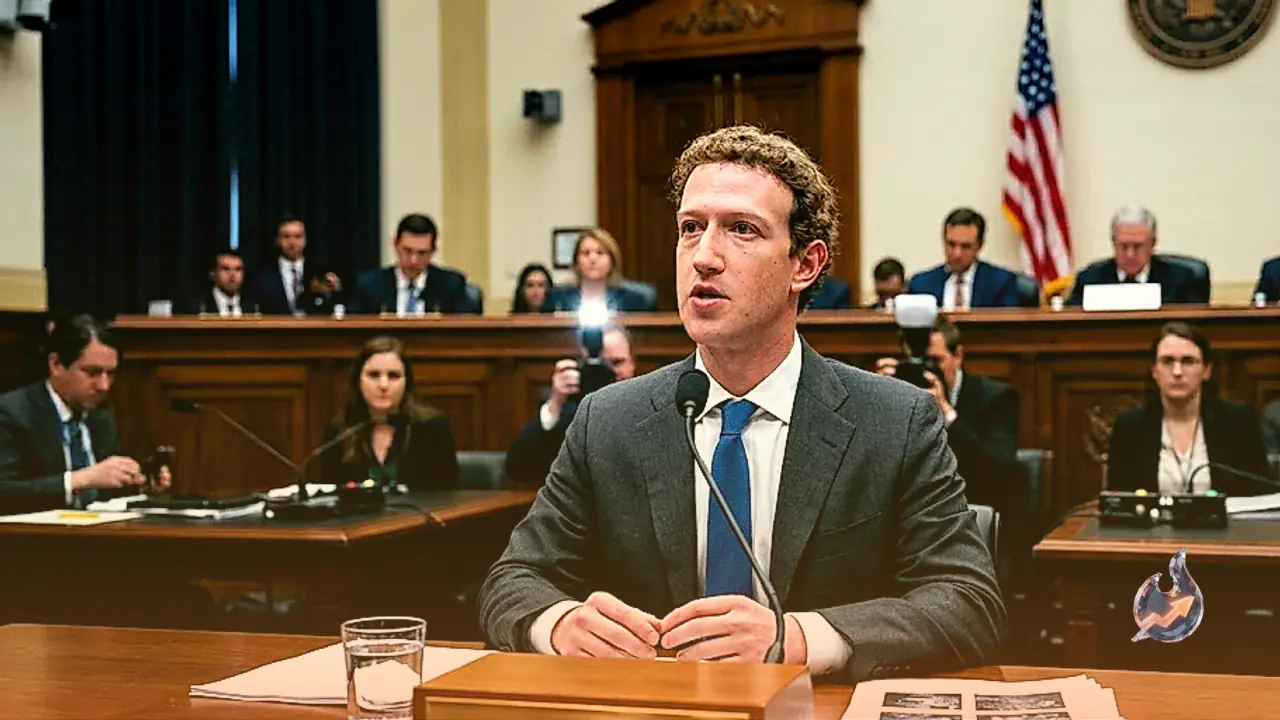

Social media giant Meta, the parent company of Facebook and Instagram, is facing intense scrutiny following disclosures from confidential internal documents alleging that the company estimated making nearly 7 billion dollars (approximately 66,555 crore rupees) annually from scam and restricted advertisements. The revelations have triggered a global debate over platform accountability, the efficacy of content moderation systems, and the inherent conflict between ad revenue generation and user safety.
Scam Ad Networks and Financial Revenue Estimates
According to internal documents cited in recent disclosures, Meta estimated that roughly 10 percent of its total annual revenue stemmed from advertisements associated with scams or prohibited goods and services. These illicit promotions primarily included fake e-commerce storefronts, fraudulent investment schemes, illegal online casinos, and restricted commercial products. An internal assessment revealed that Meta platforms served approximately 15 billion "high risk" scam ads to users every single day. Furthermore, a May 2025 presentation conducted by Meta's safety staff estimated that the company's social media platforms were involved in approximately one-third of all fraud and scam incidents taking place in the United States.
Flaws in Automated Detection and Moderation Thresholds
The disclosures shed light on structural weaknesses within Meta's automated content filtering mechanisms. According to internal records, the automated system would only take action against an advertiser if it possessed at least 95 percent certainty or confidence that the ad constituted fraud. This high threshold meant that numerous suspicious and potentially harmful ads remained active on the platform despite displaying clear red flags. An internal document from 2022 highlighted a significant lack of investment in automated scam detection infrastructure, allowing fraudulent actors to exploit vulnerabilities at scale.
Dismissal of User Reports and High Rejection Rates
One of the most concerning aspects of the disclosures relates to how Meta processed direct complaints from its user base. Documents from 2023 indicate that Facebook and Instagram users submitted roughly 100,000 valid fraud reports against bad actors every week. However, Meta allegedly ignored or dismissed approximately 96 percent of these user reports without taking meaningful enforcement action. This stark disparity has raised sharp questions regarding why user flaggings were routinely disregarded by internal moderation systems.
Meta Response and Official Position
Addressing the allegations, Meta pushed back against the interpretations drawn from its internal records. Company spokesperson Andy Stone stated that the documents offered a selective and incomplete picture of Meta's operational framework regarding fraud and scams. He explained that internal assessments were regularly conducted to evaluate integrity investments and measure the effectiveness of counter-fraud initiatives. Andy Stone noted, "We fight fraud and scams aggressively because people on our platform do not want this content." He emphasized that legitimate advertisers and Meta itself share the same interest in keeping fraudulent material off the network.
Intervention by India's IT Ministry and CSAM Ads
Meta's challenges extend beyond financial scams to severe illegal content concerns. Disclosures revealed that advertisements promoting Child Sexual Abuse Material (CSAM) and objectionable content were discovered across various platforms, with some illicit video content reportedly advertised for as low as 50 rupees. Following these revelations, India's Ministry of Electronics and Information Technology (MeitY) summoned Meta's global policy leadership. The ministry expressed grave concern over content that violated community standards, threatened public order, and remained accessible on the platform despite severe policy breaches.
Impact on the Digital Advertising Ecosystem and Responsibility
The emerging details underscore the urgent challenge facing major technology companies to balance profitability with platform security. When fraudulent schemes, unverified investments, illegal products, and harmful materials proliferate on platforms serving billions of users, the loss extends beyond immediate financial victims to compromise trust in the entire digital advertising ecosystem. The situation highlights the pressing need for social platforms to enforce stricter moderation standards and accept greater accountability for the ad content they monetize.