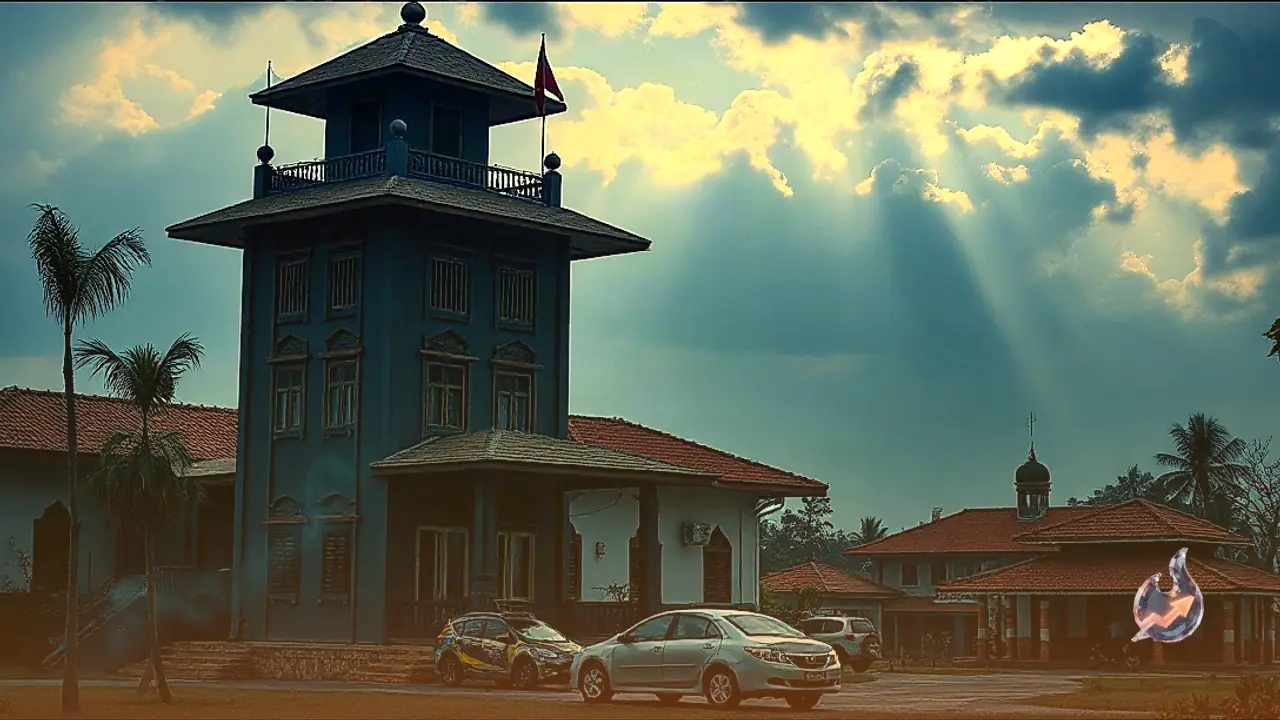
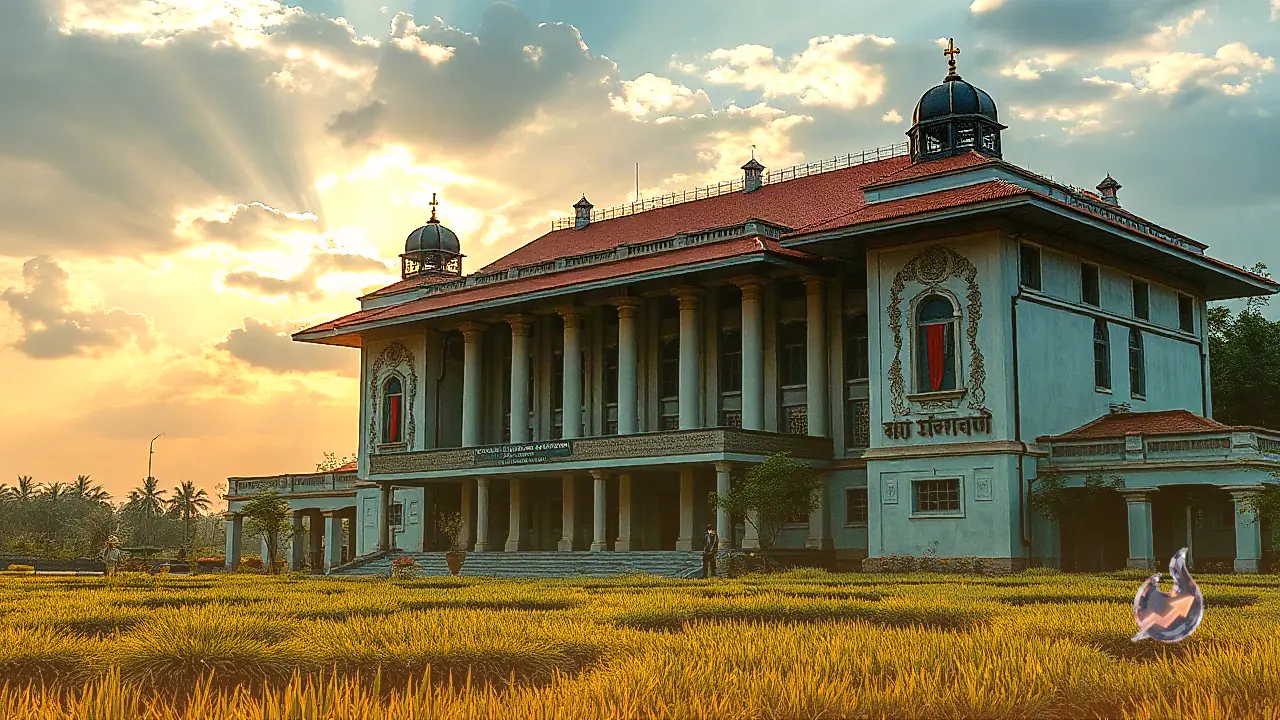


















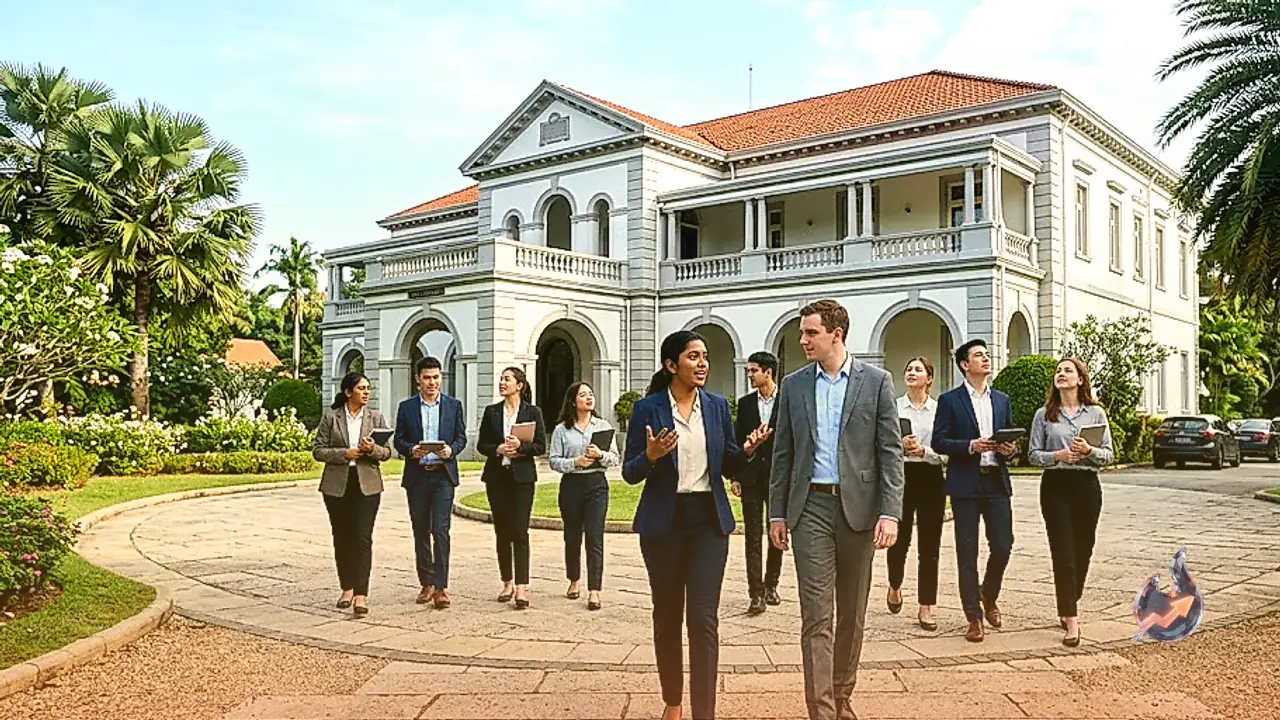

Tucked behind dense green foliage along the bustling streets of Khairatabad in Hyderabad stands Bella Vista, a magnificent structure that spans over a century of regal grandeur and cultural change. Once an opulent sanctuary filled with royal banquets, foreign melodies, and royal footsteps, the majestic heritage building now serves as a premier training institution preparing top policymakers and administrators who help govern the country.
Origin as a Chief Justice's Villa and Transition to Nizam Royalty
Completed in 1905, this exquisite specimen of Indo-European architecture was originally commissioned by Muslehuddin Mohammed, the Chief Justice of the Hyderabad High Court, across a sprawling 9.5-acre estate, as noted by historian Shamim Khan. During its early days, the open balcony of the estate offered an uninterrupted and picturesque panorama of the nearby Hussain Sagar lake. In 1917, the Seventh Nizam acquired the property for a sum of Rs 60,000. Following extensive structural renovations in 1922, the residence was formally designated as the official home of the Nizam's eldest heir, Prince Azam Jah, and his bride, Princess Durru Shehvar.
Palatial Comforts, Architectural Grandeur, and Royal Departures
With the arrival of Princess Durru Shehvar, Bella Vista evolved into an emblem of modern sophistication and royal indulgence. The sprawling compound was fitted with a large open-air swimming pool and two tennis courts tailored to the princess's lifestyle. In contrast, a shallow baby pool was constructed for the prince, who harboured a distinct fear of deep water. The halls featured two-foot-thick walls, towering ceilings, and polished wooden parquet floors that regularly hosted glamorous gatherings accompanied by renowned international music. Behind the dazzling public exterior, however, domestic tensions intensified. Driven away by the prince's excessive expenditure, mounting debts, and deepening marital strife, Princess Durru Shehvar eventually departed the estate permanently, relocating to England with her children.
Post-Independence Rebirth as the Administrative Staff College
Following the accession of Hyderabad into the Indian Union in 1948, the destiny of the estate took a momentous turn. In 1956, the historic palace was repurposed into the Administrative Staff College of India. Today, inside the very halls where royal society once gathered, senior civil servants, international delegates, and top corporate executives deliberate on governance, leadership, and public policy. Recognized with a prestigious INTACH Heritage Award, the 120-year-old institution continues to uphold unique echoes of its aristocratic past through distinctive in-house culinary traditions, including signature ice cream, freshly baked artisanal bread, and an attached bar.