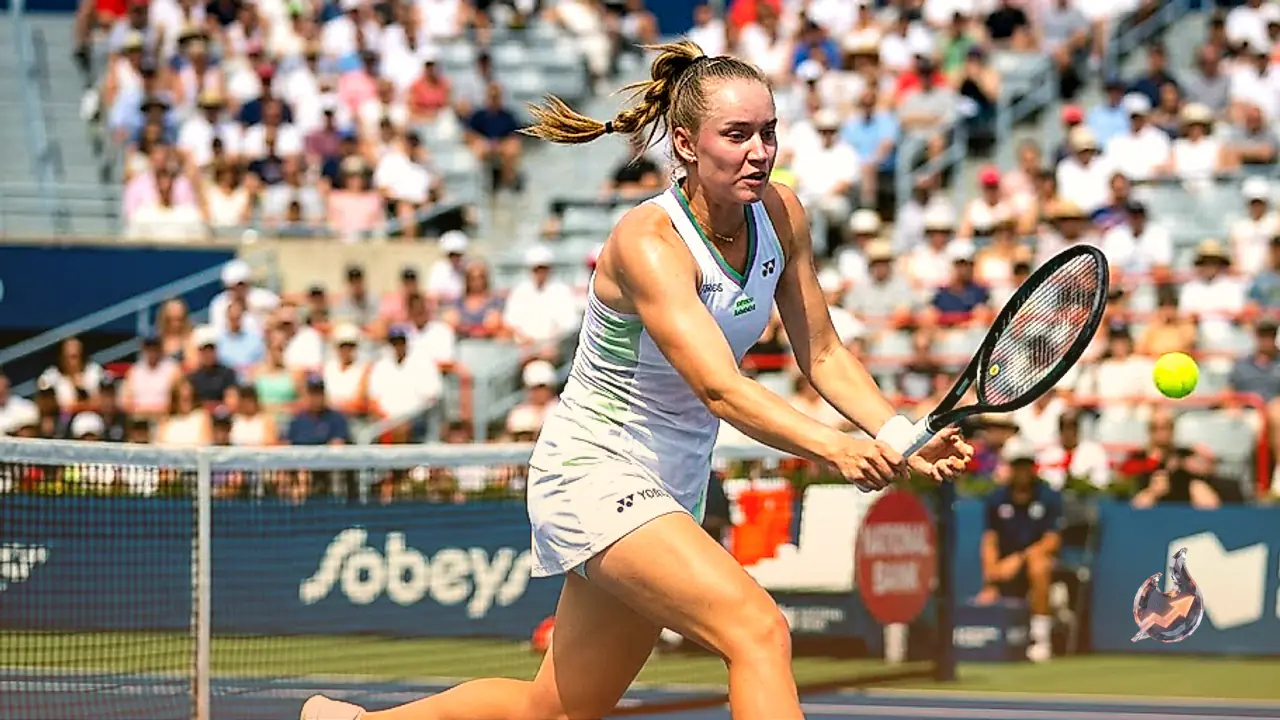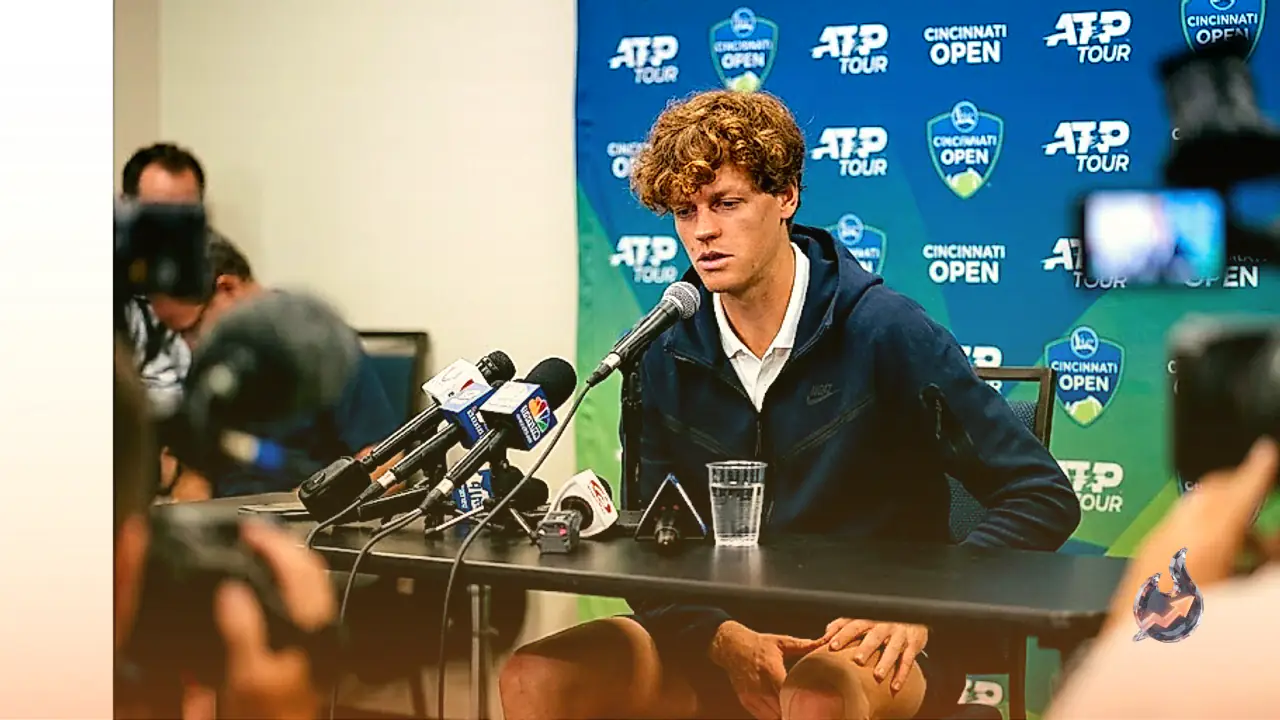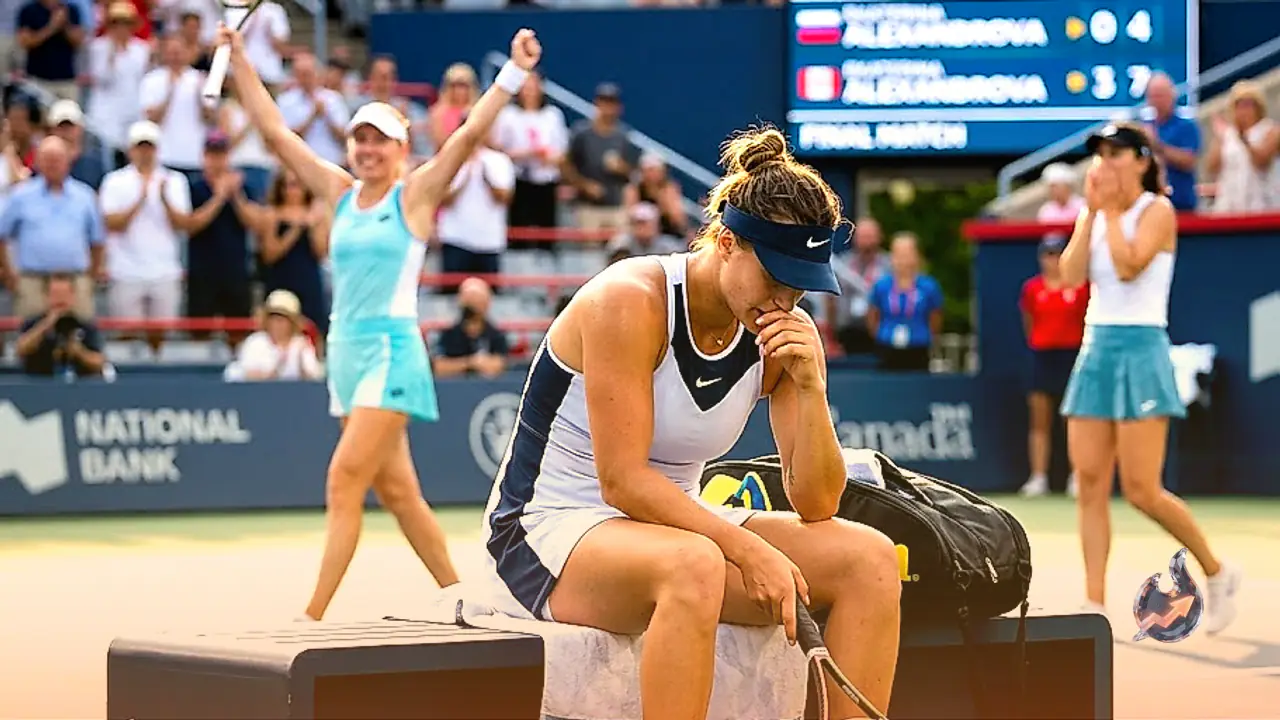





















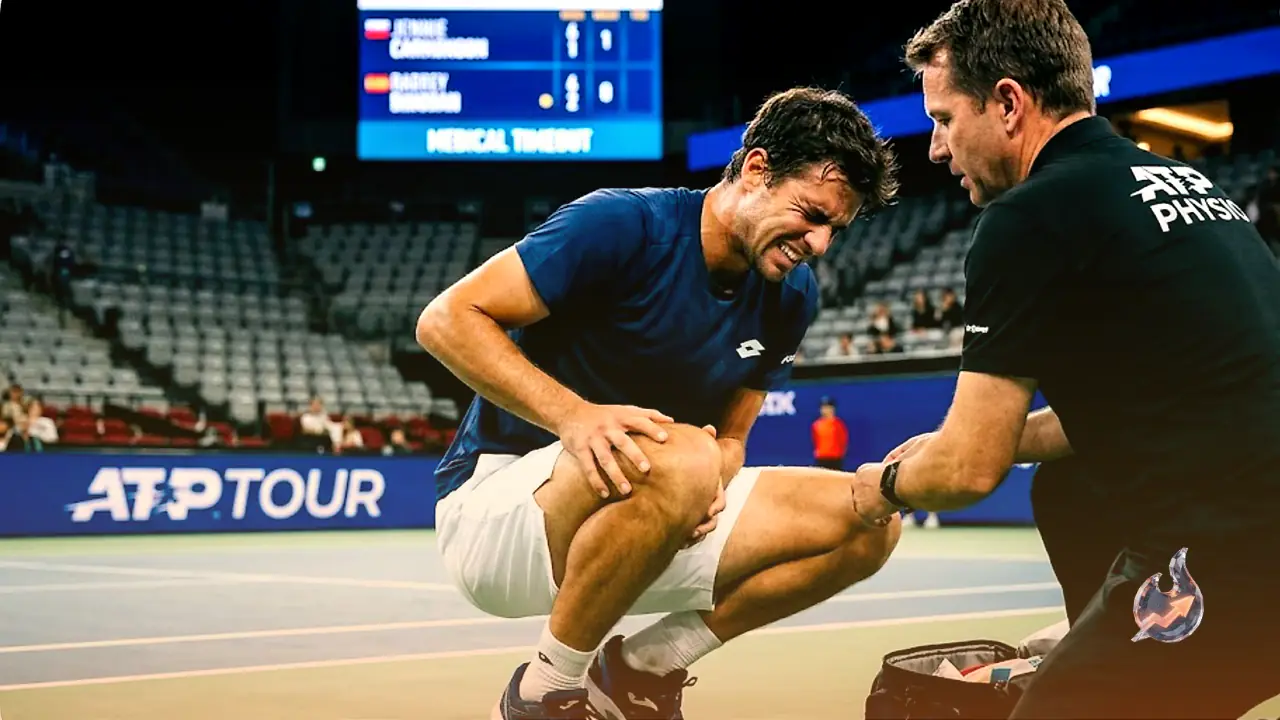

Denis Shapovalov's sudden retirement during his opening match at Wimbledon serves as a stark reminder of the immense physical toll extracted by modern professional tennis. The Canadian athlete, who reached the semi-finals at the All England Club in 2021, was forced to step away on Monday due to a persistent shoulder injury. This unfortunate development occurred almost simultaneously with British player Jack Draper raising serious concerns about the escalating frequency of injuries plaguing the sport's top competitors. The timing of Draper's statements was either incredibly unfortunate or a carefully timed warning about a system that many believe is pushing athletes past their breaking points.
The High Cost of Success on the Modern Tour
Former world number four Jack Draper has been highly vocal about the immense physical demands placed on the elite players of the game. He argues that a punishing and virtually nonstop annual schedule, combined with a very brief off-season, longer matches, and increasingly brutal physical battles on the court, is directly causing players' bodies to break down. The consequences of this relentless calendar are visible at the very top of the sport. Carlos Alcaraz, a seven-time major champion, is currently missing from the Wimbledon draw because of a wrist injury. Furthermore, several other prominent players on the ATP tour chose to withdraw from crucial grass-court warmup tournaments at Queen's and Eastbourne, deciding to prioritize their physical health over competitive preparation.
Draper pointed out that a quick look at the tournament draws reveals an alarming pattern of physical distress, with players constantly suffering from shoulder, arm, and wrist injuries. He emphasized that the governing bodies of tennis need to conduct a thorough and critical examination of the physical expectations placed on players throughout the competitive tour. His comments carry heavy weight as the sport grapples with the loss of key figures just as the grass-court season reaches its peak.
The Double Blow for British Tennis
The situation became even more pronounced for local fans when Draper's withdrawal coincided with fellow British star Emma Raducanu being ruled out of competition. Raducanu suffered a stress fracture in her lower leg, leaving British tennis without two of its most promising and marketable young stars. While their absence is undoubtedly a major commercial and sporting blow to the tournament organizers, it points to a much broader and deeply worrying trend within the sport of professional tennis.
Addressing this issue, former world number one Tracy Austin offered valuable perspective on the changing landscape of elite athletic preparation. She noted that the depth of talent in modern tennis is so immense that players are constantly searching for any tiny competitive advantage, often referred to as finding that extra 1%. This search drives them to spend unprecedented amounts of time performing high-intensity drills on the court and undergoing heavy strength training in the gym. Consequently, some players are competing in far more tournaments than is healthy for them, either mentally or physically, making the modern tour an incredibly demanding environment in every possible aspect.
Faster Rallies and Longer Matches: The Scientific Reality
While injuries are an inherent risk in any high-performance sport, and some traditionalists argue that players who cannot withstand the physical demands are simply unprepared, medical and sports science experts overwhelmingly support the view that tennis has become significantly more punishing. The actual physical data collected from modern matches paint a very clear picture of this evolution.
Statistical analysis shows that modern rallies are lasting longer, the average speed of players covering the court has increased, and they are hitting the tennis ball with far greater velocity than in previous generations. This high-velocity play must be sustained over a grueling competitive calendar that can stretch across almost eleven months of the year, leaving virtually no time for complete physical regeneration.
World number nine Daniil Medvedev is among those advocating for structural changes to the calendar. He suggested that finding a way to shorten the overall length of the competitive season and establishing a substantially longer off-season would be the most effective way to help players avoid chronic overuse injuries and prolong their professional careers.
The Trap of Extended Tournaments and Ranking Points
One of the specific targets of player frustration is the recent trend of extending several mandatory ATP and WTA tournaments. Jack Draper was particularly critical of these events being stretched out over a fortnight to create what have been described as mini Grand Slams. While this format may generate more television revenue, it significantly increases the overall workload of the players by keeping them in a constant state of competitive tension for longer periods.
The systemic pressures of the tour also play a major role in this injury epidemic. The relentless pursuit of ranking points, which are essential for maintaining elite status, entry into major tournaments, and securing lucrative sponsorship deals, means that players often feel compelled to compete even when they are carrying minor injuries or are far below 100% physical fitness.
Greek star and two-time major finalist Stefanos Tsitsipas echoed these sentiments. He observed that when an athlete trains at such high volumes, constantly striving to find marginal improvements while playing back-to-back weeks on the professional tour, it is entirely expected that the body will eventually break down due to cumulative overuse.
The Brutal Nature of Individual Sports
The structural format of tennis exacerbates these physical challenges in ways that team sports do not experience. Former British professional player Naomi Broady highlighted the unique difficulties of competing in an individual sport, where there is no option to rely on teammates or be substituted during a difficult match.
Broady pointed out that returning players cannot be eased back into competition by playing limited minutes, such as a 20 or 30-minute stint on the court. Instead, they must immediately play full-length, high-intensity matches day after day. This sudden and massive physical load frequently leads to secondary injuries, as the body attempts to compensate for a weakened area, resulting in a continuous cycle of physical breakdown.
Case Studies in Overload: Draper and Raducanu
The recent struggles of both Draper and Raducanu serve as clear examples of these physical dangers. The 24-year-old Draper had not played a competitive match for over two months before suddenly entering and playing four highly competitive matches at Eastbourne. When the intense serving motion triggered a recurrence of bone bruising in his serving arm, he was forced to withdraw from Wimbledon, missing what would have been his first Grand Slam appearance of the calendar year.
Similarly, the 23-year-old Raducanu believes that overplaying during her run at Queen's contributed directly to the stress fracture in her lower right leg. The 2021 US Open champion had been sidelined for the majority of the previous four months. Upon her return, she played five demanding matches in just six days. Due to severe rain delays during the tournament, she was forced to play her quarter-final, semi-final, and final matches within a highly compressed window of less than 30 hours, placing an extraordinary amount of physical stress on her healing body.
Broady emphasized that allowing sufficient time for injuries to heal fully and gradually building up the physical load is incredibly difficult under the current tour structure. She noted that most re-injuries occur when players attempt to return to competition too quickly, highlighting the relentless and unforgiving nature of the sport.
Finding a Path Forward to Protect Athletes
In response to these growing concerns, players and sports scientists have proposed several potential solutions to prevent the sport from reaching a complete breaking point. In addition to a shortened season, players are calling for more intelligent tournament scheduling, specifically targeting the reduction of matches that finish in the early hours of the morning, which severely disrupts recovery and sleep patterns.
Another major point of discussion is the variation in equipment. Playing with different brands of tennis balls at successive tournaments, which can vary significantly in weight, aerodynamic drag, and speed, has been identified as a key driver of upper-body injuries. While the professional tours are slowly moving towards a more centralized ball system, the issue remains a major concern. Tsitsipas noted that while advancements in racket technology have provided some physical relief, the constant adjustments required by varying ball types still present a major physical challenge.
Furthermore, sports science experts suggest that the governing bodies of tennis must adopt a far more coordinated and cooperative approach to sharing physical data. This would allow medical staff to better monitor player workloads and implement preventative measures. There is also a strong belief that younger players require greater protection. Although the ATP and WTA already enforce age-eligibility rules that restrict the number of senior tournaments teenagers can play, experts suggest the root of the problem often lies much earlier.
Britain's Billie Jean King Cup captain Anne Keothavong pointed out that many modern players have already accumulated an extraordinary number of competitive hours before they even join the professional tour. She argued that the long-term physical toll seen in adult professionals is often the cumulative result of excessive training volumes undertaken during their formative junior years. Unless tennis can find a way to balance commercial interests with player welfare, the physical breakdown of its biggest stars will continue to dominate the sport's narrative.