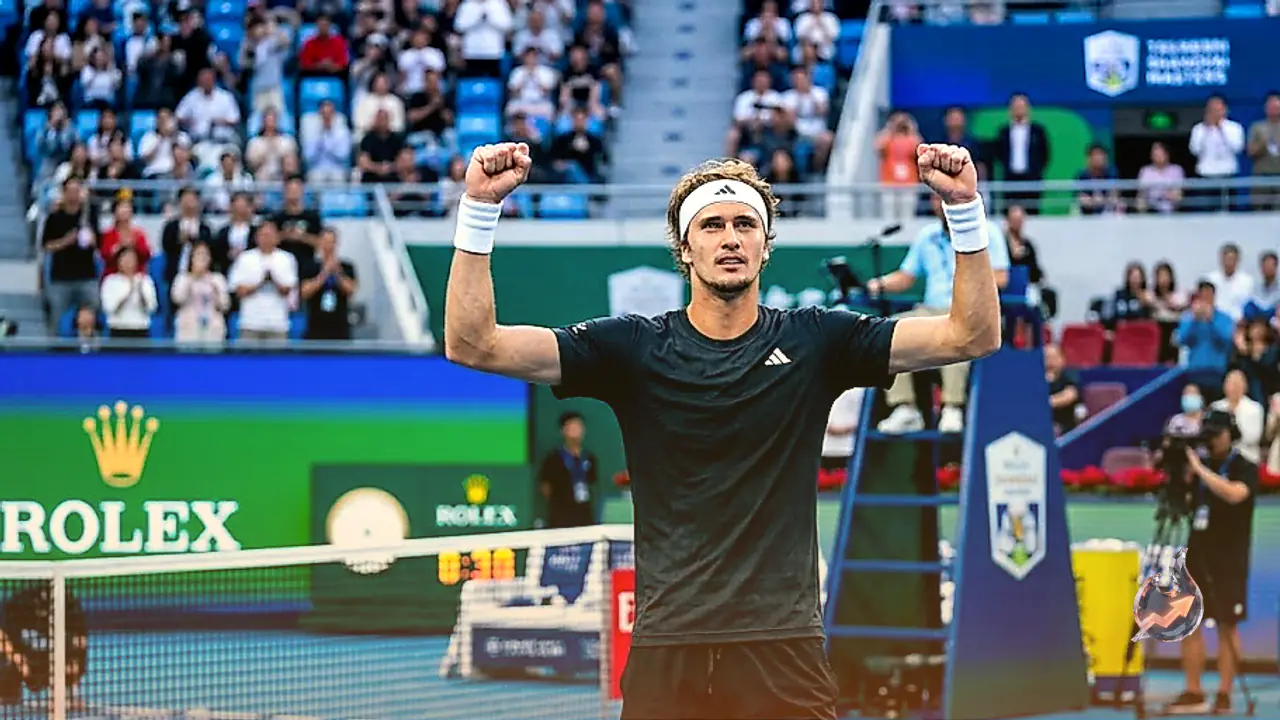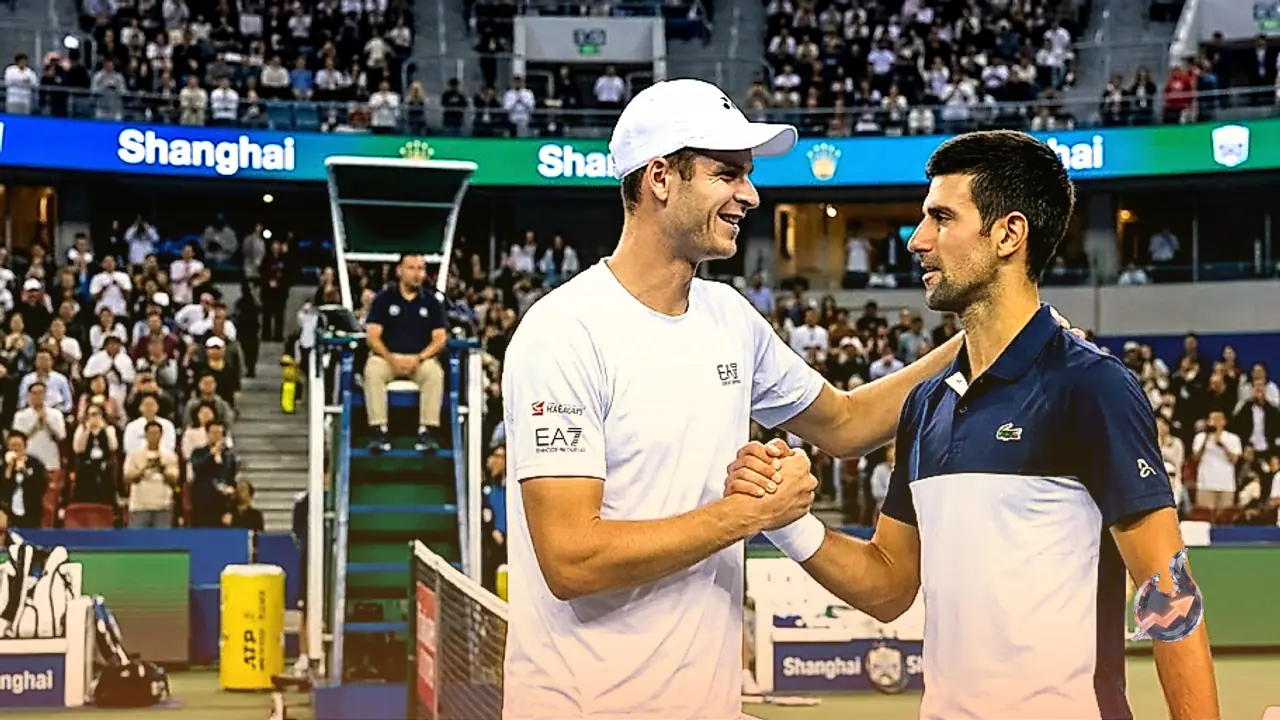

World number two Alexander Zverev bowed out of the Shanghai Masters on Saturday, falling in three tight sets during the semi-finals to Spain's Alejandro Davidovich Fokina. Hampered by an arduous schedule that left him physically drained and nursing physical discomfort, the 29-year-old top seed reflected positively on his tournament run, stating that advancing to the penultimate round under such intense weariness exceeded what he thought was realistic given his physical condition.
Physical Strain Catches Up with the Top Seed
Following his elimination, Zverev spoke candidly about the toll recent months of competitive tennis have taken on his body. Facing an opponent playing with sharp consistency, the German struggled to maintain the relentless pace required at the elite level. "I feel like I've actually, in a way, maybe overachieved this week because of how much tennis I played," Zverev explained during his post-match assessment. He added: "I carried a little bit of injury, I carried fatigue into the tournament, and I'm OK to lose to a player like this today."
Throughout the contest, Davidovich Fokina applied persistent tactical pressure, regularly targeting Zverev's forehand wing. While the top seed claimed the opening frame, the momentum shifted decisively in the second set. The 25th-seeded Spaniard earned his first service break of the entire contest courtesy of an exquisite running backhand passing shot, paving the way to level the match and force a third set.
Davidovich Fokina Seizes the Decisive Moments
In the final set, Davidovich Fokina capitalized immediately by breaking Zverev's serve early to construct an commanding 2-0 cushion. Zverev proved unable to mount a sustained comeback, ultimately conceding the match 5-7 6-4 6-3. For Davidovich Fokina, this triumph represents just his second victory across eight career meetings with Zverev and propels him into his first ATP Masters 1000 final since 2022.
Zverev had arrived in the last four after delivering a polished, straight-set win over Alex de Minaur in the quarter-finals, but his energy reserves had clearly depleted. The German pointed out that his physical difficulties had been mounting ever since his taxing fourth-round encounter against Alexander Bublik, which went all the way to a deciding third-set tie-break. Defending his dip in form, Zverev remarked, "First, I'm not a robot, I'm a human being, I get tired."
A Remarkable Campaign Defined by Milestone Slams
Highlighting the relentless demands of the professional tour, Zverev noted that he had received merely a single day off in total following the conclusion of the US Open. While heavy match play reflects winning form, it left little room for physical recuperation ahead of Shanghai. He explained that his baseline energy felt completely flat, affecting his footwork, court reactions, and return quality even while winning the first set, reiterating that even the top competitors in men's tennis are bound by human limitations.
The defeat stands as a minor setback in an otherwise historic and dominant campaign for Zverev. In June, he captured his maiden Grand Slam crown at the French Open, following that triumph with a second major trophy at the US Open in September. Furthermore, Zverev is set to become the first German man in tennis history to close out a calendar year as world number one. Davidovich Fokina will now take on fellow countryman Rafael Jodar in Sunday's championship match.