


















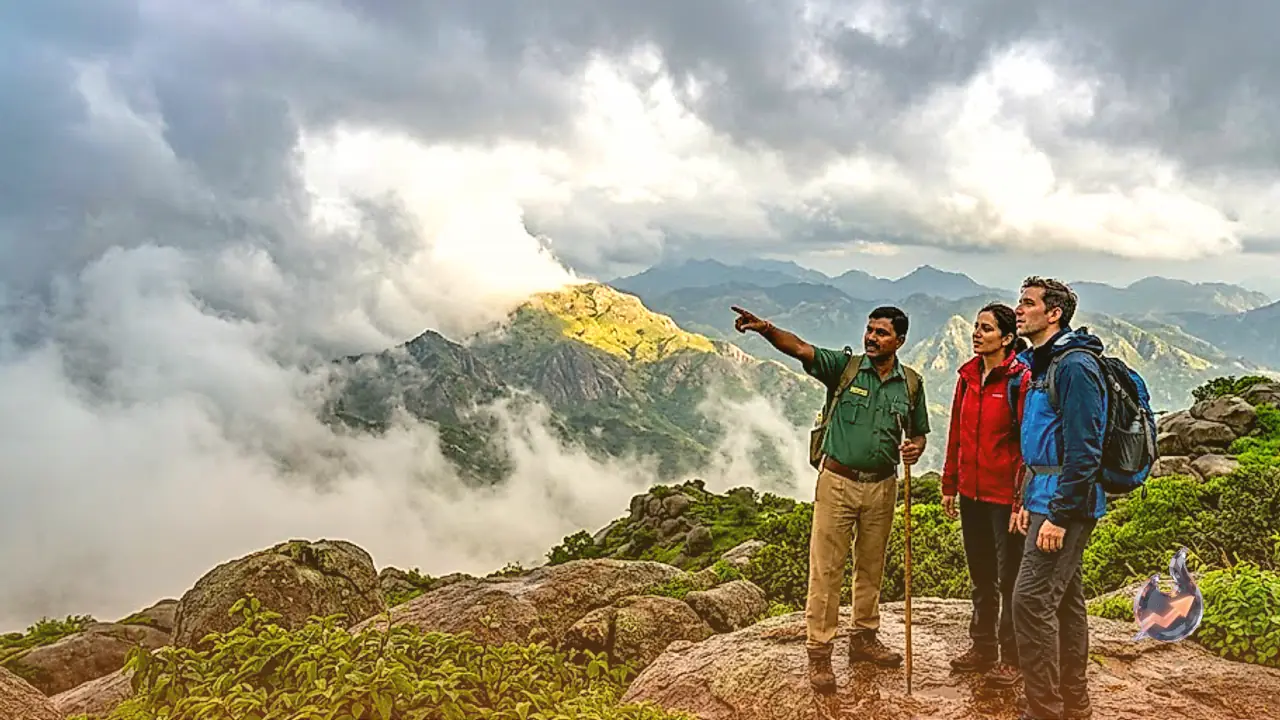

Monsoon transforms Mount Abu, Rajasthan's only hill station, into a completely different landscape, with clouds rolling low over green hills and mist settling into the valleys. While most visitors stick to popular spots like Nakki Lake, there are several lesser known viewpoints tucked into the forests and hills around Mount Abu that offer far more dramatic views once the rains set in. Here are five such hidden viewpoints worth seeking out.
Golden Horn View Point
Golden Horn View Point sits deep inside the forest and is reachable only by trekking through the hills and woods, there is no direct path to it. The spot gets its name from a rock formation shaped like an animal's horn, and because the entire hillside appears to glow gold in the morning light. From here, visitors get a sweeping view of the Aravalli valleys, which looks especially striking during monsoon when the ranges are wrapped in clouds.
The frog shaped rock by Nakki Lake
Right on the edge of Mount Abu's famous Nakki Lake sits a viewpoint known for its sky view of both the lake and the town. It takes its identity from a massive rock here that is shaped almost exactly like a frog. The Aravalli hills are clearly visible from this spot too. Reaching it does take some effort though, since visitors have to climb around 150 steps to get there.
The table shaped rock near Adhar Devi temple
About 3 kilometres from Nakki Lake, near the Adhar Devi temple, sits another viewpoint that also doubles as a popular trekking spot. It is named after a large rock here shaped like a table. The location offers views of the Aravalli hills surrounded by greenery on all sides. There is also a campsite here, letting visitors spend a night out in the open under the hills.
Camel Rock
Located at the foothills of Mount Abu, this hill formation is shaped just like a camel, which is how it earned the name Camel Rock. The nearby residential colony and a local school are also known by the same name. The spot draws trekkers regularly and offers a scenic view of the surrounding area as well.
Adhar Shila in the Rishikesh area
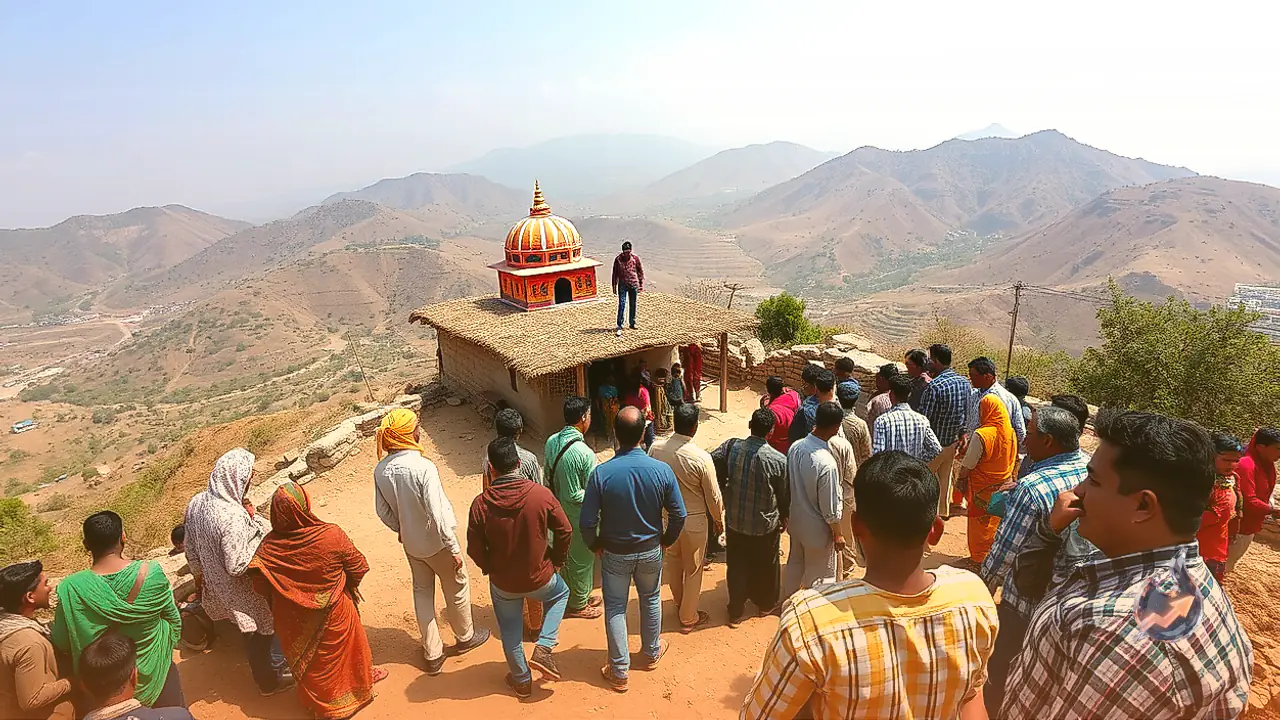
In the Rishikesh area at the base of Mount Abu lies a hill known as Adhar Shila. It is named after a massive rock here that appears to rise up, separate from the rest of the hillside. The spot also carries historical and religious significance, it is believed that the ascetic king Ambarish performed penance here. Devotees visiting the nearby Rishikesh temple often stop to see this rock as well.
A guide and forest department permission are a must
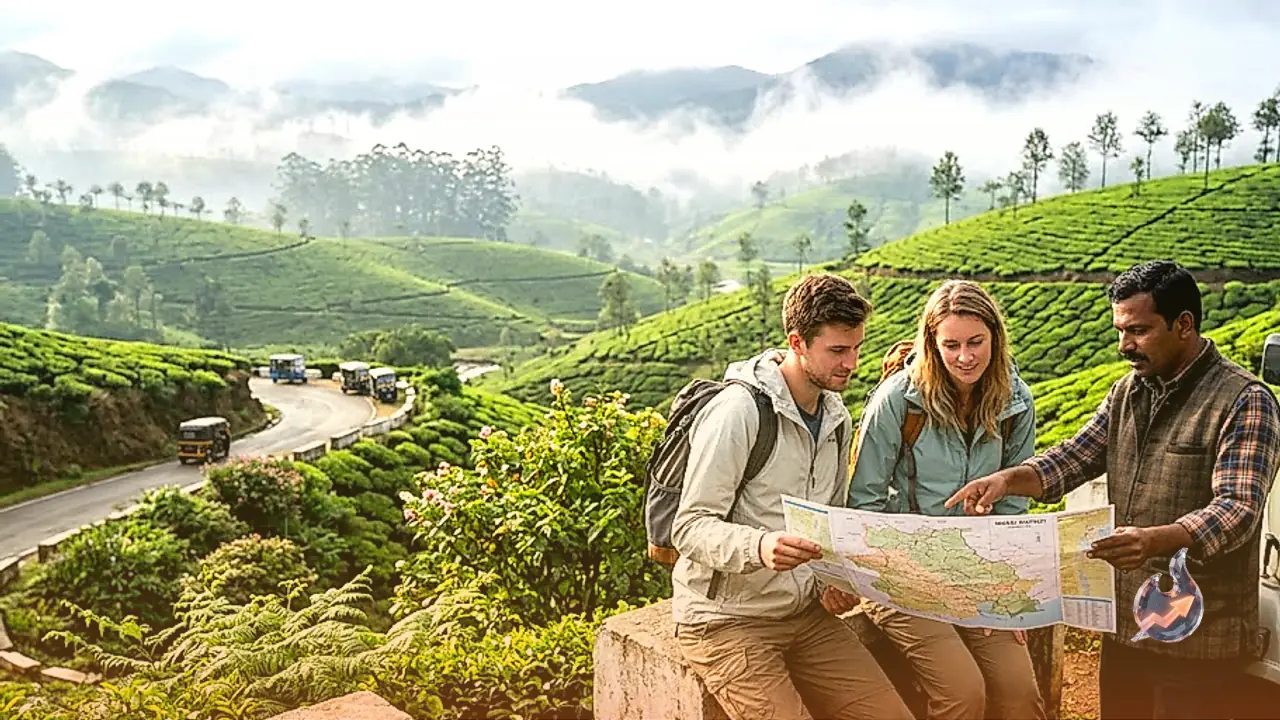
Visitors should not attempt to reach these hidden spots around Mount Abu on their own. The area falls within wildlife territory, so a trained tourist guide is essential, without one there is a real risk of losing the way. Exploring the forest zone also requires permission from the forest department, and visitors can access these locations only after paying the applicable forest fee.