






















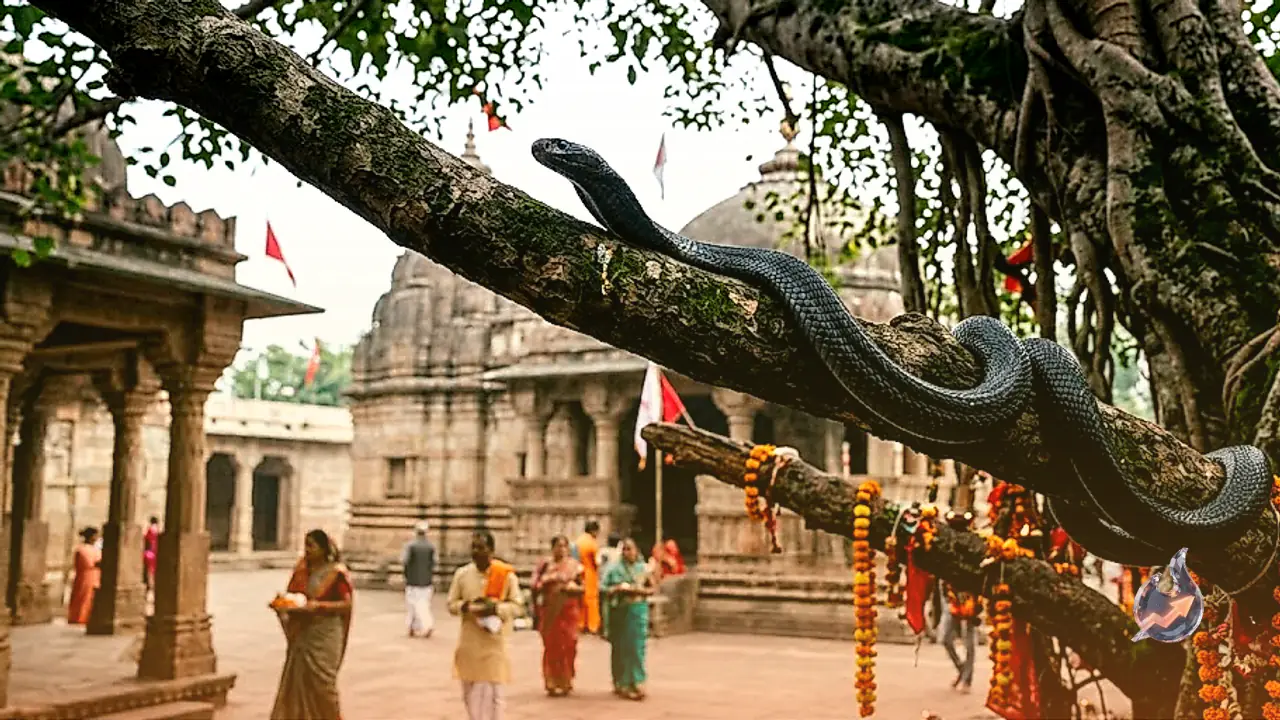

Travelers and pilgrims journeying across Madhya Pradesh often seek out spiritual landmarks nestled in serene surroundings, and the Tripur Sundari temple near Jabalpur stands as one of the region's most revered shrines. Located approximately 350 kilometres away from the state capital Bhopal, this sacred destination is surrounded by rolling hills, natural greenery, and a tranquil atmosphere. Devotional beliefs hold that the very first manifestation of Adi Parashakti Jagatjanani descended upon this holy earth in the divine form of Mata Tripur Sundari. Upon arriving at the complex, visitors frequently encounter a striking sight before entering the primary courtyard: a black snake resting peacefully on a tree branch, revered by devotees as a living symbol of Lord Shiva's sacred ornament.
Foundation by Devotee King Kasturi Karn
Historical accounts and traditional lore record that this revered sanctum was established by King Kasturi Karn. The pathway leading up to the temple winds through picturesque natural landscapes, offering pilgrims panoramic vistas that bring deep mental tranquility before they even reach the sanctum sanctorum. In spiritual traditions, Adi Parashakti is celebrated for taking various divine incarnations across ages to uplift the downtrodden and bestow welfare upon the world. The holy seat founded by King Kasturi Karn has preserved its aura of calm energy and spiritual significance through generations. Pilgrims traveling from major urban centres across the country can reach this pilgrimage point conveniently through well-connected bus and train networks.
The Sacred Black Snake and the Presence of Mahadev
Before stepping into the main temple grounds, worshippers observe the black snake positioned upon a tree within the outer premises. Believers view the serpent as an earthly representation of the serpent ornament worn by Mahadev, Lord Shiva. According to long-standing local belief, this creature has never caused harm to anyone visiting the site. Pilgrims firmly believe that catching a glimpse of this sacred serpent removes obstacles from their path and brings auspicious outcomes to all their ongoing endeavours. This serene encounter prepares visitors spiritually before they proceed further into the holy precincts.
Holy Padukas and Lord Ganesha in the Sanctum Sanctorum
After observing the serpent, devotees chant the sacred hymn 'Om Tripur Sundari Matarai Namah' as they step into the spacious inner courtyard. Inside the main sanctum sanctorum, visitors are greeted first by the holy padukas, the revered sacred sandals of the mother deity. Located right beside these divine footprints stands an idol of Lord Ganesha (Vinayaka). Ritual traditions here hold deep significance for female visitors, particularly concerning kumkum and vermilion. It is believed that women who apply the kumkum touched to the feet of the goddess receive the eternal blessings, protection, and grace of Maa Tripur Sundari.
The Coconut Ritual and the Divine Swing Procession
A distinctive devotional tradition is observed by worshippers who come to seek personal wishes at the Tripur Sundari temple. Devotees wrap a coconut in colourful cloth and tie it securely within the temple complex while making their heartfelt prayers. Once their wishes materialize, pilgrims return to present offerings according to their faith and means. In addition, devotees whose wishes have been granted organize a ceremonial procession wherein the idol of the goddess is seated upon a decorated swing. This joyful swing procession creates a magnificent spectacle across the courtyard, leaving pilgrims with the profound sensation that Jagatjanani Maa Tripur Sundari is actively guiding their actions and orchestrating divine grace for their welfare.